The Summer of Soccer Culminates: Record-Breaking World Cup Finale Ushers in New Era of Global Brand Engagement

As the final whistle of the 2026 FIFA World Cup looms, the global sporting landscape is abuzz with unprecedented viewership figures, the meteoric rise of new athletic icons, and a strategic pivot by major wellness brands that have leveraged the tournament’s immense power. This weekend’s climactic matches, featuring Spain and Argentina battling for the coveted World Cup trophy and England and France competing for third place, are projected to captivate an estimated 1.8 billion viewers worldwide. This figure, according to market research firm Business Stats, solidifies the event as the most-watched television spectacle in history, transcending previous records and underscoring the universal appeal of the beautiful game.
Beyond traditional broadcasting, the 2026 FIFA World Cup has achieved staggering success across digital platforms. FIFA reported that viral moments from the tournament have collectively garnered over 20 billion views across its social media channels alone. This digital deluge highlights a fundamental shift in how major sporting events engage with their audience, with short-form content, fan-generated clips, and real-time social media interaction driving a significant portion of the overall viewership and cultural impact.
Emergence of Global Superstars and Social Media Dominance
The tournament has served as a powerful incubator for athletic talent, propelling several players into the stratosphere of global superstardom. Norway’s Erling Haaland, already a recognized force in club football, has seen his social media following explode, accumulating an estimated 25 million new Instagram followers during the World Cup, as reported by Forbes. Even more dramatic has been the ascent of Cabo Verde’s goalkeeper, Vozinha. His inspiring performances and charismatic presence have catapulted his Instagram following from a modest 50,000 to an astonishing 29 million, according to the BBC, demonstrating the profound impact of a single, celebrated tournament on an individual athlete’s global reach.
This surge in athlete popularity directly translates into increased brand visibility and engagement opportunities. Companies that strategically align themselves with these rising stars are poised to reap significant rewards. The narrative of individual triumph and collective national pride interwoven throughout the World Cup provides fertile ground for marketing campaigns that resonate deeply with a global audience.
Wellness Brands Capitalize on the World Cup Phenomenon
While the athletes themselves have garnered immense individual attention, it is the strategic investments by wellness brands that appear to be yielding the most significant returns. Companies such as Unilever, Therabody, and Oura, known for their focus on health, performance, and recovery, have recognized the World Cup as an unparalleled platform for reaching a massive and engaged audience. These brands have moved beyond traditional advertising, embracing integrated campaigns that highlight the intersection of athletic excellence and personal well-being.
Doug Sweeny, Chief Marketing Officer at Oura, articulated the brand’s strategic rationale: "We’re [all living] in this very fast-paced, divisive world with AI and political division and unrest, but sport takes all that away and brings everybody together in a really nice way. We wanted to be a part of that." This sentiment reflects a broader trend where brands are seeking to associate themselves with positive, unifying forces in a fragmented global society. The World Cup, with its inherent themes of competition, camaraderie, and shared passion, offers a powerful antidote to contemporary anxieties.
Oura’s Multi-faceted World Cup Strategy
Oura, a company renowned for its smart ring technology that tracks sleep, activity, and recovery, has implemented a comprehensive strategy to capitalize on the World Cup’s momentum. A cornerstone of their activation was a partnership with U.S. Soccer, announced in April, designating Oura as the official wearable of Team USA. This collaboration extends to Oura being a founding partner of the forthcoming Arthur M. Blank U.S. Soccer National Training Center, a significant commitment that signals a long-term investment in American soccer development.
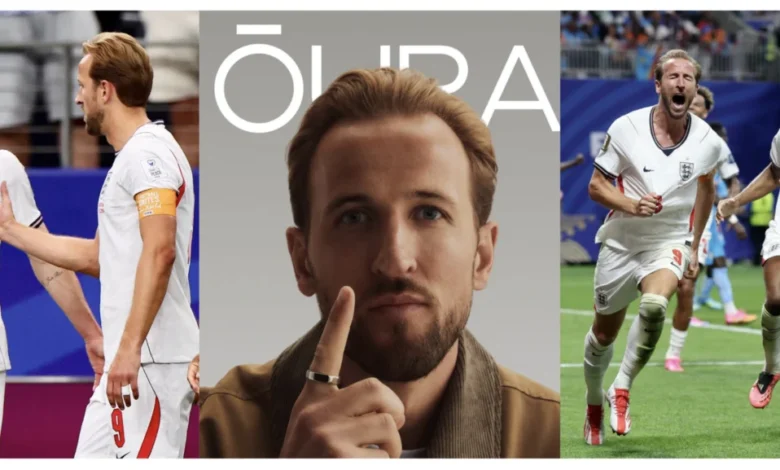
However, Oura’s most high-profile and impactful initiative involved securing Harry Kane and Declan Rice, the co-captains of England’s national team, as official brand ambassadors. This partnership proved to be a stroke of genius, aligning Oura with two of the tournament’s most prominent figures. The campaign focused on the critical role of rest, training, and sleep in elite athletic performance, directly linking these pillars of well-being to Oura’s core product offering. The messaging, "If it’s good enough for an elite athlete, it’s good enough for a consumer," effectively bridges the gap between professional aspiration and everyday application, resonating with a broad consumer base.
The timing of this ambassadorial announcement was particularly astute. As reported by Variety this week, the semifinal match between England and Argentina on July 15th drew over 15 million viewers, making it the most-watched World Cup semifinal telecast in English-language history. This monumental viewership provided a colossal audience for Oura’s campaign, amplifying its reach and impact. Sweeny views these ambassadorial appointments as crucial top-of-funnel awareness drivers, contributing to the eight to ten touchpoints that are often necessary to convert a consumer into an Oura ring purchaser, which retails for $399 or $499.
Navigating Challenges and Capitalizing on Success
Despite the success of the Kane and Rice partnership, Oura faced challenges in replicating this strategy with U.S. players. Sweeny admitted to Glossy, "We were scrambling. We need to work across multiple teams, with the medical staff and the training group [for the team], and it was hard to get in front of that for the men’s side beyond supporting the overall team." This highlights the intricate logistical and organizational hurdles involved in securing high-level athlete endorsements within national team structures.
Fortunately for Oura, their investment in England proved exceptionally fruitful. Harry Kane emerged as one of the tournament’s standout performers, scoring six goals and providing one assist. This remarkable tally positions him as a strong contender for the Golden Boot, awarded to the tournament’s top scorer. Kane’s leadership and scoring prowess were instrumental in guiding England to the third-place playoff, further cementing his status as a global footballing icon. His personal brand also experienced a significant boost, with Yahoo Sports reporting that he amassed 1.2 million new Instagram followers during the World Cup.
Oura strategically amplified their campaign in the United Kingdom, a key market for the brand, ranking among its top three. The U.S. remains Oura’s largest market. The company implemented an aggressive advertising strategy, including wrapping advertisements around the iconic Harrods department store in London, where Oura maintains a prominent "white glove" counter for customer engagement and sales. Furthermore, Oura ensured their advertisements were featured in every global broadcast of England’s matches. This multi-pronged approach led to a significant surge in Oura’s web traffic with each advertisement’s deployment.
"The sheer volume of the eyeballs and impressions that [we’re] getting is just through the roof, and they keep over-delivering, which is great," Sweeny commented on the efficacy of Oura’s substantial investment in reaching World Cup viewers. This World Cup activation represents one of Oura’s most significant financial commitments in its eleven-year history, comparable in scale to its advertising expenditures during the crucial Q4 selling season for consumer electronics.
The Inherent Risks and Unexpected Wins in Sports Sponsorship
Investing in sports sponsorships is inherently fraught with risk. The fortunes of athletes and teams can fluctuate dramatically, and unexpected events like injuries or illnesses can derail even the most meticulously planned campaigns. Declan Rice, for instance, missed a full game and a significant portion of another due to illness, potentially limiting his opportunities for viral moments that could have further amplified his global profile.
The emergence of English striker Jude Bellingham as another tournament standout, scoring six goals and gaining 8 million new social media followers, according to Yahoo Sports, also prompted a moment of reflection for Oura. When asked if they regretted not signing Bellingham as well, Sweeny humorously responded, "I think probably yes. [Plus,] he’s so charming." This candid admission underscores the unpredictable nature of sports and the constant evaluation of sponsorship strategies.
Despite such near misses, Oura’s broader sponsorship portfolio has demonstrated remarkable success. The company’s 2023 sponsorship of the New York Knicks proved prescient, as the team went on to win the NBA Championship this year, generating significant positive association for Oura. Additionally, Oura’s role as the official wearable of the U.S. Tennis Association, announced in April, and its ongoing commitment as the official wearable of the U.S. Olympic and Paralympic teams, further solidify its position as a major player in sports-related brand partnerships.
Future Strategies and the Enduring Power of the Women’s Game
The lessons learned from the 2026 World Cup are already shaping Oura’s future strategies. Sweeny is now focused on planning for the 2027 Women’s World Cup in Brazil and the 2028 Olympic Games in Los Angeles. The U.S. Women’s National Team, a perennial powerhouse with four World Cup titles to its name, presents a compelling opportunity for Oura. Having first partnered with the team in 2020, Oura plans to significantly deepen its investment next year.
"Given how bullish we are on that team [we plan to do a lot next year]," Sweeny stated enthusiastically. "That team is formidable!" This commitment to the Women’s World Cup underscores a growing recognition within the sports marketing industry of the immense commercial potential and dedicated fanbase surrounding women’s sports. As Oura looks towards future major sporting events, its strategic approach, honed by the lessons of the 2026 World Cup, will undoubtedly continue to prioritize authentic athlete partnerships and compelling storytelling that resonates with a global audience. The summer of soccer may be drawing to a close, but its legacy of unprecedented engagement and transformative brand opportunities is just beginning to unfold.
Related posts: