The Evolution of Curated Antique Jewelry Collections and the Rise of the Modern Talismanic Aesthetic

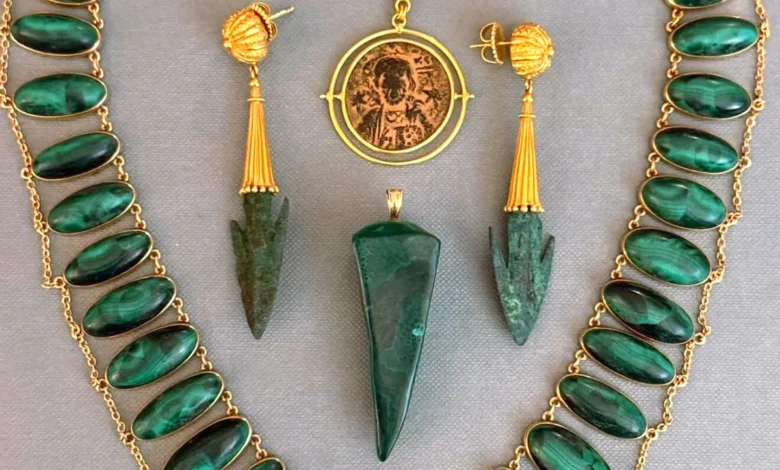
The landscape of antique jewelry collecting has undergone a significant transformation over the past decade, shifting from a niche hobby reserved for traditional auction houses to a vibrant, social-media-driven marketplace defined by personal storytelling and creative repurposing. At the forefront of this movement is Cyndi, the curator behind the influential Instagram platform @TheFabNab, whose thirteen-year journey from a casual enthusiast to a recognized authority in the "edgy vintage" space illustrates broader trends in the secondary luxury market. Her collection, characterized by a preference for medallions, religious iconography, serpents, and rubies, serves as a case study in how modern collectors are redefining the value of historical artifacts through the lens of "talismanic" significance and artisanal conversion.
The Genesis of a Collection: From Hobbyist to Curator
The trajectory of a jewelry collection often mirrors the evolution of the collector’s personal aesthetic and market literacy. For Cyndi, the journey began approximately 12 to 13 years ago, during a period when the jewelry industry was experiencing a resurgence in DIY craftsmanship and semi-precious beadwork. While her early interests were rooted in these accessible materials, the transition to precious metals and stones marked a professionalization of her approach.

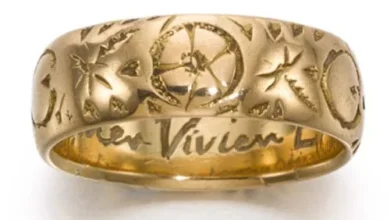
The entry point for many collectors during the early 2010s was the antique stick pin. Historically, these items were utilitarian accessories used to secure neckcloths or cravats in the 19th and early 20th centuries. A decade ago, the market for stick pins was undervalued, allowing collectors to acquire high-quality Edwardian and Art Deco pieces "for a song," as Cyndi notes. This accessibility facilitated a burgeoning trend known as "conversion jewelry"—the process of taking an antique component, such as a pin or a brooch, and professionally modifying it into a more wearable modern form, such as a ring, pendant, or charm.
This practice does more than just make an item "wearable"; it acts as a form of historical preservation through adaptation. By reimagining these components, collectors like Cyndi have created a new category of "re-dreamt" jewelry that bridges the gap between the craftsmanship of the past and the stylistic demands of the present.
The Lucky Numbers + Talismans Collection: A Strategic Pivot
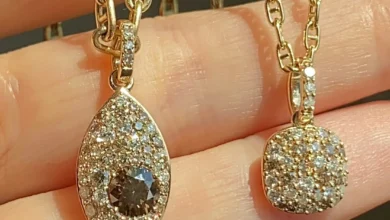
As a collection matures, it often branches into original design. Cyndi’s "Lucky Numbers + Talismans" collection represents a strategic intersection of antique sourcing and contemporary branding. This capsule collection utilizes authentic Edwardian and Art Deco components to create personalized jewelry centered around destiny numbers and "good juju."

From a journalistic perspective, this reflects a broader consumer shift toward "meaningful luxury." Data from the jewelry industry suggests that Gen X and Millennial collectors are increasingly moving away from mass-produced "big box" luxury in favor of pieces that offer a perceived spiritual or personal connection. The concept of the "talisman"—an object believed to possess certain magical or protective properties—has become a dominant theme in the high-end vintage market. This is not merely a stylistic choice but a psychological one, where the wearer views their jewelry as a "layer of love" or a "shield" against the complexities of modern life.
Aesthetic Pillars: Celestial, Egyptian Revival, and the Victorian Ruby
A hallmark of a sophisticated collector is the ability to maintain a consistent "eye" or signature style. Cyndi’s collection is anchored by several distinct historical and thematic pillars that are currently seeing high demand in the global antique market:
The Celestial Influence
The obsession with the cosmos is a recurring theme in jewelry history, particularly during the Victorian era when Halley’s Comet sparked a fascination with stars and moons. Cyndi’s collection highlights both true antiques—featuring Old Mine Cut diamonds set in silver-topped gold—and modern interpretations, such as the H. Stern Genesis line. The presence of darkened silver, or "oxidized" settings, is a technical detail that highlights the brilliance of antique diamonds, a contrast that remains highly sought after by collectors seeking an "edgy" yet refined look.

Egyptian Revival and Serpent Iconography
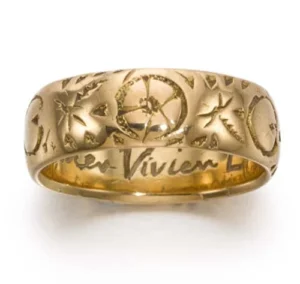
The Egyptian Revival movement, which saw peaks in the mid-19th century and again in the 1920s following the discovery of King Tutankhamun’s tomb, is another focal point of the @TheFabNab aesthetic. Pieces featuring winged scarabs and brushed gold serpents represent more than just animal motifs; they are symbols of rebirth and eternal life. In the current market, "buttery" high-karat gold (18k and above) from these periods commands a premium due to its rich color and historical weight.
The Victorian Ruby Spike: A Symbol of Strength
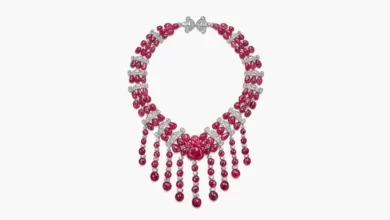
Perhaps the most personal piece in Cyndi’s collection is the Victorian-era ruby spike, converted from an antique brooch. In gemology and folklore, the ruby is often associated with vitality, courage, and protection. The "spike" motif adds a layer of modern toughness, creating a juxtaposition between the delicate Victorian sentiment and a contemporary "badass" persona. Because original Victorian spikes are increasingly rare and "out of reach financially," Cyndi has begun recreating this style using Art Deco pins, effectively democratizing an elite aesthetic for a broader audience of "discerning collectors."
Global Sourcing and the Architecture of the Antique Trade
The procurement of high-value antique jewelry requires a sophisticated understanding of global markets and a robust network of professional relationships. Cyndi’s sourcing history provides a roadmap of the world’s most significant jewelry hubs:

- The Paris Flea (Marché aux Puces de Saint-Ouen): Known as the world’s largest concentration of antique dealers, this market is a primary source for European estate jewelry and rare historical components.
- Portobello Road, London: A legendary destination for silver and jewelry, where relationship-building is paramount. The mention of "Ishy" from @IshyAntiques underscores the importance of mentorship and "showing the ropes" in an industry that can often be opaque to outsiders.
- Major Trade Shows (Miami, Las Vegas, Hillsborough): These events serve as the professional backbone of the industry. The Miami Antique Show and the Las Vegas Antique Jewelry & Watch Show are critical for high-stakes acquisitions and networking.
The transition from sourcing on eBay to participating in international trade shows marks the professional evolution of a collector. It highlights a shift from "searching for deals" to "curating through relationships." In the antique world, access to the best pieces is often predicated on who you know and the trust established within a "jewelry gang" of fellow dealers and enthusiasts.
The Social and Psychological Impact of the "Neckmess"
The term "neckmess"—a curated, layered arrangement of necklaces and charms—has become a staple of the modern jewelry vernacular. It represents a departure from the "matching set" mentality of previous generations. For collectors like Cyndi, the neckmess is a visual autobiography. Each charm, whether a converted stick pin or a diamond-encrusted pocket watch, represents a victory, a memory, or a personal milestone.
This "layering" of history has significant implications for the future of the jewelry industry. It encourages "slow fashion" and sustainability, as the focus is on repurposing existing materials rather than mining new ones. Furthermore, it empowers the consumer to be the architect of their own status symbols. When a collector gifts themselves a piece to commemorate a personal victory, the jewelry ceases to be a mere accessory and becomes a "daily talismanic reminder" of resilience.

Market Implications and Future Outlook
The success of platforms like @TheFabNab indicates a robust future for the curated antique market. Several factors suggest this trend will continue to grow:
- Scarcity and Value: As authentic Victorian and Art Deco pieces become rarer ("rarer than hens’ teeth"), their value as investment-grade assets increases.
- The Digital Shift: Instagram has democratized the appraisal and discovery process. Collectors no longer need to rely solely on local jewelers; they can access a global marketplace of experts and peers instantly.
- The Rise of the Independent Curator: There is a growing preference for buying from individual curators who offer a specific "vibe" or perspective, rather than nameless corporations.
In conclusion, the story of Cyndi and her collection is more than a narrative of personal acquisition; it is a reflection of a cultural shift toward individuality, historical appreciation, and the empowerment of the modern collector. By finding "inspiration in the old" and "making fresh again what is stale," curators in this space are ensuring that the artistry of past centuries continues to find a place in the "neckmesses" of the future. The jewelry community, bonded by "mutual unending support, love, and laughter," remains a testament to the fact that while the glitter may be superficial, the connections forged through these objects are anything but.