The identity bracelet, commonly referred to as the ID bracelet, has occupied a unique niche in the jewelry industry for nearly a century. While its origins are deeply rooted in military service and utilitarian function, the piece has transitioned into a highly sought-after fashion accessory. A recent surge in demand for customizable, high-end ID bracelets reflects a broader trend in the luxury market: a shift toward personalized, narrative-driven jewelry that emphasizes longevity and personal significance over mass-market trends. This transition from functional equipment to fine jewelry is not merely a stylistic choice; it represents a cultural embrace of "forever pieces" that mirror the wearer’s life history.
Historical Context and Functional Origins
The concept of the identity bracelet emerged primarily during the early 20th century, reaching widespread use during World War I and World War II. For military personnel, these pieces were essential tools for casualty identification. Known as "dog tags" in their more rugged, metallic forms, the civilian market eventually adopted the aesthetic, softening the industrial design into precious metals like sterling silver and gold.
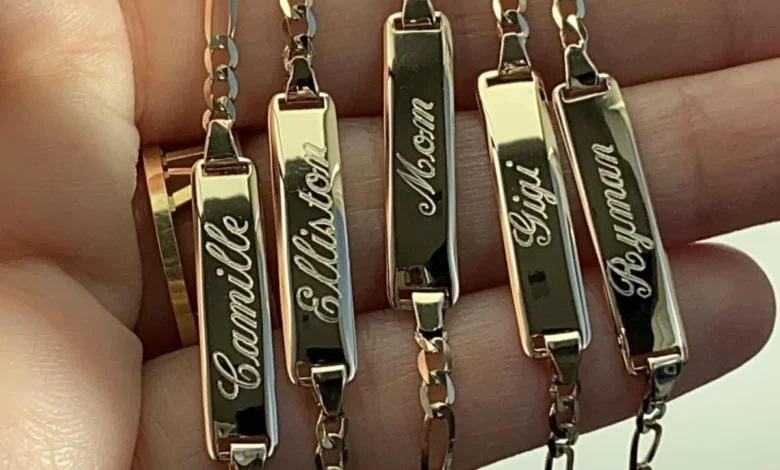
By the mid-20th century, the ID bracelet had become a staple of American youth culture. The style typically featured a central metal plaque connected to a chain—often a Figaro or curb link—providing a canvas for names, dates, or significant symbols. Unlike modern trend-based accessories, these pieces were designed to be worn continuously, a hallmark of the genre that persists today. The patina developed through years of daily wear is frequently cited by collectors as a testament to the durability of the design and the emotional investment of the wearer.
The Shift Toward Personalized Fine Jewelry
In the contemporary jewelry market, the "Gem Gossip" ID bracelet serves as a case study for how heritage designs are being revitalized for a new generation. By incorporating specific design elements—such as the delicate mini-Figaro link—the piece bridges the gap between vintage aesthetics and modern manufacturing standards.
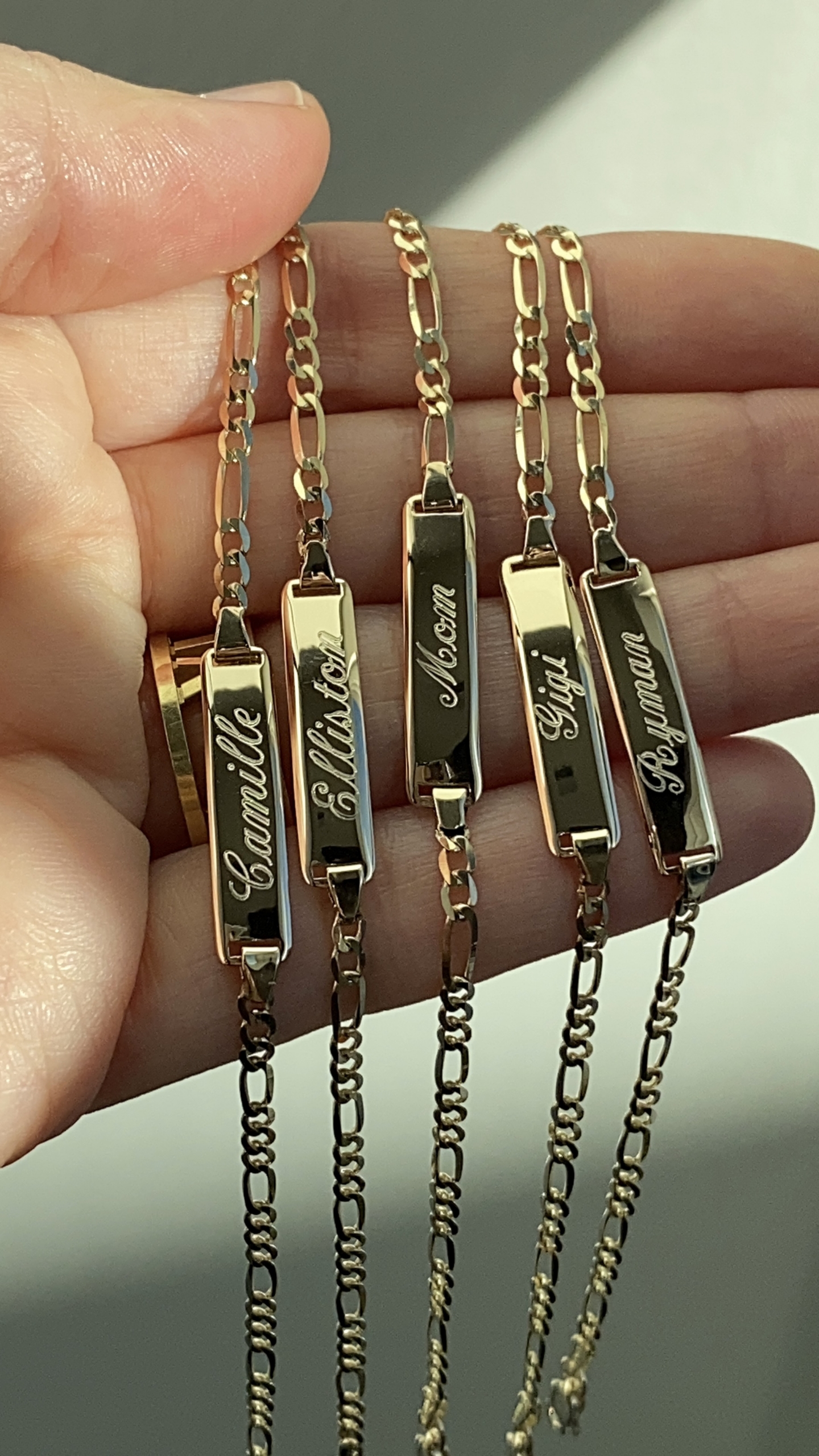
The resurgence of the ID bracelet is supported by data from the broader jewelry sector, which indicates a growing consumer preference for "demi-fine" and fine jewelry that can withstand daily use. Unlike fashion jewelry, which often relies on base metals, modern custom ID bracelets are increasingly rendered in 14k or 18k gold, emphasizing durability as a primary feature. This move toward higher-karat materials allows the jewelry to serve as a wearable archive. When engraved with dates or names—such as those of children or significant life milestones—the jewelry moves from being a retail purchase to a family heirloom.
Chronology of the ID Bracelet’s Retail Journey
The trajectory of the ID bracelet in the retail space can be broken down into three distinct phases:
- The Formative Era (The "First Job" Experience): Early retail experiences in the fine jewelry sector often highlighted the divide between high-end professional sales and the intimate, sentimental connection consumers have with specific items. Entry-level pieces, such as children’s-sized bracelets, often served as the initial point of entry for younger consumers, sparking a lifelong interest in the craft of jewelry making and the mechanics of design.
- The Curated E-commerce Phase: With the advent of digital marketplaces, independent jewelers began curating inventory that reflected their personal collections. By borrowing design language from vintage pieces—specifically the link width and clasp mechanism—retailers have successfully re-introduced the ID bracelet as a "must-have" staple.
- The Customization Boom: Currently, the market is dominated by the demand for hyper-personalization. The inclusion of engraving options is no longer a luxury service but a core expectation. Retailers report that consumers are increasingly purchasing multiple units, often dedicating each bracelet to a specific family member or event, effectively building a "stackable" history on their wrists.
Technical Analysis: Durability and Design Specifications
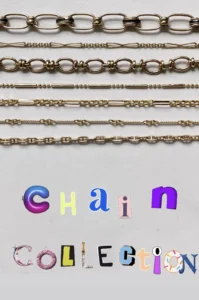
The enduring popularity of the ID bracelet is intrinsically linked to its physical construction. Industry standards for a high-quality ID bracelet require a balance of weight and flexibility. The Figaro chain, which features a repeating pattern of small circular links followed by an elongated oval link, provides both structural integrity and a refined aesthetic.
From a manufacturing perspective, the transition to high-karat gold ensures that the piece does not easily oxidize or lose its structural integrity over time. In terms of wear-testing, daily use over several years has proven that the traditional clasp mechanisms, when properly tensioned, can withstand the rigors of an active lifestyle. This durability is the primary factor driving the current market shift; consumers are increasingly skeptical of "fast fashion" jewelry and are instead investing in pieces that maintain their value and appearance through daily wear.
Industry Implications and Consumer Behavior
The sustained interest in ID bracelets signals a broader shift in how fine jewelry is marketed. Traditionally, fine jewelry was viewed as an occasional accessory—worn only for events or social gatherings. However, the rise of the ID bracelet as a daily-wear item suggests that the "jewelry wardrobe" is becoming more integrated into the wearer’s daily identity.

Market analysts observe that when a consumer views a piece of jewelry as a "medal of honor"—a term used to describe the accumulation of scratches and patina over time—the relationship between the brand and the consumer deepens. This creates a cycle of brand loyalty where the customer returns for additional pieces, often citing the durability and personal history of the initial purchase as the deciding factor.
The Role of Customization in Modern Retail
Official statements and feedback from consumers across various jewelry platforms indicate that the engraving process is the most significant value-add for the modern buyer. By providing a platform where customers can select fonts, symbols, or specific messages, jewelers are effectively turning a commodity item into a bespoke service.
The implications for retailers are clear: providing the infrastructure for customization is essential for maintaining relevance. Furthermore, the practice of using one’s own life milestones—such as the names of children or wedding dates—as the basis for the engraving ensures that the product retains its emotional value, preventing it from being discarded when fashion trends eventually shift.
Future Outlook
As the market for personalized jewelry continues to expand, the ID bracelet is poised to remain a cornerstone of the industry. The evolution from a functional, military-grade identification tool to a refined, gold-standard accessory is complete. Future trends suggest that the next stage of this evolution will likely involve more intricate customization, such as the integration of birthstones or specific metal finishes, while maintaining the classic, clean lines of the original design.
For those looking to enter the market, either as a collector or a first-time buyer, the criteria remain the same: focus on the quality of the gold, the sturdiness of the clasp, and the intention behind the engraving. As evidenced by the sustained popularity of the piece over the last two decades, the ID bracelet is more than just a passing trend—it is a functional, meaningful piece of hardware that commemorates the personal narrative of the wearer. Whether purchased as a gift or a personal acquisition, the ID bracelet stands as a testament to the power of simple, well-executed design in an increasingly complex and fleeting marketplace.
Related posts: