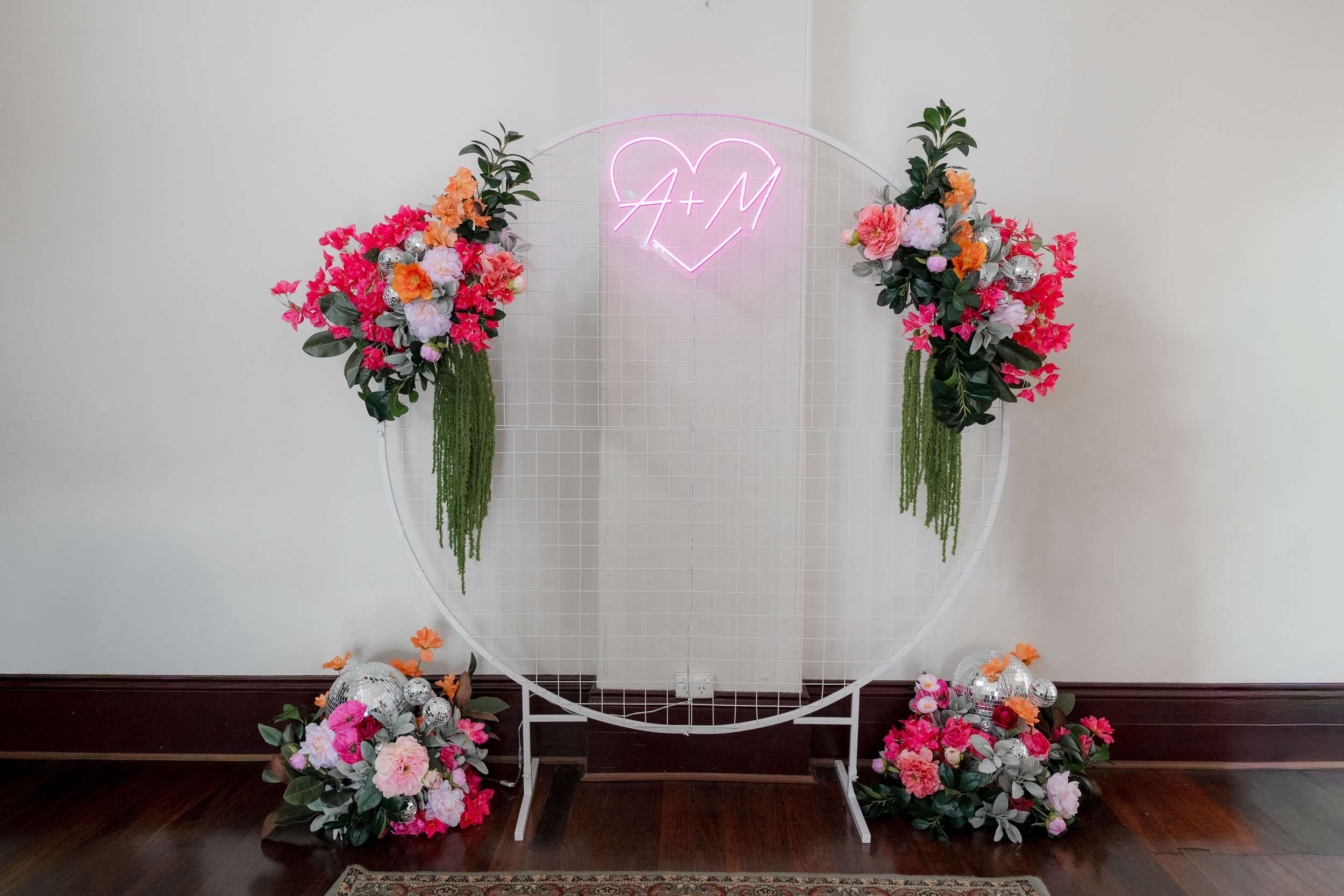
The landscape of the Australian wedding industry is witnessing a significant shift as couples increasingly prioritize personalization and fiscal responsibility over traditional formalities. In Wollongong, New South Wales, the recent nuptials of Alexandra and Matthew have emerged as a primary case study for this evolving trend. By eschewing the standard "white wedding" template in favor of a concept described as a "high school disco meets Mardi Gras," the couple successfully executed a highly personalized event on a budget of $10,000—a figure significantly below the national average.
The Strategic Rejection of Traditional Wedding Norms
The planning process for Alexandra and Matthew was defined by a pivot away from the industry-standard expectations that often dictate the structure of modern ceremonies. Alexandra, who operates within the wedding industry as a professional celebrant, utilized her insider knowledge to identify which traditional elements were essential and which were superfluous. The couple’s primary objectives were the inclusion of their domestic animals, a relaxed atmosphere for their guests, and a timeline that concluded in the late afternoon.
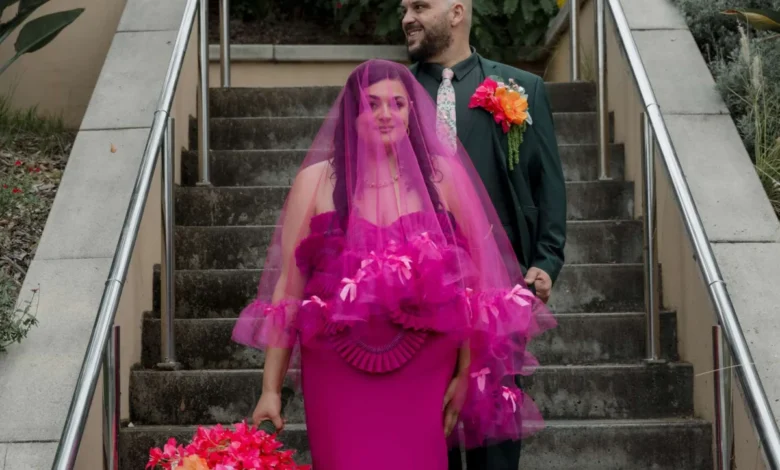
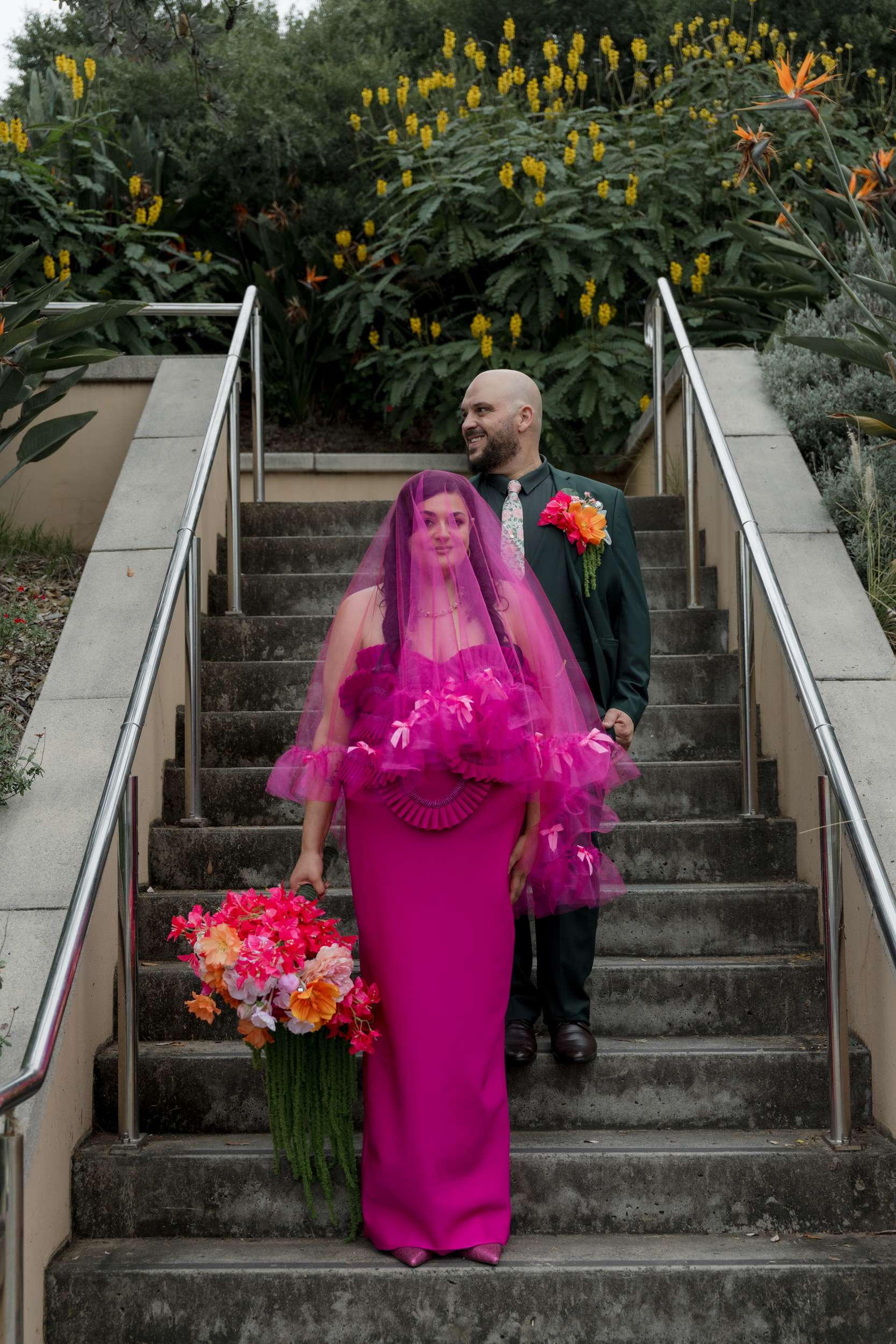
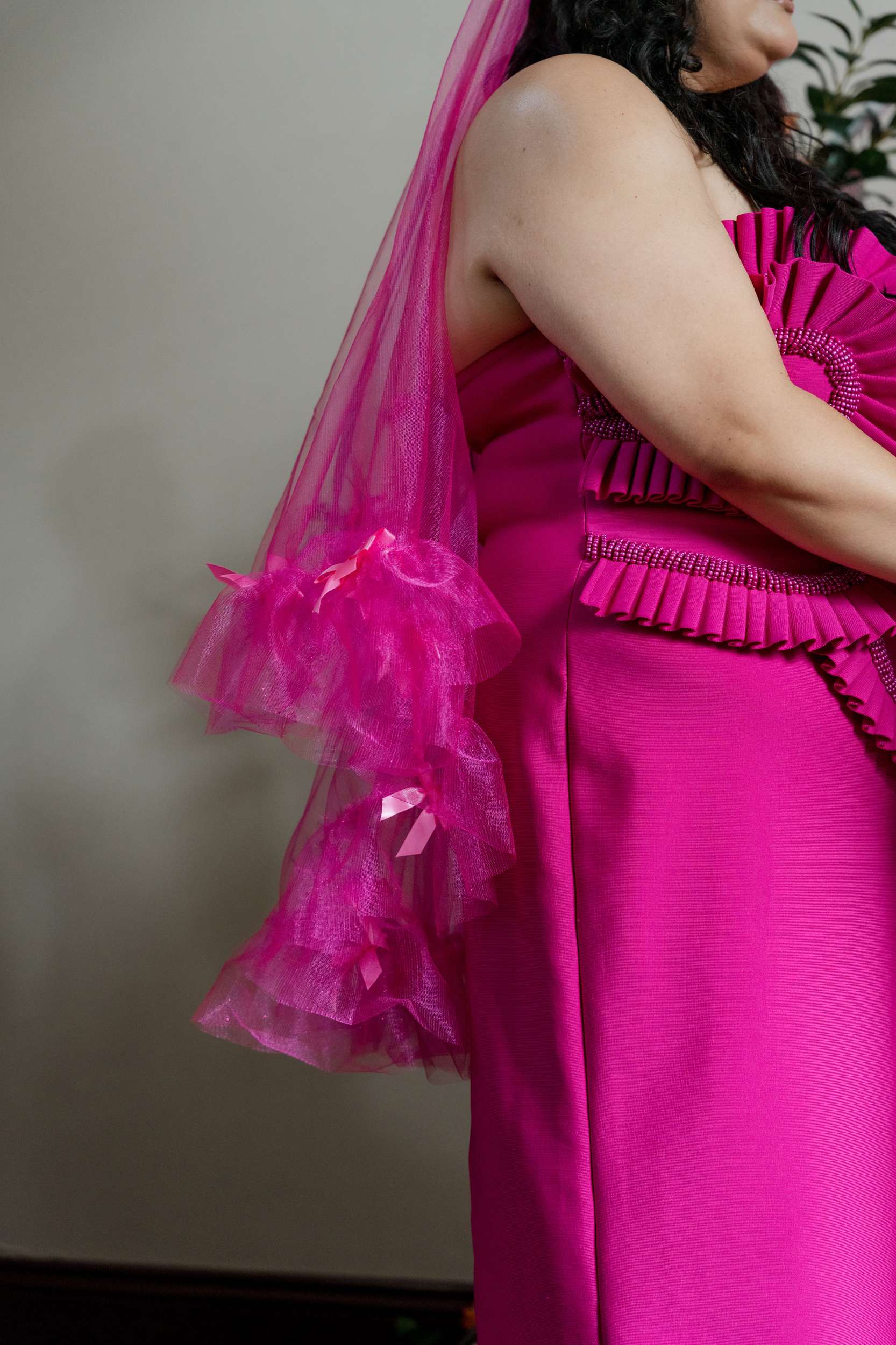
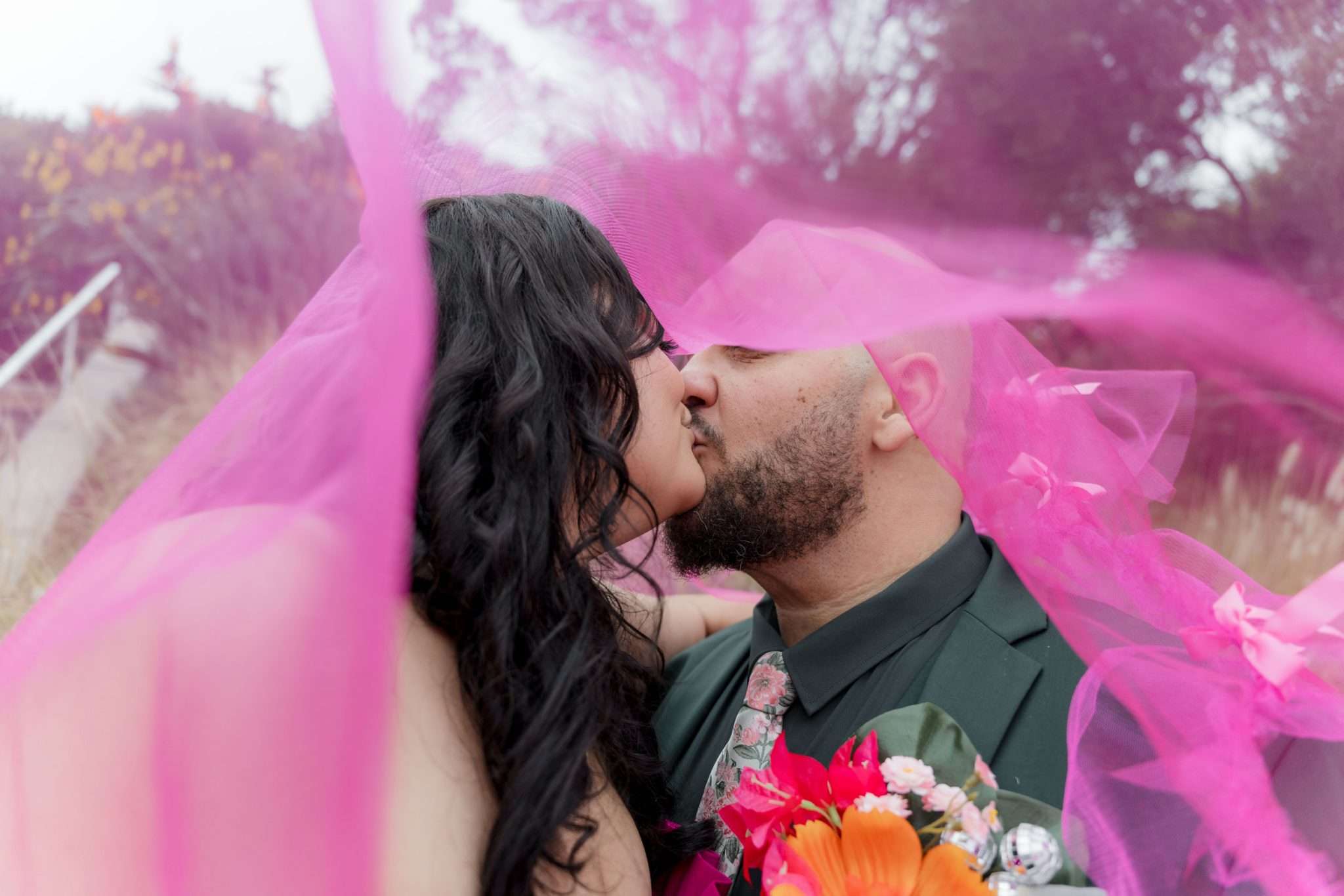
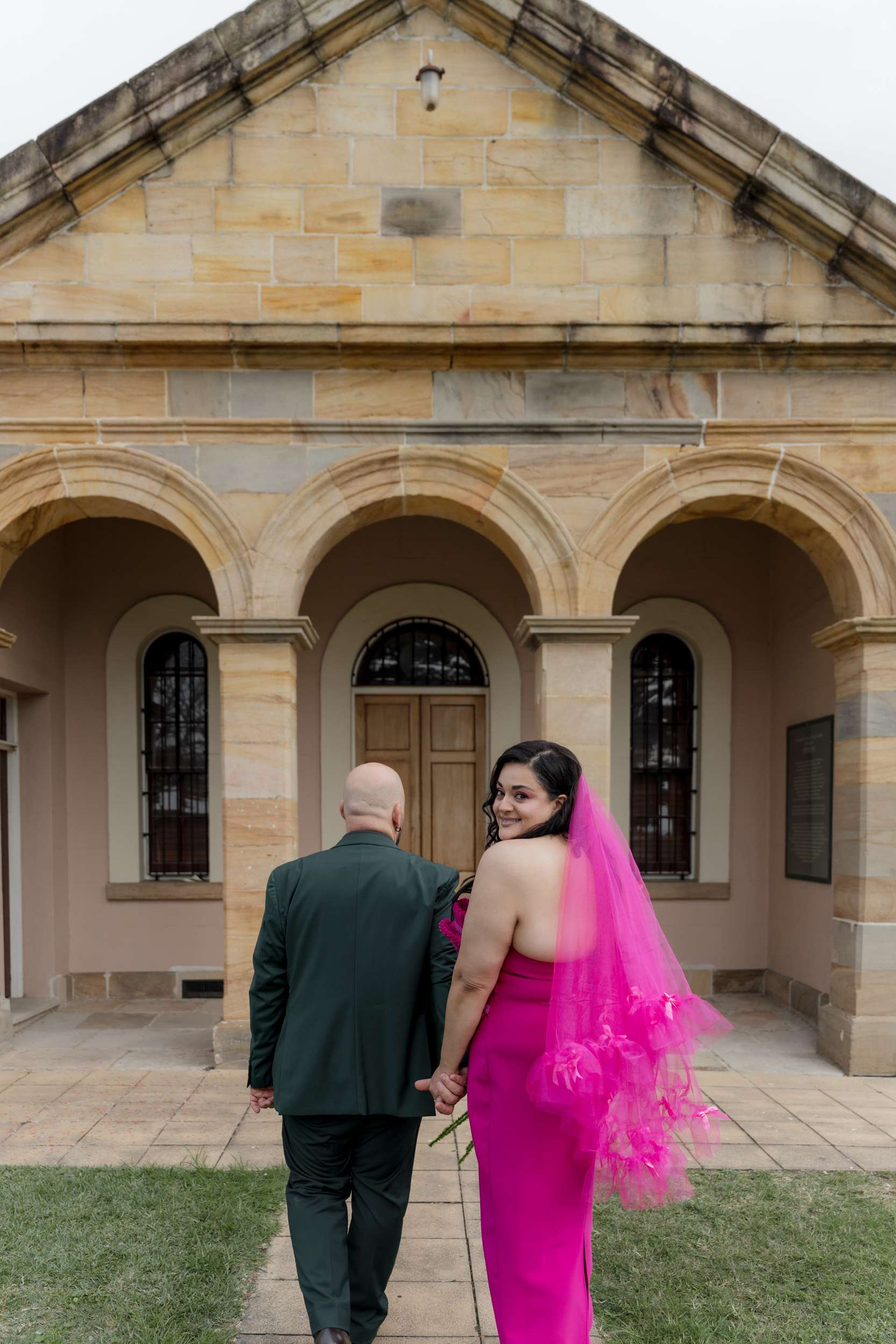
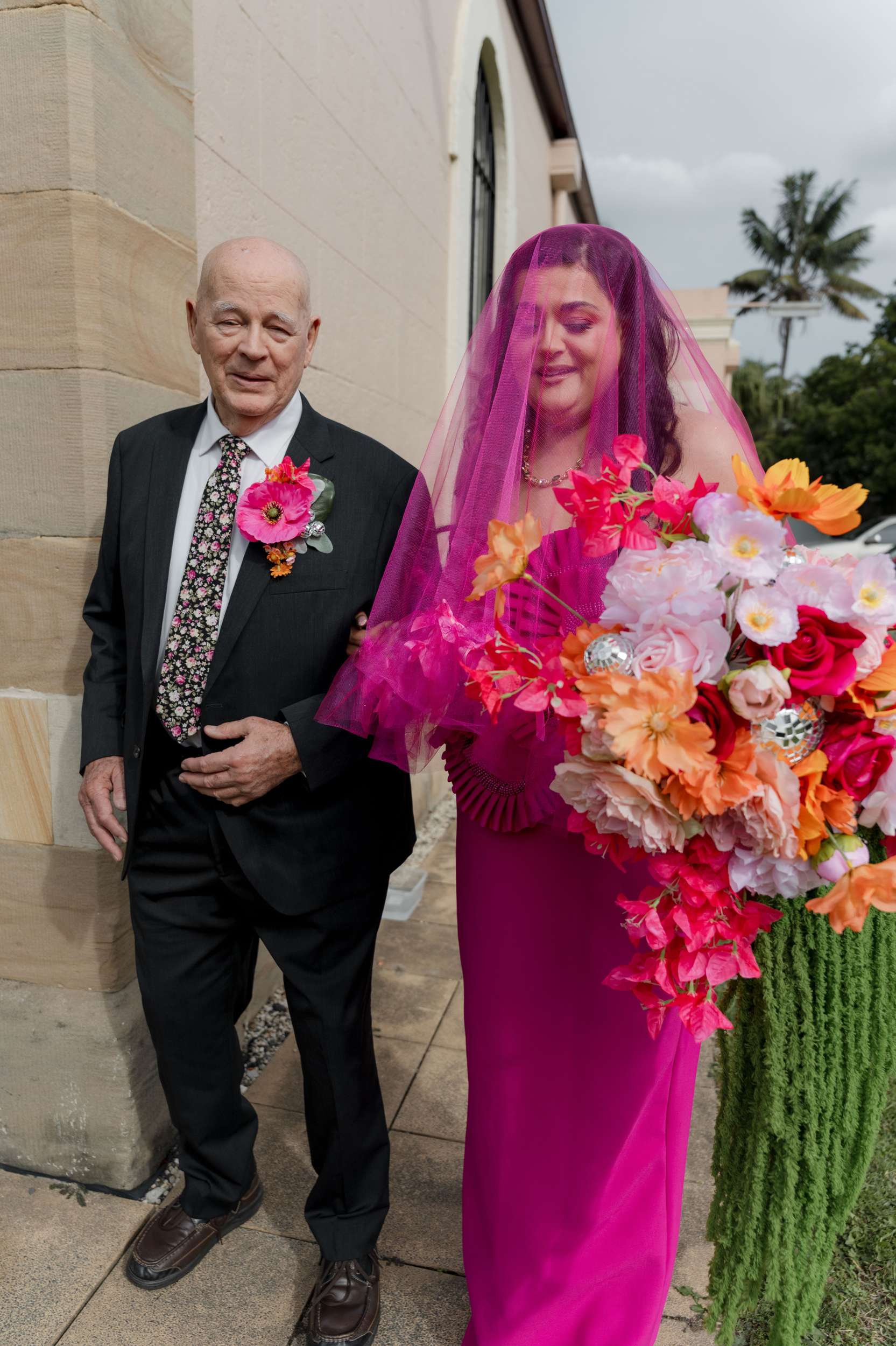
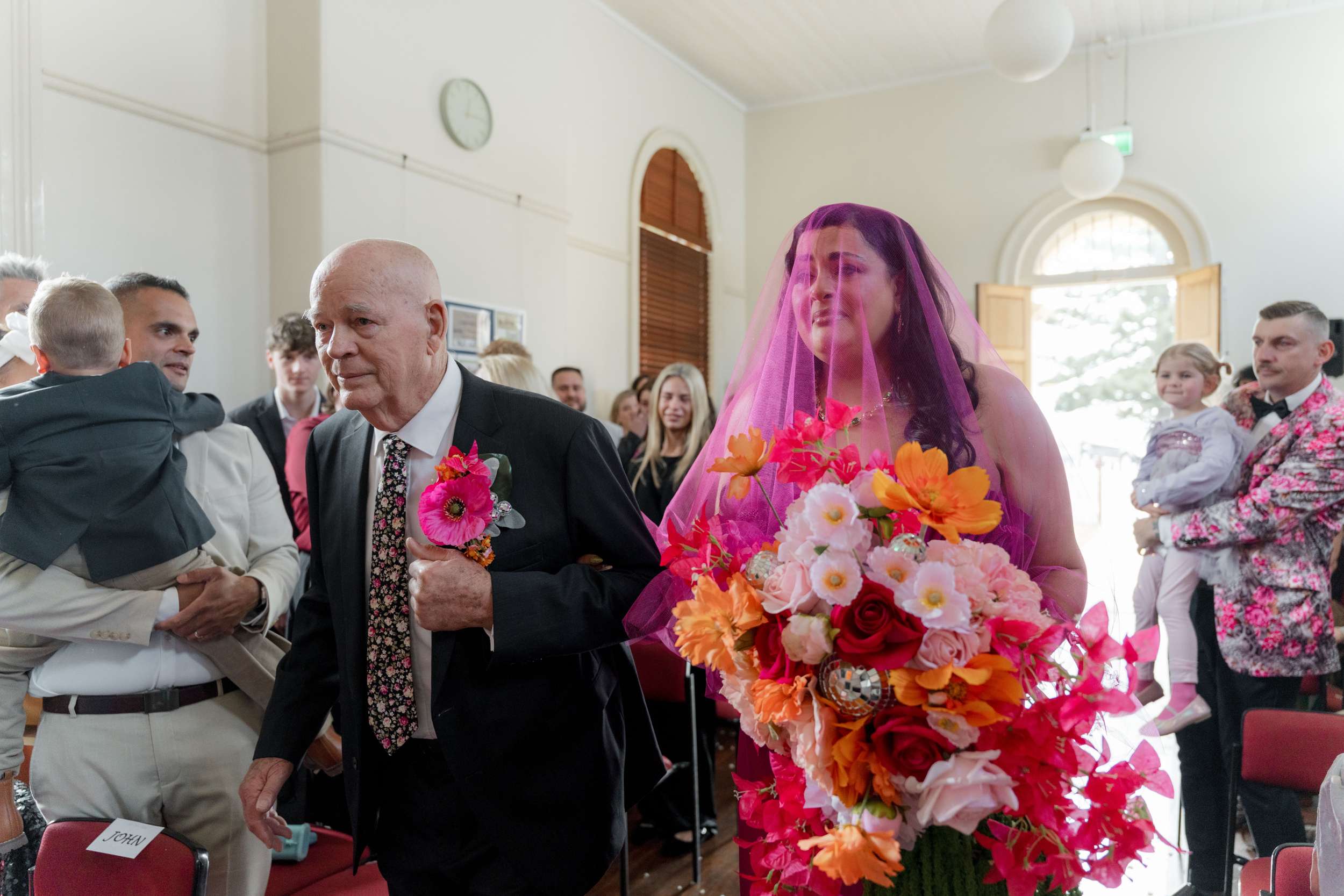
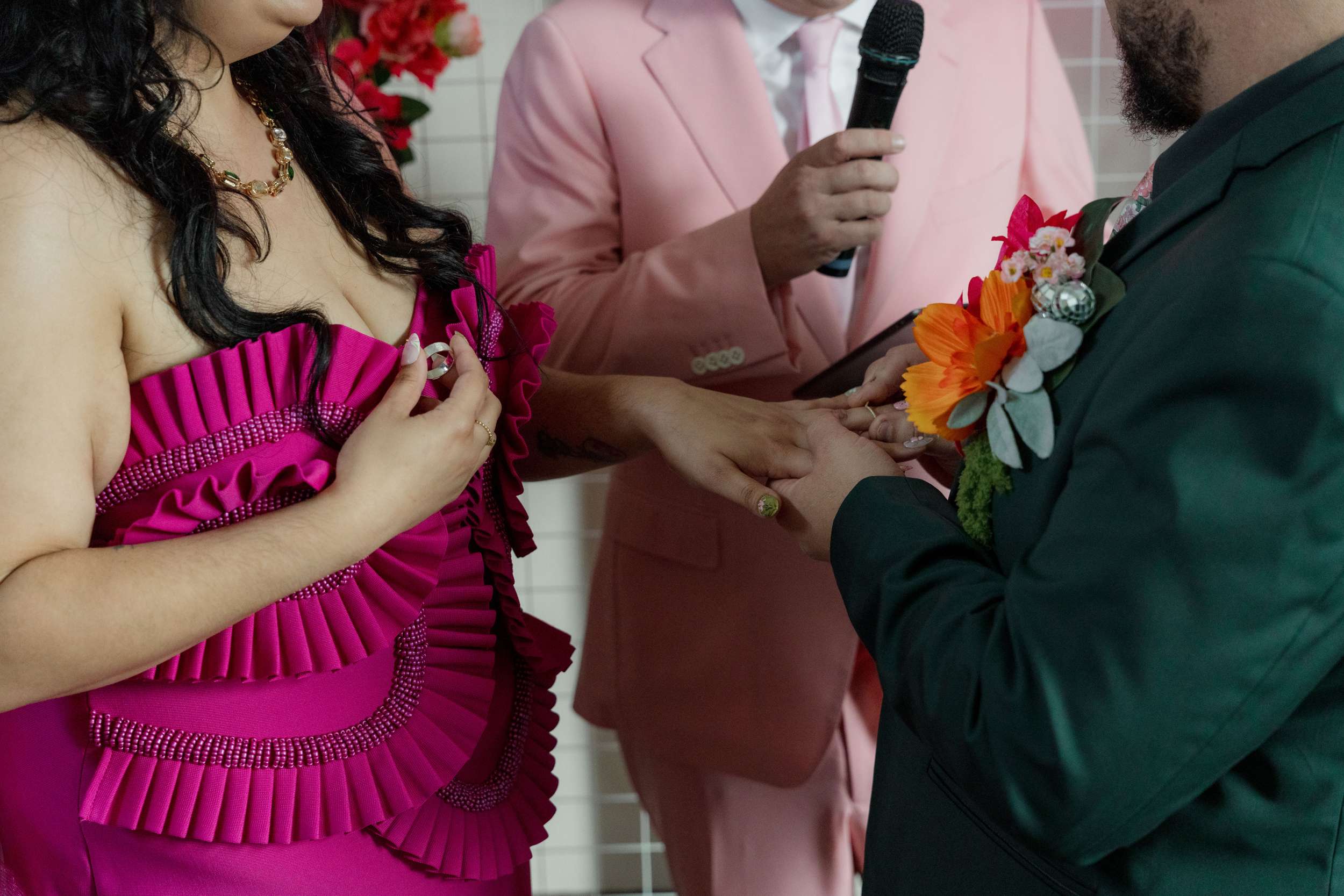
This departure from the "traditional bridal experience" was most evident in the procurement of the bridal attire. Rather than engaging with high-end boutiques where gowns often range from $2,000 to $5,000, Alexandra purchased a hot pink dress from the online retailer Fashion Nova for $150. This choice, supplemented by a custom veil from Lovesick Rebel, underscored a broader movement toward "high-low" fashion in the wedding sector, where budget-friendly garments are elevated by bespoke accessories.
Financial Analysis and Resource Management
The $10,000 budget allocated for the event represents a stark contrast to the broader economic reality of weddings in Australia. According to 2023 data from industry analysts, the average cost of a wedding in Australia fluctuates between $34,000 and $36,000. By delivering a full-scale event for less than a third of the national average, the couple demonstrated several cost-saving strategies that are gaining traction in the current inflationary environment.
Key financial optimizations included:
- Decor Sourcing: The majority of the event’s aesthetic elements were acquired through Facebook resale groups, tapping into the circular economy of the wedding industry.
- Media Strategy: In lieu of a traditional videographer, which can cost several thousand dollars, the couple hired a specialized content creator to capture social-media-ready footage at a lower price point.
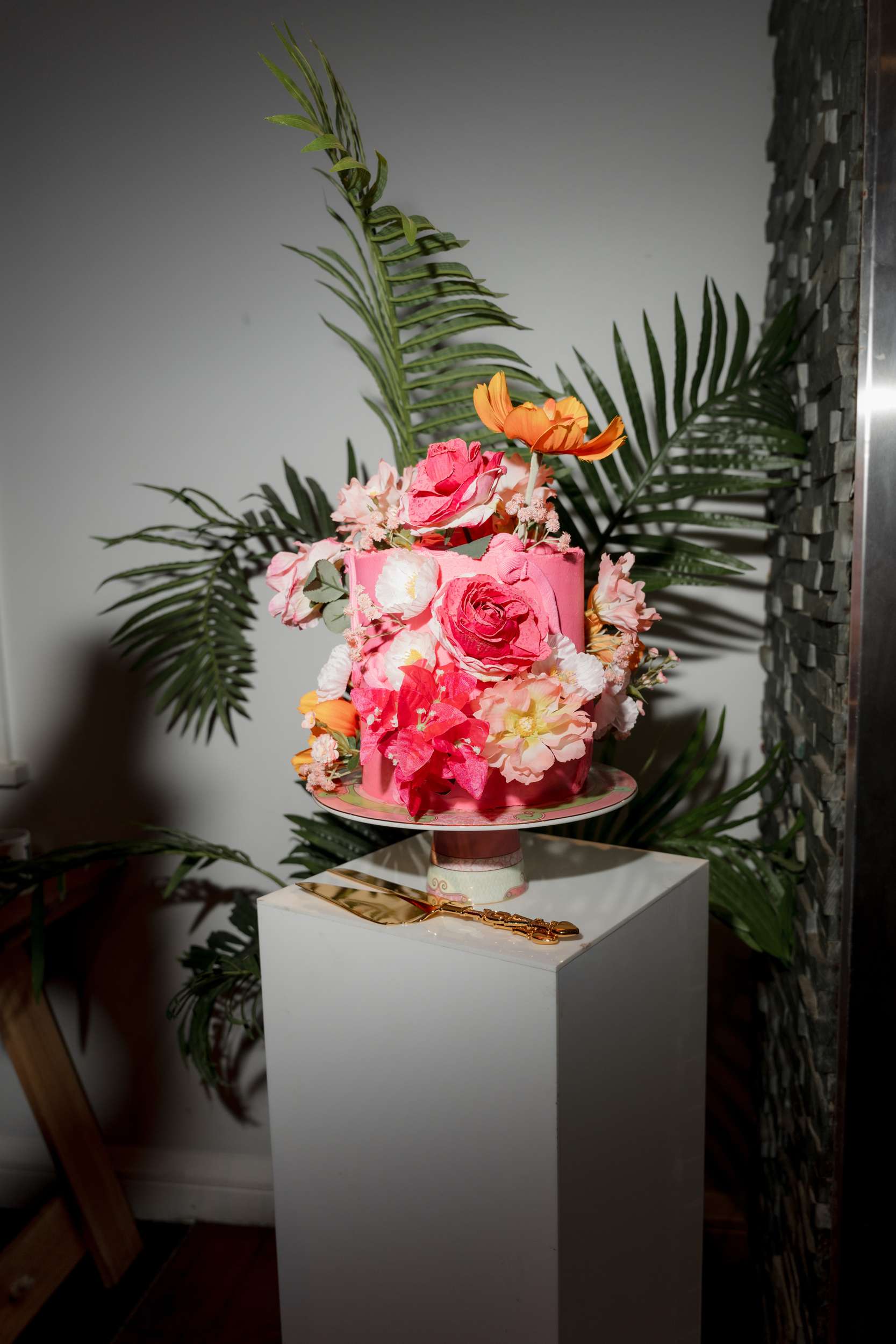
- Floral Minimalization: By opting for faux floral arrangements created by a bridesmaid—the owner of Betty Blooms Co.—the couple eliminated the high costs associated with fresh, seasonal blooms.
- Venue Choice: Utilizing a public house (pub) for the reception allowed for a more flexible catering model based on canapés and a bar tab rather than a formal sit-down multi-course meal.
Chronology of the Event
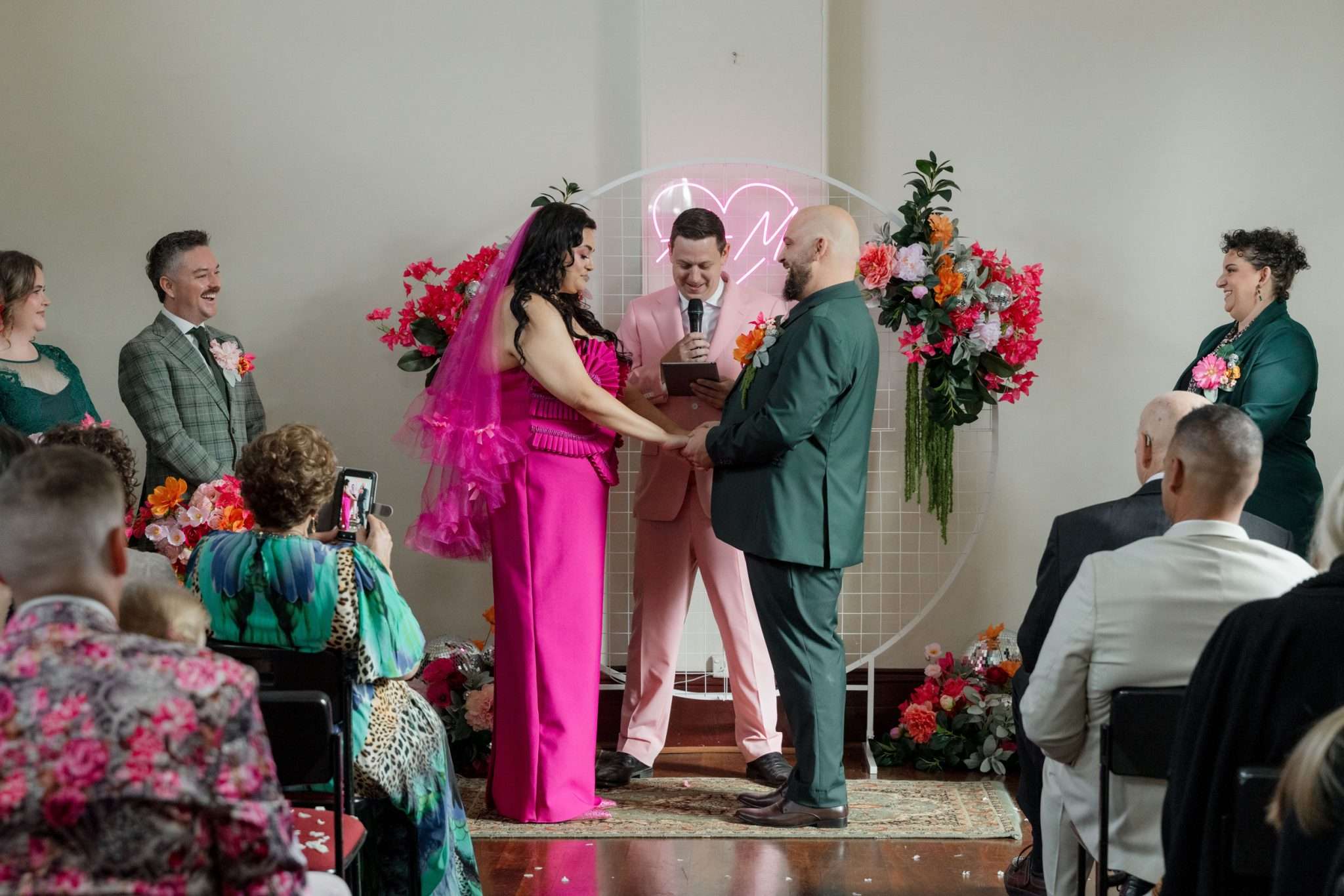
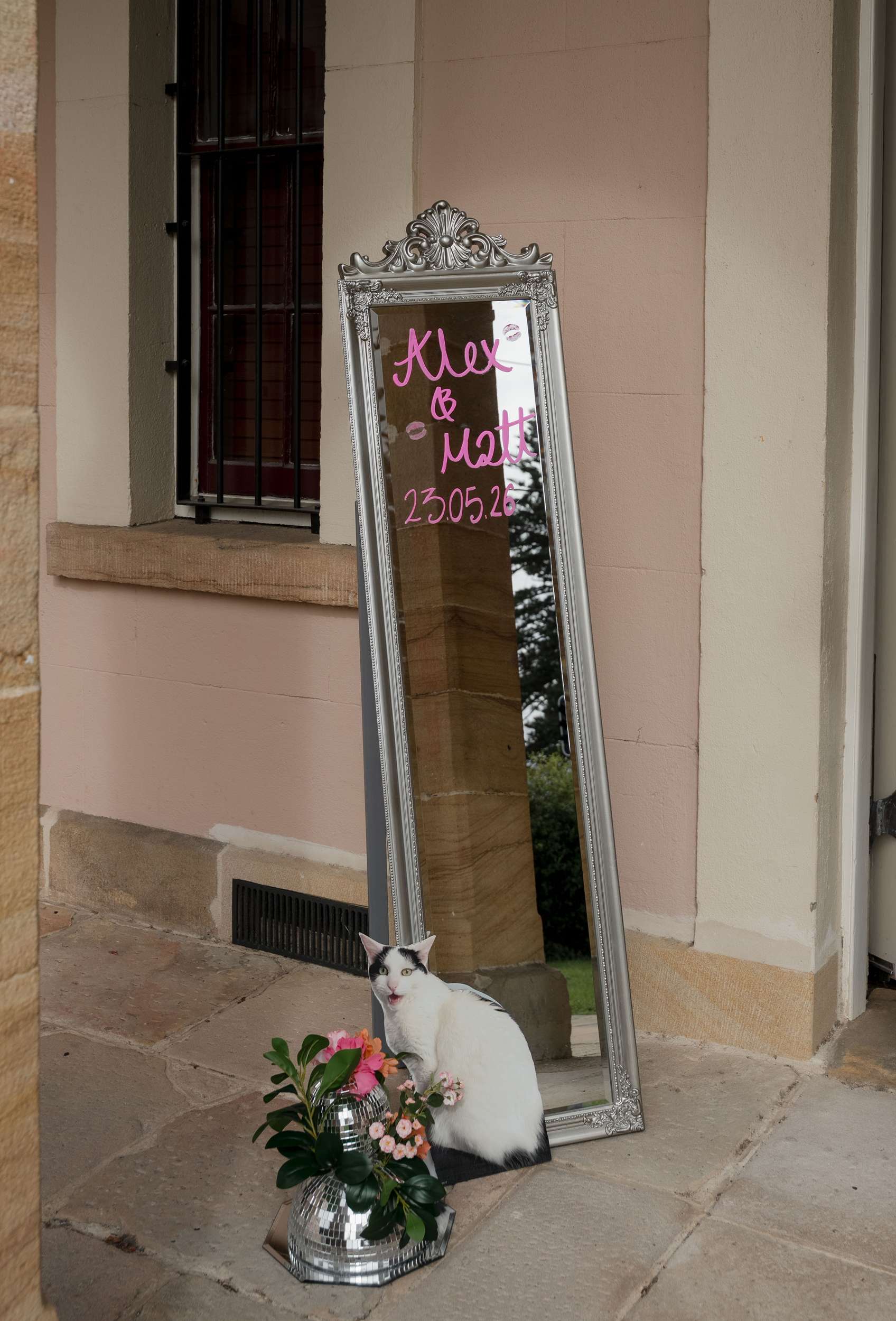
The wedding took place on a Friday in Wollongong, beginning at the Old Courthouse, a historic venue that provided a structured backdrop for the eclectic ceremony.
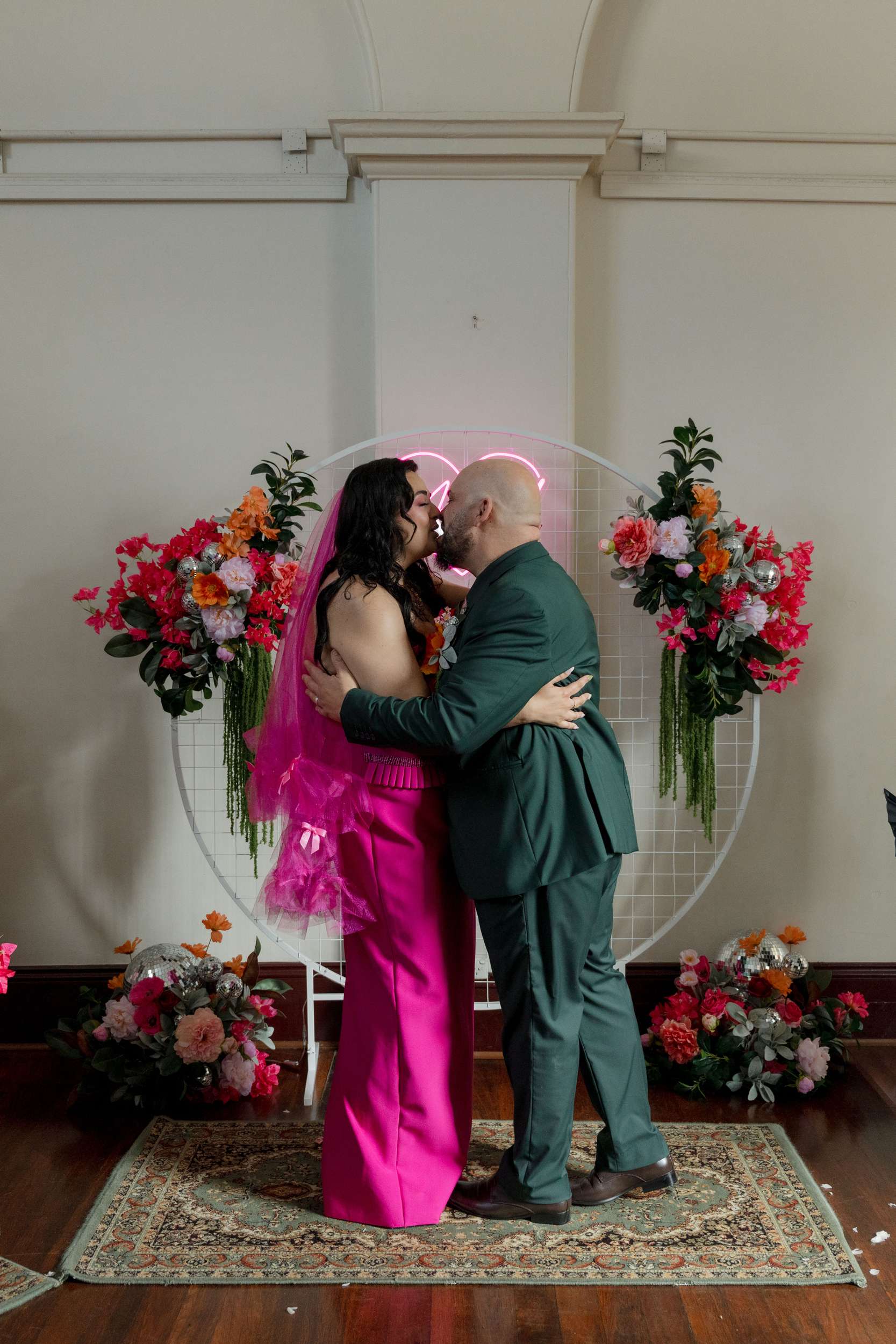
The Ceremony (2:00 PM – 3:00 PM)
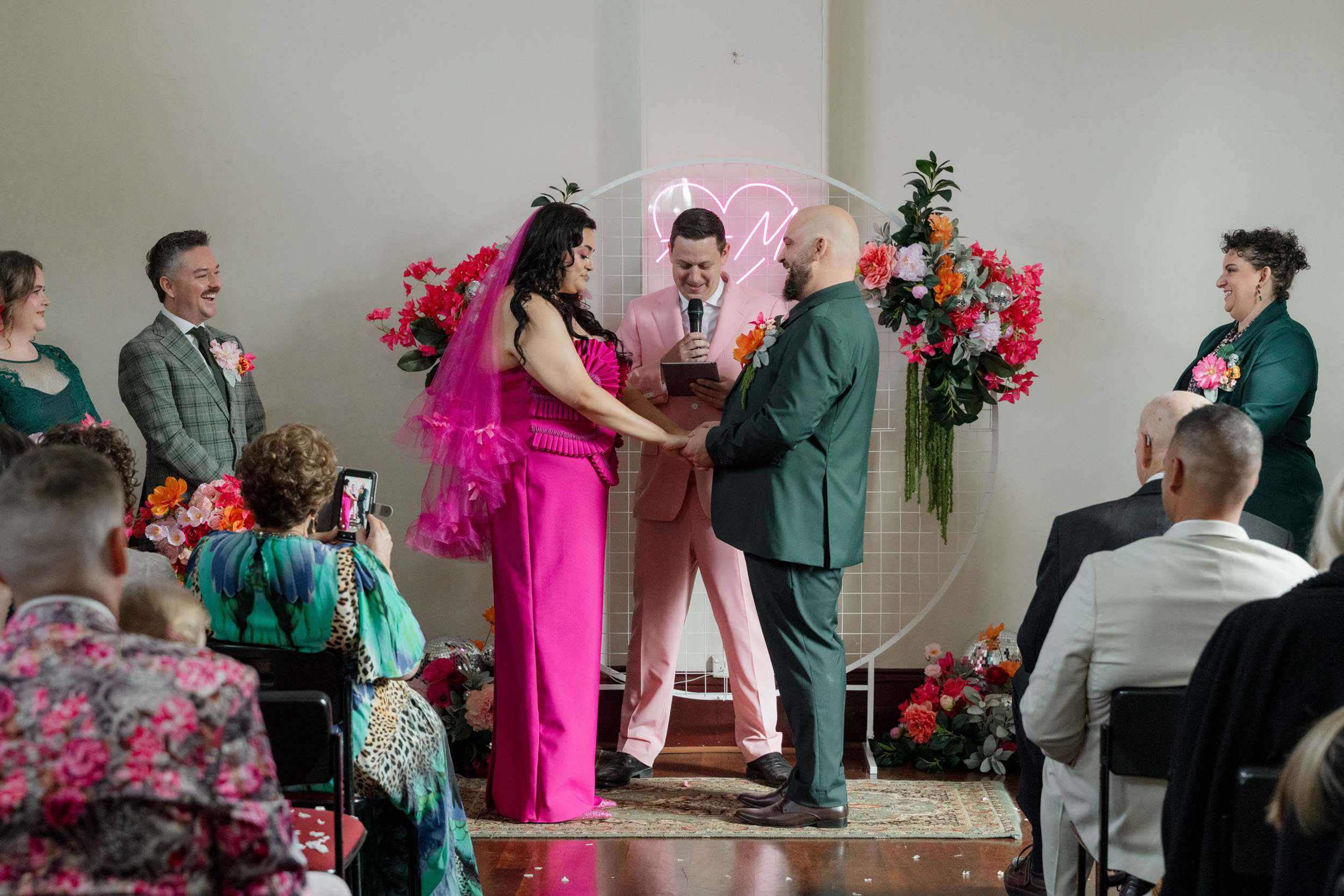
The ceremony was officiated by Paddy Brandtman, a colleague and friend of the bride. The proceedings were characterized by several non-traditional roles:
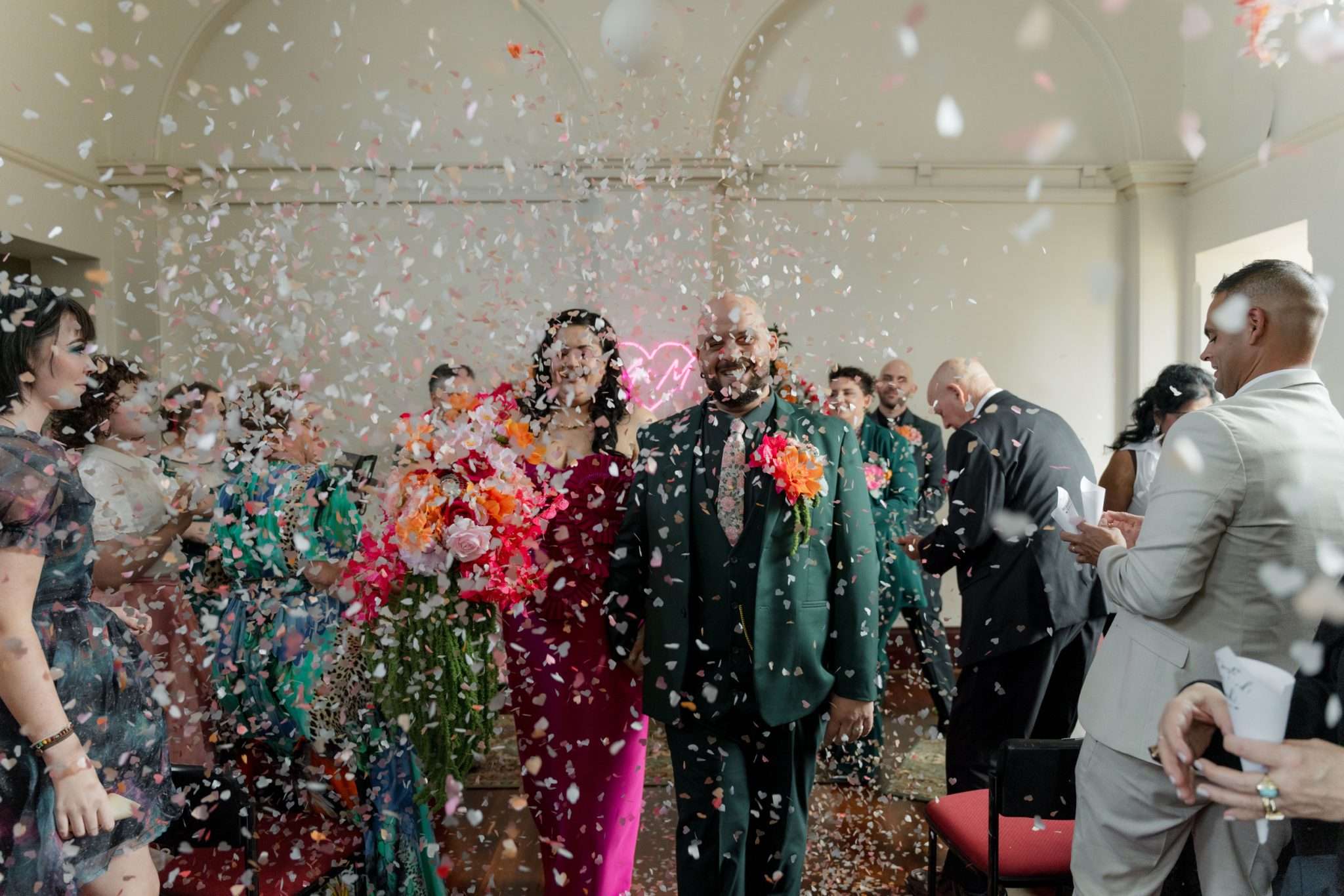
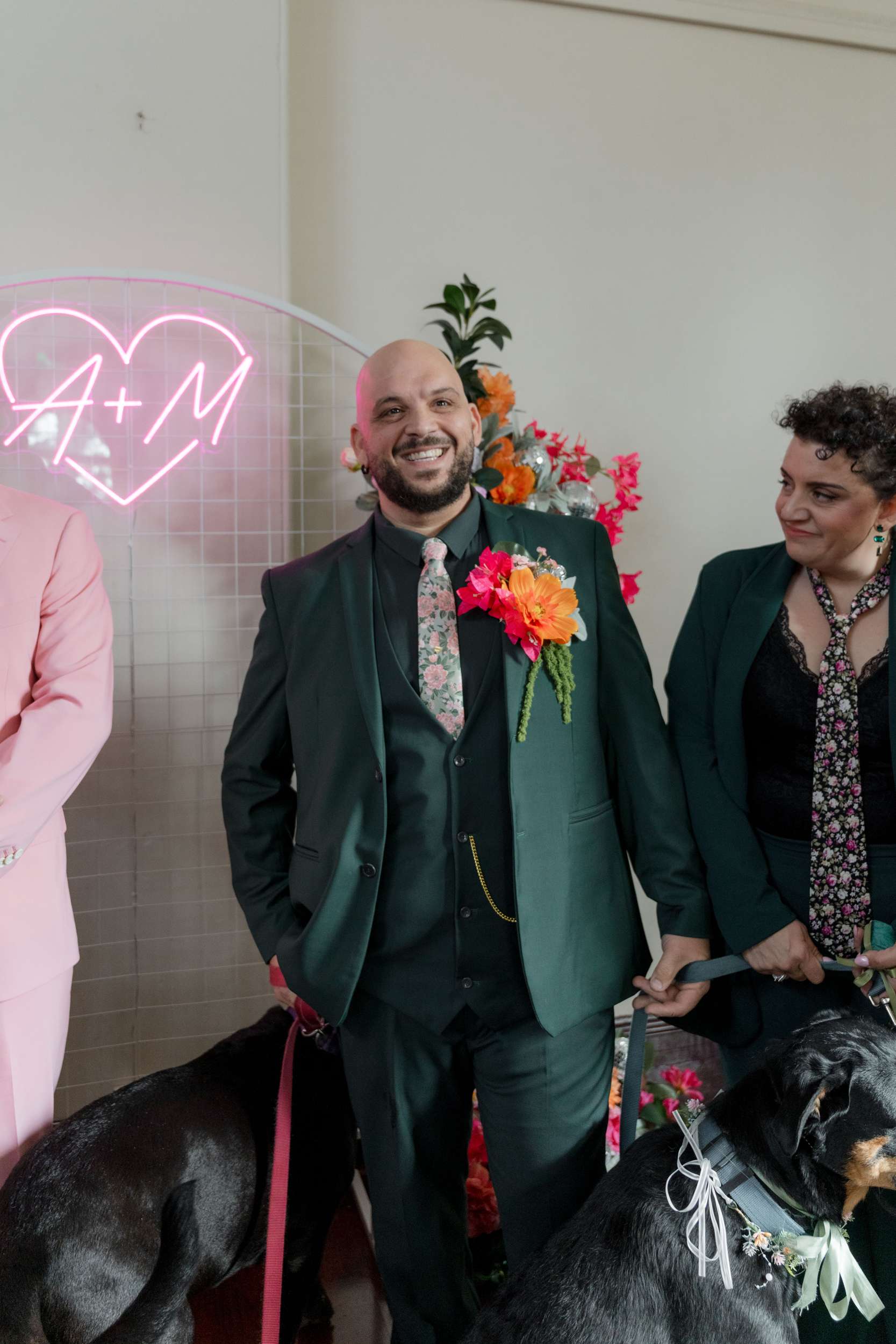
- Bark Bearers: The couple’s dogs, Delilah and Barry, were integrated into the official party.
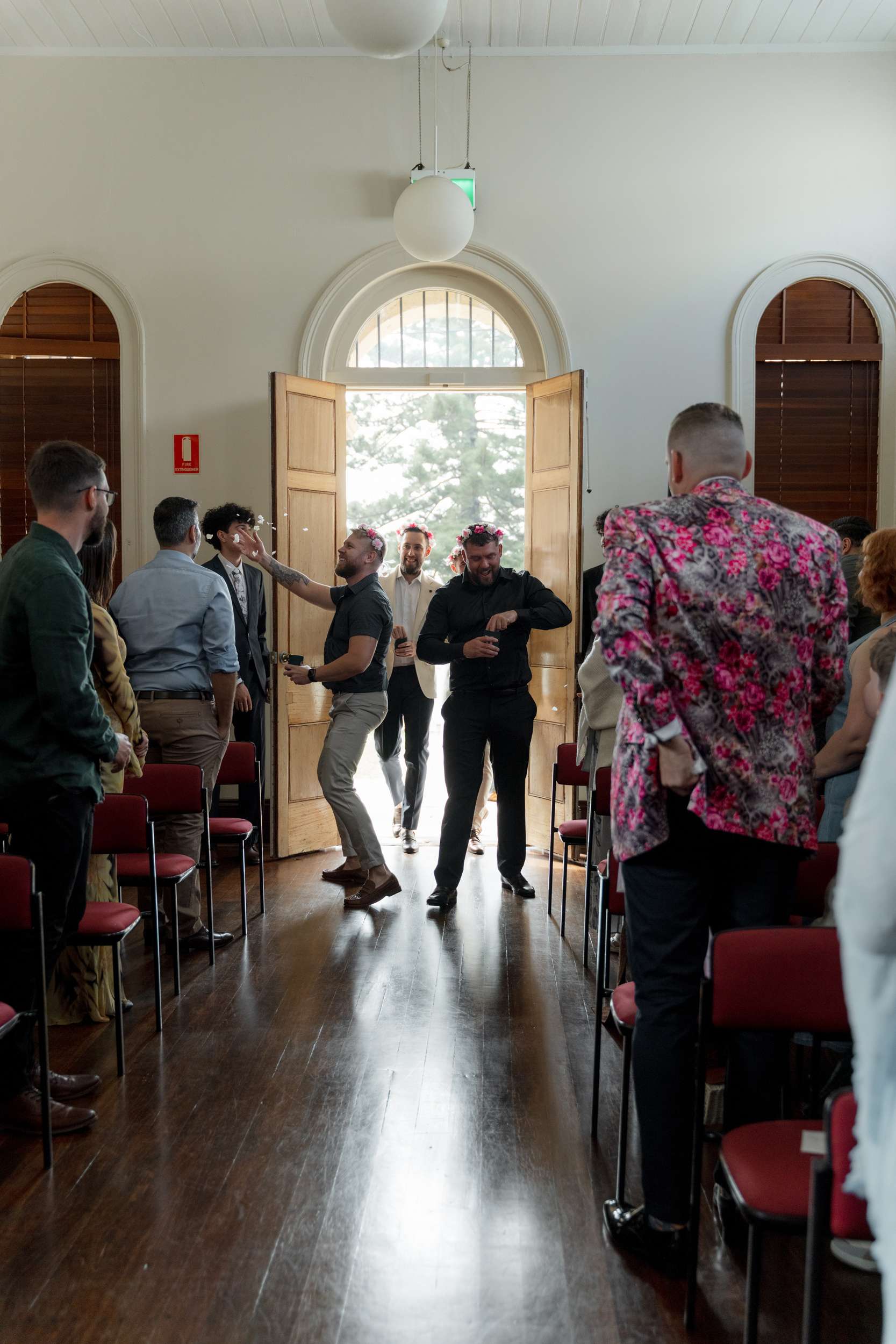
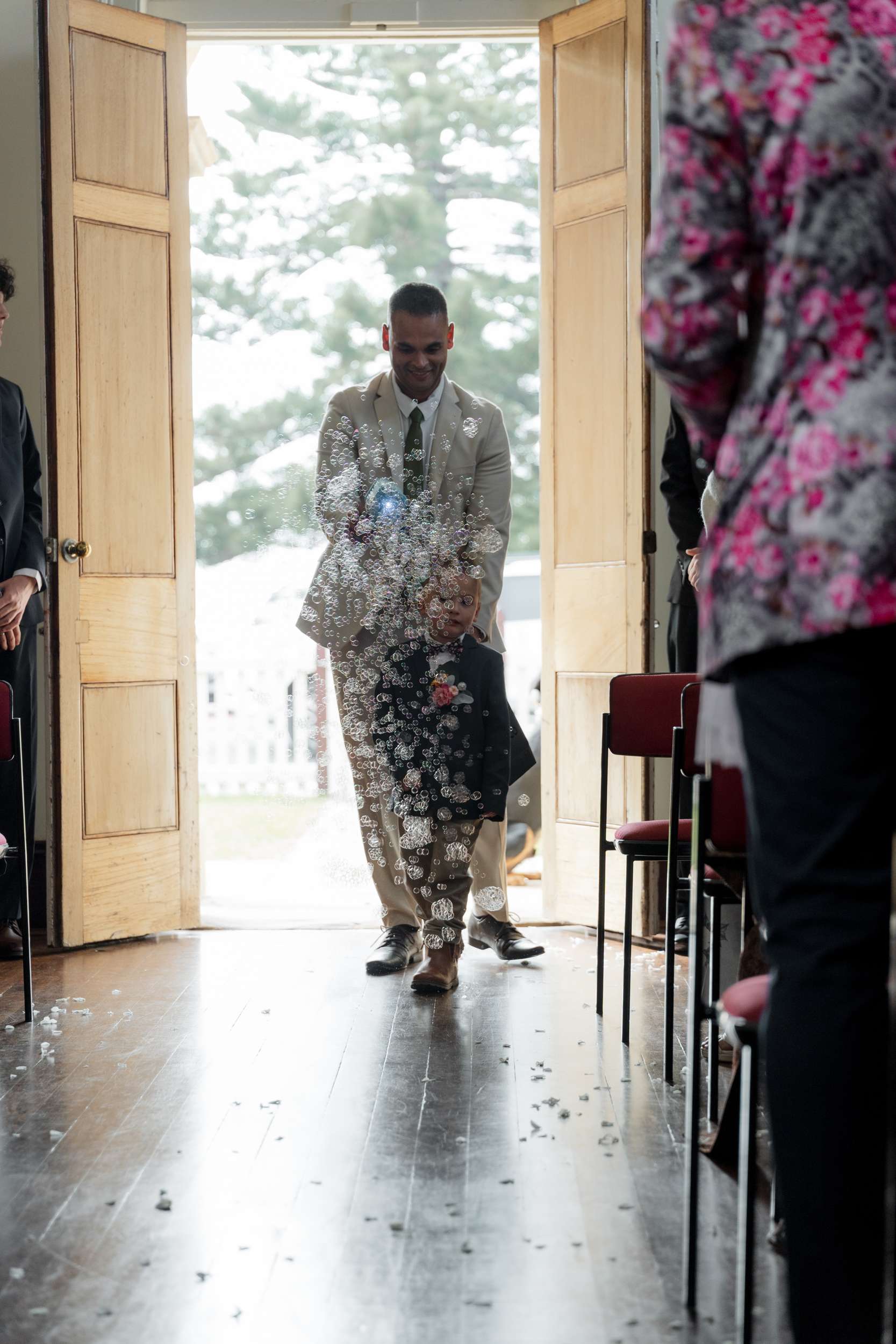
- Flower Boys: Four male friends, adorned in pink flower crowns, performed the traditional petal-scattering role.
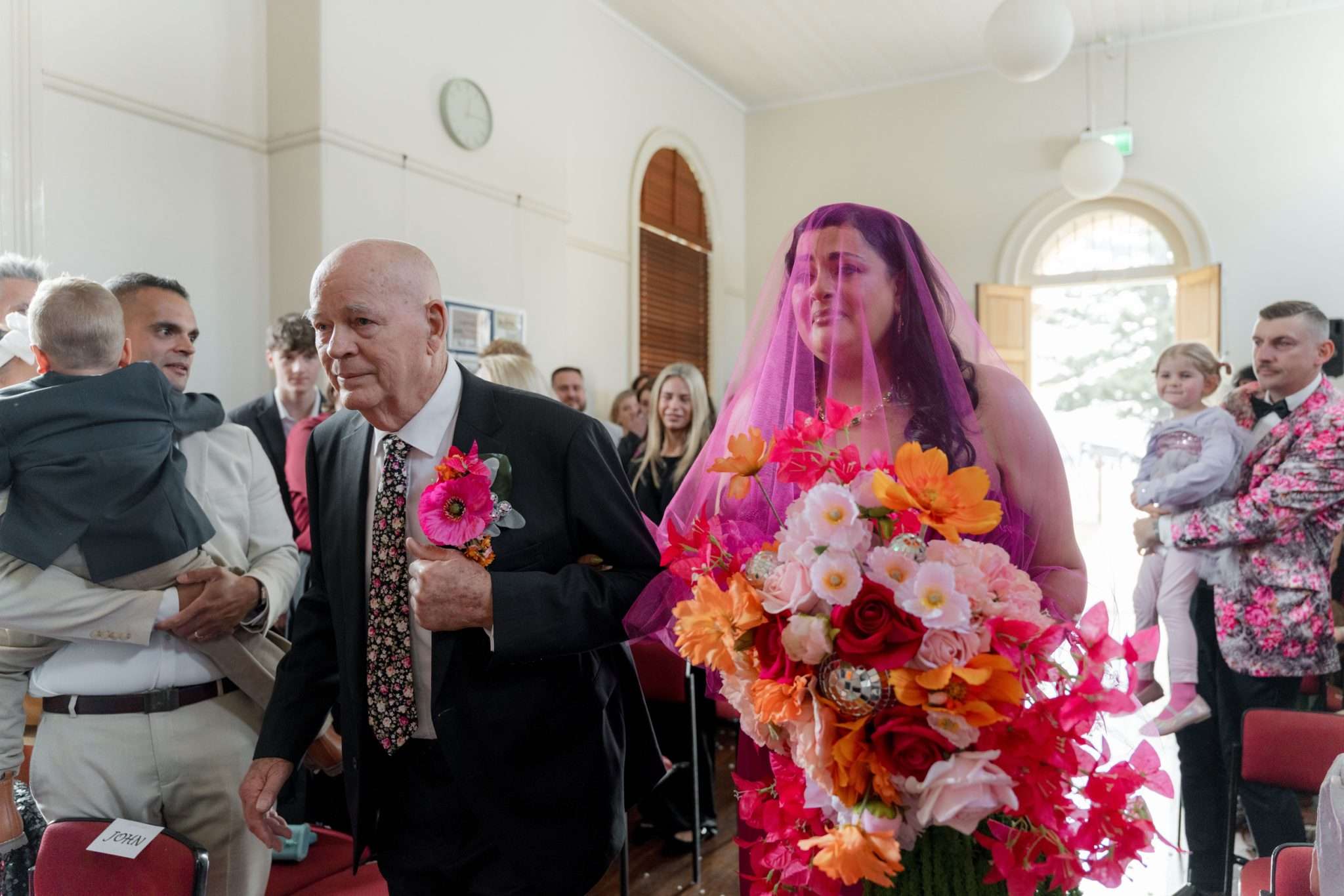
- Processional: Alexandra entered to a live rendition of Tina Turner’s The Best, a choice inspired by the television program Schitt’s Creek.
The vows included a surprise pop-culture reference from Matthew, who quoted the character Spike from Buffy the Vampire Slayer. This moment was cited by the couple as a highlight of the day, emphasizing the emotional resonance of shared media interests in modern ceremonies.
The Transition and Reception (3:00 PM – 5:00 PM)
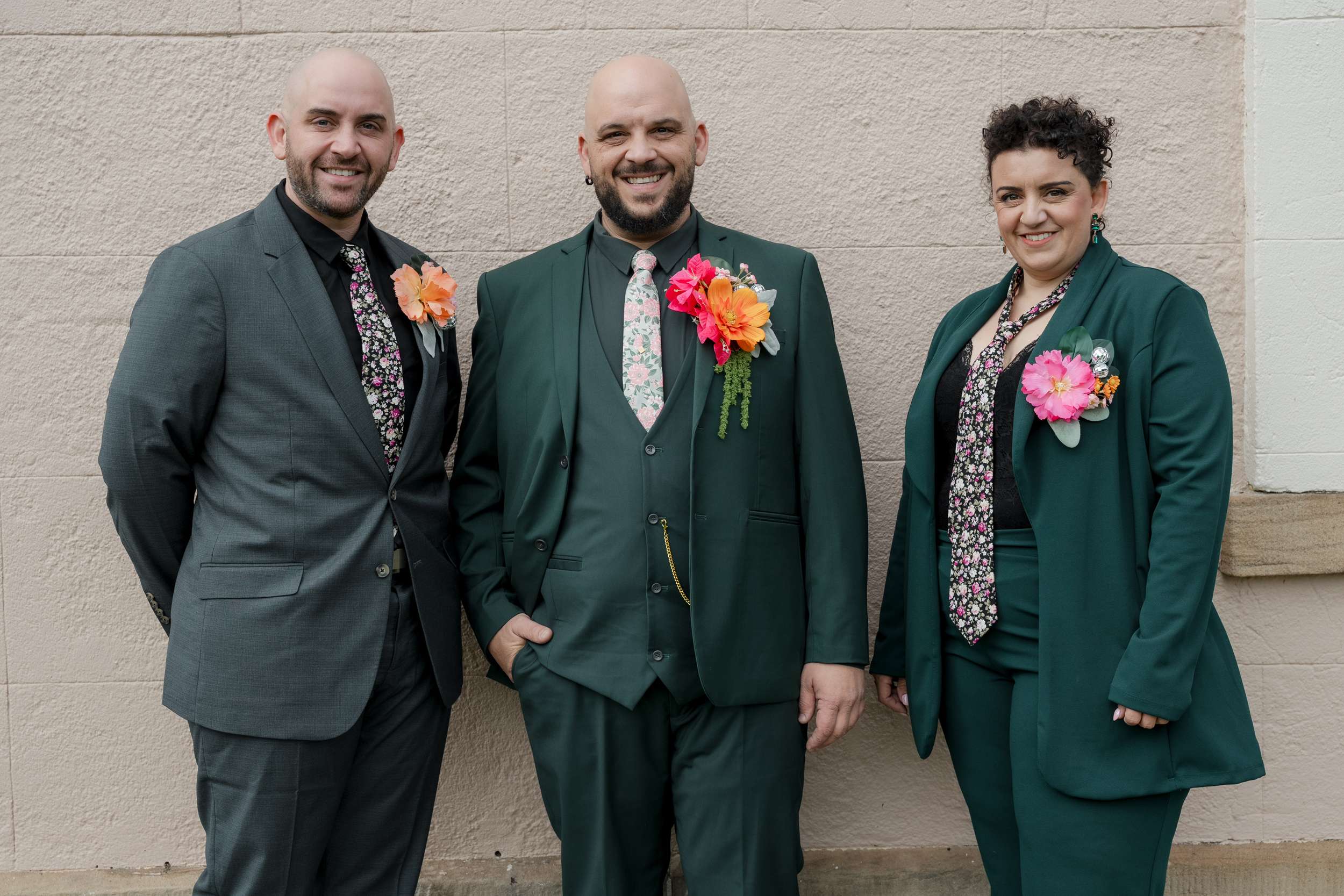
Following the ceremony, the party moved to the North Gong Hotel. The reception was designed to mimic the casual nature of an Australian afternoon at the pub, albeit with a specific aesthetic theme. The color palette was a bold mix of emerald, hot pink, baby pink, and orange.
The reception concluded strictly at 5:00 PM, a logistical choice that allowed the couple and their guests to finish the celebrations in time for dinner. This "daytime wedding" format is increasingly popular as it reduces venue hire costs and aligns with the preferences of couples who do not identify as "party animals."
Cultural and Regional Integration
A notable feature of the reception was the inclusion of a "meat raffle," a staple of Australian pub culture. This traditional community activity was adapted for the wedding, with a local butcher providing the primary prize tray. This served as a cultural touchstone, grounding the avant-garde "Mardi Gras" theme in local traditions.
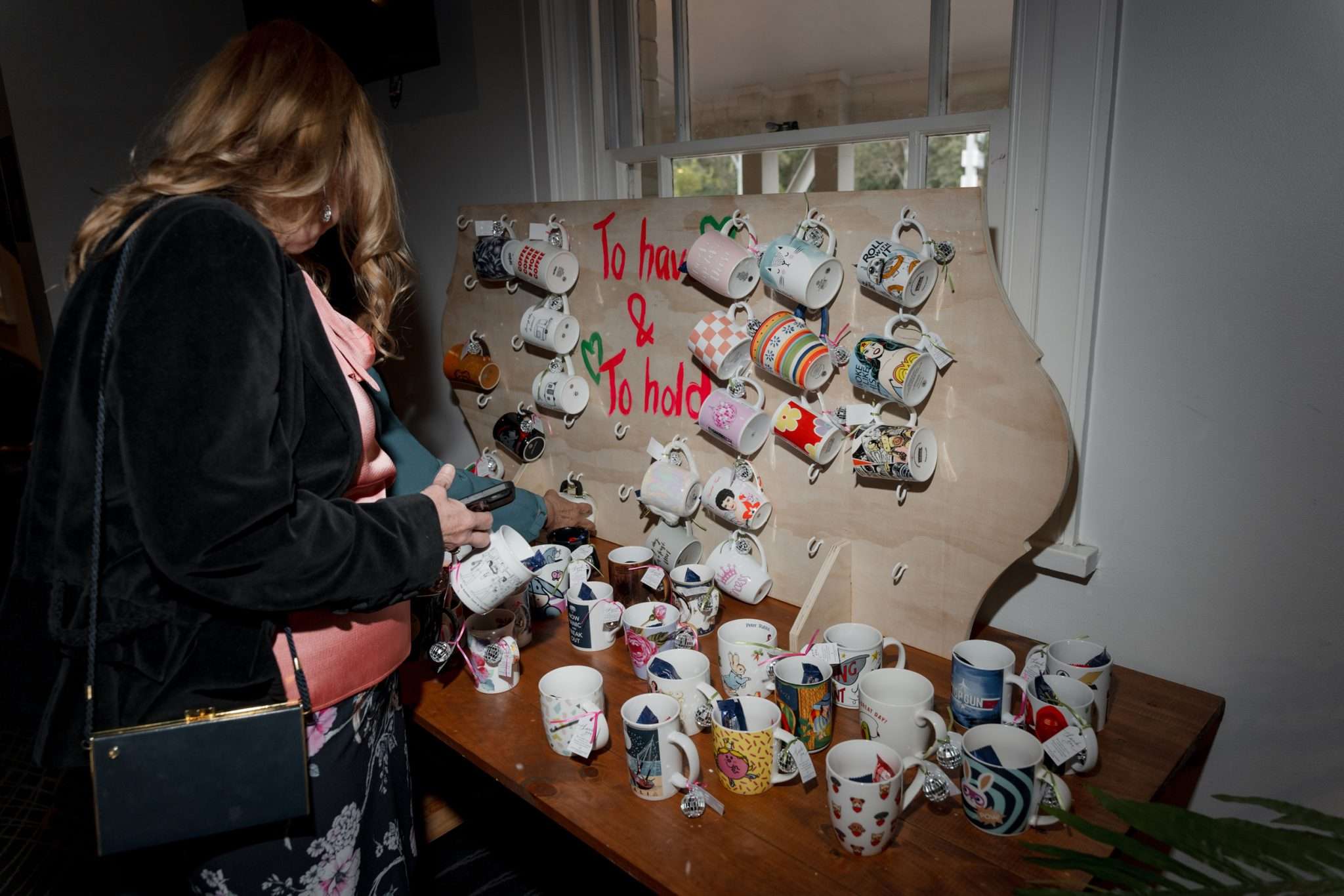
Furthermore, the couple emphasized guest interaction through a "kitsch mug" wall. Each guest was invited to take home a vintage or unusual mug as a favor, accompanied by a handwritten note and chocolate. This approach to guest favors prioritizes sentimentality and utility over the standard, often discarded, wedding trinkets.
Industry Perspectives and Professional Reflections
As a celebrant, Alexandra’s perspective on the wedding provides an professional critique of the industry. She noted that while her wedding was budget-conscious, it was not an attempt to devalue the work of wedding professionals.
"Wedding vendors charge what they do because of the work they put into your big day," Alexandra stated. "It’s important to remember that this is someone’s livelihood. They cost that much because they are amazing at what they do."
This statement highlights a tension within the modern wedding market: the struggle between rising consumer costs and the fair compensation of skilled artisans. The couple’s strategy was not to underpay professionals, but rather to select which professional services were necessary for their specific vision.
Broader Socio-Economic Implications
The success of this $10,000 wedding in Wollongong reflects several broader socio-economic shifts in the 2020s.
1. The Rise of the "Micro-Experience"
While the guest list remained substantial, the "micro-experience" refers to the condensed timeline and the focus on specific, high-impact personal touches rather than a broad, expensive "luxury" package.
2. Normalization of Non-Traditional Attire
The choice of a $150 hot pink dress suggests a decline in the social pressure to spend thousands on a single-use white gown. This trend is supported by the growth of fast-fashion and "ready-to-wear" bridal lines that cater to Gen Z and Millennial demographics.
3. The "Pet-Inclusive" Wedding Market
The inclusion of dogs as "bark bearers" reflects a significant demographic shift where pets are increasingly viewed as integral family members. This has created a niche market for pet-sitting services and pet-friendly wedding venues.
4. The Stigma of the "Non-Traditional"
Alexandra addressed the social perception of "alternative" weddings, noting that there is often a stigma that such couples are merely "trying to be different." She argued that these choices are actually an exercise in authenticity. As more couples opt for pub receptions and colorful attire, the definition of what constitutes a "real" wedding is expanding.
Analysis of the Wollongong Model
The Wollongong event demonstrates that the primary driver of wedding satisfaction is increasingly becoming "alignment with personal values" rather than "adherence to tradition." For Alexandra and Matthew, those values were family, friends, pets, and financial stability.
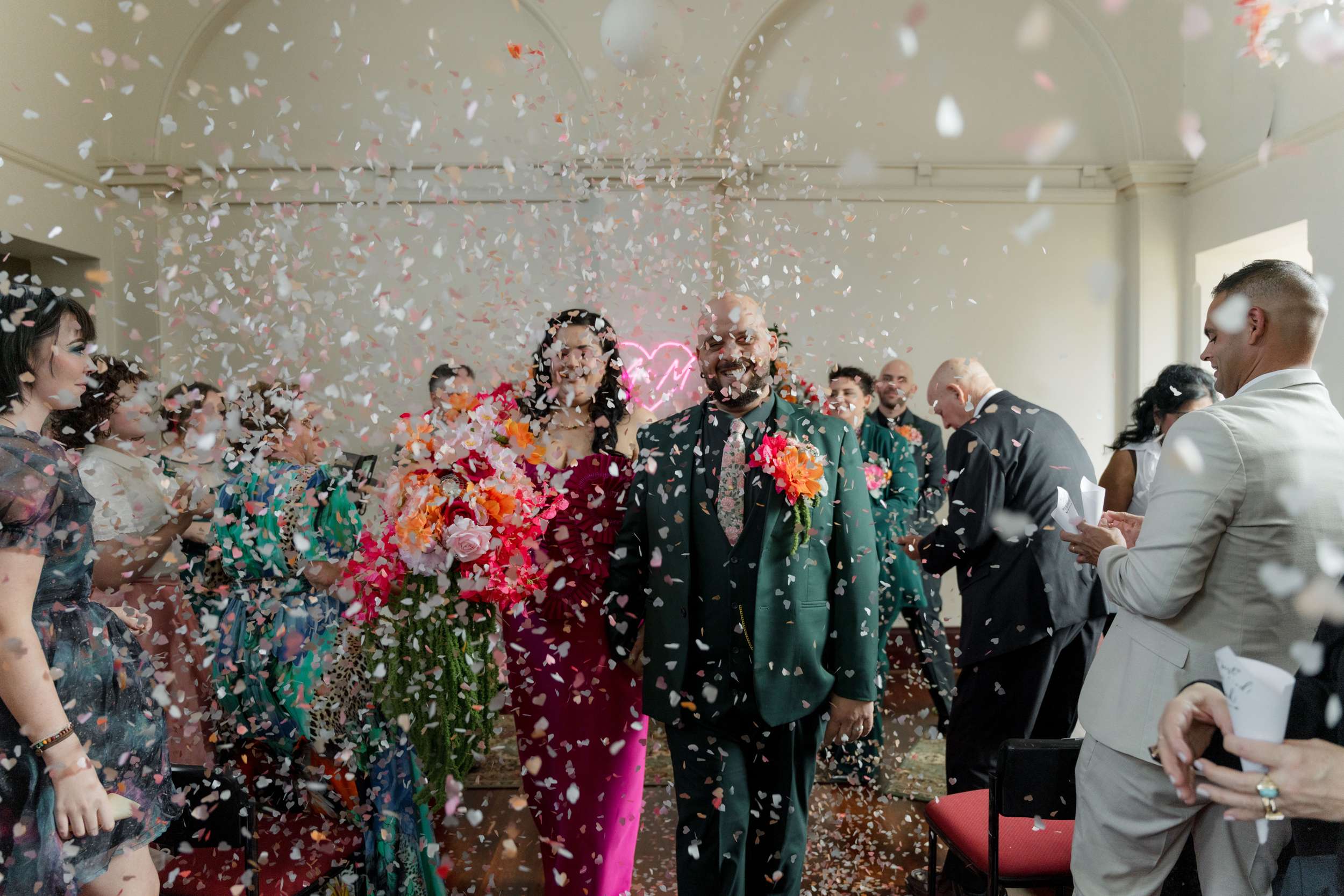
By finishing at 5:00 PM and utilizing a pub venue, the couple avoided the "wedding tax" often applied to grand ballrooms and Saturday night time slots. Their use of the Old Courthouse—a government-owned heritage site—also highlights the utility of public spaces in reducing ceremony costs.
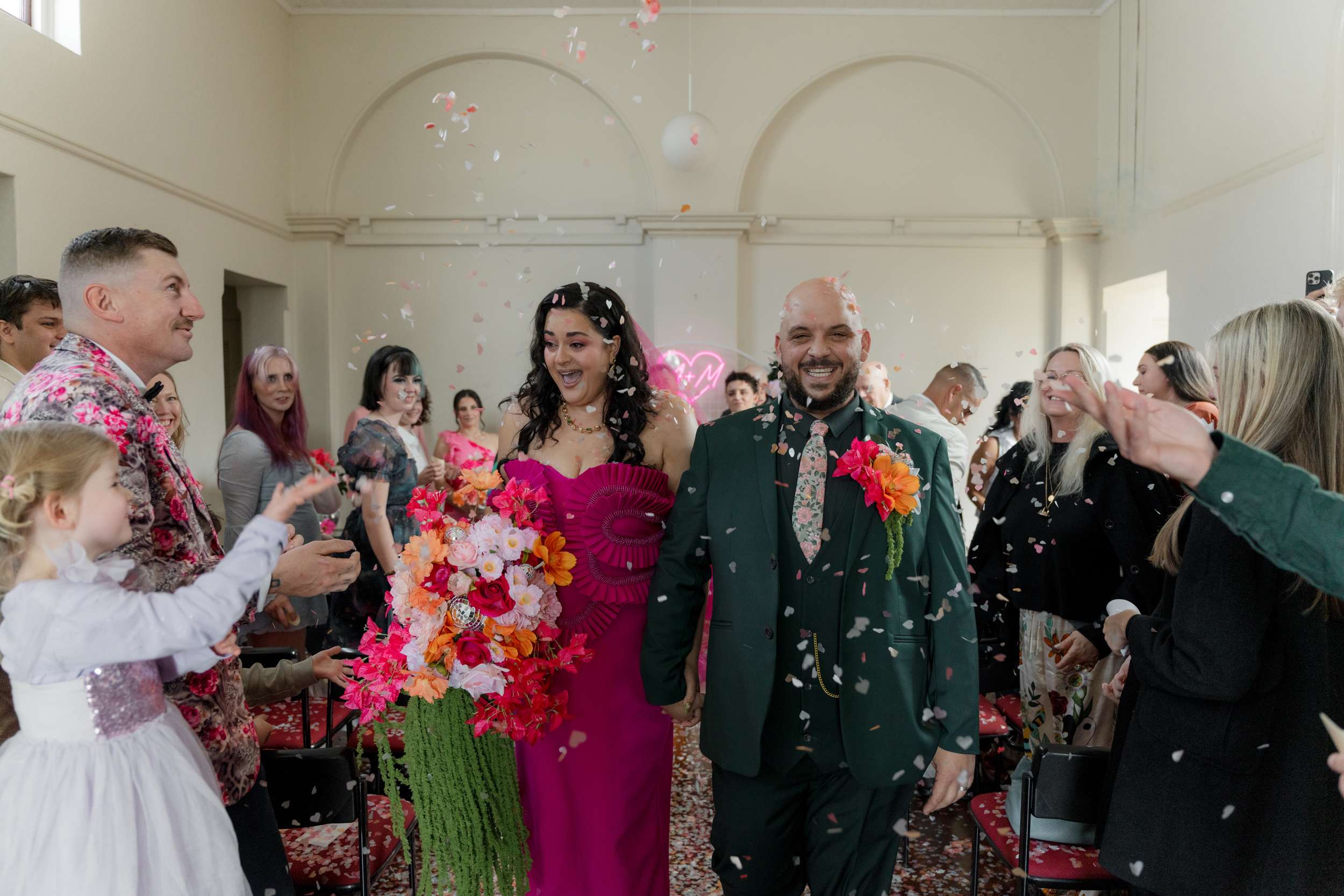
In conclusion, the "High School Disco Meets Mardi Gras" wedding serves as a blueprint for contemporary couples. It suggests that by deconstructing the "wedding" into its core components—the union of two people and a celebration with loved ones—it is possible to create an event that is both culturally significant and financially sustainable. The event stands as a testament to the fact that in the modern era, the most memorable weddings are often those that break the rules in favor of the couple’s genuine identity.