A Vibrant English Summer: Inside the Citrus-Inspired Editorial Wedding Showcase at Hopton Court

The traditional English summer wedding has undergone a vivid, contemporary reimagining following a high-profile editorial showcase at Hopton Court in Shropshire. Conceptualized, planned, and photographed by creative director Chloe Bolam, the styled shoot departed from muted rustic palettes in favor of a high-energy explosion of tropical citrus hues, punchy pinks, and warm marigolds. Set against the historic backdrop of Hopton Court’s Victorian Orangery, the collaborative project brought together a curated collective of top-tier British bridal designers and artisans to establish a fresh aesthetic benchmark for modern seasonal celebrations.
As the wedding industry continues to recover and evolve past post-pandemic trends of minimalist minimalism and neutral earth tones, event designers are increasingly turning to maximalist color theories. The Hopton Court showcase serves as a prime case study in how historic architecture can be successfully juxtaposed with high-saturation styling, offering couples a blueprint for injecting personality, sustainable decor elements, and vibrant energy into their wedding days.
Setting the Scene: The Historic Charm of Hopton Court
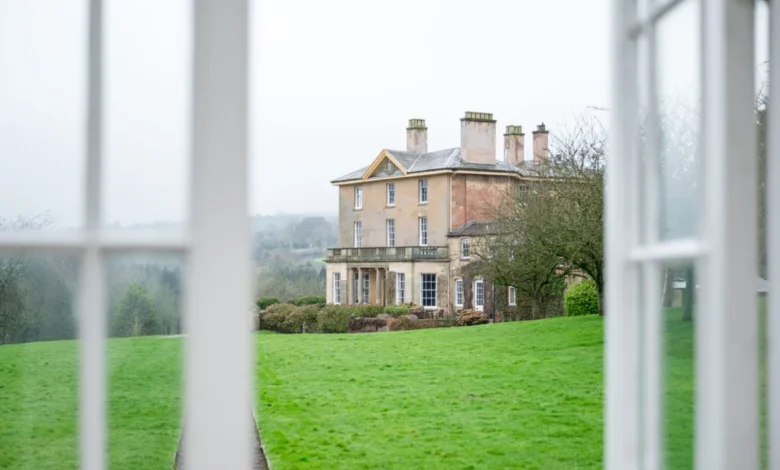
Nestled deep within the picturesque, rolling hills of the Shropshire countryside, Hopton Court provides an idyllic escape from the urban sprawl. Surrounded by sprawling woodlands, manicured lawns, and centuries-old agricultural heritage, the estate is increasingly recognized as one of the UK’s premier luxury countryside venues.

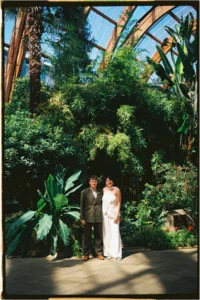
While the main Georgian house commands attention, the crown jewel of the estate for wedding planners remains its magnificent Victorian Orangery. Featuring soaring glass panes, intricate ironwork, and an abundance of natural sunlight, the structure functions as an indoor-outdoor sanctuary. It was this architectural marvel that initially sparked Chloe Bolam’s creative vision.
"The editorial was inspired entirely by the peak of summer and the incredible structural presence of the Orangery at Hopton Court," Bolam stated, reflecting on the conceptualization phase. "We wanted to demonstrate how couples can lean into the seasonal warmth by utilizing a glasshouse setting, turning the natural light and verdant exterior landscape into part of the decor itself."
Chronology of the Design Concept: From Moodboard to Reality
The realization of the Hopton Court editorial followed a rigorous, months-long production timeline typical of high-end editorial campaigns. The project began in early spring, moving rapidly from initial conceptualization and color swatch curation to vendor selection and logistics coordination.
In the first phase, Bolam established a strict color palette centered on high-impact contrasts: sunshine yellows, vibrant magentas, and rich tangerine oranges. This palette dictated every subsequent design choice, ensuring visual continuity across photography, fashion, floral styling, and stationery.

By mid-spring, the vendor team was fully assembled. Olive Owl Flowers was brought on to handle botanical architecture, while Little Cheshire Weddings supplied specialized tabletop rentals. Concurrently, stationery designer Jess Bolam Art of Bolam Designs began crafting watercolor suites featuring citrus motifs, setting the aesthetic tone for paper goods.
The final installation took place over a brisk single day on-site at Hopton Court. The morning was dedicated to large-scale botanical rigging, including the assembly of two massive freestanding floral columns by Olive Owl. By midday, fashion fittings took place—highlighting a bespoke Dando London gown sourced via Gatehouse Brides—followed by tabletop styling featuring hand-painted taper candles from The Emerald Fox and intricate confectionery by Lesley Walter Cake Design. The day culminated in golden-hour photography and videography capturing the space in its fully realized glory.
High Fashion Meets Modern Romance
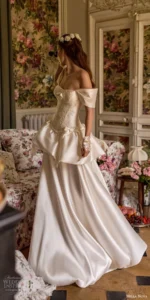
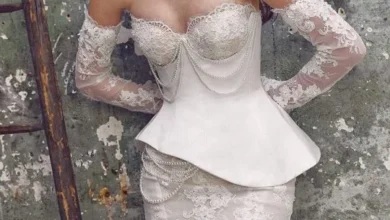
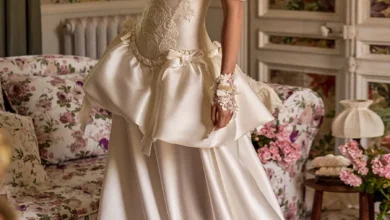
Central to the editorial’s narrative was the bridal fashion styling, which struck a deliberate balance between timeless elegance and contemporary flair. The featured ensemble centered around the "5th Avenue" wedding gown by Dando London, provided courtesy of Shropshire-based boutique Gatehouse Brides.
The dress itself represents a departure from traditional strapless ballgowns or bohemian lace shifts. It features a modern, clean square neckline paired with a gentle A-line silhouette. Embellished throughout with intricate beaded lace and a subtle sparkle underlay, the gown catches the natural light filtering through the Orangery’s glass ceiling. Completed by a dramatic low back and an elongated chapel train, the dress offered a masterclass in how structured modern silhouettes can complement historic garden venues.

Floral Architecture and Sustainable Design Strategies
Florals served as the primary anchor for the entire production, executed with technical precision by Olive Owl Flowers. Rather than relying on traditional table centerpieces alone, the design team utilized large-scale installations to maximize visual impact and structural drama.
The centerpiece of the floral design consisted of two monumental freestanding column displays framing the ceremony and dining areas. According to creative director Chloe Bolam, these installations were designed with modern wedding economics and sustainability in mind.
"One of my top tips to engaged couples is to prioritize modular floral displays that can be repurposed throughout the day," Bolam explained. "Investing in large statement pieces—like the columns we used at Hopton Court—means they can transition seamlessly from the ceremony backdrop to the wedding breakfast area, framing the sweetheart table or accenting the cake station. It is a brilliant way to maximize a floral budget while ensuring continuous visual freshness."
Complementing the structural botanicals was a specialized cake stand encircled by a delicate floral crown, designed to house an artisanal confection by Lesley Walter Cake Design. The cake bridged the gap between fine art and catering, incorporating delicate sugarcraft elements that mirrored the watercolor stationery suite.

Tabletop Tablescapes: The Rise of Functional Fruit Decor
The dining tablescape provided some of the most innovative takeaways for couples planning contemporary celebrations. Eschewing traditional metallic or crystal accents exclusively, the design team integrated organic elements—specifically fresh citrus and tropical fruits—directly into the tablescapes and place settings.
Sourced and styled with rentals from Little Cheshire Weddings, the tables featured natural rattan placemats, scalloped-edge ceramic plates, modern pink glassware, and brushed gold cutlery. Interspersed among the place settings were fresh oranges, lemons, and grapefruits, sliced and whole, which added immediate visual texture, organic color contrast, and subtle natural fragrance to the space.
Hand-painted taper candles supplied by The Emerald Fox added a layer of artisanal craftsmanship, featuring delicate brushstrokes that echoed the watercolor motifs found in the paper goods. Jess Bolam Art completed the place settings with bespoke stationery featuring citrus watercolours, tying the visual ecosystem of the table together.
Industry Analysis: The Macro Trends Behind the Hopton Court Showcase

The design choices showcased at Hopton Court reflect broader, systemic shifts within the global wedding and event planning sector. Following years of pandemic-era restrictions and a subsequent conservative swing toward minimalist, neutral-toned "boho" aesthetics, the luxury wedding market is experiencing a vibrant counter-movement defined by maximalism, high-saturation color, and experiential design.
Event economists and luxury wedding planners note several key drivers behind this shift:
-
Experiential Hospitality: Modern couples increasingly view weddings not merely as formal ceremonies, but as multi-sensory experiences for their guests. The inclusion of aromatic fresh fruit, tactile elements like rattan and scalloped ceramics, and dynamic color palettes directly targets sight, touch, and smell.
-
Creative Sustainable Practices: While maximalist in appearance, the integration of fresh fruit and repurposable botanical columns speaks to an underlying desire for resourceful event production. Fresh fruit used as decor can often be repurposed for late-night catering, bar garnishes, or composted locally, reducing single-use plastic waste associated with traditional synthetic event props.
-
Regional Destination Weddings: The showcase underscores the viability of the British countryside as a luxury destination alternative. With international travel logistics remaining complex and costly, more affluent couples are investing heavily in domestic countryside estates like Hopton Court, transforming historic English venues into high-end experiential backdrops that rival Mediterranean villas.

Expert Reactions and Vendor Collaboration
The success of the Hopton Court editorial hinged on a highly coordinated multi-agency collaboration. Industry stakeholders have praised the project for bridging the gap between high-fashion editorial concepts and achievable, real-world wedding inspiration.
"There is something profoundly magical about watching a moodboard leap off the page and materialize in a physical space," Chloe Bolam noted regarding the emotional and creative payoff of the project. "When you bring together artisans who are at the absolute top of their game—from florists and cake designers to stationers and bridal boutiques—the result transcends a simple styled shoot. It becomes a living, breathing proof-of-concept for what modern weddings can achieve."
As wedding season hits its peak, the Hopton Court showcase stands as a definitive reference point for planners and couples alike. By proving that historic English architecture can successfully host high-energy tropical aesthetics, the editorial has expanded the boundaries of traditional venue styling, ensuring that vibrant color and organic luxury will remain at the forefront of bridal trends for seasons to come.