The Dappered Essentials Shop: A Curated Guide to Building a Modern Professional Wardrobe

The construction of a functional, versatile wardrobe remains a primary challenge for the modern professional, as evolving workplace standards continue to blur the lines between formal business attire and casual dress. The Dappered Essentials Shop serves as a foundational resource for individuals navigating this landscape, providing a structured approach to garment acquisition. Rather than encouraging rapid consumption, the framework emphasizes the procurement of “wheelhouse” items—garments that offer high utility and longevity. Market data indicates that consumer habits have shifted significantly over the past decade; while the demand for formal suits has fluctuated due to the rise of remote work, the demand for "smart-casual" staples—such as quality chinos, versatile leather sneakers, and timeless knitwear—has seen a consistent upward trajectory.
The Evolution of Business Attire
The shift toward more relaxed office dress codes began in earnest during the late 20th century, but the acceleration of this trend over the last five years has necessitated a re-evaluation of what constitutes an "essential." Historical analysis shows that the traditional suit-and-tie mandate reached its peak in the mid-1900s. Since 2010, retail analytics from firms like McKinsey & Co. have highlighted a pivot toward "versatility-first" purchasing. The current retail environment, characterized by rapid inventory turnover and dynamic pricing models, often makes it difficult for consumers to identify quality staples amidst a sea of fast-fashion offerings. The Dappered Essentials Shop functions as a filter for this market noise, focusing on categories that define a professional foundation: tailoring, footwear, horology, and foundational shirting.
Tailoring: The Foundation of the Wardrobe
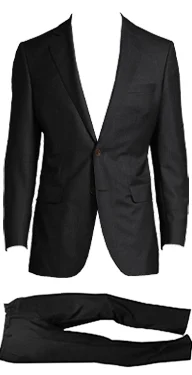
A cornerstone of professional attire remains the suit, particularly in navy and charcoal hues. Experts in menswear design emphasize that the value of a suit is derived from its construction and fabric quality rather than its price tag alone. Half-canvas construction—a method where a layer of canvas is stitched into the chest area—is widely considered the gold standard for providing structure that conforms to the wearer’s body over time. In contrast, fused suits, while more cost-effective, rely on adhesive to bond the fabric to the interlining, which can diminish in appearance over years of dry cleaning.
The navy blazer acts as the most significant bridge between formal and casual attire. Unlike a suit jacket, which is intended to be worn with matching trousers, a high-quality navy blazer in breathable wool or a wool-blend offers the ability to dress up a pair of chinos or dress down a pair of grey wool trousers. Current market trends suggest that consumers are increasingly favoring slim, structured cuts that avoid the excesses of "ultra-slim" or "baggy" fits, favoring a silhouette that balances modern aesthetic standards with traditional tailoring principles.
Footwear: Durability and Versatility
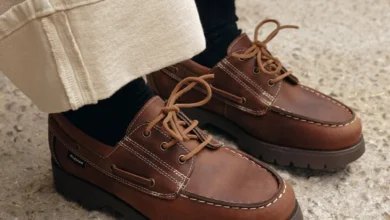
Footwear selection is often cited as the most critical investment in a man’s wardrobe. Brown dress shoes, specifically in shades ranging from chestnut to dark chocolate, are statistically more versatile than their black counterparts. They pair seamlessly with navy, grey, and olive trousers, making them the primary choice for daily professional wear. Conversely, black leather shoes remain essential for strictly formal requirements, including corporate board meetings, black-tie events, and funeral attire.
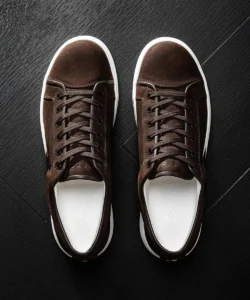
The rise of the "court-inspired" sneaker represents a significant change in corporate culture. Minimalist white leather sneakers have moved from purely recreational use to being accepted in many "business casual" environments. Industry reports suggest that this shift is largely driven by the younger workforce’s preference for comfort, provided the aesthetic remains clean, unbranded, and constructed from durable materials like full-grain leather.
Horology and Accessories
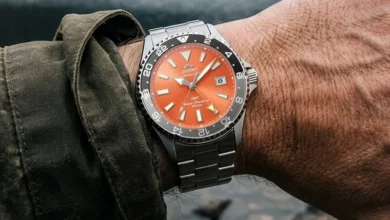
Watches serve as both functional tools and stylistic markers. The distinction between a dress watch, a dive watch, and a casual watch is defined by both design and utility. A dress watch is traditionally characterized by a thin profile, a clean face, and a leather strap, designed to slide discreetly under a shirt cuff. In contrast, the dive watch has become the most popular "one-watch" solution due to its rugged construction, water resistance, and aesthetic compatibility with both casual wear and suits.
The inclusion of accessories—such as belts and briefcases—further defines the professional aesthetic. The rule of thumb for accessories remains one of subtlety; the best pieces complement the outfit without drawing undue attention. A briefcase, for example, is ideally positioned between the informal messenger bag and the rigid, formal attaché case. The modern preference leans toward soft-sided leather bags that feature internal organization and a detachable shoulder strap, reflecting the need for mobility in a post-commuter workforce.
Foundational Textiles: Shirts and Knitwear
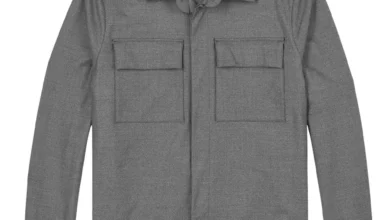
The selection of dress shirts and knitwear is an exercise in managing a color palette. A wardrobe stocked with white, light blue, and subtle pattern shirts—such as small checks or thin stripes—provides the greatest range of combinations. Retail consultants advise against purchasing overly loud patterns early in the wardrobe-building process, as they significantly limit the number of possible outfit permutations.
In the category of knitwear, merino wool is frequently cited by textile experts as the optimal material for a year-round essential. It offers superior temperature regulation compared to synthetic blends and maintains its shape better than standard cotton. When selecting polo shirts, the focus has shifted toward high-twist cotton or pique fabrics that maintain a sharp collar, distinguishing them from athletic gear.
Economic Implications and Procurement Strategy
The retail landscape is currently defined by volatility. Prices for these "wheelhouse" items often shift based on seasonal promotions, inventory liquidations, and supply chain adjustments. For the consumer, this necessitates a strategic approach to purchasing. Rather than paying retail price on demand, many savvy consumers utilize "steal alerts" and seasonal sales to acquire high-quality items at significant discounts.
The financial impact of building a quality wardrobe is often misunderstood. By investing in higher-quality, durable materials, consumers reduce the frequency of replacement, ultimately lowering their long-term cost per wear. This "slow fashion" philosophy is increasingly being adopted by major menswear retailers, who are seeing a decline in mass-market impulse buying in favor of deliberate, research-backed acquisitions.
Expert Recommendations and Future Outlook
As the workplace continues to evolve, the definition of a "uniform" is becoming increasingly subjective. However, the core principles remain constant: fit, fabric, and versatility. Whether selecting a pair of chinos—which should avoid the dated, oversized cuts of the 1990s—or a pair of wool dress pants, the objective is to prioritize quality that survives the cycle of trends.
Industry analysts observe that transparency is becoming a key factor in consumer decision-making. Brands that provide detailed information regarding the origin of their wool, the construction of their shoes, and the ethics of their manufacturing processes are gaining a larger share of the market. The Dappered Essentials Shop, in its commitment to updating its offerings, reflects this broader trend toward informed, intentional consumption.
For the individual looking to refine their appearance, the advice remains consistent: identify the gaps in your existing wardrobe, prioritize the items with the highest frequency of use, and view the process as a long-term investment rather than a singular event. By focusing on the fundamentals—the navy suit, the brown oxford, the crisp white shirt, and the versatile dive watch—one can create a cohesive, professional image that is adaptable to nearly any scenario in the modern professional landscape. As retail environments continue to fluctuate, the reliance on curated, fact-based guidance will likely become even more essential for the modern consumer aiming to balance style, budget, and professional expectations.