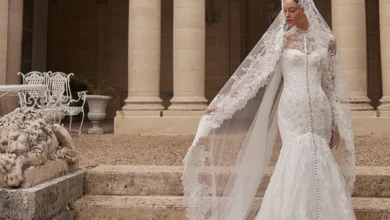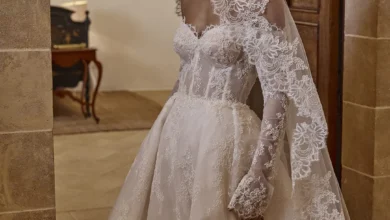
The modern wedding industry is currently witnessing a significant shift toward value-based planning, a methodology that prioritizes the core beliefs and personal requirements of a couple over traditional societal expectations. As the cost of ceremonies continues to rise and the range of options becomes increasingly complex, experts suggest that the most effective tool for navigating the logistical and emotional hurdles of a wedding is a clear definition of the couple’s fundamental values. This approach, often championed by advocates of non-traditional ceremonies, seeks to replace the "conveyor belt" of standard wedding features with bespoke elements that offer genuine meaning to the participants.
The Influence of Celebrity Authenticity: The Winkleman Precedent
A prominent example of this value-based approach is found in the personal history of British television presenter Claudia Winkleman. In her 2020 memoir, Quite, Winkleman revealed that she incorporated a nap into the middle of her wedding day. Valuing rest and personal well-being above the rigid adherence to a traditional schedule, Winkleman’s decision to temporarily depart her own celebration for "forty winks" serves as a modern case study in radical authenticity.

This anecdote has resonated within the wedding planning community as a symbol of "self-love" and the confidence required to reject the performative aspects of nuptials. By prioritizing her physiological need for sleep—a core value she maintains in her daily life—Winkleman established a precedent for couples to structure their wedding days around their own non-negotiable requirements rather than the comfort or expectations of guests or external observers.
The Economic and Psychological Landscape of Modern Weddings
The necessity for a value-based planning tool is underscored by the current economic climate of the wedding industry. According to industry data from 2023 and 2024, the average cost of a wedding in the United Kingdom has hovered between £18,000 and £21,000, while in the United States, that figure often exceeds $30,000. These financial pressures are frequently exacerbated by "decision fatigue," a psychological phenomenon where the sheer volume of choices—from floral arrangements to catering menus—depletes a couple’s ability to make rational, satisfying decisions.
Market analysts observe that couples often begin the planning process with a modest vision, such as an intimate gathering with close friends. However, unsolicited opinions from family members and the persuasive marketing of the "wedding industrial complex" can lead to "scope creep." This often results in a transition from a simple dinner to an elaborate, multi-day black-tie event that may not reflect the couple’s original intent or personality. By anchoring decisions in core values, couples can establish a "filter" through which every potential expense and logistical choice must pass, thereby mitigating both financial waste and psychological stress.

Methodologies for Identifying Core Priorities
To implement a value-driven strategy, wedding consultants recommend a structured assessment of a couple’s shared principles. This process often involves a comparative analysis of what the couple values in their daily lives and how those values can be translated into a one-day event. The methodology includes several key stages:
The "Omission" Audit
Couples are encouraged to list traditional wedding elements they find unnecessary. A frequent target of this audit is the "wedding favor"—small gifts given to guests. Industry experts point out that items such as personalized wooden spoons or engraved trinkets often represent a significant expense with low utility for the recipient. By identifying these "low-value" items early, couples can redirect funds toward higher-priority areas, such as photography or guest comfort.
The Value Integration Quiz
Similar to personality assessments, this tool requires couples to ask specific questions about their desired experience. These questions might include:
- Does this element foster community or isolation?
- Does this choice align with our commitment to environmental sustainability?
- Is this tradition being included out of genuine desire or perceived obligation?
Case Studies in Value-Based Customization
When values are placed at the center of the planning process, the resulting ceremonies often diverge significantly from the standard template. Several specific domains demonstrate how this manifests in practice.
Sustainability and Environmental Stewardship
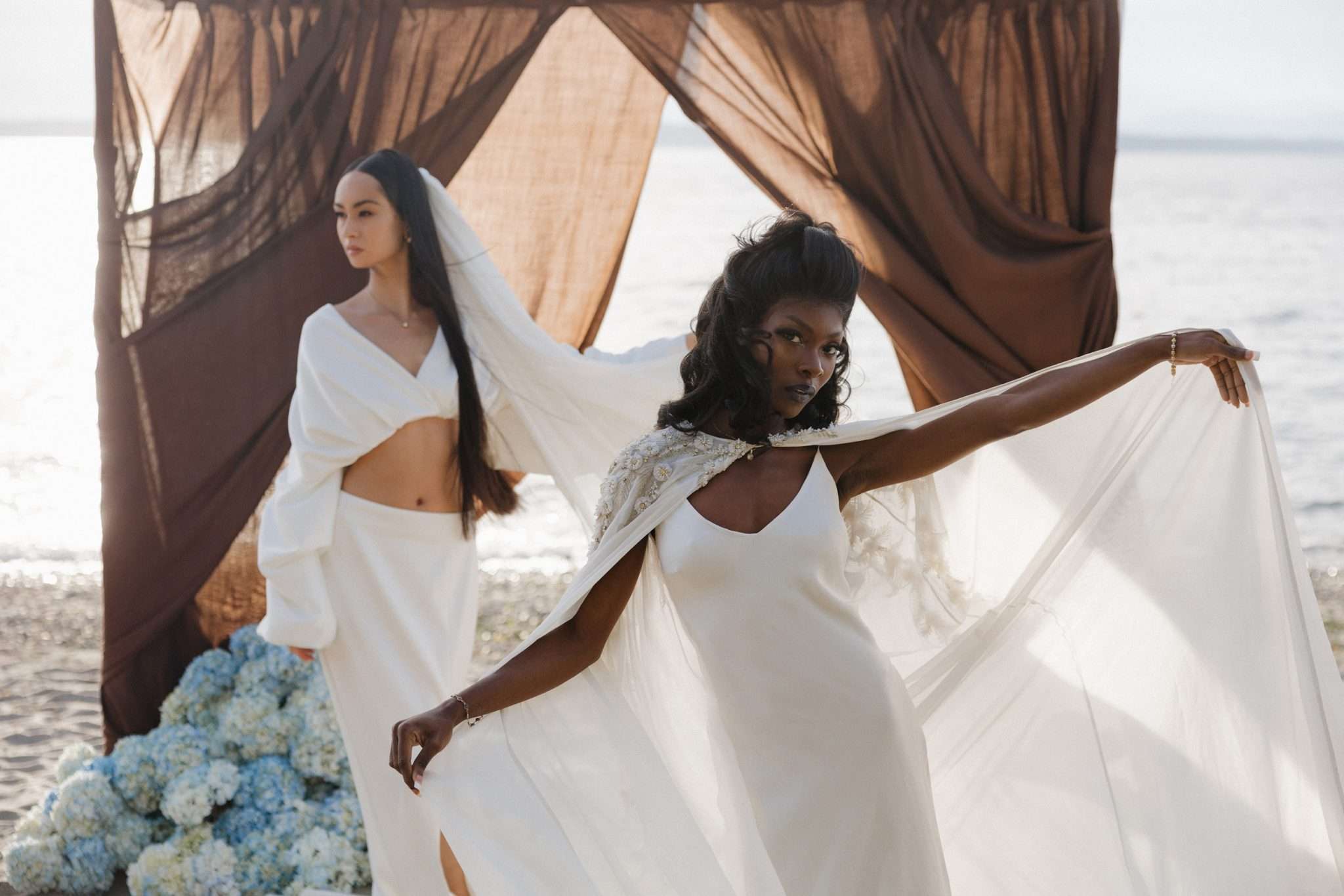
For couples who prioritize ecology, the wedding becomes a platform for sustainable innovation. This can include the use of second-hand attire, digital invitations to reduce paper waste, and the selection of venues that utilize renewable energy or composting facilities. The rise of "hemp-and-bamboo" marquees and locally sourced, seasonal floral arrangements reflects a growing market segment dedicated to minimizing the carbon footprint of large celebrations.
Inclusivity and Community Engagement
If "community" is a core value, couples may choose to incorporate interactive elements like a "ring-warming" ceremony. In this tradition, the wedding bands are passed among the guests before the vows are exchanged, allowing each attendee to offer a silent wish or blessing. This transforms the guests from passive observers into active participants in the union.

Privacy and Digital Boundaries
In an era of ubiquitous social media, many couples are asserting their value of "privacy" by implementing "unplugged" ceremonies. By requesting that guests refrain from using smartphones or posting images online until the couple has done so themselves, they ensure that the intimacy of the moment is preserved and that the professional photography remains the primary visual record of the event.
Health and Accessibility
Values related to health, such as sobriety or specific dietary requirements, are also becoming central to planning. For instance, a couple managing Celiac disease may opt for a strictly gluten-free menu to ensure the safety of the wedding party. Professional caterers have reported an increase in requests for specialized menus that do not merely offer "alternatives" but center the entire culinary experience around the couple’s health needs.
Chronology of the Value-Based Planning Process
The shift toward this planning style typically follows a specific chronological order:
- The Pre-Planning Value Alignment: Before viewing venues or setting a budget, the couple defines three to five "North Star" values.
- The "Vibe" Establishment: The couple determines the desired atmosphere (e.g., "calm," "chaotic and fun," "intellectual," or "restorative").
- Vendor Vetting: Potential suppliers are interviewed based on their ability to respect and facilitate these values.
- The Schedule Construction: The timeline of the day is built around the couple’s natural rhythms (e.g., late starts for those who value sleep, or early finishes for those who value intimacy).
- The Reflection Phase: Post-wedding, the success of the event is measured not by its adherence to tradition, but by how closely it mirrored the couple’s identified values.
Professional Analysis and Broader Implications
Sociologists studying modern ritual suggest that the move toward value-based weddings is part of a broader cultural trend toward "individualized ritualization." As traditional religious and social institutions hold less sway over the structure of personal milestones, individuals are tasked with creating their own meaning.
The implications of this shift are two-fold. Economically, it challenges the "one-size-fits-all" business model of many wedding venues and suppliers, forcing the industry to become more flexible and specialized. Psychologically, it appears to reduce the incidence of "post-wedding blues," as couples feel a greater sense of ownership and satisfaction with a day that was a true reflection of their identity.
Ultimately, the integration of core values into wedding planning acts as a safeguard against the "commodification of romance." When a couple chooses to "Be More Claudia"—whether that involves a mid-ceremony nap, a child-free environment, or a completely sustainable event—they are asserting that the value of the day lies in its authenticity rather than its extravagance. As the industry continues to evolve, the most successful weddings will likely be those that treat core values not just as an abstract concept, but as the primary logistical tool for creation.