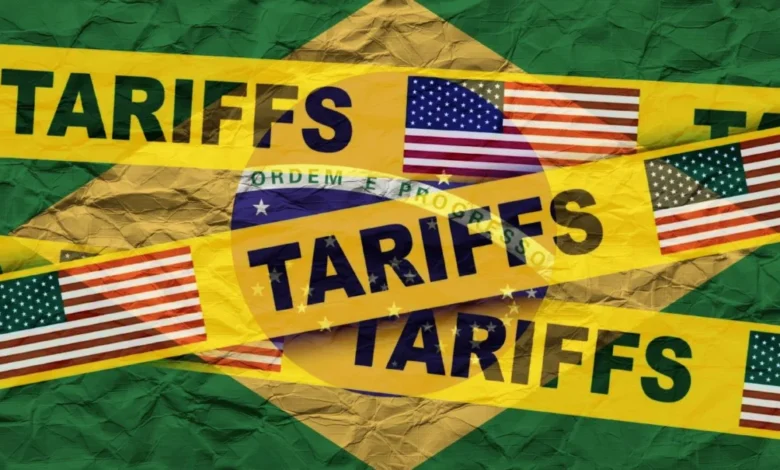
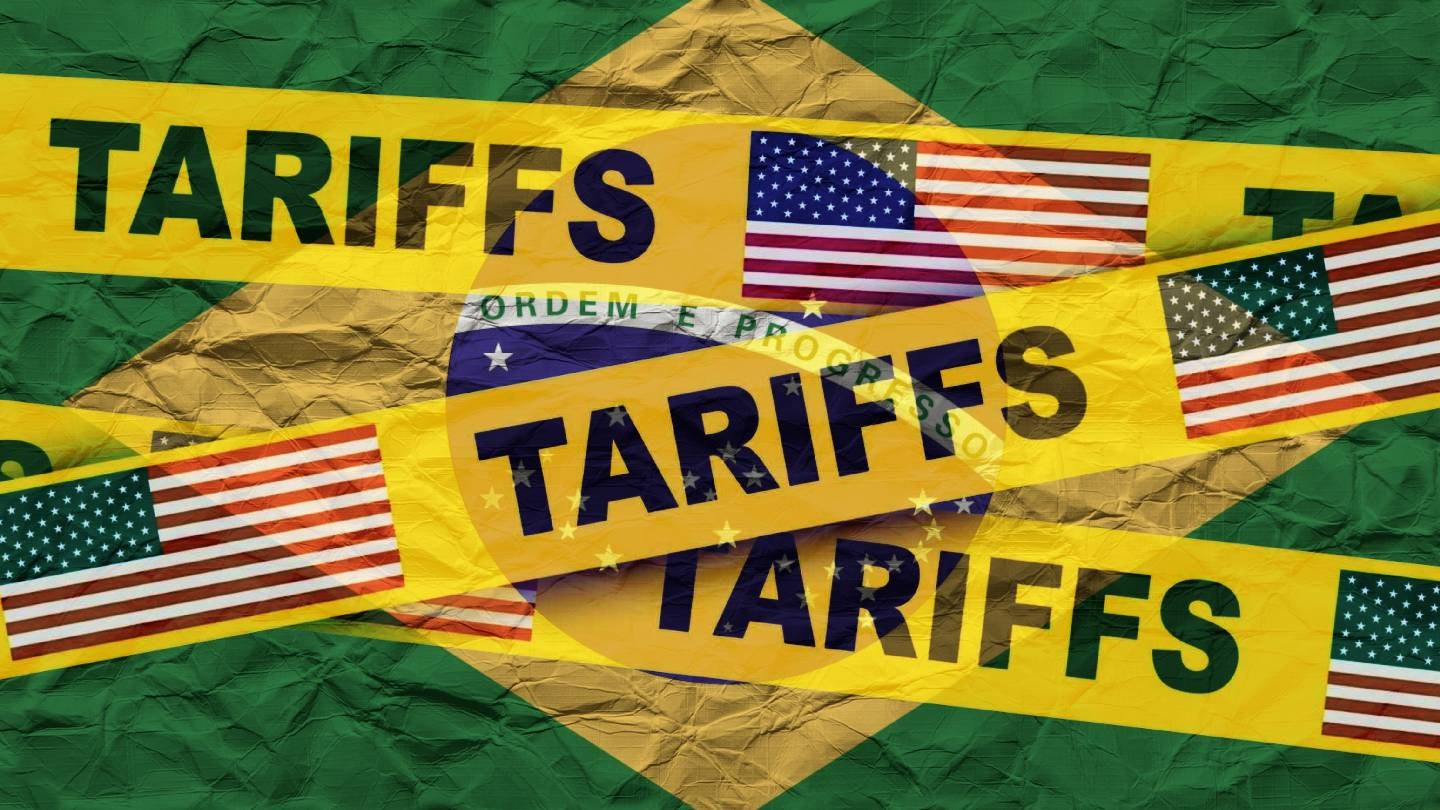
The United States will maintain a 25% tariff on imported footwear from Brazil, a decision solidified by the Office of the United States Trade Representative (USTR) that rejected industry pleas for an exemption. This move, announced by Ambassador Jamieson Greer on July 15, 2026, at the direction of President Donald Trump, marks the culmination of a year-long Section 301 investigation into Brazil’s trade practices. The tariffs are scheduled to take effect on July 22, 2026, just days before a separate, broader 10% global tariff imposed by the Trump administration is set to expire.
The USTR’s investigation, initiated under Section 301 of the Trade Act of 1974, scrutinized a range of Brazilian government measures deemed to be unfairly disadvantaging American commercial interests. These measures included alleged digital trade restrictions, regulations on electronic payment services, preferential tariff treatments, perceived weaknesses in anti-corruption enforcement, intellectual property protection shortcomings, market access limitations for ethanol, and concerns over illegal deforestation practices that may grant Brazilian farmers a competitive edge. While the investigation led to the footwear tariff, the final order maintained exemptions for key Brazilian exports such as beef, coffee, and aircraft.
The decision to uphold the tariff on footwear comes despite significant opposition from various industry stakeholders and small U.S. retailers. During the investigation, these groups presented compelling arguments that alternative footwear suppliers outside of Brazil could not adequately replicate the quality and volume of production offered by Brazilian manufacturers. Furthermore, numerous commenters expressed concerns that the increased costs resulting from the tariff would disproportionately burden small American businesses, potentially leading to higher prices for consumers and reduced competitiveness for these enterprises.
However, the USTR’s official statement indicated that the agency concluded that footwear is a consumer good that is "generally available from third countries." This assessment suggests a belief that the market has sufficient alternative sourcing options to mitigate the impact of reduced Brazilian supply. The USTR also noted that importers had been provided with advance notice since June 1, 2026, to identify and secure alternative supply chains outside of Brazil, implying a preparedness strategy was available to the industry.
A Year-Long Investigation and Its Findings
The Section 301 investigation into Brazil’s trade practices was a comprehensive undertaking that involved extensive review and public engagement. The process included two public hearings, during which 77 witnesses provided testimony, and over 360 written comments were submitted for consideration. Despite these efforts and what USTR described as attempts to resolve the identified issues through negotiation, these diplomatic endeavors were ultimately unsuccessful.
Ambassador Greer articulated the administration’s rationale, emphasizing the "America First" policy and the imperative to safeguard American economic interests. "Safeguarding American economic interests against unfair trade practices is the bedrock of President Trump’s America First policies," Greer stated. He further elaborated on the specific grievances, citing instances where Brazil’s practices were seen as punitive towards U.S. companies. "Whether it is punishing US technology companies for refusing to censor political speech, backsliding on anti-corruption enforcement, or allowing Brazilian farmers to exploit illegally logged land to gain an advantage over American farmers, Brazil’s unfair trading practices have prevented US workers and producers from accessing this important market with over 210 million consumers," Greer added.
The USTR’s determination that Brazil’s practices were unfair and restrictive to American commercial interests forms the basis of the imposed tariff. The agency’s stance is that these actions create an uneven playing field, hindering the ability of American workers and companies to compete effectively in the global market.
Industry Reaction and Concerns
The American Apparel & Footwear Association (AAFA) expressed strong disappointment with the USTR’s decision. Steve Lamar, President and CEO of AAFA, voiced his concerns, stating, "We are deeply disappointed by the Administration’s decision to impose a stacked 25% tariff on imports from Brazil, continuing to add disproportionate cost burdens on US companies and American families."
Lamar highlighted Brazil’s growing importance as a sourcing destination for the U.S. footwear industry, particularly in the context of efforts to diversify supply chains away from China. "Brazil has been a growing sourcing leader for our industry, particularly footwear, in the effort to diversify out of China," Lamar noted. "These tariffs will undermine Brazil as a critical sourcing alternative; disrupting long-term investments from the US that threatens to send companies right back to China." This sentiment underscores a broader industry trend towards supply chain diversification to mitigate risks associated with geopolitical tensions and trade disputes, a strategy that the new tariffs could inadvertently undermine.
The AAFA president also called for greater congressional oversight, asserting that "Congress must exercise robust oversight of this process to ensure delegated authorities are used appropriately and transparently. Without that oversight, the American fashion industry, including US workers and US consumers, could become unintended casualties." This plea reflects a concern that the broad powers granted under trade investigation frameworks could lead to unintended negative consequences for domestic industries and consumers.
Broader Implications and Economic Context
The imposition of the 25% tariff on Brazilian footwear arrives at a critical juncture for global trade and supply chain management. The footwear industry, in particular, has been navigating complex challenges related to sourcing, manufacturing costs, and consumer demand. For years, American companies have sought to balance cost-effectiveness with ethical and sustainable sourcing practices, leading many to explore markets beyond traditional manufacturing hubs. Brazil, with its established manufacturing capabilities and proximity to the U.S. market, had emerged as a viable alternative for many.
The timing of the tariff also coincides with broader global economic shifts. Rising inflation, increased shipping costs, and ongoing geopolitical uncertainties have placed significant pressure on businesses to manage their operational expenses. Tariffs, by their nature, increase the cost of imported goods, which can either be absorbed by the importer, passed on to the consumer in the form of higher prices, or lead to a reduction in import volumes. For a sector as price-sensitive as footwear, a 25% tariff can represent a substantial financial burden.
The USTR’s assertion that footwear is "generally available from third countries" suggests a belief that the market can absorb this disruption without significant long-term harm to the U.S. economy. However, the detailed objections raised by industry groups, particularly concerning the unique quality and volume capabilities of Brazilian suppliers and the potential for a return to Chinese sourcing, indicate a more complex reality. This situation highlights a potential conflict between the administration’s trade enforcement objectives and the practical operational needs of American businesses seeking competitive sourcing options.
The Path Forward
Despite the finalized decision, U.S. officials have indicated that they remain open to further dialogue with Brazil. Ambassador Greer reiterated this stance, stating, "Today’s action is necessary to address these unfair trade practices to ensure American workers and companies can compete on a level playing field. Extensive negotiations with Brazil over the past year have not resolved these issues, but we remain open to continuing negotiations with Brazil to bring about long-needed changes to the problems identified in this investigation."
This openness to continued negotiation suggests that a resolution, potentially involving concessions or policy adjustments from Brazil, could lead to a modification or even repeal of the tariff in the future. However, in the absence of such a resolution, Brazilian footwear will remain subject to the full 25% tariff.
The implications of this decision extend beyond the immediate footwear sector. It serves as a clear signal of the Trump administration’s commitment to utilizing trade enforcement tools to address perceived unfair practices by trading partners. The broad scope of the Section 301 investigation, encompassing digital trade, intellectual property, and environmental concerns, suggests a willingness to address a wide array of trade-related issues.
For American consumers, the tariff could translate into higher prices for footwear, particularly for those seeking specific styles or qualities that may have relied on Brazilian imports. For small businesses, the increased cost of goods could impact profit margins and their ability to compete with larger retailers. The potential for a disruption in supply chains, as warned by the AAFA, could also lead to shortages or delays in product availability.
The decision underscores the complex interplay between national trade policy, global economic dynamics, and the operational realities of domestic industries. As the July 22 effective date approaches, the footwear industry will be closely watching for any developments that could alter the course of these new tariffs and their impact on sourcing, costs, and consumer access to goods. The ongoing dialogue between the U.S. and Brazil will be crucial in determining the long-term consequences of this trade dispute.