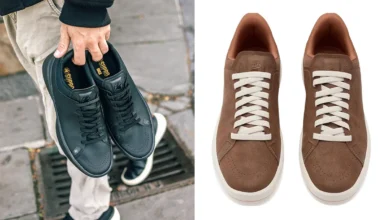
Deckers Brands Propelled by Hoka’s Unrelenting Growth Amidst Optimistic Q1 Forecasts


Deckers Brands, the global footwear and apparel powerhouse, continues to see its high-performance athletic shoe brand, Hoka, serve as the primary engine for robust growth, according to a consensus among leading Wall Street analysts. This sustained momentum positions Deckers for an anticipated strong first-quarter performance, with experts predicting figures that could surpass management’s initial guidance. The company’s diverse portfolio, which also includes the iconic Ugg brand, is navigating a dynamic market, leveraging strategic innovation, expanded distribution, and proactive financial management to solidify its market position.
The financial community is keenly awaiting Deckers’ first-quarter results, slated for release after market close on Thursday. Dana Telsey, Chief Investment Officer at Telsey Advisory Group (TAG), has provided an optimistic outlook, forecasting an 8.3 percent growth for Hoka in the quarter. This robust projection underscores Hoka’s continued dominance within the company’s brand hierarchy. Alongside Hoka, Telsey anticipates a 5.0 percent increase for the Ugg brand, reflecting its strategic diversification efforts. Conversely, the "Other brands" group, primarily encompassing Teva, is expected to see a significant 35.0 percent drop, highlighting the concentrated growth drivers within the Deckers portfolio.
This anticipated top-line expansion is expected to translate into strong profitability. Deckers’ management had previously guided first-quarter earnings per share (EPS) between 82 cents and 87 cents. However, Telsey’s analysis suggests a potential beat, with EPS possibly coming in between 90 cents, compared to 93 cents recorded in the same period a year ago. This upward revision by analysts signals strong confidence in Deckers’ operational execution and the underlying demand for its core brands.
Hoka: A Deep Dive into the Growth Phenomenon
Hoka’s journey from a niche maximalist running shoe brand, founded in 2009 by Nicolas Mermoud and Jean-Luc Diard, to a mainstream performance and lifestyle footwear leader has been nothing short of meteoric. Initially embraced by ultra-marathoners for its oversized midsoles providing superior cushioning and stability, Hoka strategically expanded its product line to cater to a broader range of runners, walkers, and eventually, casual wearers. This evolution has been critical to its rapid ascent within Deckers’ portfolio.
The brand’s success is attributed to several interconnected factors, as highlighted by analysts. Foremost among these is a relentless focus on product innovation. For fiscal year 2027, management continues to forecast low double-digit revenue growth for Hoka, a projection Telsey links directly to ongoing product innovation. Key launches, such as the forthcoming Clifton 11, exemplify this commitment. The Clifton series, known for its balanced cushioning and lightweight design, has been a cornerstone of Hoka’s appeal, effectively bridging the gap between performance running and everyday comfort. Innovations often include proprietary technologies like J-Frame™ stability, PROFLY™ cushioning, and Meta-Rocker geometry, which collectively deliver a distinctive "Hoka feel" that consumers now actively seek.
Beyond product development, Hoka’s expanding international awareness has been a significant catalyst. Deckers has strategically invested in global marketing campaigns, expanded its retail footprint in key international markets, and tailored product offerings to regional preferences. This global push diversifies revenue streams and reduces reliance on any single market, fostering more resilient growth. The brand’s direct-to-consumer (DTC) strength also plays a pivotal role. A robust e-commerce platform and a growing network of branded retail stores allow Hoka to control its brand narrative, build deeper customer relationships, and capture higher margins. Sam Poser, an analyst at Williams Trading, noted the effectiveness of Hoka’s e-commerce strategy, particularly in benefiting from promotions of the Clifton 10 leading up to the early July launch of the Clifton 11, demonstrating adept inventory management and promotional timing.
Hoka’s competitive positioning in the athletic footwear market is formidable. While giants like Nike and Adidas dominate overall, Hoka has carved out a significant niche, particularly in the performance running segment, often challenging established players like Brooks, Saucony, and New Balance. Its distinctive aesthetic and unparalleled comfort have also allowed it to successfully penetrate the broader athleisure and lifestyle categories, appealing to consumers who prioritize both performance and everyday wearability. Poser emphasized Hoka’s effective "franchise management," noting that popular models like the Clifton and Bondi are skillfully segmented by upper color and material. This strategy ensures that both serious runners and casual users appreciate the shoes’ comfort and performance features, regardless of their specific end use, broadening the brand’s appeal without diluting its core identity.
Ugg: Strategic Evolution and Market Resilience
The Ugg brand, celebrated globally for its iconic sheepskin boots, has embarked on a strategic transformation to evolve beyond its seasonal winter staple identity into a year-round lifestyle brand. This journey is crucial for sustained growth and reduced susceptibility to weather-related sales fluctuations. Founded in 1978 in Southern California by an Australian surfer, Ugg initially capitalized on the laid-back, comfort-driven culture before achieving global fashion icon status in the early 2000s. Its subsequent challenge was to maintain relevance and expand its appeal beyond its core boot offering.
The "365 strategy" is central to Ugg’s diversification efforts. This initiative involves expanding into new footwear categories such as sandals, slippers, and lighter-weight casual shoes, utilizing materials suitable for warmer climates. The goal is to ensure Ugg products are relevant and desirable throughout the entire year, not just during colder months. Newer franchises and an expansion into footwear categories beyond traditional boots are gaining traction, supported by an increasing adoption of the brand among younger consumers and men. This demographic expansion is critical, as it broadens Ugg’s consumer base and introduces the brand to new trend cycles. Models like the Tasman and Neumel, as well as various slides and slippers, have proven particularly popular with these newer segments, blending Ugg’s signature comfort with contemporary styling.
From a wholesale perspective, Poser notes that Ugg’s business remains "very strong" across diverse retail channels, including teen retail, major department stores, and athletic specialty stores. This broad distribution network reflects the brand’s enduring appeal across different consumer segments and purchasing behaviors. Furthermore, Poser anticipates an increase in Ugg’s second-quarter revenue, primarily led by wholesale. He explained that Ugg proactively took in many goods early to de-risk potential tariff increases. In parallel, Ugg’s wholesale partners are likely being encouraged to take their fall and holiday orders in early and are being offered better payment terms to facilitate this. This strategic move not only mitigates tariff risks but also ensures adequate inventory levels for the crucial holiday selling season, reinforcing partnerships with retailers.
Financial Outlook and Analyst Insights
The broader financial health of Deckers Brands appears robust, with analysts expressing strong confidence in its operational capabilities. BNP Paribas Equity Research’s senior analyst, Laurent Vasilescu, lauded Deckers as "one of the best-in-class operators," highlighting its "strongest double-digit growth in EPS" and its ability to "drive more cash flow than Nike on an LTM (last twelve months) equivalent basis." This comparison underscores Deckers’ exceptional capital efficiency and profitability relative to even the largest players in the athletic footwear industry.
Looking at the consolidated financial picture, Telsey expects gross margin to be in the range of 56.5 percent. This figure, while healthy, is projected to be slightly below fiscal year 2026 levels. The primary factors influencing this are "higher tariffs, freight, transportation, and input costs," which are expected to "more than offset continued full-price selling and favorable channel mix." This reflects ongoing global supply chain pressures and inflationary trends that impact manufacturing and logistics costs across the industry.
A significant financial event anticipated by analysts is Deckers’ accounting for approximately $120 million – or $92 million net of taxes – in IEEPA (International Emergency Economic Powers Act) tariff refunds. These tariffs, imposed during the previous U.S. administration, affected a wide range of imported goods, including footwear. Poser expects this refund to be recognized in either the first or second quarter. A portion of this refund will likely be used to repay Deckers’ partners who shared the cost of these tariffs. Given Deckers’ substantial cash reserves, exceeding $1.9 billion on its balance sheet as of March 31, 2026, Poser believes it is highly probable that any remaining IEEPA refunds will be allocated towards share repurchases. Share repurchases are a common strategy companies employ to return capital to shareholders, reduce the number of outstanding shares, and potentially boost EPS, signaling confidence in the company’s future prospects.
Navigating Headwinds: Market Challenges and Strategic Responses
Despite the generally positive outlook, analysts have identified potential challenges that Deckers will need to navigate. Vasilescu pointed to two possible "overhangs" on the stock. The first is connected to the potential impact of an El Niño weather pattern, which typically results in warmer winters in North America. A very warm winter could significantly affect Ugg’s core boot sales, as demand for seasonal footwear is heavily influenced by cold weather. This underscores the importance of Ugg’s "365 strategy" in diversifying its product line to mitigate such environmental risks.
The second potential overhang relates to Deckers’ U.S. direct-to-consumer channel. Vasilescu questioned whether the company can "lap the easy compares from last year’s challenges of the Bondi and Clifton transition, which will end next month." This refers to the period where Hoka transitioned between versions of its highly popular Bondi and Clifton models, which can sometimes lead to temporary sales disruptions or inventory management complexities as older models are phased out and new ones introduced. Successfully navigating this post-transition period in the DTC channel will be crucial for maintaining Hoka’s growth trajectory and demonstrating consistent demand for its updated product lines.
Broader industry challenges also persist, including intense competition, evolving consumer preferences, and the ever-present need for sustainable practices. Deckers’ ability to consistently innovate, manage its supply chain effectively, and adapt its marketing strategies will be key to sustaining its growth momentum. The company’s emphasis on full-price selling and a favorable channel mix, as noted by Telsey, demonstrates a disciplined approach to brand management and profitability, even amidst rising input costs.
Long-Term Vision and Investor Confidence
The overarching sentiment among analysts remains highly positive, emphasizing Deckers’ strong brand portfolio, strategic agility, and robust financial management. The sustained performance of Hoka, coupled with Ugg’s successful diversification, positions the company favorably for continued market leadership. The effective segmentation of Hoka’s franchises, ensuring appeal to both serious athletes and casual consumers, exemplifies a sophisticated understanding of consumer needs and market dynamics. Similarly, Ugg’s proactive measures against potential tariffs and its broad retail penetration highlight a well-executed strategy to maintain market presence and profitability.
Deckers’ ability to generate significant cash flow, coupled with its disciplined capital allocation strategies, including potential share repurchases from tariff refunds, reinforces investor confidence. The company’s commitment to product innovation, expanding international reach, and strengthening its direct-to-consumer relationships are foundational pillars for long-term value creation. As Deckers prepares to unveil its first-quarter results, the market will be closely watching for further confirmation of Hoka’s dominant growth and Ugg’s successful evolution, signaling a strong trajectory for the company in the dynamic global footwear market.