The Discovery Awards: A Microcosm of Shifting Perceptions at Les Rencontres d’Arles

The 2026 edition of Les Rencontres d’Arles, a preeminent international photography festival, is charting a course through a landscape of evolving narratives and alternative ways of seeing. At the heart of this exploration lies the Discovery Awards, serving as a potent microcosm of the broader thematic currents that define this year’s festival. Curator Nadine Hounkpatin has meticulously assembled a collection of artists whose work challenges conventional understandings of reality and truth, prompting audiences to engage with complex histories and contemporary issues through a fresh lens.
The impetus for Hounkpatin’s curatorial vision was deeply rooted in recent cultural and political events that highlight the contentious nature of historical representation. The article points to the 2025 directive by the Trump administration to remove the photograph "The Scourged Back" from US National Park exhibitions. This image, captured in 1863, depicts the stark whip scars on the back of Peter (or Gordon), a man who had escaped enslavement. The removal was part of a broader initiative to expunge materials deemed to represent a "corrosive ideology," a move widely criticized as an attempt to sanitize or erase the brutal history of American slavery. This incident, coupled with the censorship of a painting by Amy Sherald in Washington and the cancellation of a Caribbean art exhibition at the Centre Pompidou-Metz, underscored for Hounkpatin the profound influence of images in constructing our perception of reality and, consequently, our understanding of truth. It was during this period of reflection that she encountered an interview with artist Carrie Mae Weems, who posed the poignant question: "What could be the best possible way to tell the truth?" This question resonated deeply and informed Hounkpatin’s curatorial approach when she was invited to curate the Discovery Awards.
A Global Tapestry of New Epistemologies
Hounkpatin’s selection for the Discovery Awards is characterized by its global reach and international focus. The featured artists—Jordan Beal, Souleymane Bachir Diaw, Amira Lamti, Mallory Lowe Mpoka, Magali Paulin, Phan Quang, and Charlotte Yonga—are described as having "grown up with a mix of geographies and imaginaries that allow them to think new epistemologies." This confluence of diverse backgrounds and perspectives is seen as the "magic of this new generation of artists and photographers."

Among the highlighted works, Amira Lamti’s "Bent el Machta" serves as an evocative archive of gestures and memories, preserving the cultural nuances of Tunisian wedding ceremonies. Charlotte Yonga’s "(Tsy) Possible" delves into the emotional dynamics within Madagascar, constructing images through a collaborative process with her subjects, thereby offering a deeply personal and nuanced perspective. Phan Quang’s "Re/cover" navigates the delicate boundary between documentary and staged imagery to shed light on the experiences of Vietnamese women who bore children with Japanese soldiers remaining in the country after World War II. Quang’s work, like that of the other featured artists, is designed to provoke thought and question. As Hounkpatin articulates, "I’m interested in how photography can trigger, how it can question us. The work in this exhibition is not all straight; it takes time to digest. It’s there to open our eyes, not give us formal answers."
Emerging Voices and Challenging the Photographic Frame
The Discovery Awards are a significant component of the broader "Emerging Voices" section at Les Rencontres d’Arles, which also includes compelling exhibitions by Aman Alam and Camille-Renée Devid. Alam’s "Ozymandias" series (2020-ongoing) offers a poignant exploration of his grandmother’s cognitive decline due to dementia, prompting wider reflections on memory, forgetting, and the subjective nature of experience. Devid’s exhibition, "Discovering My Colors" (2020-2025), utilizes portraiture and double exposures to investigate identity, drawing on intuition, emotion, and memory rather than adhering to rigid national classifications.
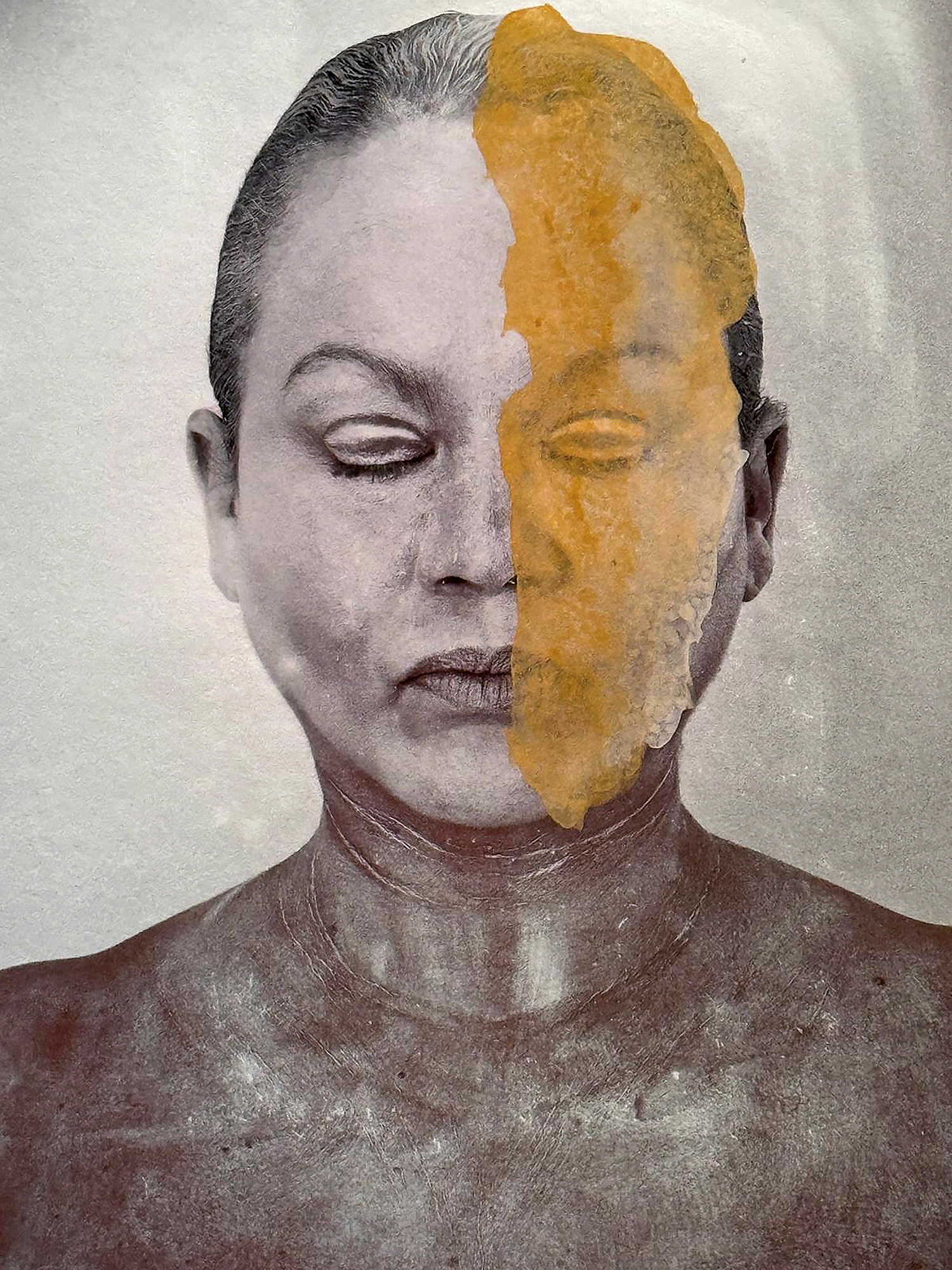
Further pushing the boundaries of photographic discourse, the group show "The Cannibal Image," also part of "Emerging Voices," challenges the traditional understanding of photography as a mere conduit between the external world and the viewer. Curator Alessandra Chiericato posits that photography, in this context, is presented as an entity with its own agency, possessing "a visceral, almost bestial appetite for reality." This conceptual framing encourages a re-evaluation of how we interact with and interpret photographic imagery.
Broader Festival Themes: Forms of Life and Independence
Beyond the Discovery Awards and Emerging Voices, the festival’s thematic sections broaden the scope of inquiry. The "Forms of Life" section delves into the realm of non-human existence, featuring an exhibition on "The Nature of Edward Steichen" and a substantial showcase titled "Animal Model." These exhibits invite contemplation on alternative forms of consciousness and our relationship with the natural world.
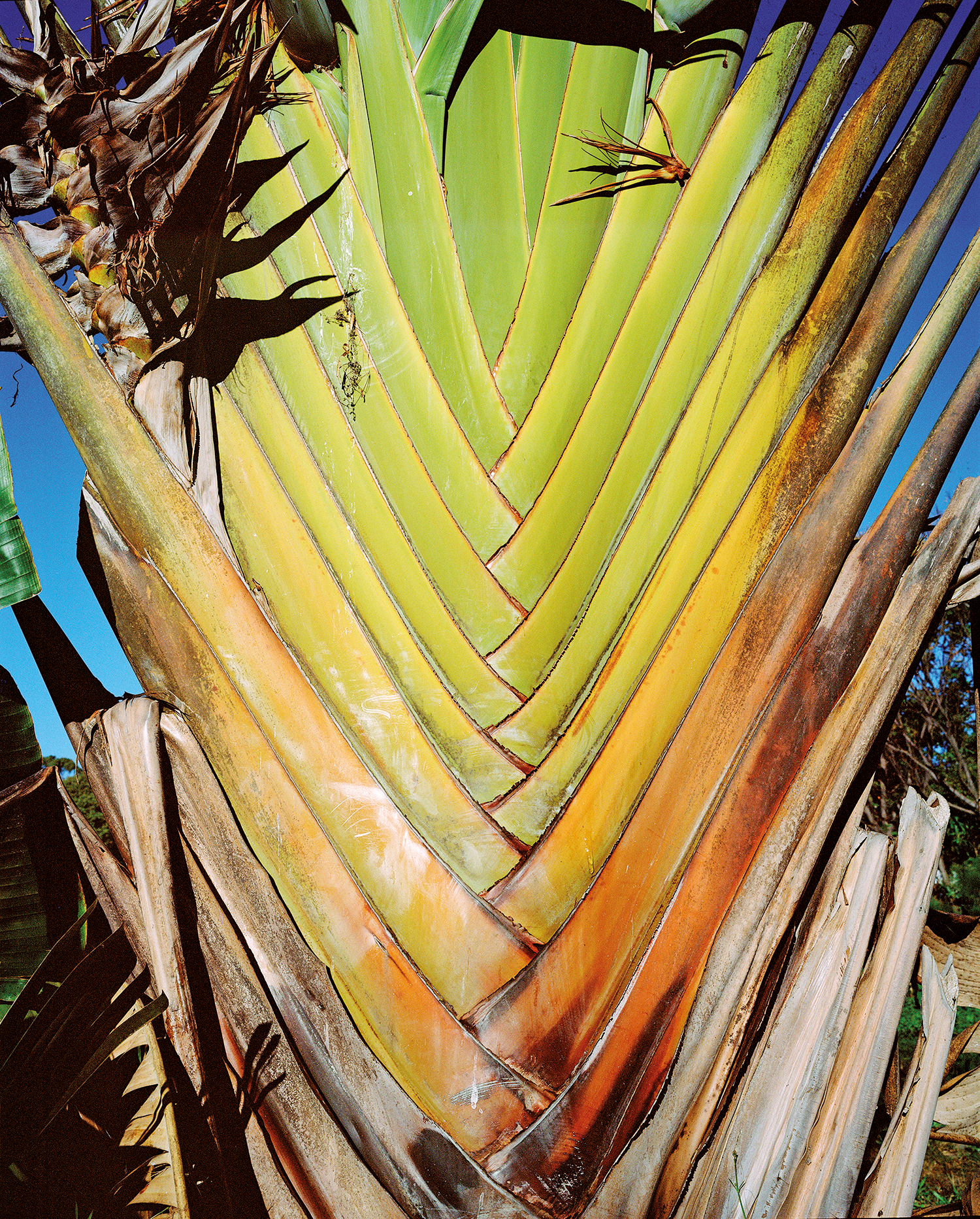
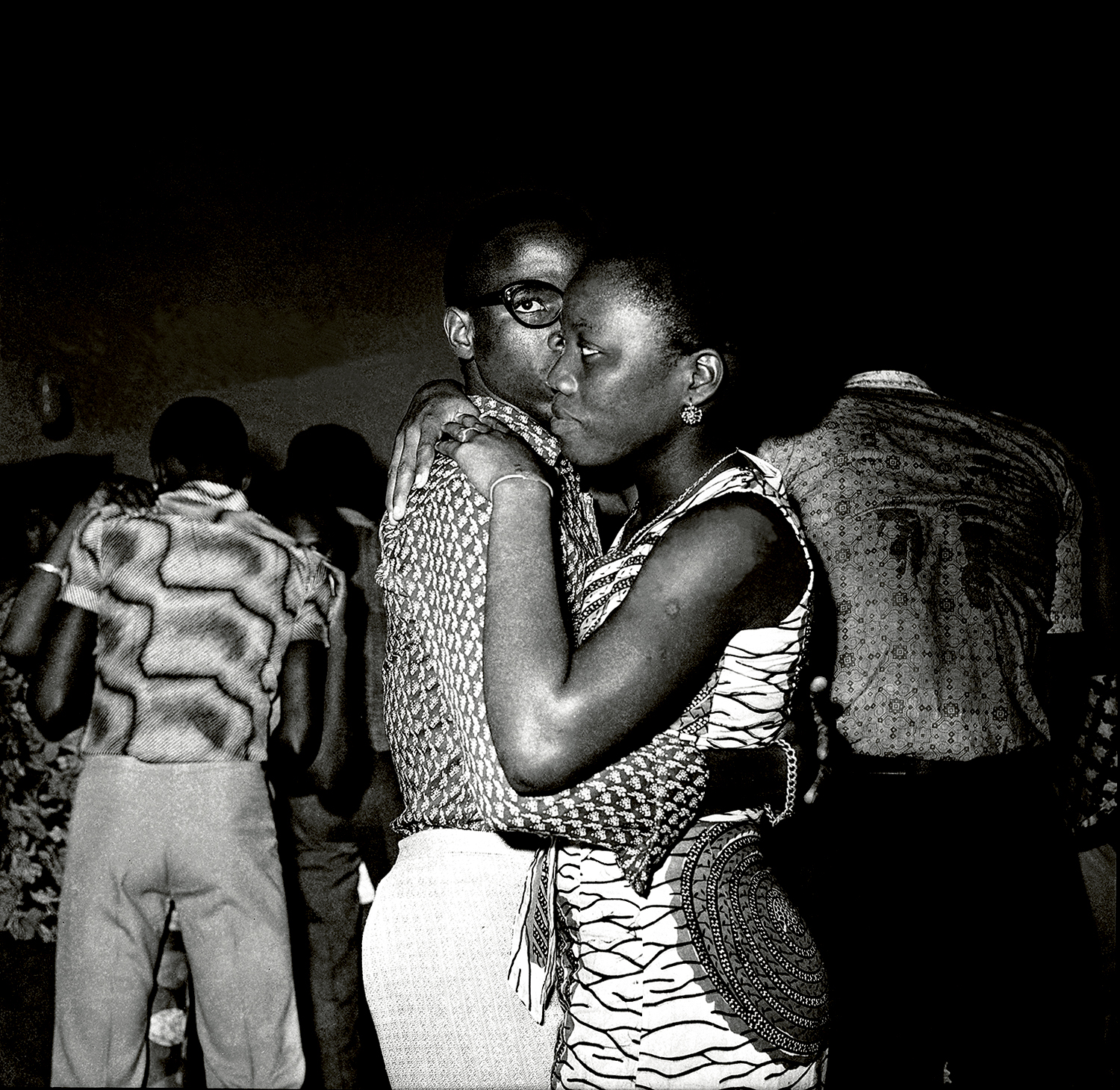
The "Independence" section offers a compelling journey through Africa, examining post-colonial perspectives on established narratives and the strategies employed to transcend them. Thato Toeba’s "Anyone Can Be Lucifer" exemplifies this theme through its use of collage to deconstruct the enduring impact of the British Empire, particularly in South Africa. A significant highlight within this section is "Photoromance" by Ivorian artist Paul Kodjo. This marks Kodjo’s first major solo exhibition in France, recognizing him as a pivotal figure in post-independence African visual culture. His pioneering work includes co-founding the avant-garde agency MAMEDIS (Mass Media Service) and his exploration of the photo-novel, a format that blends photography with narrative storytelling. The festival also features solo exhibitions by established, yet experimental artists such as William Klein, Harry Gruyaert, and Ming Smith, demonstrating a commitment to both established and emerging voices.
Context and Controversy: Navigating Complex Realities
Les Rencontres d’Arles has, in recent years, faced criticism for what some perceived as an apolitical stance in its exhibitions, particularly concerning sensitive global events like the conflict in Gaza. While this year’s festival may not entirely assuage such criticisms, its thematic focus on complex narratives and diverse perspectives is a testament to its evolving engagement with contemporary issues. Festival director Christoph Wiesner acknowledges the prevailing climate, noting that "everything pushes toward simplification, division and reduction." In response, he emphasizes that this edition aims to "create a space for complexity and attentiveness," a mission that the Discovery Awards and the broader festival programming seem intent on fulfilling.
A Timeline of Shifting Perspectives:
- 1863: The photograph "The Scourged Back" is taken, depicting the scars of a man who escaped slavery.
- 2025: The Trump administration orders the removal of "The Scourged Back" from US National Park exhibitions, sparking controversy over historical representation.
- 2025-2026: Curator Nadine Hounkpatin conceives of the curatorial theme for the Discovery Awards at Les Rencontres d’Arles, influenced by events surrounding historical image censorship and the nature of truth-telling in art.
- 2026: Les Rencontres d’Arles opens, featuring the Discovery Awards and other thematic sections that explore alternative narratives, post-colonial perspectives, and the evolving role of photography in shaping our understanding of reality.
The artists featured in the Discovery Awards, and indeed throughout Les Rencontres d’Arles 2026, are not offering easy answers. Instead, they are presenting a complex tapestry of visual inquiry, inviting audiences to engage critically with the world and to question the established narratives that often shape our perception. By foregrounding diverse voices and challenging conventional frameworks, the festival, through initiatives like the Discovery Awards, is fostering a crucial dialogue about how we see, understand, and ultimately, construct our reality.