The Future of Fashion: Highlights from the 2026 HEAD Geneva Graduation Showcase

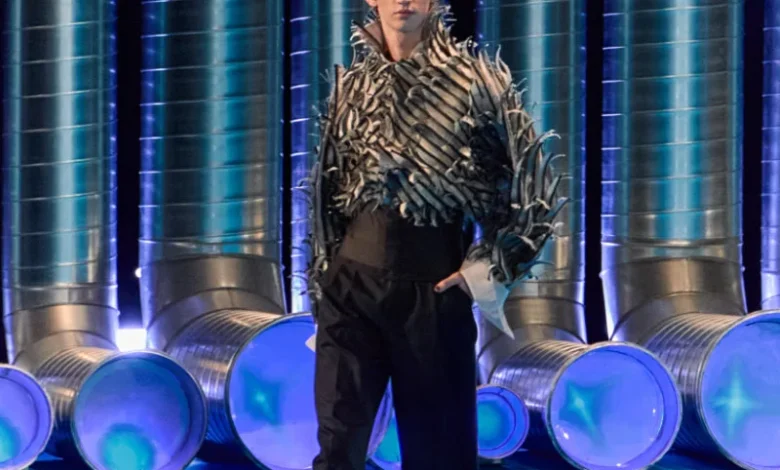
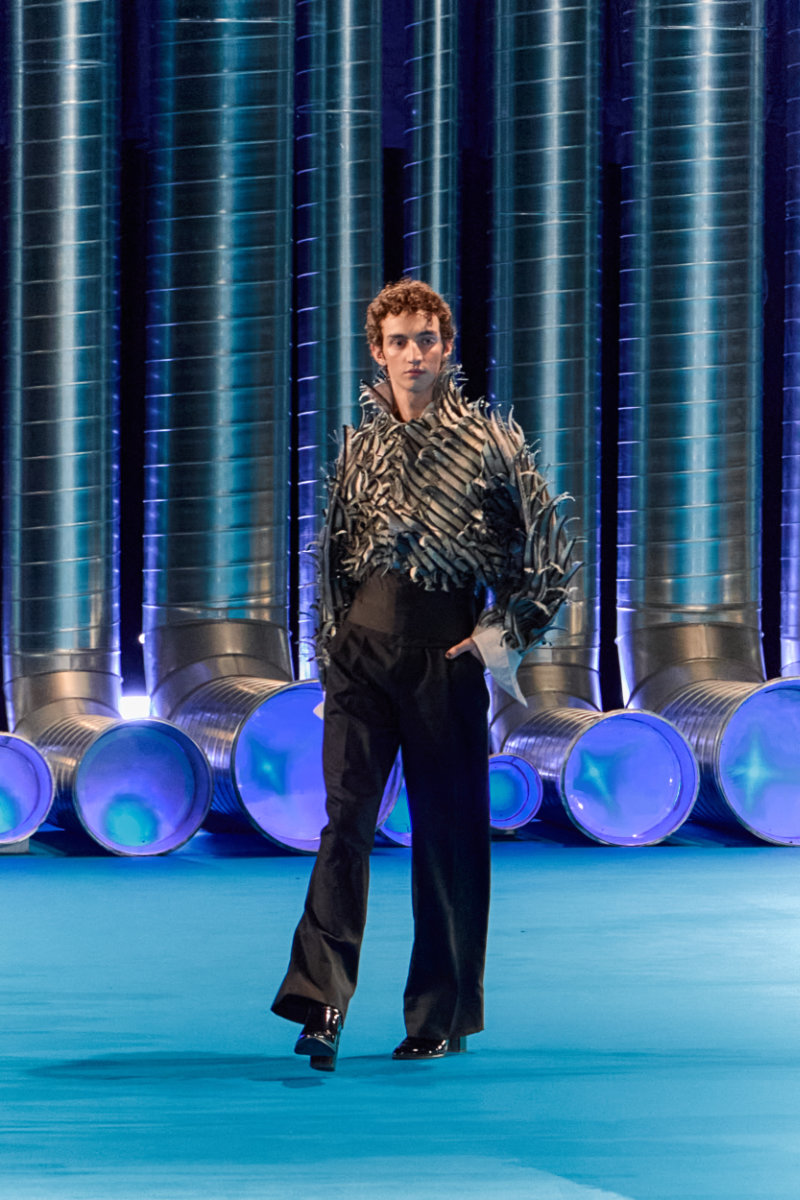
Every November, the Swiss city of Geneva becomes the epicenter of academic fashion innovation as HEAD (Haute école d’art et de design) hosts its annual graduation showcase. The 2026 edition proved to be a watershed moment for the institution, presenting a rigorous examination of the current state of menswear. Held before an audience that bridged the gap between seasoned industry veterans and the next generation of creative talent, the event featured a distinguished jury panel including designer Craig Green, industry critic Tim Blanks, and fashion luminary Kris Van Assche. This assembly of experts underscored the school’s growing prestige and its unique position in the European educational landscape.
A Beacon of Accessibility and Excellence
In an era where the cost of prestigious fashion education has skyrocketed, often creating a barrier to entry for talented but under-resourced students, HEAD maintains a distinct competitive advantage: affordability. By keeping tuition accessible while upholding high standards of technical craft, the school has cultivated a uniquely diverse student body. This international mix of perspectives was evident on the runway, where the cultural backgrounds of the students influenced the silhouettes and material choices presented.
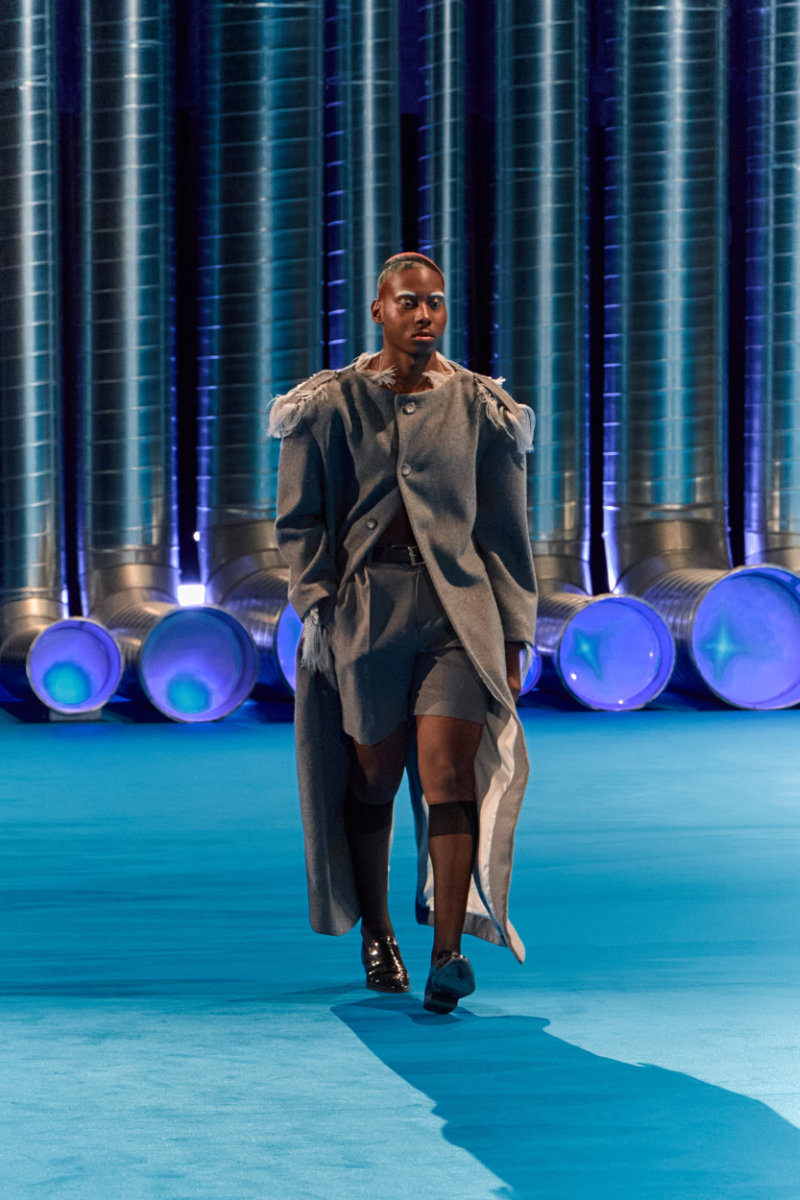
Industry analysts have long pointed to the “democratization of design education” as a necessary evolution for the fashion sector. By prioritizing access, HEAD has effectively created a pipeline for talent that might otherwise be overlooked by more expensive, exclusionary institutions. The 2026 showcase served as a testament to this strategy, demonstrating that financial barrier-lowering does not necessitate a decline in avant-garde output.
The Great Divide: Performance vs. Pragmatism
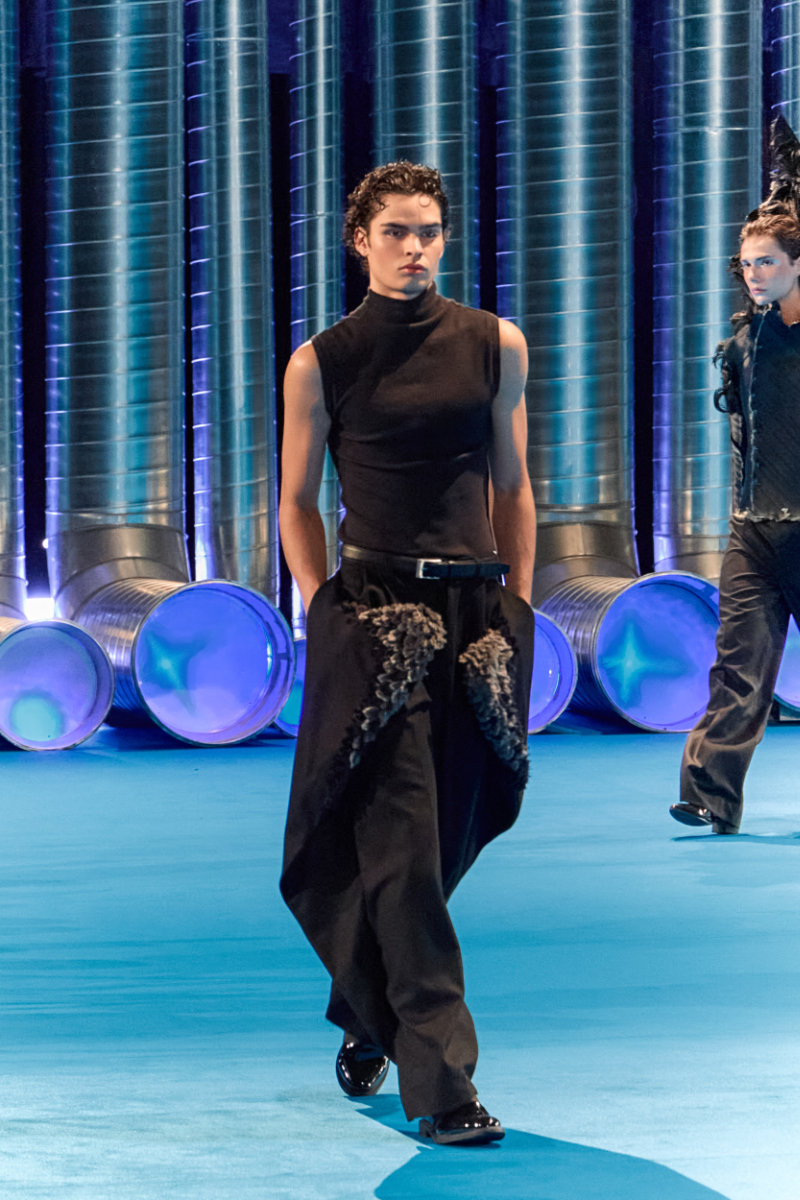
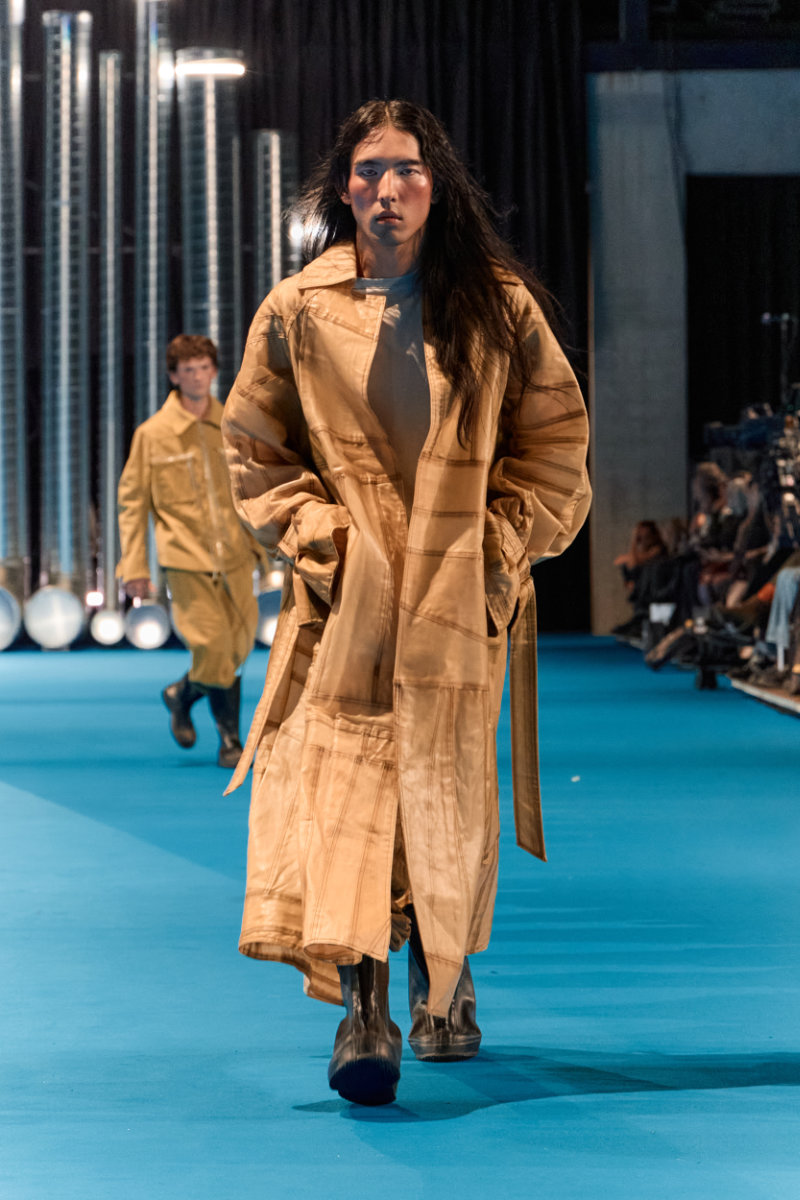
A central theme emerging from the 2026 collection was the philosophical tension between "fashion as spectacle" and "fashion as product." This year’s graduates appeared to be navigating the same internal crisis currently gripping the global fashion industry. On one side of the spectrum, designers are incentivized by social media algorithms to create hyper-performative, viral-ready garments that prioritize visual impact over wearability. On the other, there is a renewed, perhaps reactionary, focus on sartorial pragmatism—the idea that clothes must, first and foremost, function in a real-world environment.
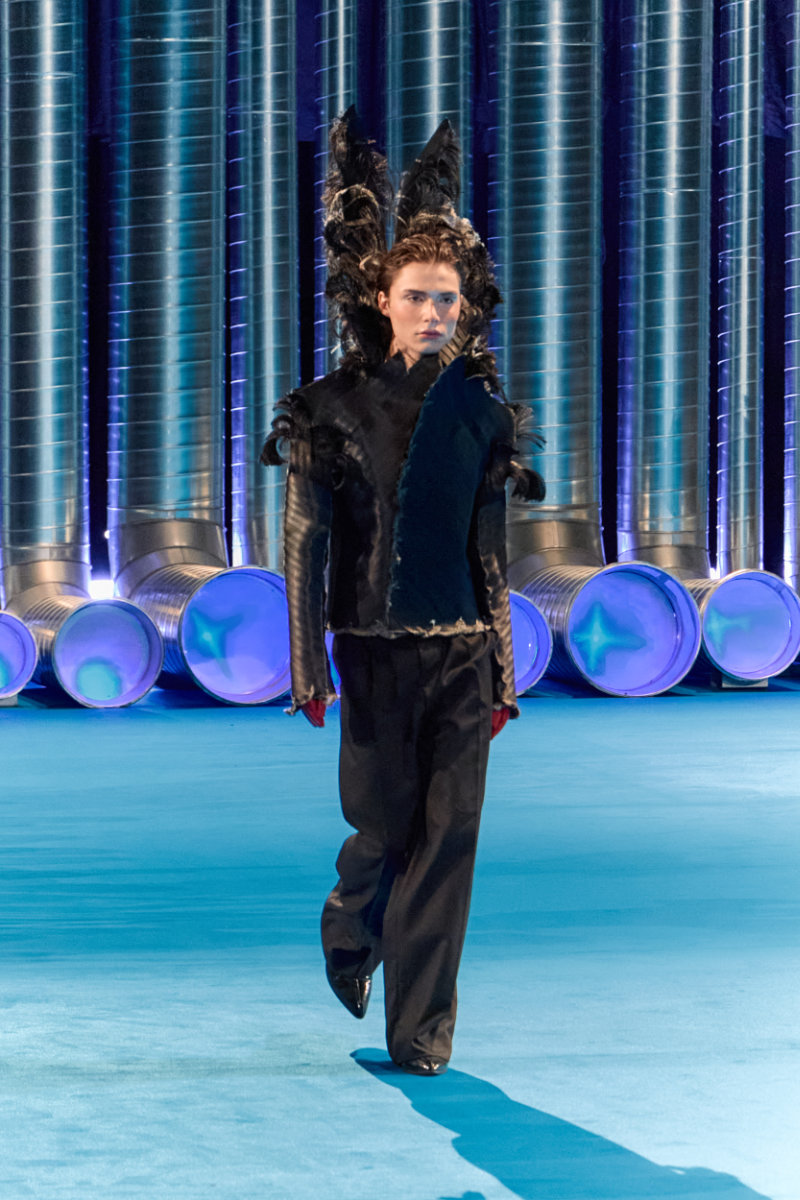
This divide raises a critical question for design pedagogy: Should students be encouraged to chase the artistic "dream" and bold aesthetic statements, or should they be grounded in the harsh commercial realities of the global market? The faculty at HEAD seems to have struck a balance, allowing students the freedom to experiment while providing the technical foundation necessary to navigate a career in high-fashion production.
Individual Visions: The Standout Collections
The diversity of the 2026 cohort was best illustrated through the specific, deeply personal narratives of four key graduates, each representing a different facet of the contemporary menswear conversation.
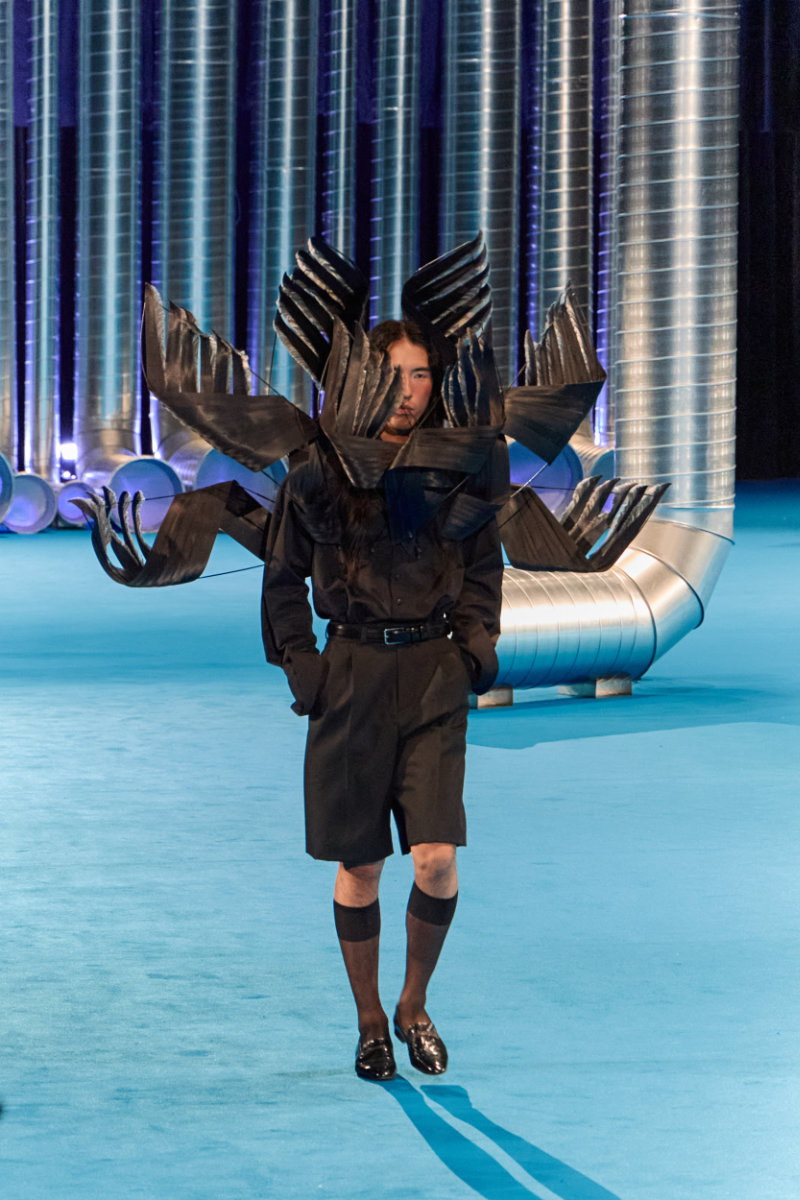
Loris Cedolin: The Alchemy of the Mundane
Bachelor student Loris Cedolin’s collection, titled "Fais-moi cygne," served as a masterclass in material subversion. By taking the humble, everyday object—specifically components of automotive interiors—and elevating them through high-level craftsmanship, Cedolin challenged the audience’s perception of luxury. His use of shredded seat belts to mimic the delicate texture of swan feathers was a standout moment of the show. By transforming industrial debris into elegant, tailored garments, Cedolin successfully proposed a vision of the "contemporary dandy" that is both sustainable and intellectually rigorous. His work reinforced the idea that true innovation in fashion often comes from re-contextualizing what we already possess.
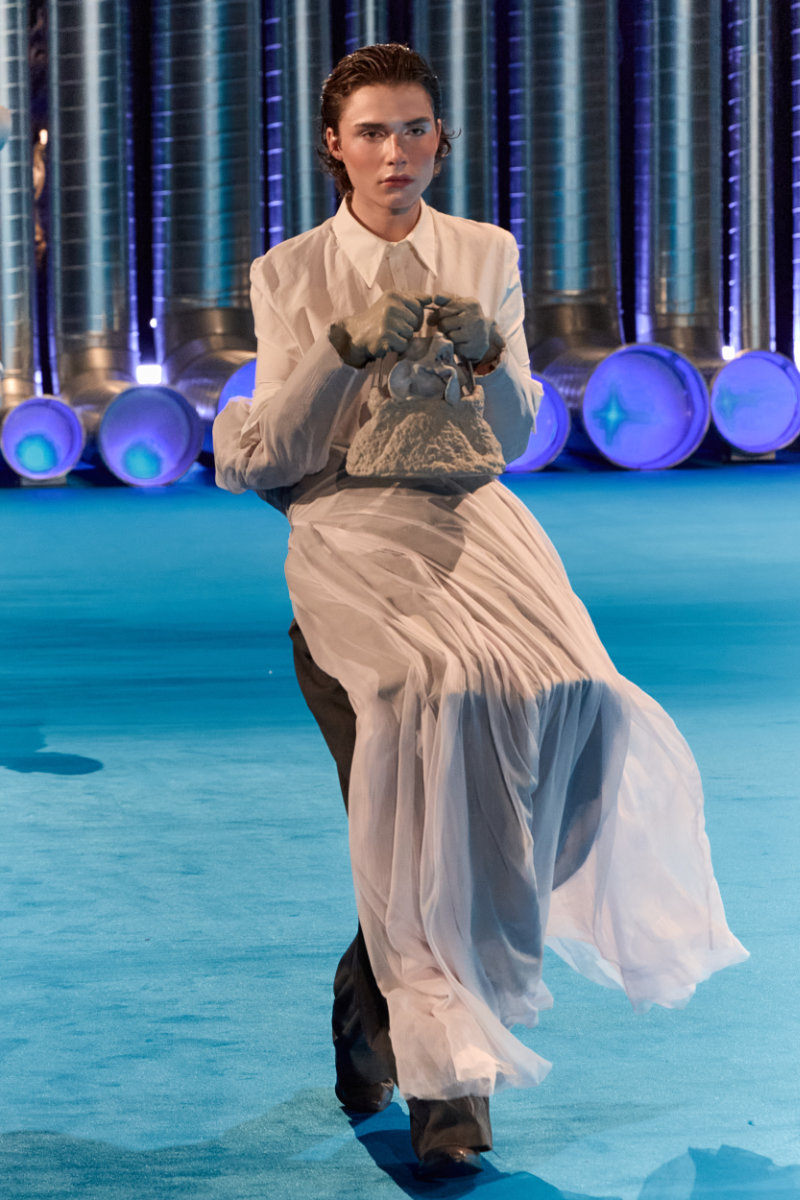
Antoine Panabière: Surrealism and the Doppelganger
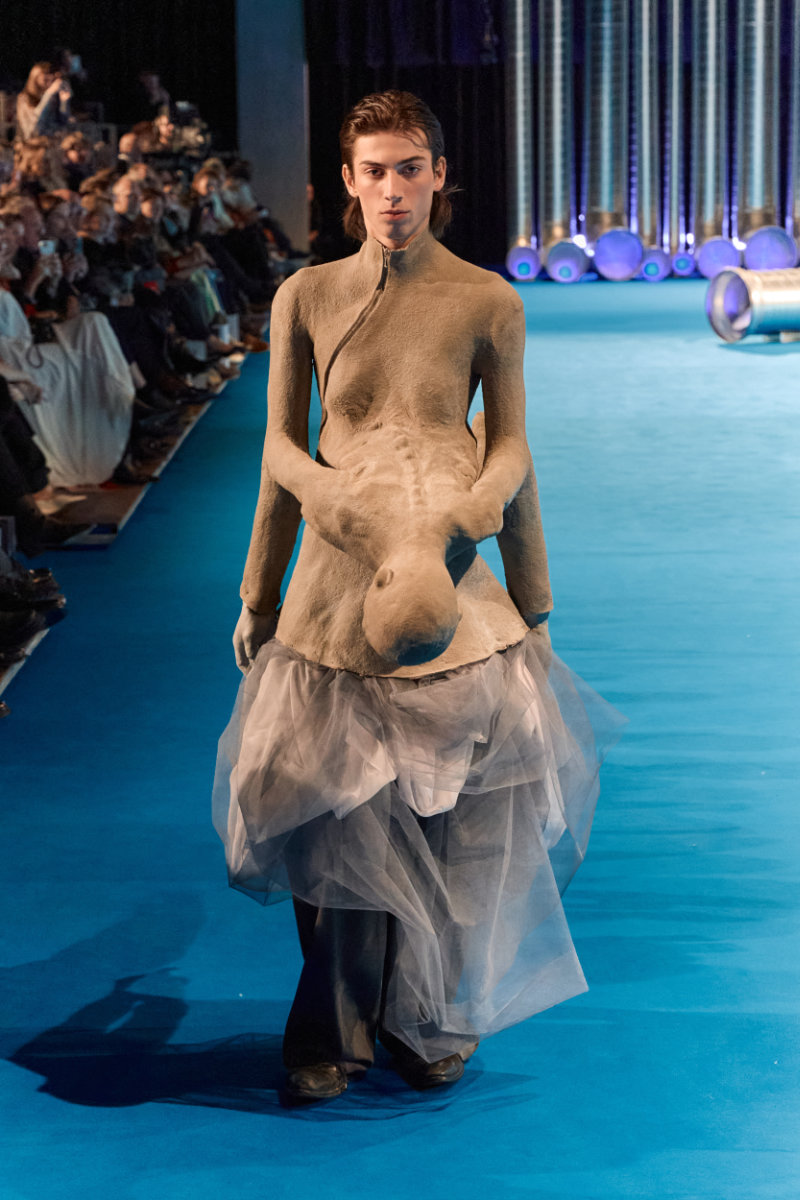
The recipient of the coveted Jury Prize, Antoine Panabière, presented a collection that blurred the lines between fashion and performance art. Titled "L’autre main," the collection drew inspiration from the world of puppetry and the psychological concept of the doppelganger. Critics in attendance noted the melancholic, haunting quality of the work, which felt particularly resonant in the current socio-political climate. Panabière’s ability to combine the surrealist aesthetic of René Magritte with the deconstructed, structural sensibilities of Rei Kawakubo created a visual language that felt both alien and profoundly human. His success suggests that the industry still craves designers who are willing to take risks and explore the boundaries of human identity.
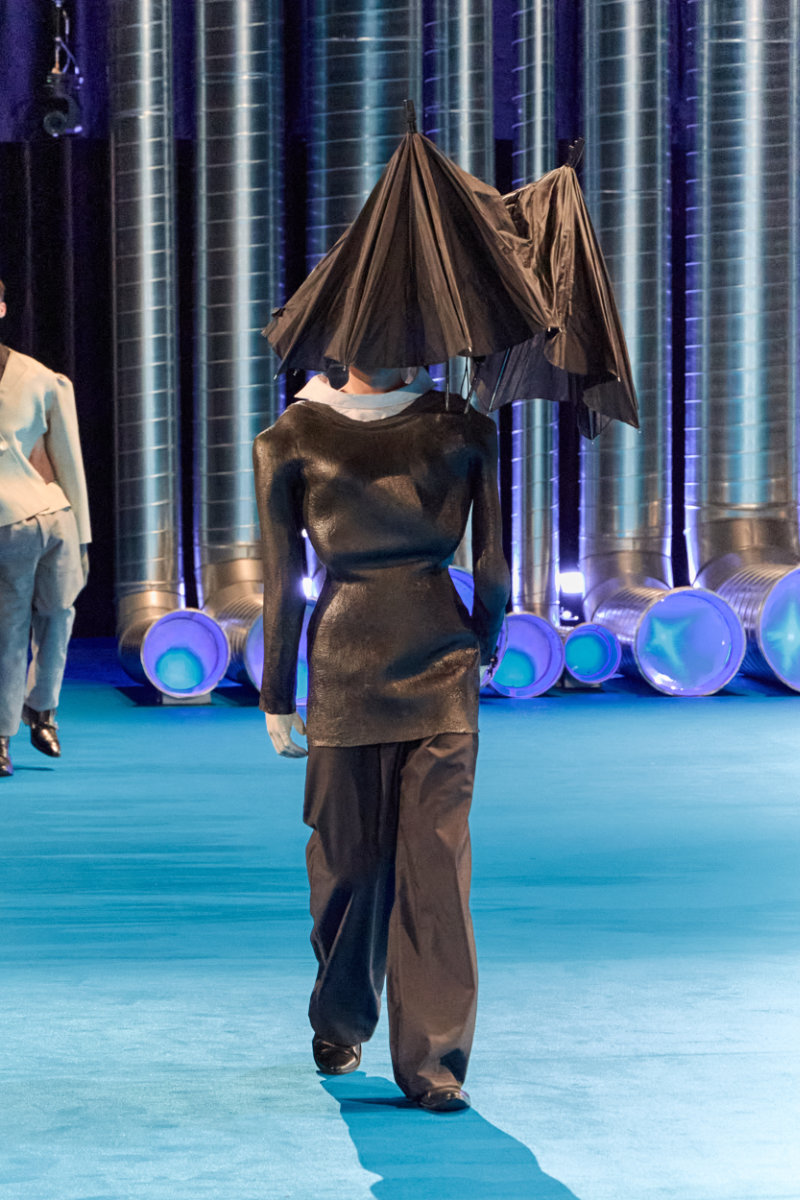
Tanguy Mélinand: Utility and Heritage
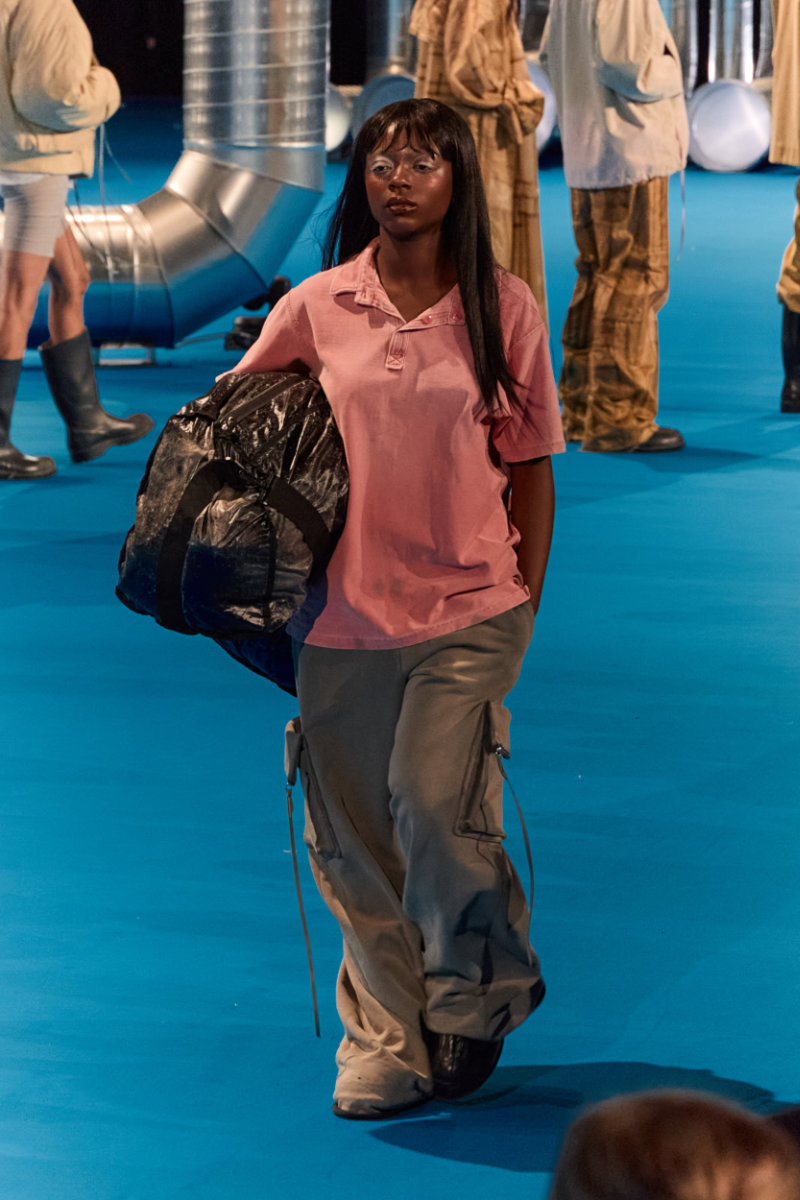
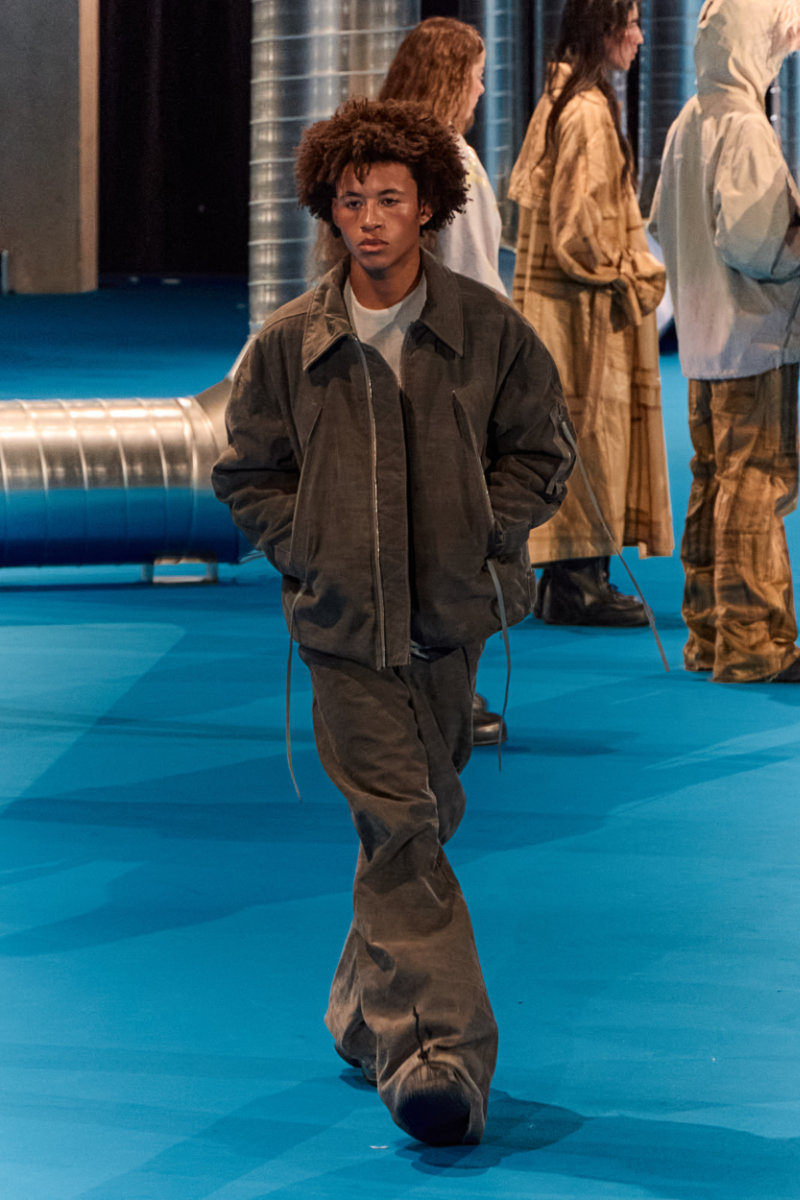
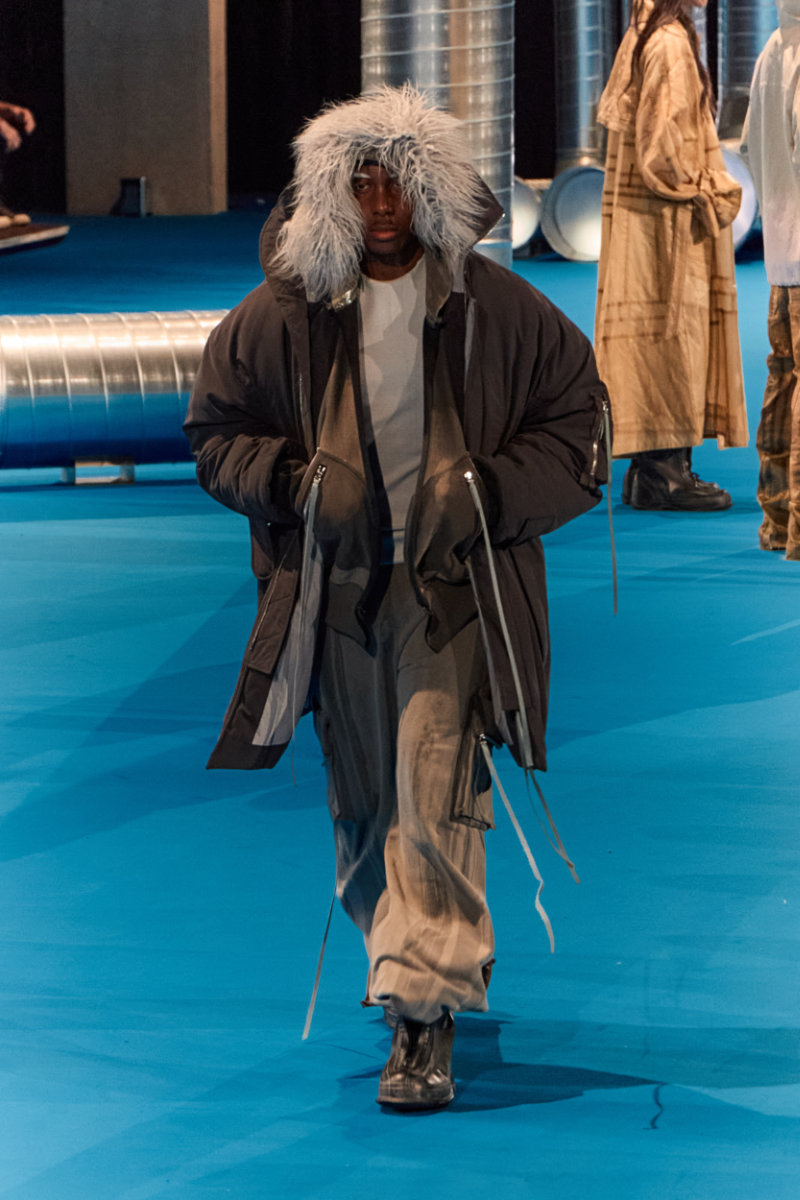
Masters student Tanguy Mélinand opted for a more grounded approach. His collection, "Muddy Sea," focused on the rugged, unpredictable landscapes of Brittany. By engineering garments designed specifically for protection and utility, Mélinand positioned himself as a designer focused on the longevity of the garment. His stated admiration for the late Helmut Lang was evident in the minimalism and functionalism of his designs. The decision to cast his own father as a model provided an authentic, timeless quality to the presentation, further emphasizing that his collection was designed for wear, not just for the flash of a camera.
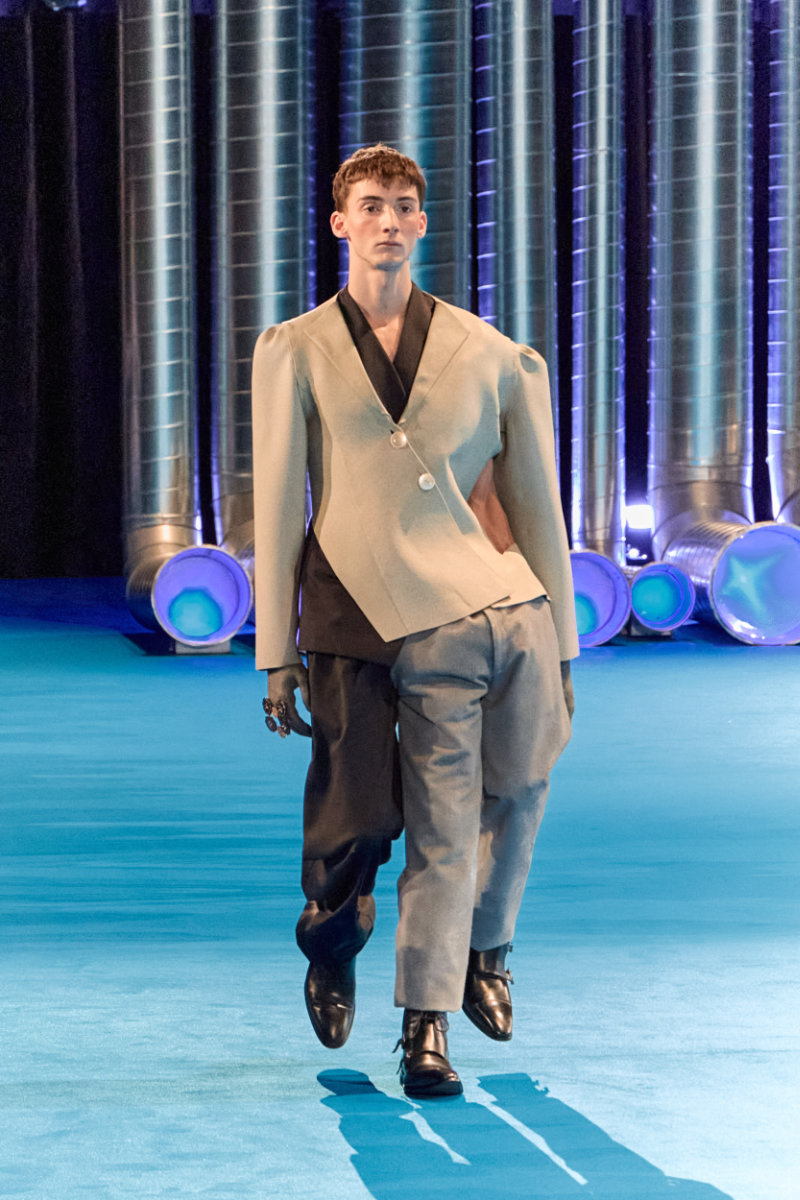
Nassim Arman: The New Masculinity
The winner of the Bachelor Bongénie Prize, Nassim Arman, offered a nuanced exploration of what it means to be masculine in 2026. His collection, "Zéro De Conduite," focused on the concept of "sartorial rebellion." Arman achieved this by taking classic menswear archetypes—the blazer, the white shirt—and manipulating them through draping and asymmetrical cutting. By softening the sharp, rigid lines of traditional menswear, he introduced a sense of intimacy and vulnerability that is rarely seen in mainstream suiting. Arman’s work is indicative of a broader industry shift toward "soft power," where sensitivity is framed as a form of strength rather than a weakness.
Industry Implications and Future Outlook
The 2026 HEAD showcase did more than just present new designs; it provided a roadmap for the future of the luxury sector. The inclusion of figures like Craig Green and Tim Blanks on the jury confirms that the industry is actively looking to Geneva for the next generation of creative directors.
From an economic standpoint, the success of these students suggests a cooling of the "maximalist era." While performance art remains a component of the industry, there is a clear demand for pieces that possess a narrative depth, high-quality construction, and a sense of purpose. For HEAD, the challenge moving forward will be to maintain this high level of mentorship while adapting to the rapid digitalization of fashion retail and the increasing pressure for brands to address environmental sustainability.
The success of the 2026 cohort—particularly those who balanced high-concept design with wearable silhouettes—suggests that the next generation of designers is better prepared for the commercial market than previous classes. They appear to have moved past the binary of "art vs. business," recognizing that a successful brand today must be both intellectually stimulating and functionally superior.
As these graduates transition into the workforce, their work will likely be monitored by the major luxury conglomerates, many of which have begun to prioritize local, heritage-focused craft over globalized mass production. Whether they choose to start their own labels or join established houses, the 2026 class of HEAD Geneva has made one thing clear: the future of fashion is being written not just in the ateliers of Paris and Milan, but in the classrooms of Geneva, where the focus remains steadfastly on the marriage of craft, identity, and the evolving nature of the human form.