American Eagle is turning RushTok and malls into its back-to-school sales engine

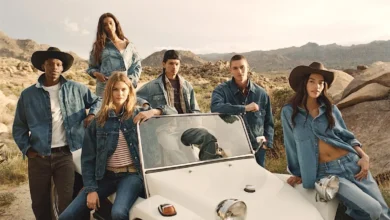
For the crucial 2026 back-to-school season, American Eagle Outfitters is launching an ambitious, multi-pronged campaign designed to cement its position as a leading youth apparel retailer and significantly boost denim sales. Departing from the singular, mass-cultural approach of previous years, the retailer is strategically immersing itself in the diverse cultural landscapes shaping Gen Z and Gen Alpha, focusing on sorority houses, physical malls, and global sports. The approximately 10-week campaign, which commenced on July 22, integrates high-profile celebrity endorsements with grassroots creator partnerships and interactive in-store experiences, aiming to convert seasonal frenzy into enduring customer loyalty and robust purchases.
The Strategic Pivot: From Monoculture to Multiverse
American Eagle’s chief marketing officer, Craig Brommers, articulated the rationale behind this strategic shift, noting a departure from the "monoculture moment" that characterized their 2025 back-to-school initiative. "In 2025, American Eagle launched a campaign that created monoculture," Brommers stated, referencing the highly publicized Sydney Sweeney campaign. "As we prepared for this season, we did, as we always do, a lot of listening to our core Gen-Z and Gen-Alpha customer base. The one thing that struck us is this is not a monoculture moment."
The 2025 campaign, while undeniably successful in generating significant cultural attention and brand awareness, presented a nuanced picture in terms of direct sales conversion for the American Eagle brand itself. Within six weeks of its July 2025 launch, the Sydney Sweeney-led initiative reportedly attracted 790,000 new customers across every U.S. county, added nearly 320,000 social followers, and spurred denim sellouts and positive traffic. Brommers had, at the time, described it as the company’s most expensive campaign to date, reflecting a substantial investment in a single, high-impact celebrity presence.
Financially, the longer-term results were mixed. In the third quarter of 2025, American Eagle Outfitters (AEO) reported record revenue of $1.36 billion, marking a 6% year-over-year increase, with comparable sales rising by 4%. However, the growth at the flagship American Eagle brand was a more modest 1% in comparable sales, significantly trailing the impressive 11% growth posted by its sister brand, Aerie. Elevated advertising spending, a direct consequence of the extensive 2025 campaign, also contributed to an increase in selling, general, and administrative expenses. This outcome underscored both the potency of celebrity-led campaigns in driving awareness and acquisition, and the challenge of translating that buzz directly into sustained sales growth for the core brand. The 2026 strategy, therefore, is a direct response to this dual insight: leverage broad appeal while simultaneously cultivating deeper, more localized engagement to accelerate purchase conversion.
Campus Domination: The RushTok Phenomenon
Central to American Eagle’s 2026 "top-down, bottom-up creator strategy" is an ambitious expansion into the burgeoning social media ecosystem known as RushTok. This digital subculture, revolving around U.S. sorority recruitment, has become a powerful, organic platform for youth trends and product visibility. Beginning in August, American Eagle will directly partner with five prominent sorority chapters at key institutions, including the University of Florida, the University of Alabama, and Arizona State University.
This program goes beyond simple sponsorship, involving comprehensive chapter-house takeovers. These activations will feature product displays, exclusive giveaways, curated events, and even room redesigns specifically engineered to serve as aesthetically pleasing backdrops for rush-related content creation. Recognizing the authentic influence wielded by individual students, American Eagle will also contract separately with chapter members who have already cultivated substantial online followings, effectively turning sorority houses into localized content hubs.
The program is slated to launch with over 25 individual creators, with additional participants expected to join throughout the academic year. Confirmed creators boast significant reach: University of Florida student Avery Katherine Wood (498,000 Instagram followers; 2 million TikTok followers), Ohio State University student Naelle Eva (2,000 Instagram followers), University of Florida student Olivia Kao (3,500 Instagram followers; 24,000 TikTok followers), University of Alabama student Haylee Puckett (5,200 Instagram followers; 7,000 TikTok followers), and Arizona State University student Isabelle Brooke (9,900 Instagram followers; 18,500 TikTok followers). These agreements are comprehensive, combining paid content creation, affiliate marketing activities, event appearances, and product gifting. Each partnered creator and chapter is committed to producing between four and ten pieces of content across Instagram and TikTok, although specific financial terms remain undisclosed.
Brommers emphasized the commercial evolution of RushTok, stating, "RushTok has become a commercial opportunity for the girls that go through recruitment and for the chapters themselves. It is a proper business partnership." This approach effectively adapts elements of collegiate name, image, and likeness (NIL) marketing to the Greek life context, transforming sorority houses into dynamic, peer-to-peer creator networks capable of generating dozens of authentic American Eagle content pieces during the peak recruitment period. The strategy taps into the Gen Z preference for authentic, peer-generated content over traditional advertising, leveraging the inherent trust and community within sorority life.
The commercial viability of RushTok has already been demonstrated by other brands. Kendra Scott, for instance, saw its Elisa pendant become a ubiquitous accessory in 2023 rush outfit videos, following up on this organic visibility with a multi-college pop-up tour. The jewelry brand subsequently reported double-digit year-over-year growth during August rush weeks, according to its agency January Digital. Similarly, Poppi has sponsored sorority bid-day events, while brands such as Skims, Maybelline, LoveShackFancy, and Princess Polly have developed tailored products, gifting programs, or recruitment-focused edits specifically for the RushTok audience. American Eagle’s deep dive into this space signifies a belief in its potential not just for brand awareness, but for direct sales conversion through highly targeted, influential peer networks.
The Return to Retail: Experiential Mall Activations
Complementing its digital campus strategy, American Eagle is simultaneously re-emphasizing the physical retail experience through a series of mall activations designed to convert broader interest into tangible store visits and denim purchases. This strategy marks a deliberate departure from the digital-first urgency models often favored by contemporary retailers. "Sometimes you would drop an exclusive collection on e-commerce or maybe inside your app, and you would drive clicks," Brommers explained. "But we are really seeing a tremendous return to the mall from young people."
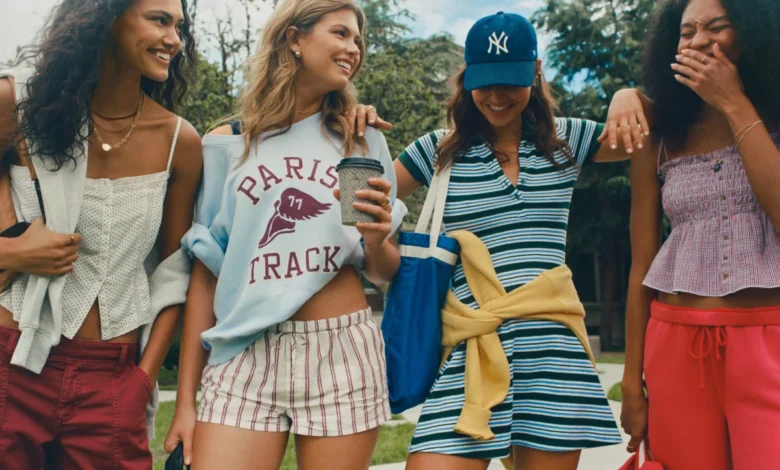
Throughout July, August, and September, American Eagle will introduce limited-edition low-rise jeans, priced between $69.95 and $89.95, across all its physical stores. This in-store exclusivity aims to drive traffic and create a sense of scarcity around key denim styles. Beyond product drops, selected flagship locations, including Aventura Mall, Roosevelt Field, and Scottsdale Fashion Square, will host immersive, in-person events. These activations are designed to be experiential, featuring appearances by creators, personalized styling sessions, on-site customization services, exclusive giveaways, and localized merchandise.
The rationale behind this focus on physical retail is rooted in evolving consumer behavior, particularly among younger demographics. As Brommers articulated, "If you are taking the time and expense of getting in your car, filling up that very expensive gas, paying for parking and going into a mall, what we’ve heard is it’s not just about a transaction. [Our shoppers] want an experience." This insight aligns with broader retail trends indicating that while e-commerce offers convenience, physical stores must evolve into destinations that provide entertainment, community, and personalized engagement to justify the effort of an in-person visit. For Gen Z and Gen Alpha, who are digital natives but also seek authentic social interaction, the mall can serve as a crucial third space, and retailers like American Eagle are capitalizing on this demand for experiential shopping.
Additional back-to-school initiatives reinforcing this physical-digital blend include "Mall Diaries," a social media series designed to evoke nostalgia for early-2000s mall culture, and "Jeans for Life," an August promotion encouraging shoppers to try on denim in-store and enter a giveaway, further driving foot traffic and product engagement.
Global Reach: Sports, Celebrity, and Long-Term Bets
Beyond campus and mall activations, American Eagle is making a significant long-term investment in global sports culture to connect its denim business with a broader, aspirational audience. This is epitomized by its partnership with footballer Lamine Yamal, a key player in the Spain squad that recently won the World Cup. American Eagle signed Yamal to its first-ever five-year ambassador deal after Brommers met him in September 2025, signaling a substantial commitment beyond a typical seasonal campaign.
This partnership has already seen creative activations, with American Eagle temporarily renaming its social channels "Lamine’s Eagles" and rebranding its bestselling denim fit as "The AE 19," a direct reference to Yamal’s jersey number and age. This level of integration aims to create a strong, authentic link between the athlete’s burgeoning global fame and the American Eagle brand. The partnership culminates on September 3 with the launch of a collaborative product collection, offering fans a tangible connection to Yamal through American Eagle merchandise. "This is a big bet," Brommers affirmed. "This is a five-year partnership, which is something we have never done before." This long-term strategy with a global sports icon positions American Eagle to tap into the immense reach and influence of international football, particularly among youth demographics who follow sports figures closely on social media.
The Back-to-School Battleground: Industry Context and Broader Implications
The back-to-school season represents a critical sales period for retailers, often second only to the holiday season. Industry analysts project back-to-school spending in 2026 to be robust, driven by continued consumer demand for apparel, supplies, and electronics. The National Retail Federation (NRF) typically reports total back-to-school and college spending exceeding tens of billions of dollars annually, with apparel consistently being a top category. For a brand like American Eagle, heavily reliant on youth fashion, this period is indispensable for market share gains and new customer acquisition.
American Eagle’s multi-faceted strategy reflects several broader trends in youth marketing. Firstly, the increasing fragmentation of youth culture means that a "monoculture" campaign, while capable of generating buzz, may not be sufficient to capture diverse consumer segments or drive direct sales efficiently. A distributed strategy, leveraging multiple touchpoints and creator tiers, offers a more granular and potentially more effective approach. Secondly, the rise of the creator economy and micro-influencers has shifted marketing away from traditional advertising toward authentic, peer-to-peer recommendations, which the RushTok initiative expertly taps into. Gen Z, in particular, values authenticity and relatability, often trusting creators more than traditional brand messaging. Thirdly, the resurgence of physical retail, especially for experiential purposes, signals a hybrid shopping future where digital discovery leads to in-store engagement and vice versa.
The denim market itself remains highly competitive, with a constant evolution of styles (such as the current popularity of low-rise jeans, which AE is featuring). American Eagle currently positions itself as the No. 1 jeans brand among U.S. consumers aged 15-25, though specific percentage share data is not publicly disclosed. Maintaining this leadership requires continuous innovation in both product and marketing. The global denim market is projected to continue growing, with innovation in sustainable production and fit being key drivers.
Measuring Success and Future Outlook
American Eagle will meticulously evaluate the 2026 back-to-school campaign’s performance against several key metrics: gains in jeans market share, the rate of new-customer acquisition, and overall traffic across both physical stores and e-commerce platforms. While Craig Brommers declined to provide specific numerical targets or disclose how this year’s investment compares financially to 2025, he expressed confidence in the company’s analytical capabilities. "We have pretty sophisticated modern marketing measurement tools that will allow us to understand which of these activations and partnerships drive business results," he stated.
The sheer breadth and depth of this year’s campaign underscore its significance for American Eagle. Brommers emphasized the critical nature of the period, stating, "The next couple of weeks are as important to us as the Black Friday holiday period. We are throwing everything and anything at it to continue this momentum." This aggressive, diversified approach is a calculated risk, spreading investment across various channels rather than concentrating it on a single, high-cost celebrity moment. If successful, it could set a new benchmark for youth marketing, demonstrating how brands can effectively navigate a fragmented cultural landscape to drive both awareness and, critically, sales in an increasingly complex retail environment. The outcome of this ambitious strategy will offer valuable insights into the evolving dynamics of consumer engagement and purchasing behavior among Gen Z and Gen Alpha.