Mastering Summer Wedding Attire: A Gentleman’s Guide to Staying Cool and Chic

For many a discerning gentleman, the summer wedding season presents a delightful opportunity to showcase sartorial flair. However, for those less versed in the nuances of fabric weights and weave structures, the prospect of attending a summer nuptial can quickly devolve into a decidedly uncomfortable, sweat-drenched predicament. Beyond being the peak season for matrimonial celebrations, summer’s defining characteristic is its often sweltering heat. This is hardly conducive to the embrace of a dark, three-piece suit paired with a heavy cotton shirt, a scenario that can lead to a swift descent into discomfort before the toasts even begin.
The art of attending a summer wedding with both style and composure, avoiding the ignominy of melting into a puddle before the speeches, can appear as an arcane skill to the uninitiated. Yet, this is not a matter of supernatural ability. With the right knowledge and thoughtful preparation, any man can navigate the challenges of summer wedding attire with confidence and elegance. This guide aims to demystify the process, offering practical advice and insights into the key considerations for summer wedding guest dressing.
Decoding the Dress Code: A Crucial First Step
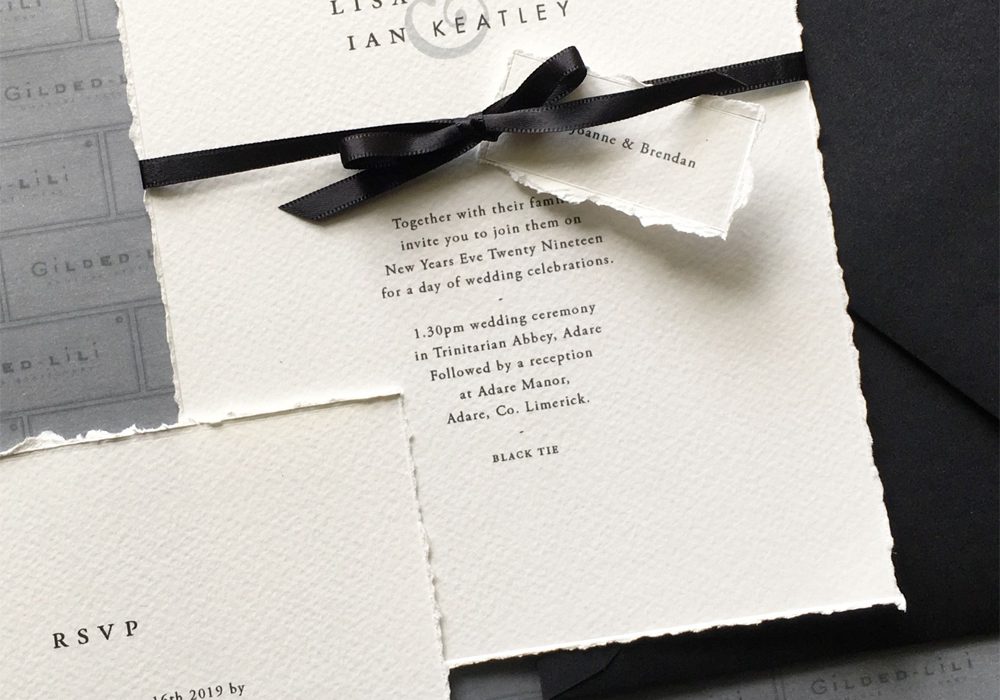
The cornerstone of selecting appropriate summer wedding attire lies in meticulously examining the wedding invitation. Typically, an explicit dress code will be stipulated, serving as an essential guideline for determining what is considered acceptable and what is not. The sheer variety of these codes can, at times, be perplexing. It is also not uncommon for some invitations to omit a dress code entirely, leaving guests to infer the expected level of formality. To avoid the faux pas of arriving at a smart casual ceremony clad in formal evening wear, a foundational understanding of common dress codes is indispensable.
Formalities and Faux Pas: Understanding the Tiers of Wedding Dress Codes
Black Tie: The Pinnacle of Formal Evening Wear
Black tie represents the most formal category of dress code, surpassed only by white tie. While it is an infrequent occurrence on a summer wedding invitation, should this designation appear, it signifies a specific sartorial mandate: the dinner suit, or tuxedo for our American counterparts. Adhering strictly to this code is paramount. The inherent challenge, of course, lies in managing the heat. The ensemble typically comprises a well-pressed dress shirt, often featuring a bib front, paired with black, immaculately polished Oxford shoes. Patent leather offers a subtle yet effective way to elevate the look. The indispensable accessory is, naturally, a black bow tie.
Formal (Black Tie Optional): Navigating Nuance
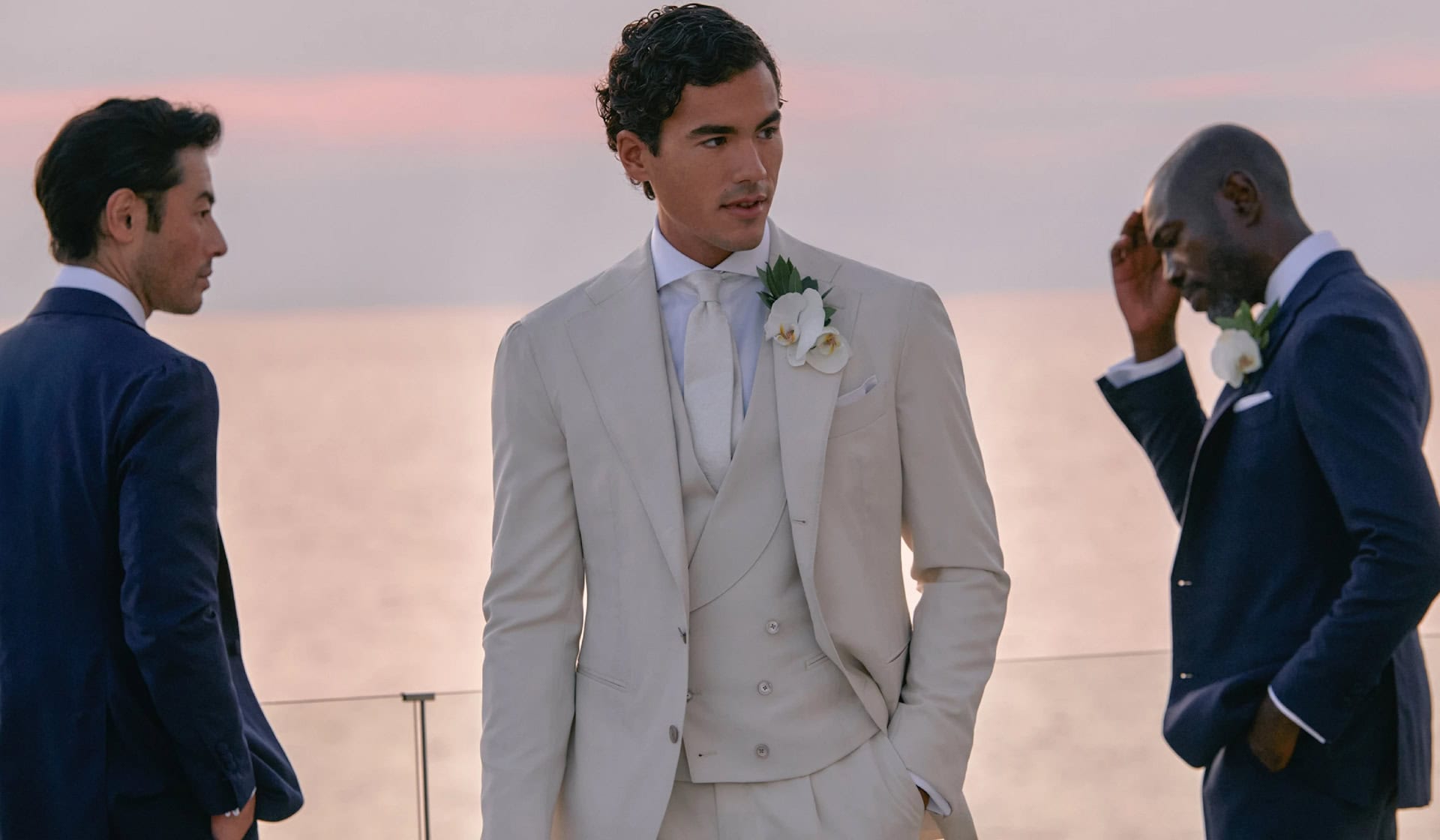
This dress code often introduces a degree of confusion. "Black Tie Optional" generally implies that the hosts will be dressed in black tie, but they are considerate enough to acknowledge that not all guests may possess or wish to wear such attire. To ensure you are appropriately dressed, it is always prudent to err on the side of formality and opt for a dinner suit, as described above. If, for any reason, this is not feasible, a standard two-piece suit, worn with a tie, is an acceptable alternative. The key is to select a dark-hued suit and, if possible, one that closely approximates the aesthetic of a dinner suit, perhaps featuring peak or shawl lapels.
Summer Smart: Embracing the Warmth with Style
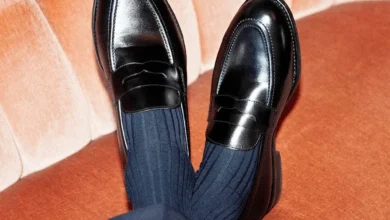
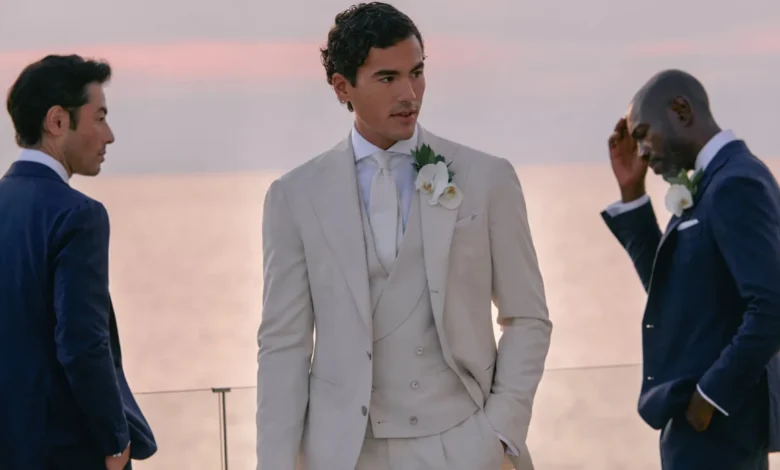
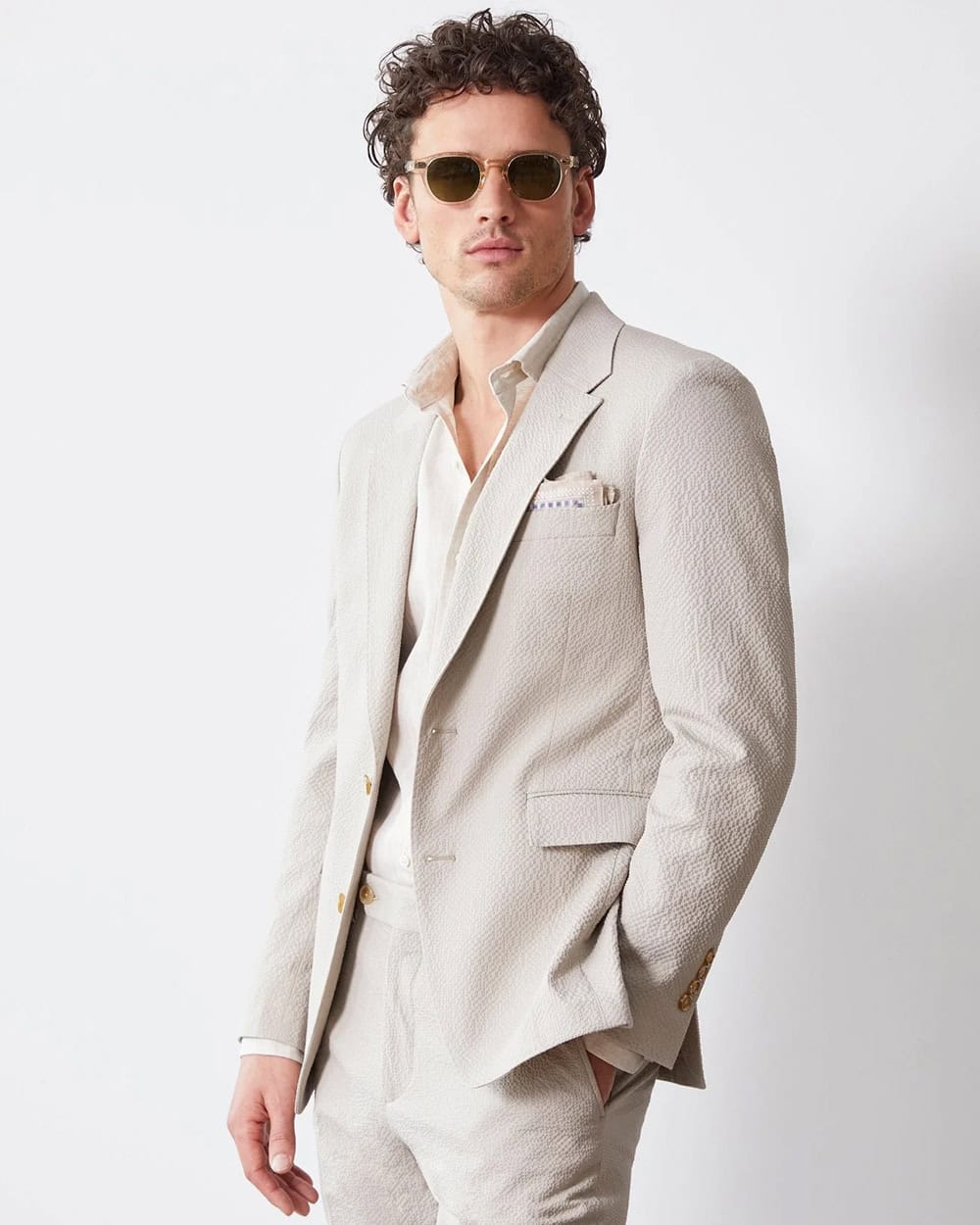
Receiving a "Summer Smart" dress code is a welcome development, signaling a reprieve from the necessity of enduring a dark, wool suit in sweltering temperatures. This popular designation for warm-weather weddings grants guests greater latitude to experiment with colours and fabrics. Light, neutral, or pastel shades in tailoring are highly effective, as is classic navy. For materials, breathable options such as linen, tropical wool, or seersucker are ideal for maintaining a cool and sophisticated appearance throughout the event. Complementing the suit with a pair of loafers in a harmonious shade and a stylish pair of sunglasses completes the look.
Smart Casual: A Blend of Ease and Elegance
The "Smart Casual" dress code offers an opportunity to shed the jacket, a practical measure for staying cool. Alternatively, if the intention is to discreetly manage potential sweat patches without appearing overly formal compared to other guests, opting for separates is a sensible strategy. In terms of footwear, the restrictions are relaxed considerably. Beyond traditional leather Oxfords, Derbies, or monk straps, loafers and brogues are perfectly acceptable. Furthermore, footwear crafted from suede or even canvas can also be appropriate, depending on the overall ensemble.
Casual Dress: Relaxed Yet Respectful
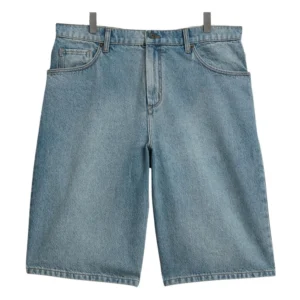
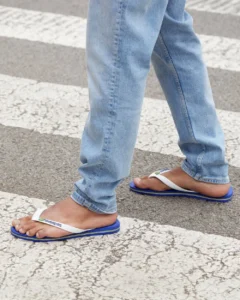
While uncommon for wedding invitations, a "Casual Dress" code signifies a considerable degree of freedom in wardrobe selection. However, it is imperative to maintain a level of relaxed sophistication. Arriving in a simple T-shirt and flip-flops, irrespective of the ambient temperature, would likely be considered inappropriate. Instead, a more refined approach involves opting for chinos or smart trousers paired with an Oxford shirt. Footwear such as desert boots or minimalist leather sneakers would be suitable choices.
Cocktail Attire: Tailoring with a Touch of Flair
"Cocktail Attire" essentially calls for tailoring with a distinctive twist. This might involve embracing a patterned or boldly coloured two-piece suit, but crucially, substituting the traditional dress shirt with a band collar version or even a plain white T-shirt. Separates are equally viable here. Consider pairing a statement jacket with understated trousers and a simple shirt or polo. A fundamental principle to remember is to avoid having two competing focal points within an outfit.
Essential Summer Wedding Ensembles
The prospect of dressing for a summer wedding can seem intricate, but it need not be an insurmountable challenge. Several classic outfit combinations consistently prove effective. For those who prefer not to venture into experimental territory, these reliable go-to ensembles will ensure you are impeccably dressed.
The Linen Suit: Breathability Personified
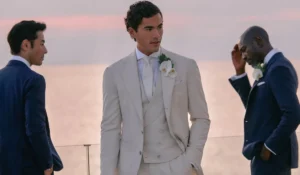
While traditionalists might express reservations and acknowledge its tendency to wrinkle, the inherent charm of linen, in all its textured glory, makes it an unparalleled fabric for transitioning from ceremony to celebration while remaining cool and refreshed. For the less adventurous, a navy linen suit offers a safe and stylish choice. When paired with a crisp white shirt and black monk-strap shoes, it presents a polished appearance from a distance. For those willing to embrace a more distinctive aesthetic, and if the dress code permits, beige or sand-coloured linen tailoring is a classic choice. This can be beautifully complemented by a white or light blue shirt (chambray is an excellent option here) and anchored with brown leather loafers.
Summer Separates: A Versatile Combination
The pairing of contrasting dark and light separates is a consistently winning strategy throughout the year. During warmer months, consider a lighter hue for your trousers – stone, white, or beige are excellent choices – juxtaposed with a darker jacket. The reverse is typically applied for winter ensembles. When it comes to footwear, there are no rigid rules for matching with separates. Generally, most traditionally "smart" shoe silhouettes will integrate seamlessly.
The Breathable Two-Piece Suit: A Wardrobe Staple Reimagined
It is highly probable that a two-piece suit already resides in your wardrobe, and this is perfectly acceptable. However, it is crucial to be aware that a wool suit will invariably be warmer than one crafted from a cotton or linen blend. For summer weddings, mid-to-light grey, navy, or beige are the most advantageous colour choices. Black should be avoided, not only for its potentially somber connotations but also for its tendency to absorb heat, leading to significant discomfort.
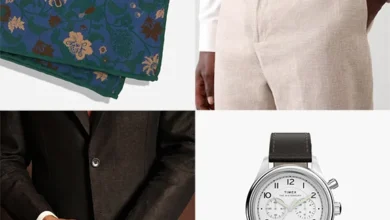
Your choice of shirting will depend on the prevailing dress code, but a white or light blue Oxford shirt serves as a universally fail-safe option for most occasions, with the exception of black tie events. Keep accessories understated and refined. A common styling error to avoid is matching your tie and pocket square; instead, allow for a subtle interplay of complementary colours and patterns to express personality.
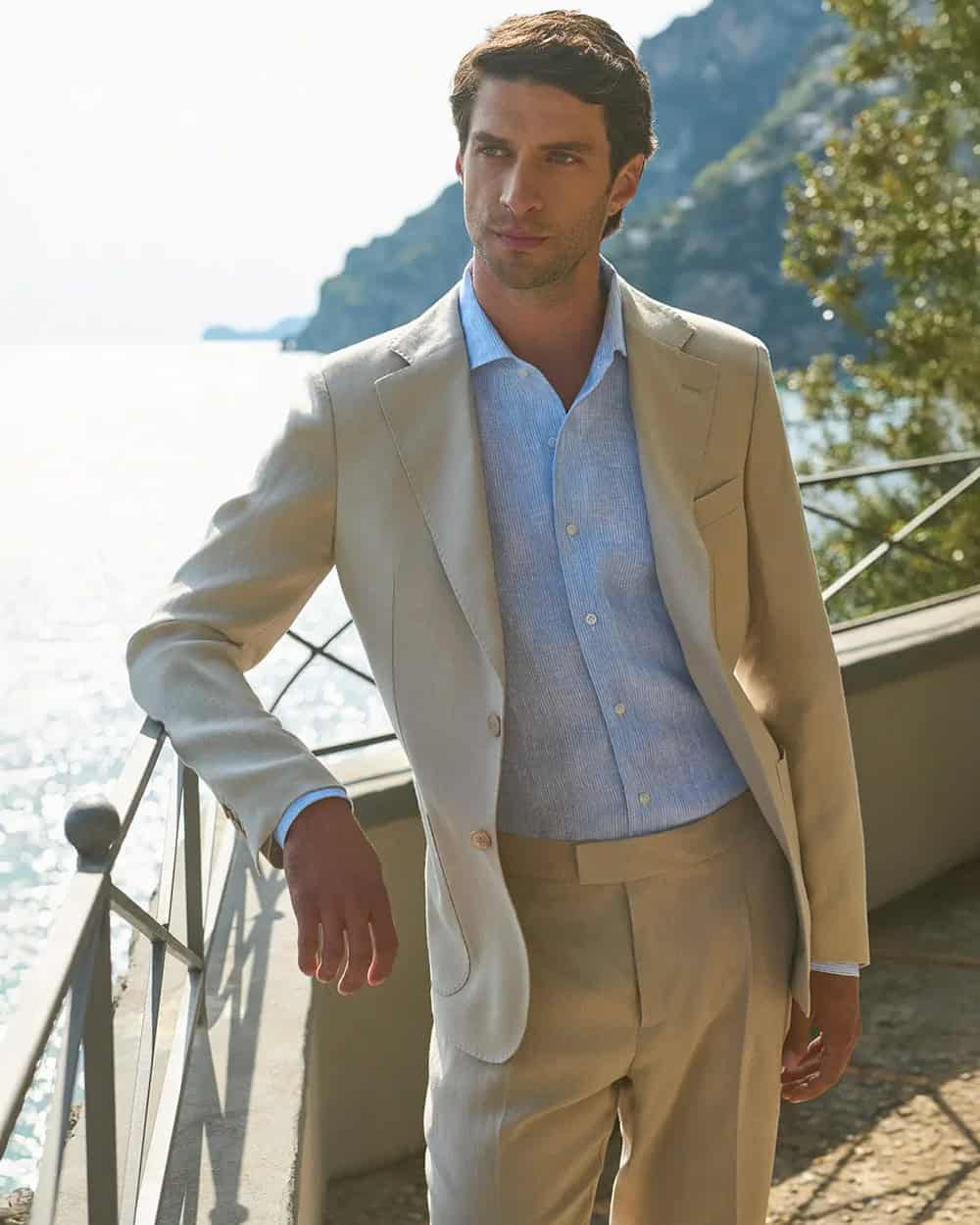
Further down the ensemble, your footwear should remain smart and classic. Options such as double monk-strap shoes, loafers, or Derby shoes offer a refined yet not overly formal aesthetic, ensuring you are appropriately dressed without appearing as though you are heading to a business meeting.
The Fabric of Success: Key Materials for Summer Wedding Attire
The pursuit of suave sophistication can be severely undermined by a flushed complexion and profuse perspiration. Beyond discreetly dabbing oneself with a napkin and hoping for anonymity, the most effective strategy for mitigating the effects of heat lies in meticulous material selection. While a navy wool suit may be a sartorial staple for some, even its most ardent proponents acknowledge its limitations, particularly in extreme heat. The solution lies in intelligent fabric choices.
Linen: The Ultimate in Breathable Luxury
A linen suit offers an unparalleled breezy option. While some gentlemen may be deterred by perceived "hippy" connotations, wearing linen correctly can yield exceptionally stylish results. The key lies in achieving an impeccable fit and incorporating contemporary touches through the choice of shirt and accessories. A well-fitting, sand-coloured linen two-piece might sound understated, but when paired with a chambray shirt, a patterned pocket square, and relaxed suede loafers, the overall effect is undeniably chic.
Seersucker: A Textured Triumph
Alongside linen, seersucker stands out as a definitive warm-weather fabric. Its lightweight nature and inherent coolness make it exceptionally well-suited for spring and summer wedding suiting. The material is typically found in striped or checked patterns, which lend themselves beautifully to relaxed, unstructured tailoring. However, plain seersucker options are also available, allowing for a classic navy suit without the risk of overheating.
Chambray: A Lighter Touch
Denim shirts have emerged as a significant fashion trend, offering a stylish pairing with suit separates or casual tailoring. However, their breathability can be compromised in warmer conditions. Chambray presents a lighter-weight alternative, offering a similar aesthetic to denim but with a significantly more breathable fabric. This makes it an excellent choice for shirts worn at summer weddings, providing a stylish and comfortable option that complements a range of attire.
The successful navigation of summer wedding attire is a testament to thoughtful planning and an understanding of fabric properties and dress code nuances. By prioritizing breathable materials, adhering to the stated dress code, and selecting classic yet contemporary ensembles, any gentleman can confidently attend a summer wedding, remaining cool, comfortable, and impeccably stylish throughout the celebration. The focus should always be on celebrating the union while presenting oneself with appropriate decorum and personal flair.