The arrival of the autumnal equinox marks a significant shift in both meteorological patterns and consumer retail behavior. As regional temperatures begin to drop and the transition from summer’s lightweight linens to heavier, insulating textiles commences, the fashion industry has observed a corresponding pivot in menswear demand. This seasonal shift, colloquially referred to as "Smart Casual," represents a deliberate move toward versatility, layering, and thermal management. Market data indicates that September serves as the primary inflection point for retail sales of mid-weight apparel, driven by the psychological association of football season and cooling weather.
The Macroeconomic Shift in Seasonal Apparel
The transition to fall attire is not merely a stylistic choice but a strategic adaptation to fluctuating environmental conditions. According to recent retail analysis, the "smart casual" category—defined by its ability to bridge the gap between formal office attire and weekend leisurewear—has seen a 12% increase in year-over-year market penetration. This trend is largely attributed to the rise of hybrid work environments, which require clothing that functions across a variety of professional and social settings.
The current market focus centers on "performance-adjacent" garments. These pieces, such as the seamless quarter-zip pullover or the knit blazer, utilize advancements in textile engineering to provide the structure of traditional formal wear with the moisture-wicking and thermal properties of athletic apparel. The integration of Merino wool and synthetic blends into traditional silhouettes reflects a broader industry movement toward prioritizing comfort without sacrificing aesthetic polish.
Chronology of the Autumnal Transition
The movement toward "Fall-ready" wardrobes typically follows a rigid timeline established by both retail logistics and climatic expectations:
- Late August: Retailers begin the inventory cycle for autumn collections, focusing on lighter layering pieces like cotton jersey tees and thin knitwear.
- Early September: Consumer interest in "transition" gear spikes as the first cold fronts move across North America. This period sees the highest volume of purchases for items like five-pocket pants and chukka boots.
- Late September: Full-scale adoption of heavier layering occurs, including the introduction of merino blazers and durable wool-blend hosiery.
- October: Stabilization of the "Fall Uniform," where consumers finalize their seasonal rotations based on durability and comfort requirements.
Technical Specifications and Material Science
Modern smart-casual selections are increasingly scrutinized for their technical components. The shift away from stiff, non-stretch fabrics has allowed for the prominence of specific material compositions:
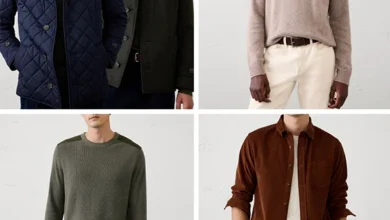
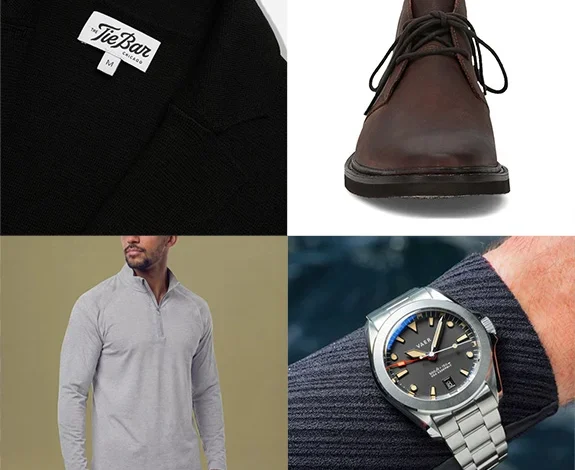
The Knit Blazer (Merino Wool): The modern knit blazer, such as the Tie Bar Lasalle, utilizes 100% merino wool to provide a high warmth-to-weight ratio. Merino is prized in the fashion industry for its natural odor resistance and thermoregulation capabilities, making it ideal for layering during the unpredictable temperature shifts characteristic of early autumn.
Performance Quarter-Zips: The adoption of seamless construction in 1/4 zip pullovers—historically an athletic design choice—has migrated to the office. By utilizing high-stretch synthetic fibers, manufacturers are creating garments that accommodate a wider range of motion than traditional fleece, addressing the consumer demand for utility-focused design.
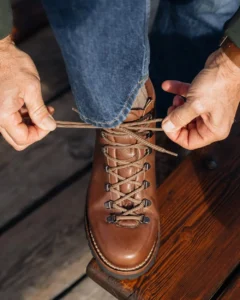
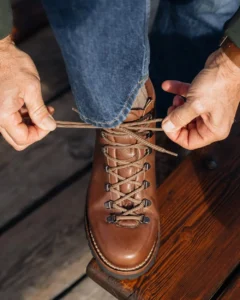
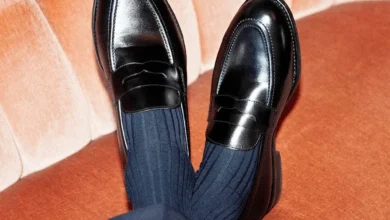
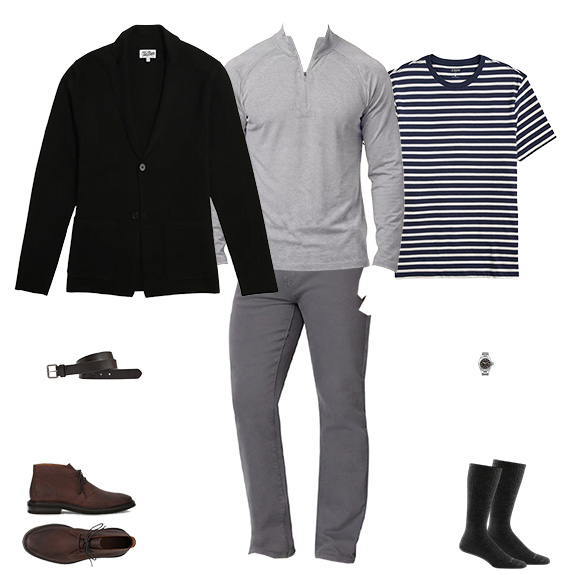
Footwear and Durability: The inclusion of nubuck chukka boots represents a synthesis of texture and resilience. Nubuck, a top-grain cattle leather that has been sanded to produce a velvet-like surface, offers the aesthetic appeal of suede with significantly higher durability. When paired with high-denier wool socks, such as those produced by Darn Tough, the ensemble provides a functional barrier against early-season dampness and thermal loss.
Retailer and Consumer Perspectives
Market analysts note that the current consumer demographic is increasingly conscious of "cost-per-wear" metrics. Consequently, the focus has shifted toward items that exhibit high interchangeability. A striped cotton tee, for instance, is no longer viewed as a summer-only staple but as a foundational layering piece that provides visual interest when exposed beneath a quarter-zip or knit blazer.
Retail brands, including J. Crew Factory and Dick’s Sporting Goods, have reported that promotional activity for these specific "transitional" categories is at an all-time high. By offering incentives, retailers are attempting to clear summer inventory while simultaneously acclimating the consumer to the higher price points associated with autumn and winter apparel.
Broader Economic Implications
The trend toward smart-casual apparel is a reflection of the evolving professional landscape. As traditional dress codes loosen, the demand for high-end tailoring has softened in favor of "versatile luxury." This change has significant implications for the manufacturing sector. Textile mills are currently prioritizing fabrics that offer stretch and breathability, moving away from the rigid, heavy wools of the mid-20th century.
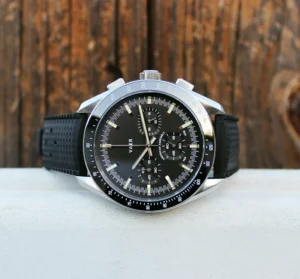
Furthermore, the rise of "USA-assembled" goods—such as those highlighted in the Vaer G2 watch line—suggests that consumers are increasingly valuing supply chain transparency and regional craftsmanship. This preference for domestic assembly in accessories, paired with globalized textile sourcing for apparel, creates a complex landscape for international trade.
The Role of Accessories in Modern Layering
While apparel provides the thermal structure, accessories serve to anchor the aesthetic. The use of a leather roller-buckle belt, for example, is a functional requirement for maintaining the silhouette of five-pocket pants. The roller-buckle design is specifically chosen in modern styling because it reduces friction on the leather, thereby extending the lifespan of the accessory.
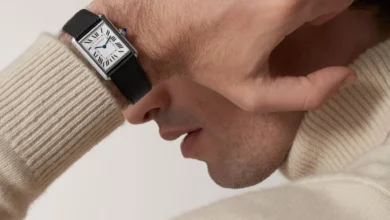
Similarly, the emergence of the 39mm sports watch as a "smart-casual" staple signals a move away from the "oversized" trend of the 2010s. A 39mm case diameter is widely considered the "goldilocks" size in horology, providing enough presence for casual wear while remaining thin enough to fit comfortably under the cuffs of a knit blazer or a dress shirt.
Conclusion: Strategic Wardrobe Management
The transition into fall is a calculated exercise in managing temperature, texture, and utility. By prioritizing garments that serve multiple functions—such as the knit blazer that acts as both outerwear and an indoor layer, or the nubuck boot that bridges the gap between formal leather and casual sneakers—consumers are adopting a more efficient approach to personal style.
As the retail sector continues to monitor consumer behavior throughout the final quarter of the year, the "Smart Casual" framework serves as a reliable barometer for the industry at large. Whether through the integration of technical fibers or the return to classic, smaller-profile accessories, the modern autumnal wardrobe is characterized by a marriage of high-performance utility and understated, professional aesthetics. The ongoing trend toward versatile, multi-purpose apparel suggests that this "Feels Like Fall" approach to dressing will remain a standard for the foreseeable future, as it aligns perfectly with the demands of a modern, mobile, and increasingly hybrid professional lifestyle.
Related posts: