Mastering the Art of Air-Dried Softness: Expert Strategies to Achieve Fluffy Towels Without a Tumble Dryer Amidst Rising Energy Costs

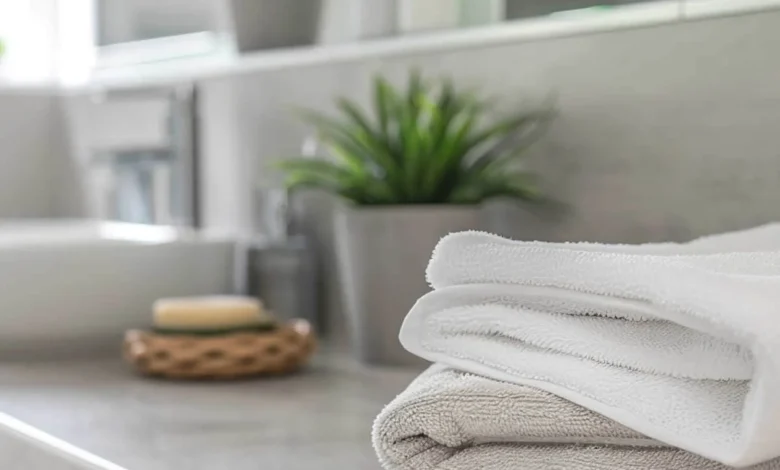
Amidst escalating energy costs and growing environmental consciousness, households are increasingly seeking sustainable alternatives to high-energy appliances. The tumble dryer, a common convenience in many homes, stands out as one of the most significant contributors to domestic electricity consumption. While its efficiency in drying clothes rapidly is undeniable, its operational cost and environmental footprint have prompted a re-evaluation of laundry practices. This article delves into expert-backed strategies to achieve luxuriously soft and fluffy towels through air or line-drying, circumventing the need for a tumble dryer while embracing both economic and ecological benefits.
The Economic and Environmental Imperative of Air Drying
The financial burden of operating a tumble dryer has become a critical concern for many households. Modern tumble dryers typically consume between 2,500 and 5,000 watts per hour, with an average cycle lasting anywhere from 60 to 120 minutes. At prevailing energy prices, which have seen significant upward revisions in recent years, the cost of a single drying cycle can be substantial. For instance, an appliance drawing 3,000 watts (3 kWh) operating for one hour could incur a cost of approximately 78 pence, based on recent energy price caps. A full drying cycle, often extending beyond an hour, can easily push this cost past £1, accumulating to a significant annual expenditure for families doing multiple loads of laundry weekly.
Beyond the immediate financial impact, the environmental implications are equally pressing. Electricity generation, particularly from fossil fuels, contributes substantially to greenhouse gas emissions. By opting for air drying, households directly reduce their carbon footprint, aligning with broader climate action goals. The shift away from energy-intensive appliances represents a tangible step towards sustainable living, resonating with a growing segment of consumers committed to eco-friendly practices. This dual benefit—financial savings and environmental stewardship—underscores the importance of adopting efficient laundry routines.
Understanding the Science of Stiff Towels
The common complaint that air-dried towels often feel rough or "crunchy" is not without scientific basis. This phenomenon primarily stems from a combination of factors related to detergent residue, fabric softener build-up, mineral deposits from hard water, and the method of drying itself.
When towels are washed, detergent is designed to encapsulate dirt and oils. If too much detergent is used, or if the rinse cycle is insufficient, residual soap can remain trapped within the towel fibers. As these fibers dry, the detergent residue crystallizes, binding the individual cotton loops together and leading to a stiff, unyielding texture. Similarly, conventional fabric conditioners, while initially promising softness, often work by coating textile fibers with a waxy, water-resistant layer of cationic surfactants. Over time, this coating accumulates, not only making towels less absorbent but also contributing to their stiffness by hindering the natural flexibility of the fibers.
Furthermore, the mineral content in hard water, particularly calcium and magnesium ions, can precipitate onto fabric fibers during the wash and rinse cycles. These mineral deposits, much like detergent residue, can stiffen the fabric as it dries. The drying process itself plays a crucial role: rapid, static drying without any mechanical agitation (like the tumbling action of a dryer or the wind on a line) causes fibers to pack tightly together, further exacerbating stiffness.
Expert-Backed Strategies for Achieving Air-Dried Softness
Achieving soft, fluffy towels without a tumble dryer requires a holistic approach, addressing both the washing and drying phases. Through extensive trial and error, and insights from textile care specialists, several key strategies have emerged as highly effective.
1. Optimizing the Wash Cycle: Less is More with Detergent

A foundational principle for soft towels is judicious detergent use. Contrary to popular belief, using more detergent does not necessarily lead to cleaner laundry; often, it leads to more residue. For towels, which are highly absorbent, excess detergent can easily become trapped within their dense loops. Textile care experts recommend using half to one-third of the manufacturer’s suggested amount of detergent, particularly for high-efficiency washing machines that use less water. This reduction is typically sufficient to clean towels effectively while significantly minimizing the risk of detergent build-up. Regular washing with reduced detergent helps maintain the natural softness and absorbency of the fibers.
For towels already suffering from detergent build-up, a process known as "laundry stripping" can be highly effective. This involves a hot water wash using approximately 250 ml of white vinegar instead of detergent. The acetic acid in the vinegar helps to dissolve and flush out accumulated soap residue and mineral deposits, restoring the towels’ original texture and absorbency.
2. The Fabric Softener Fallacy: A Detriment to Long-Term Softness
Conventional fabric conditioners, despite their marketing promises, are counterproductive for towels. The waxy coating they deposit on fibers, while initially imparting a superficial softness, has several long-term drawbacks. This coating reduces the natural absorbency of towels, making them less effective at their primary function. More critically, the accumulation of this water-resistant layer contributes to stiffness, making air-dried towels feel rougher over time. It can also trap odors, leading to towels that feel less fresh.
To reverse the effects of fabric softener build-up, the laundry stripping method with hot water and white vinegar is recommended. By eliminating the waxy residue, towels can regain their natural ability to absorb water and remain pliable after drying.
3. White Vinegar: The Natural Softener and Residue Remover
White vinegar emerges as a hero in the quest for soft, air-dried towels. Its acetic acid content is a mild acid that effectively breaks down alkaline detergent residues and hard water mineral deposits without damaging fabric fibers. When added to the fabric conditioner dispenser of a washing machine, the vinegar is released during the rinse cycle. This timing is crucial, as it allows the vinegar to neutralize any remaining soap and dissolve minerals, leaving fibers cleaner and softer.
Despite concerns about a lingering vinegar scent, the aroma dissipates entirely as the towels dry, leaving behind no noticeable odor. This method not only acts as a natural fabric softener but also helps to sanitize laundry and prevent the growth of mildew, contributing to fresher-smelling towels. Its effectiveness and natural composition make it a preferred alternative to chemical-laden fabric conditioners, aligning with sustainable household practices.
4. Mastering the Drying Process: Agitation and Airflow
The physical handling of towels during the drying phase is as critical as the washing process.
-
Pre-Drying Agitation: Upon removal from the washing machine, towel fibers are often tightly compressed. A vigorous shake of each towel, holding it by one short edge and then the other, helps to separate these fibers. This mechanical agitation loosens the weave, creating more space between individual loops and preventing them from drying in a rigid, compacted state. Experts suggest several firm shakes to achieve optimal fiber separation before hanging.
-
Optimal Drying Environment: The choice of drying location significantly impacts softness.

- Outdoor Line Drying: This is often considered the gold standard. The natural airflow and gentle agitation from the wind work wonders in separating fibers and promoting even drying. Additionally, sunlight acts as a natural disinfectant and whitener.
- Indoor Clotheshorse Drying: When outdoor drying isn’t feasible, an indoor clotheshorse is the next best option. Crucially, ensure adequate air circulation around the towels. Overloading the clotheshorse or drying in a poorly ventilated room can lead to slow drying, which promotes stiffness and can even encourage mildew growth. Placing the clotheshorse near an open window or in a room with a fan can significantly improve results.
-
Avoiding Radiator Drying: Drying towels directly on a radiator is a common mistake that guarantees stiffness. The intense, direct heat from a radiator dries one side of the towel too quickly without any agitation. This rapid, static drying causes the fibers to become rigid and tightly matted, resulting in a cardboard-like texture. Furthermore, direct radiator drying can contribute to localized dampness and mold growth if ventilation is poor, and it reduces the radiator’s efficiency in heating the room.
-
Post-Drying Agitation: Once completely dry, a second round of physical agitation can further enhance softness. A technique shared by experienced homemakers involves holding a dry towel aloft and vigorously rubbing one half against the other. This action helps to break apart any remaining stiffness and fluff up the fibers, leaving the towel feeling significantly softer. This manual agitation mimics the gentle tumbling action of a dryer, without the energy cost.
5. The Minimalist Tumble Dryer "Fluff" Finish (If Necessary)
For those who find that even after implementing all air-drying strategies, their towels are not quite soft enough, a minimalist approach to tumble drying can be adopted. This involves air-drying towels until they are nearly or completely dry, and then placing them in a tumble dryer for a very short cycle, typically 5-10 minutes, on a low or medium heat setting.
This brief tumble provides the necessary mechanical agitation and gentle warmth to relax and fluff the fibers without incurring the high energy costs of a full drying cycle. To enhance this process and further improve energy efficiency, the use of wool dryer balls is highly recommended. These natural balls bounce around in the dryer, separating laundry, improving airflow, and reducing drying time. They also provide additional physical agitation, helping to fluff up towel fibers effectively. This technique serves as a compromise, offering enhanced softness with minimal energy expenditure.
Broader Implications and Expert Perspectives
The adoption of these air-drying strategies carries significant broader implications beyond individual household savings. Environmentally, a widespread shift away from tumble dryer reliance contributes to reduced energy demand and lower carbon emissions at a national and global level. This aligns with governmental energy efficiency targets and climate change mitigation efforts.
From an economic perspective, while individual savings might seem modest on a daily basis, they accumulate significantly over time, freeing up household budgets for other essentials. For the textile industry, these practices promote longer product lifespan. Proper washing and gentle drying techniques reduce wear and tear on fabric fibers, meaning towels remain in good condition for longer, thereby reducing the frequency of replacement and contributing to a more circular economy.
Consumer advocacy groups and environmental organizations consistently highlight the benefits of energy-conscious appliance use. They often provide resources and tips, reinforcing the strategies outlined here. Appliance manufacturers, in response to consumer demand and regulatory pressures, are also developing more energy-efficient models, such as heat pump tumble dryers, which consume significantly less electricity. However, even with these advancements, air drying remains the most energy-efficient option.
Conclusion
The pursuit of soft, fluffy towels need not come at the expense of high energy bills or environmental responsibility. By understanding the underlying causes of towel stiffness and implementing a few deliberate adjustments to both the washing and drying routines, households can achieve superior textile care results. From judicious detergent use and the strategic application of white vinegar to embracing the power of natural airflow and mechanical agitation, these expert-backed methods offer a compelling pathway to luxurious towels that are kind to both the wallet and the planet. As energy costs continue to fluctuate and environmental concerns intensify, mastering the art of air-dried softness is not just a household chore—it’s a conscious choice towards a more sustainable future.