Swatch Group Reports Revenue Growth Amid Global Currency Volatility and Strategic Expansion in Key Markets

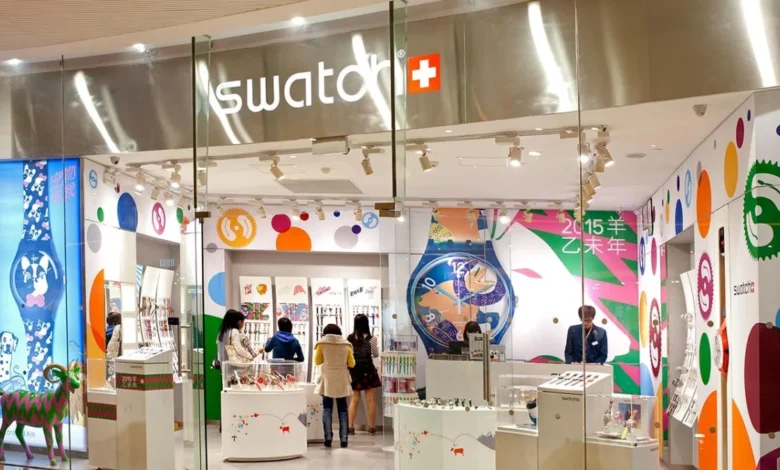
Swatch Group, the world’s largest watchmaking conglomerate and the parent company of iconic brands including Omega, Harry Winston, Tissot, and Longines, has reported a resilient financial performance for the first half of the year, characterized by steady revenue growth and significant geographic expansion. Despite facing a challenging global economic environment and substantial currency headwinds, the group achieved a 2% year-on-year increase in revenue, totaling CHF 3.12 billion ($3.84 billion). When measured at constant exchange rates, the growth was even more pronounced, reflecting a 9% increase that underscores the underlying strength of the company’s diverse brand portfolio and its ability to adapt to shifting consumer behaviors across various price segments.
The results, released in the company’s half-year report, highlight a period of strategic recalibration. While the reported revenue growth was tempered by the strength of the Swiss franc, the group’s operational efficiency and the successful rollout of new product lines across its retail network provided a robust buffer. The watches and jewelry division remains the primary engine of the group’s success, generating CHF 2.95 billion ($3.63 billion) in sales, a 2% increase from the previous year. The remainder of the group’s revenue was contributed by its electronic systems and corporate activities, which continue to support the technological vertical integration that defines Swatch Group’s manufacturing prowess.
Regional Performance and the American Surge
One of the most striking aspects of the first-half report is the exceptional performance of Swatch Group in the United States. Sales in the U.S. market surged by 27%, a figure that far outpaces the general growth of the luxury sector in North America. This growth is attributed to a combination of aggressive marketing, the expansion of mono-brand boutiques, and a high demand for both prestige brands like Omega and entry-level disruptors like the Swatch-branded collaborations.
In Europe, the trend remained largely positive, though performance varied by nation. Spain emerged as a standout leader with a 28% increase in sales, while Italy followed with a solid 12% gain. These figures suggest a robust recovery in tourism-driven retail and a strengthening of local consumer confidence in the Eurozone’s key luxury hubs. The group noted that these markets benefited from a strategic focus on enhancing the customer experience within their owned retail stores, moving away from a reliance on third-party wholesalers.
The Asia-Pacific region, historically a cornerstone of Swatch Group’s revenue, also showed signs of sustained momentum. Japan led the region with a 20% increase in sales, likely bolstered by a weak yen which attracted international travelers looking for favorable pricing on luxury goods. South Korea and Australia also posted gains of 12% and 5%, respectively. Perhaps most significantly, the group reported a 9% increase in retail sales in China, including Hong Kong and Macau. This growth occurred despite the company maintaining an unchanged store network, indicating higher sales density and improved brand desirability among Chinese consumers who are increasingly focusing on established heritage brands.
Emerging Markets and High-Potential Territories
Beyond the traditional strongholds of Europe and North America, Swatch Group is making significant inroads into what it identifies as "high-potential markets." India, Mexico, and Saudi Arabia were singled out for delivering particularly strong gains. In India, the burgeoning middle and upper classes have shown an increasing appetite for Swiss horology, particularly in the mid-range segment occupied by Tissot and Longines.
The group’s strategy in these regions involves not just sales, but the establishment of a comprehensive service and retail infrastructure. By investing in these markets early, Swatch Group is positioning itself to capture long-term growth as these economies continue to mature. The success in Saudi Arabia, in particular, reflects the broader "Vision 2030" economic diversification in the region, which has led to increased luxury consumption among the domestic population.
Financial Analysis: Profitability and Currency Headwinds
Despite the positive trajectory of sales, Swatch Group’s net profit saw a 6% decline, falling to CHF 16 million ($19.7 million). This contraction in the bottom line highlights the intense pressure exerted by the Swiss franc’s appreciation against major currencies, including the Euro, the U.S. Dollar, and the Chinese Yuan. For a company that manufactures almost exclusively in Switzerland but sells globally, currency fluctuation is a perennial challenge that can erode margins even when sales volume increases.
The 7% gap between constant-currency growth (9%) and reported growth (2%) illustrates the scale of this impact. However, the group’s management has remained focused on long-term value rather than short-term margin protection. By continuing to invest in research and development and maintaining a high level of marketing spend, the group is prioritizing market share and brand equity. The launch of new products—most notably the continued evolution of the MoonSwatch series and new collections from Blancpain and Omega—has required significant upfront investment but has successfully driven foot traffic to physical stores.
Brand Strategy and Product Innovation
The "Swatch effect"—a phenomenon where high-profile collaborations create mass-market hype—continued to play a role in the first half of the year. The group’s ability to democratize luxury through collaborations has not only boosted the Swatch brand itself but has also introduced younger demographics to the heritage of the group’s more expensive marques.
Omega, the group’s largest brand by revenue, has benefited from its association with major global events and its reputation for technical precision. As the official timekeeper of the Olympic Games, Omega’s visibility remains unparalleled. Meanwhile, at the top end of the spectrum, Harry Winston has seen continued demand for its high-jewelry pieces and "Project Z" timepieces, catering to the ultra-high-net-worth segment which remains relatively insulated from broader economic volatility.
In the mid-range, Tissot and Longines have utilized improved efficiency in their retail operations to maintain dominance. The group noted that "improved efficiency across the retail business" was a key contributor to the positive results. This likely refers to the optimization of inventory management and the digital integration of the retail experience, allowing for a more seamless transition between online browsing and in-store purchasing.
Historical Context and Industry Trends
To understand Swatch Group’s current position, one must look at the broader context of the Swiss watch industry. Following the "Quartz Crisis" of the 1970s and 80s, Swatch Group (then SMH) was the entity that effectively saved Swiss watchmaking by combining industrial manufacturing with fashion-forward marketing. Today, the industry faces a different kind of pressure: the rise of smartwatches and a global shift toward "quiet luxury."
Swatch Group’s performance in the first half of the year suggests that the appetite for mechanical and traditional Swiss watches remains healthy, provided the brands can offer a compelling narrative and value proposition. While some competitors have struggled with oversupply and a slowdown in the Chinese market, Swatch Group’s diversified portfolio—spanning from the $30 Swatch to the $1 million Harry Winston—allows it to capture value at every level of the economic pyramid.
Future Outlook and Strategic Implications
Looking ahead to the second half of the year, Swatch Group is expressing a high degree of optimism. Management pointed to a significant strengthening of sales in May and June, a trend that has reportedly continued into the first weeks of July. Based on this momentum, the company predicts "significant growth" for the remainder of the year.
This positive outlook is predicated on several factors. First, the group expects the currency situation to stabilize or at least become more predictable. Second, a heavy pipeline of product launches is scheduled for the autumn and holiday seasons, traditionally the strongest periods for watch and jewelry sales. Third, the group’s ongoing expansion in emerging markets is expected to contribute a larger share of total revenue.
However, risks remain. Global geopolitical instability and the potential for a broader economic slowdown in Europe or the U.S. could dampen consumer spending. Furthermore, the high-end luxury market is currently undergoing a "normalization" phase following the post-pandemic boom, which may lead to slower growth for prestige brands compared to the previous two years.
Conclusion: A Resilient Path Forward
The first half of the year has demonstrated Swatch Group’s ability to navigate a complex global landscape. By balancing high-volume, accessible products with ultra-exclusive luxury offerings, the group has maintained a growth trajectory despite significant currency-related headwinds. The 27% growth in the U.S. and the 20% growth in Japan are clear indicators that the group’s brands resonate deeply with international consumers.
As the company enters the second half of the year, its focus will likely remain on retail efficiency and the strategic deployment of its massive manufacturing capacity. With a net profit dip that appears to be a result of external currency factors rather than internal operational failures, the group remains in a strong position to capitalize on the enduring global fascination with Swiss craftsmanship. The "significant growth" predicted by the group suggests that for Swatch, the timing of the global recovery is aligning perfectly with its long-term strategic goals.
Related posts: