The Best Labor Day Sales for Men J. Crew 40% off, Nordstrom End of Season Clearance, & More


The arrival of Labor Day weekend signals more than just the unofficial conclusion of the summer season; it represents one of the most critical windows in the retail calendar. As consumer spending shifts toward autumnal wardrobes and back-to-work attire, major fashion retailers have launched aggressive promotional campaigns to clear remaining summer inventory and incentivize early-season purchases. This year’s cycle is defined by tiered discount structures, selective exclusions, and a noticeable emphasis on inventory management as brands navigate ongoing economic pressures, including fluctuating supply chain costs and inflationary retail environments.

The Retail Landscape and Promotional Strategies
Historically, Labor Day has served as a pivotal clearing house for seasonal stock. This year, the retail sector appears to be leaning into strategic discounting. Rather than blanket site-wide sales, which can erode brand equity and profit margins, many premium retailers are utilizing specific discount codes and item-specific reductions.

J. Crew, for instance, has launched a 40% off select-item event. Analysts tracking the brand note that this promotion includes significant exclusions, particularly regarding high-ticket items like premium suiting and footwear. This trend suggests that retailers are increasingly protective of their core, non-seasonal inventory, preferring to offer deep discounts only on items that require immediate turnover to make space for fall collections.

Conversely, companies like Bonobos are utilizing a broader 30% off approach, which industry observers characterize as a high-water mark for their promotional activity. By leveraging specific codes like "FIRSTCALL30," the brand is attempting to drive high-intent traffic to their platform during the peak of the holiday weekend.

Chronological Breakdown of Key Promotions
The sales period began in earnest at the start of the holiday weekend, with most major retailers setting expiration dates for their promotions between Tuesday and Thursday.
- J. Crew: The 40% off select event is currently live, with a focus on seasonal transition pieces. The promotion is slated to conclude on Tuesday evening.
- Bonobos: The 30% off event, applicable to the majority of their catalog, runs through Wednesday evening.
- Ledbury: A tiered promotion offering 30% off on orders exceeding $150 remains active through Tuesday morning, targeting the premium dress shirt market.
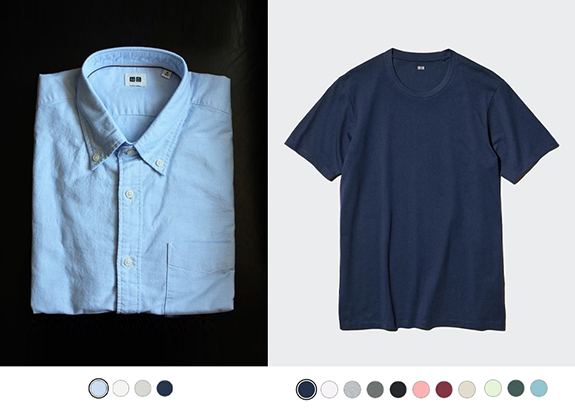
- UNIQLO: Their Labor Day specials, focusing on foundational staples such as oxford cloth button-downs and Supima cotton tees, are scheduled to continue through Thursday, September 10.
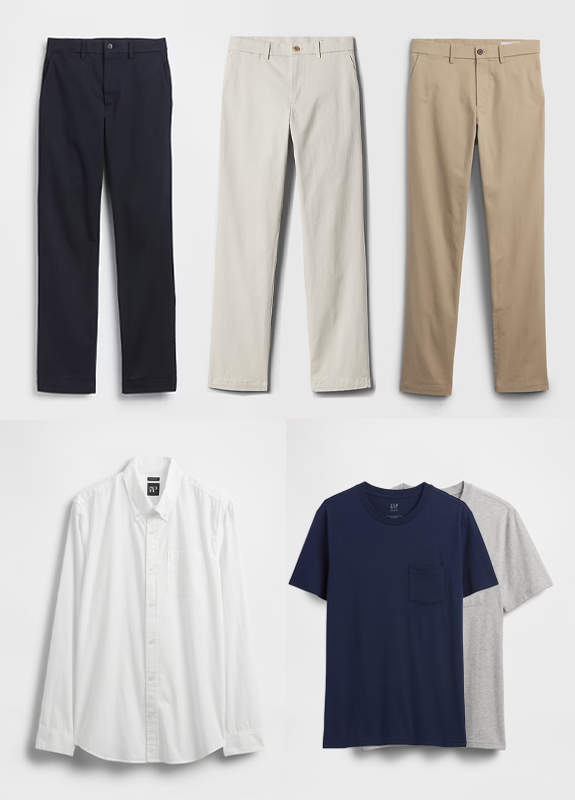
- GAP Inc. Brands: Banana Republic Factory and GAP are both running aggressive campaigns—50% to 70% off at the Factory level and 40% to 60% off at GAP—with the addition of "stackable" codes such as "DAYOFF" to further reduce prices at checkout.
Economic Context and Consumer Implications
The prevalence of "final sale" designations in this year’s round-up—most notably at retailers like TheTieBar, Billy Reid, and Nordstrom Rack—indicates a concerted effort by logistics teams to eliminate the costs associated with reverse logistics. Processing returns, particularly for clearance items, is an expensive endeavor for retailers. By designating items as non-returnable, brands are essentially sacrificing customer convenience to preserve the margins on deeply discounted goods.

Furthermore, the "up to 20% off" mystery discount model adopted by Spier & Mackay highlights the current state of e-commerce user experience. While the lack of transparency at the initial browsing stage might deter some casual shoppers, it reflects the rapid pace at which these retail platforms are updating their digital infrastructure.

Data-Driven Shopping Strategies
For the discerning consumer, the current market offers several tactical opportunities to maximize value. The "threshold" pricing model utilized by Filson—offering tiered discounts based on total cart value—is a sophisticated method to increase the average order value (AOV) while providing the customer with a perceived incentive. By bundling smaller, lower-cost items with higher-priced goods, consumers can hit the next discount bracket, effectively lowering the cost-per-unit of their entire purchase.

Additionally, the resurgence of gift card promotions on platforms like Amazon provides a unique layer to the holiday sale experience. By purchasing discounted gift cards for brands like Gap Inc., consumers can effectively "stack" their savings, applying the gift card funds to already marked-down merchandise. This creates a dual-benefit scenario that savvy shoppers are increasingly utilizing to combat the inflationary pressures on personal clothing budgets.
Analysis of Market Trends
The focus on "foundational" pieces—shirts, chinos, and basic knitwear—at retailers like UNIQLO and GAP suggests a shift in consumer behavior. Data from the second and third quarters of this year indicate that while discretionary spending on luxury fashion has slowed, demand for "quiet luxury" and high-quality basics remains robust. Retailers are responding to this by prioritizing the movement of versatile, timeless garments rather than fashion-forward, trend-dependent items that have a shorter shelf life.

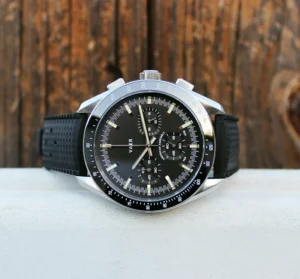
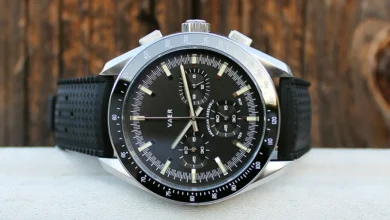
The decision by premium watch brand VAER to avoid traditional discounting while focusing on a restock of their R1 Oceanracer V2 chronograph is a significant counter-trend. It underscores the strength of brands that maintain a "no-sale" philosophy, relying instead on product availability and brand loyalty. For consumers, this highlights that not every high-value purchase requires a discount to be a sound investment, provided the product meets quality standards and offers long-term durability.

Future Outlook for Post-Labor Day Retail
As the industry moves into the final quarter of the year, the performance of these Labor Day sales will serve as a bellwether for the upcoming holiday shopping season. If retailers successfully clear their summer stock without excessively damaging their profit margins through store-wide liquidation, they will enter the winter season with healthier balance sheets and more flexible inventory positions.

For the consumer, the takeaway is clear: the most significant savings are currently found in the intersection of clearance-level pricing and strategic stacking of promotional codes. However, as the window closes toward mid-week, the primary risk for shoppers is not necessarily the end of the sale, but the depletion of inventory in standard sizes and popular colorways.
Retailers are expected to maintain these promotional levels through the end of the work week, after which the focus will shift toward new fall arrivals. As noted in the current sales data, the most prudent approach for consumers is to prioritize items that have been identified as staples, as these represent the best balance of utility and price reduction during this high-volume period.
Related posts: