A Comprehensive Guide to Sustainable and Ethical Footwear Brands Available in the UK


The global footwear industry faces profound scrutiny over its environmental footprint and labor practices, prompting a major shift in how consumers and manufacturers approach shoe production. With approximately 24 billion pairs of shoes manufactured annually worldwide, the sector contributes significantly to global industrial pollution, resource depletion, and solid waste crises. Traditional footwear manufacturing relies heavily on resource-intensive processes, including the use of chromium—a heavy metal pollutant commonly utilized in leather tanning that poses severe risks to aquatic ecosystems and municipal water supplies.
Furthermore, the linear "take-make-waste" model dominant in fashion has created a massive waste management challenge. Industry estimates indicate that roughly 90% of discarded shoes eventually end up in landfills. Because many conventional sneakers and boots are constructed from complex, glued-together blends of synthetic plastics, textiles, and virgin rubbers, they can take up to a thousand years to decompose, continuously leaching microplastics and chemical compounds into the surrounding soil and groundwater.
In response to these compounding ecological pressures, sustainability experts consistently emphasize that repairing and wearing existing footwear remains the most environmentally sound option. However, when new purchases become unavoidable, eco-conscious consumers increasingly look toward alternative brands striving to reform supply chains, reduce carbon outputs, and guarantee fair labor practices. Below is an exhaustive overview of the leading ethical and sustainable shoe brands currently accessible to buyers in the United Kingdom, categorized by their environmental commitments, material innovations, and price points.
Understanding the Financial Categories
To assist consumers in navigating these options effectively, the footwear market can be benchmarked using a standard pricing scale:
- £ = Under £50
- ££ = £50 to £100
- £££ = £100 and above
Ethletic: Fair-Trade Vegan Trainers (££)
Operating as a pioneering fair-trade enterprise, Ethletic Footwear positions itself as a direct, ethically responsible alternative to mainstream multinational sneaker brands. Placing socio-environmental welfare at the center of its business model, the company produces unisex vegan trainers constructed primarily from organic, Fairtrade-certified cotton.
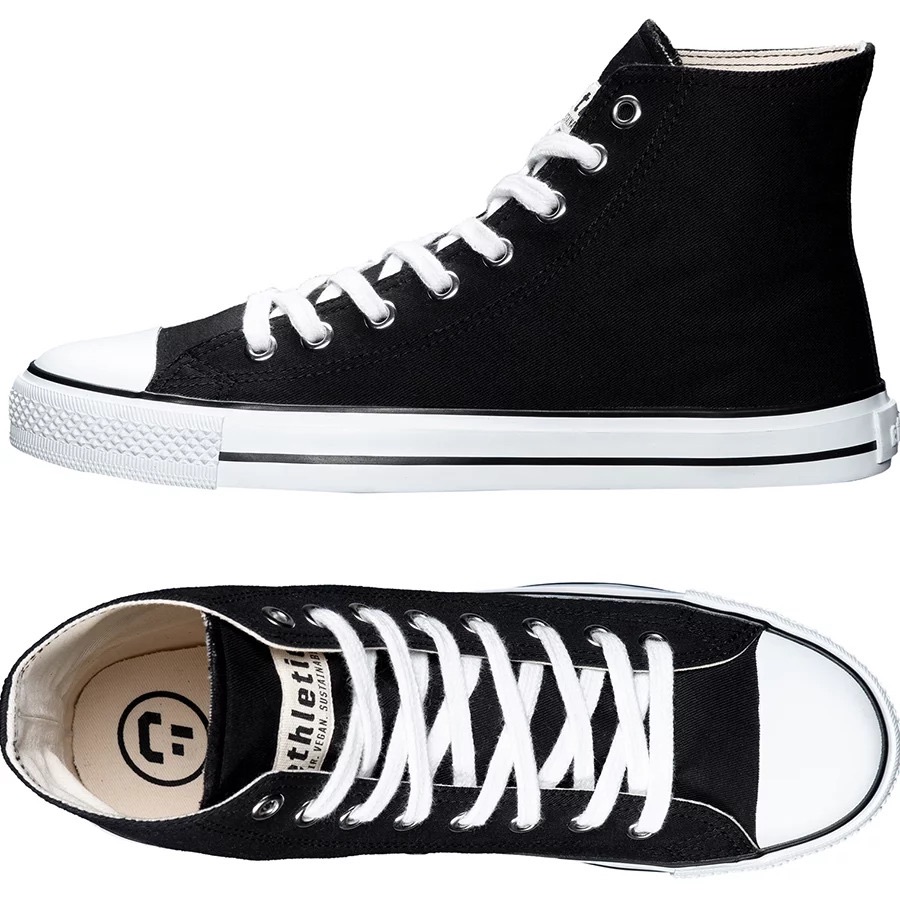
Crucially, Ethletic ensures that its rubber components are sourced responsibly from sustainably managed forests, holding Forest Stewardship Council (FSC) certification. The brand participates in a specialized Fairtrade rubber initiative that contributes a direct financial social premium for every kilogram of rubber utilized in production. This premium grants rubber-tapping communities direct autonomy over how additional funds are allocated to enhance local living standards, healthcare, and educational infrastructure. Despite these rigorous ethical standards, Ethletic maintains accessible pricing, with its footwear lines retailing below the £70 threshold.
Wills Vegan Store: High-Standard European Manufacturing (££ – £££)
Specializing in vegan footwear for both men and women, Wills Vegan Store manufactures its entire collection across Italy and Portugal in strict adherence to European Union labor directives. These regional regulations guarantee equitable remuneration, mandatory parental and maternity leave provisions, and robust workplace health and safety protections for all factory employees.
The brand’s portfolio avoids animal-derived leathers entirely, utilizing innovative bio-based materials derived from organic cereal crops cultivated in Northern Europe, alongside Ecolabel-certified vegan leathers and suedes. Attention to detail extends to foundational elements, with outer soles fabricated from natural rubber and insoles produced in Spain from recycled rubber particles. Operating a certified plastic-free, carbon-neutral supply chain through its online distribution network, Wills Vegan Store has consistently earned high rankings from independent watchdogs such as Ethical Consumer for supply chain transparency and corporate integrity.
Novesta: Traditional Handcrafted Production in Slovakia (££ – £££)
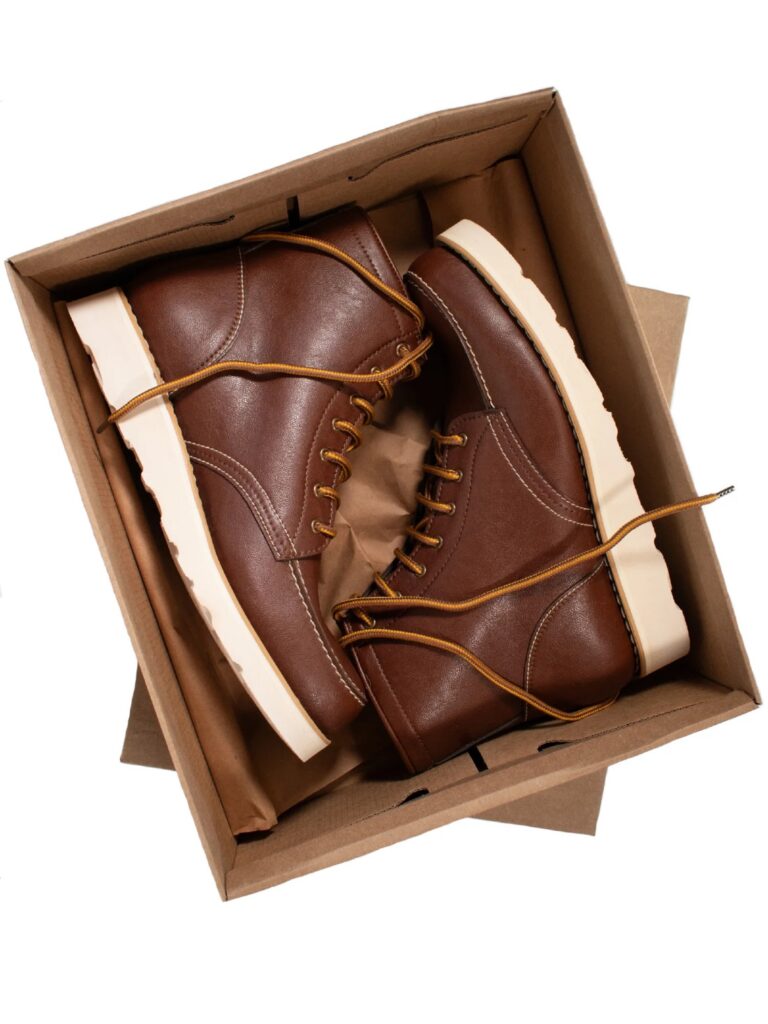
Originating in Slovakia, Novesta merges heritage shoemaking techniques with stringent environmental protocols. The brand focuses on producing durable, handmade footwear crafted from natural materials, including unbleached cotton canvases and natural rubber soles.
Each pair of Novesta trainers undergoes a meticulous hand-finishing process executed by skilled artisans in Central Europe. By concentrating manufacturing operations within Slovakia rather than outsourcing to distant industrial hubs, the brand significantly curtails the transport-related carbon emissions typically associated with international footwear distribution, offering consumers a durable, low-impact product line.
Vivobarefoot: B-Corp Certified Minimalist Footwear (£££)
Established in 2012 by seventh-generation cobblers, Vivobarefoot champions minimalist footwear design intended to mimic natural biomechanics by bringing the wearer as close to a barefoot sensation as possible. The brand’s catalog spans specialized athletic applications—including trail running, hiking, and general training—as well as casual and professional daily wear.

Operating as a certified B-Corp, Vivobarefoot balances commercial viability with strict social and environmental accountability. Its material innovation pipeline incorporates recycled textiles, natural fibers, and bio-synthetic compounds, most notably an EVA foam alternative engineered using harvested algae biomass. While certain heritage lines incorporate wild-hide leather and wool, the brand maintains a comprehensive, dedicated vegan collection.
To combat the broader industry trend of premature disposal, Vivobarefoot operates ReVivo, a specialized online platform dedicated to the professional repair and refurbishment of pre-owned barefoot shoes, thereby extending product lifecycles. Additionally, a portion of corporate revenues supports the Livebarefoot Fund, which finances grassroots social and environmental conservation projects globally.
VEJA: Transparent Sourcing and Longevity (££ – £££)
VEJA has established a prominent market presence as a design-forward, ethical footwear brand utilizing organic agriculture and fair-trade supply chains. The brand avoids synthetic shortcuts by incorporating recycled polyester from post-consumer plastic bottles, organic cotton fabrics, and wild rubber harvested directly from the Amazon rainforest through rubber-tapper cooperatives paid above market rates.

While VEJA is not exclusively vegan, its extensive collections feature a wide array of animal-free models utilizing alternative bio-materials like corn waste and cotton-based canvas. The brand emphasizes product durability, encouraging a shift away from fast-fashion consumption cycles toward long-term wearability.
Flamingos Life: Reforestation-Focused Spanish Production (££ – £££)
Flamingos Life offers a range of lightweight, unisex vegan trainers manufactured in Spain under ethical working conditions. The brand’s material choices reflect careful environmental consideration: uppers are crafted from organic cotton or innovative plant-based leather substitutes, soles utilize sustainably harvested natural rubber, and hardware components such as eyelets are fabricated from chrome-free metals.
Beyond its material supply chain, Flamingos Life operates an impact-driven business model in partnership with the Eden Reforestation Projects. For every pair of shoes purchased by a consumer, the organization funds the planting of five trees in regions heavily impacted by industrial deforestation, actively contributing to global carbon sequestration efforts.
Good News: Circular Economy Innovation (££ – £££)
London-based independent brand Good News approaches sustainability through the lens of circular economy principles, aiming to simultaneously reduce water consumption, chemical inputs, and greenhouse gas emissions.
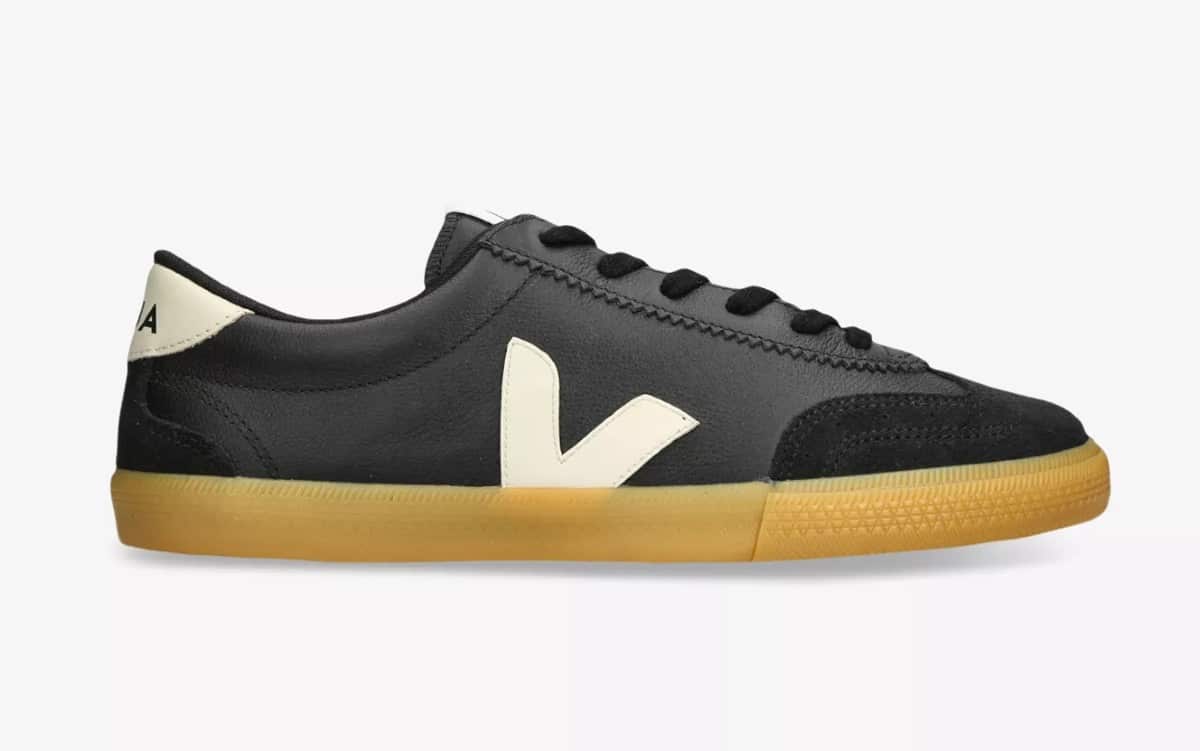
The brand’s signature low-top vegan trainers utilize biodegradable organic cotton for upper constructions, paired with laces running through recycled metal eyelets. In a significant step toward waste reduction, Good News manufactures its outer soles from a proprietary blend of recycled automobile tires and post-consumer rubber footwear, diverting durable industrial waste streams away from municipal landfills.
Worzl: UK-Made Plastic-Free Alternatives (£)
Addressing a specialized segment of the summer and leisure market, Wiltshire-based brand Worzl produces biodegradable flip-flops designed as a direct challenge to conventional, petroleum-derived plastic footwear.

Constructed entirely from 100% natural rubber, Worzl’s products are completely plastic-free, vegan-friendly, and fully recyclable at the end of their operational lifecycle. By sourcing materials responsibly and keeping production within the United Kingdom, the brand minimizes shipping distances while offering an accessible, low-impact alternative for seasonal footwear buyers.
Implications and Future Outlook for the Footwear Sector
The proliferation of ethical and sustainable footwear brands in the UK reflects a broader structural evolution within the fashion and apparel industries. As regulatory frameworks tighten around greenwashing claims and consumers demand greater supply chain transparency, footwear manufacturers are increasingly compelled to account for the entire lifecycle of their products—from raw material extraction and worker compensation to end-of-life recyclability.
While transitioning entirely away from conventional, high-impact materials remains an ongoing challenge for major global sportswear conglomerates, the practices demonstrated by independent pioneers indicate that scalable, circular alternatives are commercially viable. Analysts note that continued consumer support for certified B-Corps, fair-trade supply chains, and repair-and-refurbishment initiatives will remain critical drivers in compelling the broader retail market to adopt rigorous environmental standards.