Paris Fashion Week Spring 2027 Unveils Robust Nine-Day Schedule Amidst Industry Evolution

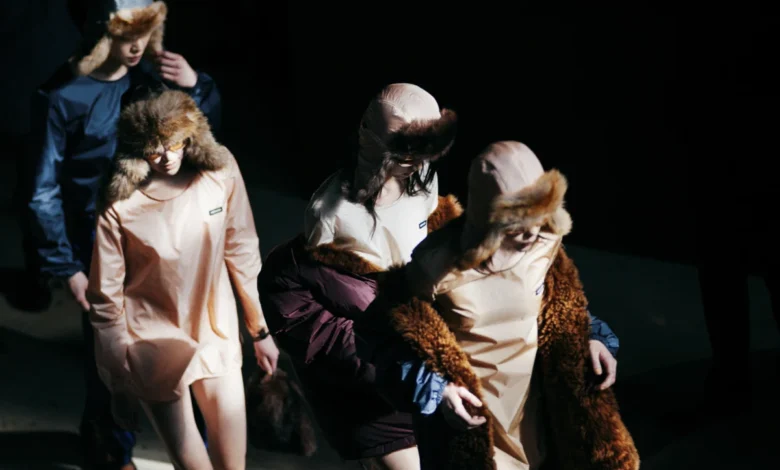
The global fashion spotlight will firmly fix on the French capital as Paris Fashion Week (PFW) prepares to launch its Spring 2027 season, a formidable nine-day spectacle running from September 28 to October 6. Organized by the Fédération de la Haute Couture et de la Mode (FHCM), French fashion’s governing body, the provisional schedule released Friday promises an intense showcase featuring 68 runway shows and a total of 101 events, affirming Paris’s enduring status as a preeminent hub for creativity and commerce in the luxury sector. This season is anticipated to be particularly significant as the industry continues to navigate a "new configuration" following the comprehensive "great creative reset of 2025," signaling a period of strategic recalibration and renewed focus for many houses.
The FHCM, the official body responsible for coordinating and promoting French fashion, has meticulously curated a calendar that balances established titans with emerging talents, reflecting the dynamic shifts within the global fashion ecosystem. Historically, Paris Fashion Week serves as the grand finale of the international Fashion Month marathon, which typically commences in New York, moves to London, then Milan, before culminating in Paris. This strategic positioning allows the Parisian shows to often set the definitive tone for upcoming trends and consumer aspirations, leveraging centuries of French sartorial heritage and a reputation for unparalleled craftsmanship and artistic vision.
A Deep Dive into the "Great Creative Reset of 2025"
The phrase "great creative reset of 2025" alludes to a period of significant transformation within the fashion industry, likely catalyzed by a confluence of factors including evolving consumer behaviors, the imperative for greater sustainability, technological advancements, and a reshuffling of creative leadership across numerous prominent houses. This reset has seen brands re-evaluating their core identities, supply chains, and market engagement strategies. For Paris, a city deeply rooted in tradition, this has meant an agile adaptation to modern demands without compromising its iconic status. The reset implies a renewed emphasis on innovation, perhaps a more streamlined approach to collections, and a heightened awareness of global cultural narratives influencing design. It’s a testament to the industry’s resilience and its continuous quest for relevance and resonance in a rapidly changing world. The FHCM’s role in guiding this evolution, ensuring the continuity of haute couture while fostering ready-to-wear innovation, remains paramount.
Opening Acts and Anticipated Debuts
The Spring 2027 season is set to commence with a distinct blend of emerging talent and established powerhouses. Kicking off the nine-day fashion marathon on September 28 at 2:30 p.m. will be Julie Kegels, whose inclusion underscores the FHCM’s commitment to providing a platform for fresh perspectives and innovative design. This opening slot is often a coveted position, signaling confidence in a designer’s potential to influence the season’s narrative.
The inaugural day will also feature the much-anticipated runway debut of Maxhosa Africa. Having previously engaged the Parisian audience through presentations since February 2024, the brand’s transition to a full runway show signifies its growing prominence and the increasing global appreciation for African luxury fashion. Maxhosa Africa, known for its vibrant knitwear and celebration of Xhosa culture, is poised to bring a distinct voice to the Parisian stage. The day will conclude at 7 p.m. with Matières Fécales, a brand that has garnered significant buzz for its distinctive aesthetic and high-profile celebrity endorsements, notably dressing Zendaya for "The Odyssey" premiere and model Gabbriette Bechtel for her wedding to Matty Healy. Such high-visibility moments prior to PFW often translate into considerable media and buyer attention, setting a dynamic tone for the week.
Marquee Returns and Strategic Absences
This season’s calendar is notably marked by several significant returns and strategic absences, reflecting the ongoing evolution of brand strategies and creative directorships. Maison Margiela, under the visionary leadership of John Galliano, makes its return to Paris on September 29, after an exceptional showcase in Shanghai last season. This return reaffirms Paris as a primary platform for the avant-garde house, allowing it to reconnect with its core European audience and international buyers within the traditional PFW context. Similarly, Valentino, which notably presented its Fall 2026 collection in Rome, will re-anchor itself in Paris, showcasing its Spring 2027 collection. These movements underscore the strategic importance brands place on PFW for global visibility and market positioning.
Other notable brands rejoining the calendar with a spring show include Sacai, which took a hiatus last season as designer Chitose Abe explored alternative avenues for presenting her work. Her return signals a renewed focus on the runway format for conveying her distinctive deconstructed aesthetic. Casablanca, Ester Manas, and Christopher Esber also mark their return, enriching the diverse tapestry of designers contributing to the Parisian schedule.
Conversely, several prominent names will be sitting out the Spring 2027 season in Paris, each for distinct strategic reasons. Rabanne, for instance, will defer its next collection presentation to March, where it will unveil the highly anticipated debut collection from its freshly appointed creative director, Olivier Rousteing. This move allows Rousteing ample time to imprint his vision on the heritage house, building significant anticipation for his first official collection. Nina Ricci will also be absent, following the departure of creative director Harris Reed, indicating a period of transition and potentially a search for new creative leadership. Off-White, a brand known for its streetwear-infused luxury, has opted to plan an "important brand moment" during Milan Fashion Week, a strategic decision that highlights the competitive and increasingly globalized nature of the fashion calendar, where brands meticulously choose platforms aligning with their immediate market objectives.
Giambattista Valli will also not feature on the Spring 2027 calendar in Paris. This absence is tied to a significant business development: Valli is in the process of reacquiring full ownership of his house from Artémis, the private investment arm of the billionaire Pinault family. This move suggests a strategic pause to consolidate control and chart a new independent course for the brand.
Furthermore, some designers have opted to present their collections in other fashion capitals. Thom Browne has chosen to show his collection in his home city of New York, a recurring decision for the American designer who often intertwines his shows with specific cultural or artistic narratives relevant to the US. Similarly, McQueen, under the direction of Seán McGirr, will present its Spring 2027 men’s and women’s collection in a coed runway showcase during London Fashion Week on September 20. These choices underscore the increasing fluidity of the global fashion calendar and designers’ autonomy in selecting the most impactful platform for their collections.
Navigating the Schedule: A Day-by-Day Overview
The provisional schedule outlines a meticulously planned sequence of events, designed to maximize impact and flow for attendees.
Day 1 (Saturday, September 28): The Inauguration of Innovation
As mentioned, Julie Kegels will set the tone in the early afternoon, followed by Maxhosa Africa’s runway debut. The day will build momentum, concluding with Matières Fécales, promising a bold and memorable finish to the opening day.
Day 2 (Sunday, September 29): Heritage and Modernity Converge
Sunday commences with Ester Manas at 10 a.m., marking a strong return for the brand. The afternoon is anchored by Dior in its traditional 2:30 p.m. slot, a highlight for its consistent elegance and Maria Grazia Chiuri’s feminist narratives. Maison Margiela follows at 5:30 p.m., bringing its distinctive avant-garde vision, leading into Saint Laurent at 9 p.m., where Anthony Vaccarello’s sleek, rock-infused glamour will command the evening.
Day 3 (Monday, September 30): Pivotal Debuts and Established Forces
Monday is poised to be a particularly dynamic day, featuring Drew Henry’s highly anticipated Courrèges debut at 10:30 a.m. All eyes will be on Henry as he interprets the futuristic legacy of the house. The day also includes showcases from The Row, Balmain (known for Olivier Rousteing’s maximalist opulence), Dries Van Noten (celebrated for his masterful use of color and print), Stella McCartney (a pioneer in sustainable luxury), Vaquera, Acne Studios, and Tom Ford, ensuring a packed schedule for buyers and media alike.
Mid-Week Momentum (Tuesday, October 1 – Thursday, October 3): Artistic Expression and Commercial Powerhouses
Tuesday, October 1, will feature collections from Chloé, Balenciaga (under Demna, continuing to push boundaries), Rick Owens (the undisputed master of dark romanticism), and Schiaparelli (with Daniel Roseberry’s surreal and spectacular creations). Wednesday, October 2, sees Casablanca joining the lineup at 2:30 p.m., alongside established names like Loewe (Jonathan Anderson’s intellectual approach to luxury), Issey Miyake, Givenchy (Matthew M. Williams’ urban-inspired luxury), Yohji Yamamoto, and a second appearance by Stella McCartney. Thursday, October 3, dedicates its morning and late afternoon slots to the revered Japanese avant-garde trifecta: Junya Watanabe, Noir Kei Ninomiya, and Comme des Garçons. Celine and Hermès will occupy the 12 p.m. and 3 p.m. slots respectively, showcasing their distinct interpretations of luxury.
The Weekend Climax (Friday, October 4 – Saturday, October 5): High-Stakes Showcases
Friday, October 4, promises no respite with Lacoste kicking off the day, followed by Miu Miu at 1 p.m., which has strategically opted for a Sunday outing this season, often a prime slot for garnering attention. Valentino makes its highly anticipated return at 3:30 p.m., a key moment for the brand. The evening intensifies with Mugler at 6:30 p.m. and Jean Paul Gaultier, known for its guest designer model, taking the 8 p.m. spot. Saturday, October 5, will be bookended by Sacai at 10 a.m. and Chanel in its new customary 8 p.m. slot, a powerful positioning for one of the industry’s most influential houses.
The Grand Finale (Sunday, October 6): Concluding with Global Impact
Paris Fashion Week will draw to a close on Tuesday, October 6, with Louis Vuitton’s 6:30 p.m. show, helmed by Nicolas Ghesquière, whose futuristic and architectural designs consistently offer a compelling vision for modern luxury. The final day will also feature a slew of independent designers and brands, including Esber, CFCL, and the legacy house of Pierre Cardin, ensuring a diverse and impactful conclusion to the season.
Expanding the Platform: Presentations and Emerging Talents
Beyond the main runway shows, Paris Fashion Week also provides a vital platform for designers through its presentation schedule, allowing for more intimate interactions and detailed viewing of collections. This season introduces new talents on the presentation side, including French TV personality and knitwear designer Alexandra Golovanoff with her eponymous cashmere line. Also making her debut is Paris-based womenswear label Fidan Novruzova, who has rapidly gained recognition as a semi-finalist for the prestigious 2024 LVMH Prize for Young Designers and a finalist in this year’s ANDAM Awards, indicating her significant potential within the industry.
Returning to the presentation calendar are Leonard, which is currently without an announced creative director following Georg Lux’s departure in December, signifying a brand in transition. Chinese label Didu and fashion veteran Xuly Bët also make their return, enriching the diversity and depth of the presentation offerings. These presentations are crucial for nurturing new talent and allowing established brands to explore different modes of communication for their collections.
Broader Implications and Economic Impact
Paris Fashion Week is far more than a series of fashion shows; it is a critical economic engine and a cultural phenomenon. The influx of designers, models, buyers, journalists, celebrities, and fashion enthusiasts generates significant revenue for the city, boosting tourism, hospitality, and luxury retail sectors. The fashion industry as a whole is a cornerstone of the French economy, contributing substantially to its GDP and supporting hundreds of thousands of jobs directly and indirectly.
Beyond the immediate economic benefits, PFW exerts immense cultural influence. It is a stage where artistic expression, craftsmanship, and innovation converge, setting global trends that permeate not just apparel but also art, design, and popular culture. The "new configuration" and "great creative reset" indicate a concerted effort to adapt to contemporary challenges, including sustainability imperatives and the increasing importance of digital engagement. Brands are under pressure to demonstrate their commitment to ethical practices and transparent supply chains, while simultaneously leveraging digital platforms to reach a wider, globally connected audience.
The strategic choices made by brands – whether to show in Paris, Milan, New York, or London, or to opt for a presentation over a runway show – reflect a dynamic and competitive landscape. Paris, with its rich heritage and the rigorous standards upheld by the FHCM, continues to be a coveted destination, symbolizing the pinnacle of fashion aspiration. The Spring 2027 season, with its robust schedule and intriguing blend of tradition and innovation, promises to reinforce this legacy while charting new directions for the future of fashion.
Related posts: