Bryan Young and the Evolution of Materiality in Modern Architecture Through the Lens of Young Projects and the Friday Five Series

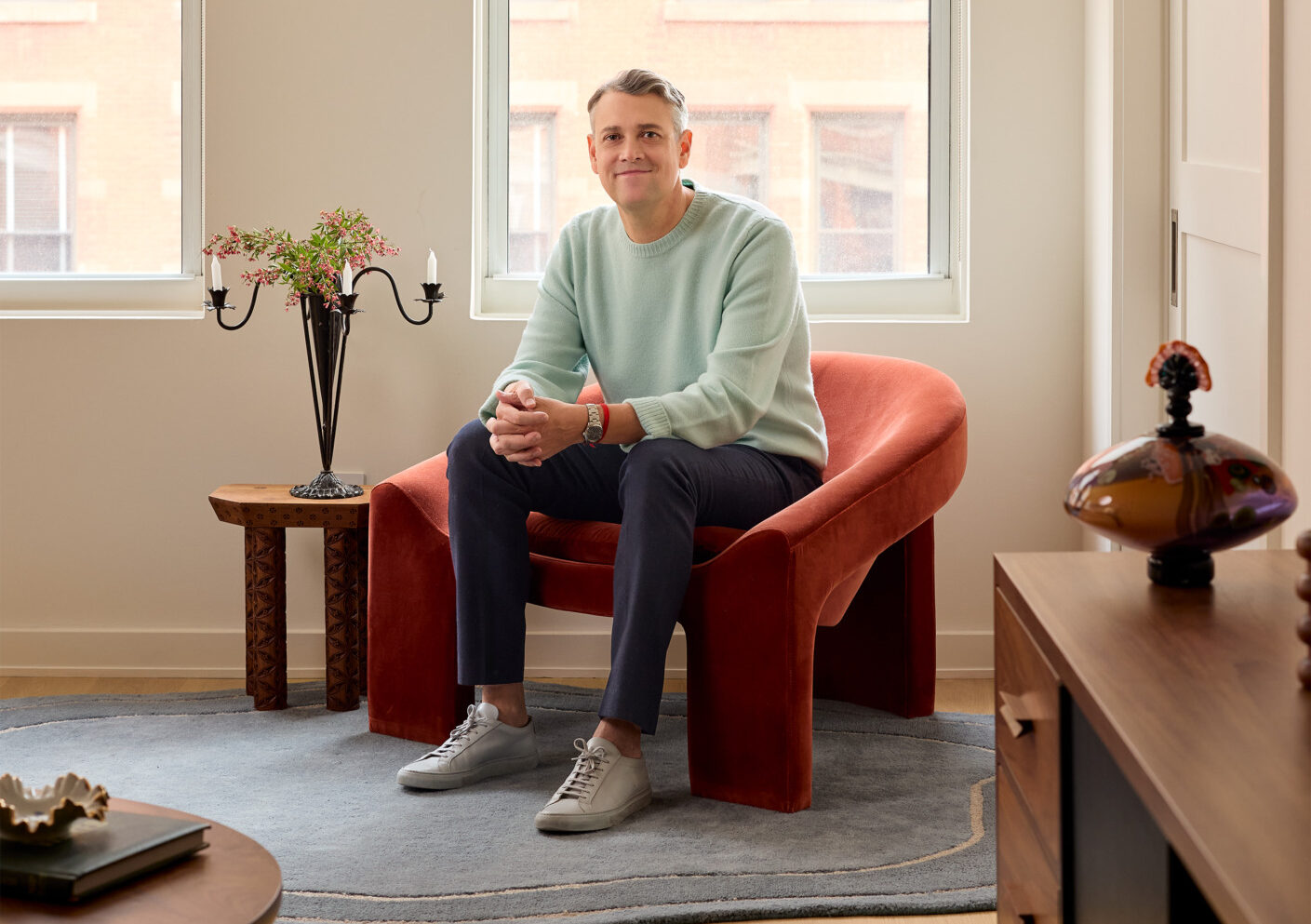
The landscape of contemporary American architecture is increasingly defined by a tension between digital precision and the tactile irregularities of handmade craft. At the forefront of this movement is Bryan Young, the founder of the New York-based studio Young Projects. Established in 2010, the firm has garnered international acclaim for its rigorous exploration of materiality, experimental fabrication techniques, and a design philosophy that bridges the gap between large-scale structural engineering and the intimate scale of interior objects. Young’s work, which ranges from high-end residential lofts in Manhattan to sprawling retreats in the Dominican Republic, reflects a deep-seated fascination with how physical substances—plaster, timber, tile, and stone—can be manipulated to provoke specific sensory and psychological responses.
The Formative Years: From Black’s Beach to Harvard
Bryan Young’s architectural journey began in Los Angeles, but his aesthetic sensibilities were profoundly shaped by the coastal landscape of San Diego. As a teenager surfing at Black’s Beach, Young was frequently exposed to the Salk Institute for Biological Studies, the 1965 masterpiece designed by Louis Kahn. The building, characterized by its austere concrete forms and its dramatic framing of the Pacific Ocean, served as a primary catalyst for Young’s interest in the built environment. He has frequently cited the Salk Institute as one of the most "authentic" buildings he has ever visited, noting its clarity of purpose and its uncompromising use of material.
This early exposure led Young to the University of California, Berkeley, where he earned a Bachelor’s degree in Architecture. He later completed his graduate studies at the Harvard Graduate School of Design (GSD), an institution known for producing architects who balance theoretical inquiry with technical proficiency. These academic foundations provided the framework for what would eventually become Young Projects: a practice dedicated to "making" as much as "designing."
Young Projects: A Decade of Material Innovation
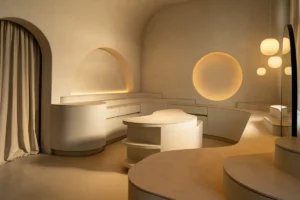
Since its founding in 2010, Young Projects has distinguished itself by eschewing the standardized "glass and steel" aesthetic of the 21st century in favor of bespoke, labor-intensive processes. The studio’s portfolio is a testament to the belief that architecture should be felt as much as it is seen. This is evidenced by their experimentation with unconventional methods, such as growing crystals for decorative elements or utilizing hand-pulled plaster to create complex, undulating surfaces.
The firm’s approach is not merely decorative; it is structural. In the Dominican Republic, Young Projects designed "Casa Las Olas," a retreat that serves as a case study in tropical modernism. The project is notable for its "Retreat House," which features a roof composed of 160 unique scissor trusses. These trusses shift and rotate to mimic the geometry of the surrounding jungle canopy, creating a fluid structural condition that allows the building to "breathe" and interact with its environment. This project highlights a key theme in Young’s work: the idea of architecture as a "conversation" with its site rather than an imposition upon it.
The Friday Five: A Curated Insight into Inspiration
In a recent installment of the "Friday Five" series, Bryan Young provided a rare glimpse into the specific objects and experiences that inform his creative process. These influences offer a roadmap to the studio’s design logic, illustrating how disparate elements—from mid-century silkscreens to childhood toys—converge in the firm’s architectural output.
1. The Optical Vibrations of Alexander Girard
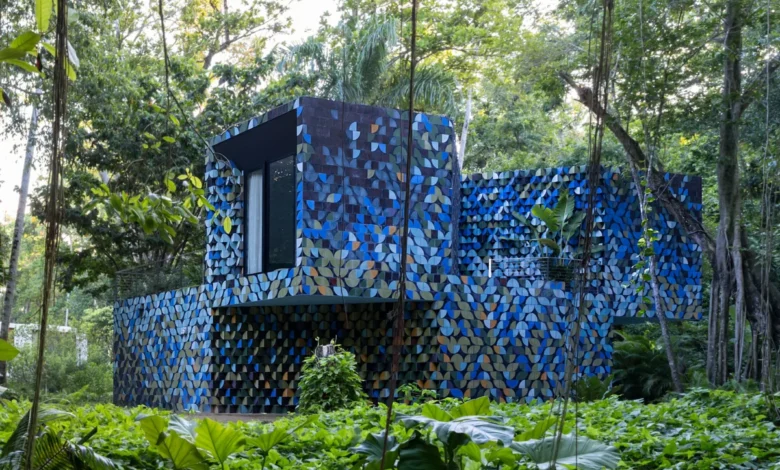
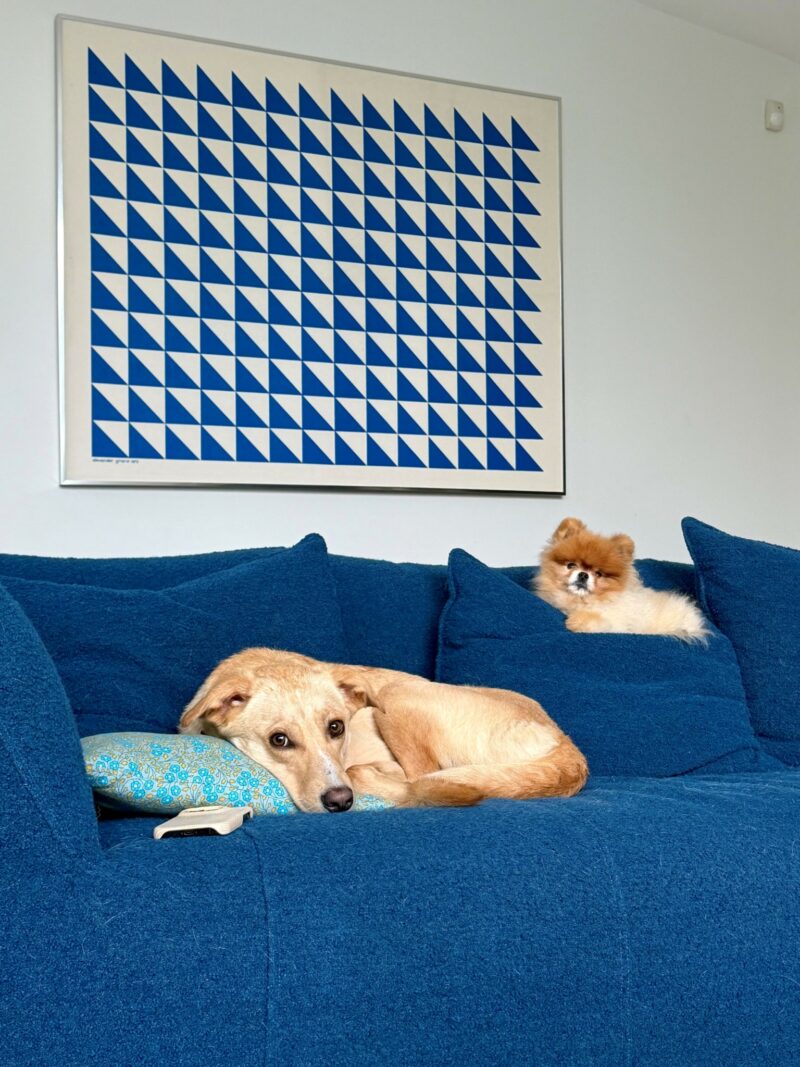
One of Young’s primary influences is the work of Alexander Girard, specifically the 1972 silkscreen The Blue Triangles. Acquired as a 40th birthday gift for his wife, Marina, the piece has served as a long-term study in figure-ground relationships. Young notes that the "clumsy overlaps" and nuances of the triangles create a vibrating optical effect. This fascination with optical "glitches" was directly translated into the "Glitch House" project in the Dominican Republic, where the studio used encaustic cement tiles to create a facade that appears to oscillate when viewed against the tropical landscape.
2. The Intersection of Craft and Chemistry: Raina Lee
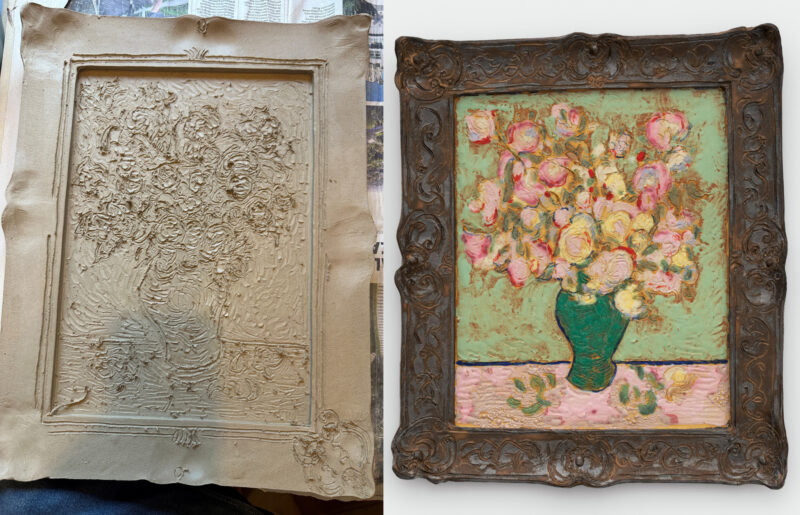
Young’s interest in materiality extends to the chemical reactions inherent in craft. He highlights a ceramic version of Van Gogh’s Roses by artist Raina Lee. The piece uses a specific glaze—the result of a reaction between chrome and tin—to restore the original pink hues of Van Gogh’s painting, which have faded over time in the original canvas. For Young, this represents the "truth" of making: a process where trial, error, and chemical reality dictate the final aesthetic.
3. Nostalgia and Narrative: The Parrot and The Falcon
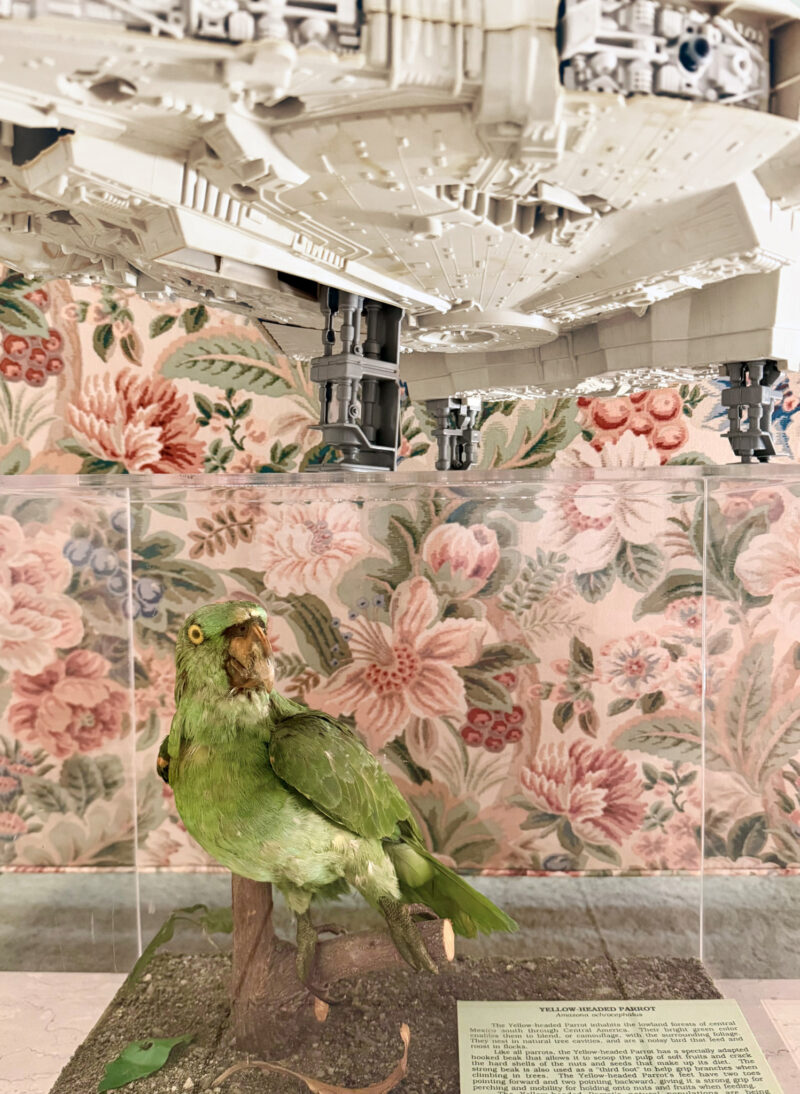
The juxtaposition of a taxidermy yellow-headed parrot (a heirloom from his grandmother) and a 1979 Kenner Millennium Falcon (shared with his brothers) speaks to Young’s interest in "fictional narratives." These objects, despite their disparate origins, create an "otherworldly" quality when placed together. This approach to collage and proximity informs how Young Projects handles interior design, often placing historical references alongside hyper-modern interventions.
4. Ecological Sensitivity: Playa Grande
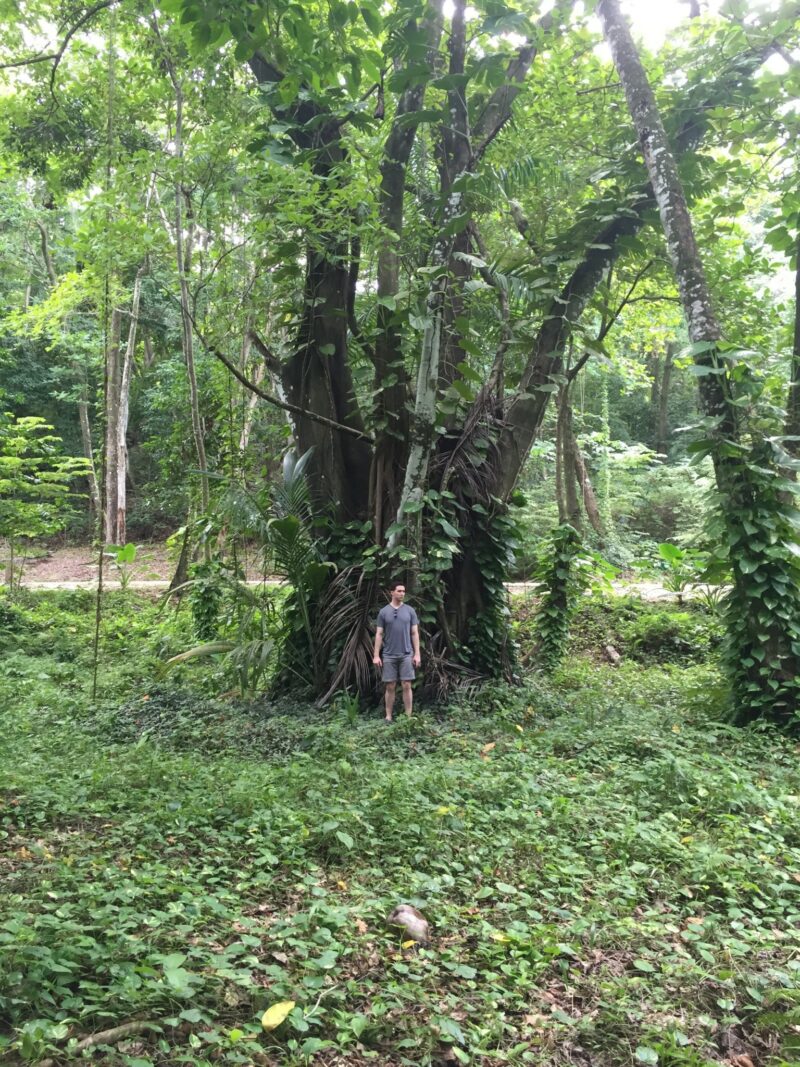
Young’s work in the Dominican Republic is heavily influenced by the physical sensation of the jungle. He describes the landscape of Playa Grande as a place that "insists on being felt before it can be understood." This sensory-first approach led to the design of the Casa Las Olas courtyard, which was built around an existing ficus tree. By prioritizing the preservation of vegetation, Young Projects demonstrates a commitment to ecological integration that goes beyond simple sustainability metrics.
5. The Communal Energy of Live Performance
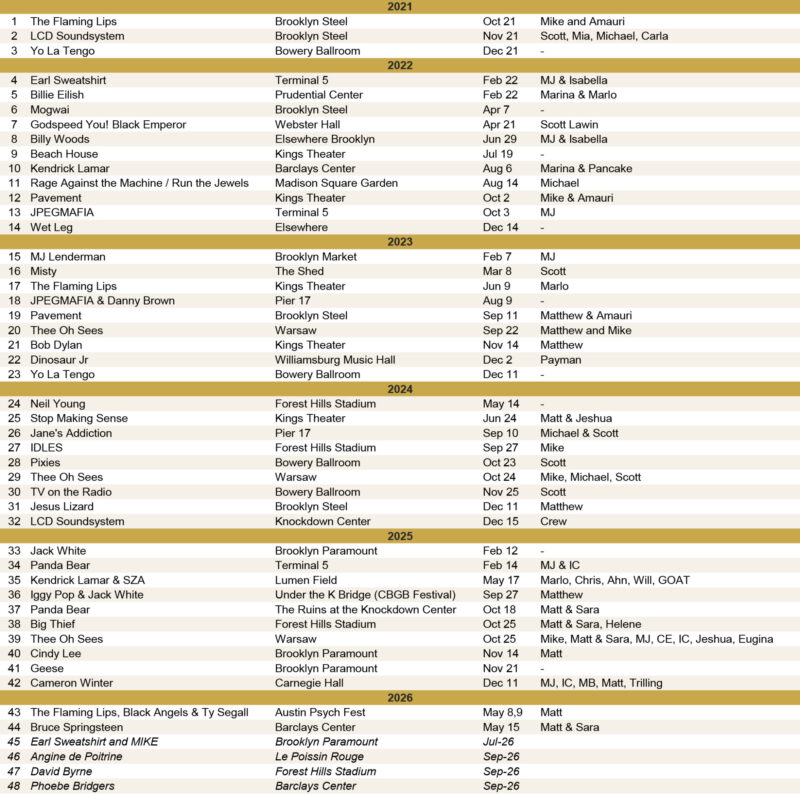
Finally, Young cites the importance of live music and the "special electricity" of shared spaces. His first post-lockdown concert—The Flaming Lips at Brooklyn Steel in 2021—reaffirmed his belief in the necessity of human connection. For an architect, this translates into a focus on how buildings can facilitate "being fully in it"—creating spaces that encourage social density and shared experience.
Portfolio Highlights: From New Orleans to Soho
The diversity of Young Projects’ portfolio is perhaps best seen in three distinct projects:
The French Quarter Cottage (New Orleans, LA): This renovation of an 1820s Creole cottage involved navigating the strict historical requirements of the French Quarter while introducing modern luxury. The studio used "portals"—custom ombre-patinated gold-leafed doorways—to link rooms of varying colors and finishes. This project demonstrates Young’s ability to respect historical context while injecting a contemporary, almost surrealist, material palette.
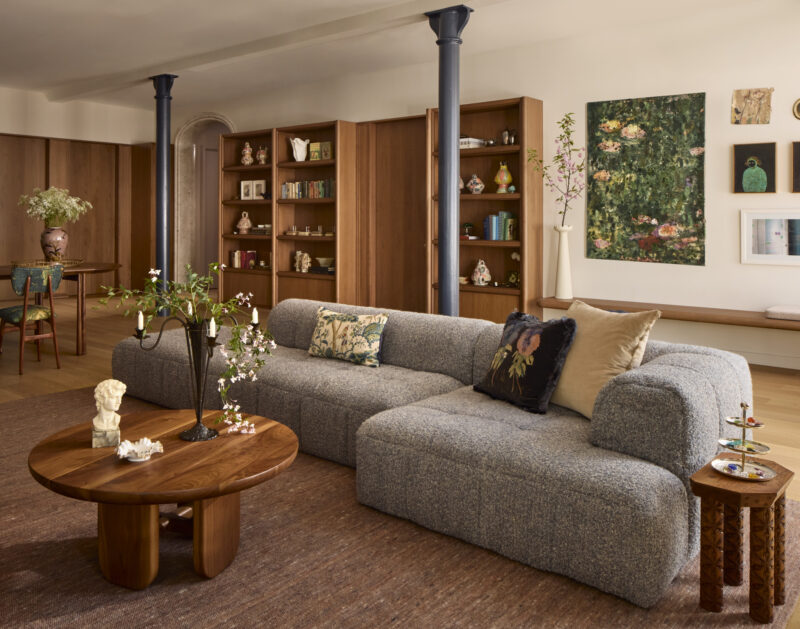
The Soho Loft (New York, NY): In a warehouse conversion in Manhattan, Young Projects utilized a "plaster mob" foyer and a Scagliola archway to define the entry sequence. Scagliola, a 17th-century technique used to imitate marble with plaster and pigment, is a recurring element in Young’s work, representing his desire to revive and modernize traditional artisanal skills.
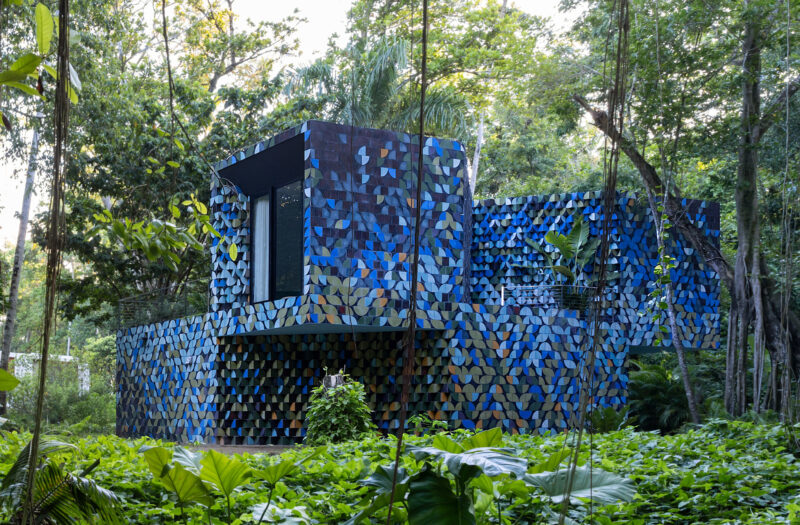
The Glitch House (Dominican Republic): Serving as a guest house and maintenance hub for the larger Casa Las Olas estate, the Glitch House is clad in handmade encaustic tiles. The staggered concrete block walls and the quarter-arc tile patterns create a visual "smear," allowing the building to blend into the dense foliage.
Broader Impact and Implications for the Industry
Bryan Young’s work arrives at a critical juncture for the architectural profession. As Artificial Intelligence and automated construction begin to dominate the industry, the "material-forward" approach of Young Projects serves as a counter-argument for the value of human touch and artisanal collaboration. By founding VERSO, a design gallery in Tribeca, Young has further solidified his role as a bridge between the worlds of fine art, furniture design, and architecture.
The studio’s success suggests a growing market for "bespoke" architecture—projects where the value is derived not just from square footage or location, but from the uniqueness of the fabrication process. In an era of mass production, Young’s emphasis on "one-of-a-kind items" and "hand-pulled plaster" resonates with a clientele looking for authenticity and a deeper connection to their physical surroundings.

Conclusion
Bryan Young and his team at Young Projects continue to push the boundaries of what is possible when traditional craft is applied to modern forms. From the "vibrating" facades of the Dominican Republic to the "gold-leafed portals" of New Orleans, Young’s work is a celebration of the physical world. His journey—from a teenage surfer inspired by Louis Kahn to a leading figure in New York design—underscores the enduring power of materiality in architecture. As the firm looks toward the future, its commitment to the "authentic and the clear" remains its most defining characteristic, ensuring that the buildings of Young Projects will continue to be felt, experienced, and studied for decades to come.