A Symphony of Elegance and Emotion: Cristina and Jordan’s Grand Wedding at Chicago’s Historic Holy Name Cathedral


The intersection of historic architectural grandeur and contemporary high-fashion bridal design was on full display recently in the heart of Chicago as Cristina and Jordan celebrated their nuptials at the Holy Name Cathedral. In an event that seamlessly blended deeply personal sentiment with meticulous professional planning, the couple hosted 300 guests for a ceremony and reception that highlighted the enduring appeal of luxury weddings in the American Midwest. From a custom Galia Lahav couture gown to a show-stopping floral installation on a grand piano, every element of the day was curated to reflect a six-year journey of love that began with a chance encounter in a local restaurant.
The Genesis of a Modern Romance: From Martini Night to Marriage
The narrative of Cristina and Jordan’s union began six years ago, rooted in the social fabric of their shared hometown. The couple first crossed paths during a "Thursday Martini Night," a local tradition that served as the backdrop for their introduction. In a detail that underscores the central role of family in their relationship, it was Jordan’s father who first noticed Cristina and encouraged his son to introduce himself. At the time, Jordan was dining with his grandparents and parents, while Cristina was out with friends. This initial meeting, facilitated by parental intuition, led to a phone number exchange and a relationship that would span the next half-decade.

The transition from dating to engagement occurred on a Thursday night—a deliberate nod to the night they met—just days before Valentine’s Day. Jordan orchestrated a high-production proposal in a privately rented space, transforming the venue with an abundance of candles, rose petals, and a custom balloon arch. Against the backdrop of a roaring fireplace and their favorite song, Jordan surprised Cristina in the presence of both their families. This emphasis on familial involvement has remained a cornerstone of their journey, setting the tone for the large-scale celebration that would follow.
Architectural Grandeur: The Significance of Holy Name Cathedral
Choosing a venue for a 300-guest wedding in Chicago requires a location that offers both logistical capacity and aesthetic weight. The couple selected Holy Name Cathedral, the seat of the Roman Catholic Archdiocese of Chicago. Located at 735 North State Street, the cathedral is a masterwork of Gothic Revival architecture. Originally designed by Patrick Charles Keely and rebuilt after the Great Chicago Fire of 1871, the cathedral features soaring ceilings, intricate woodwork, and a sense of historical permanence that provided a stark, beautiful contrast to the modern elements of the wedding.
For Cristina, the walk down the aisle accompanied by her father served as the emotional peak of the ceremony. The cathedral’s long nave and resonant acoustics amplified the gravity of the moment. Observers noted that the groom, Jordan, was visibly moved to tears as the bride approached the altar—a moment of raw vulnerability that balanced the formal surroundings. The ceremony adhered to traditional rites, emphasizing the couple’s commitment before a massive congregation of friends and relatives who had traveled from three different major U.S. cities to attend.

High-Fashion Artistry: The Galia Lahav "Jules" Gown
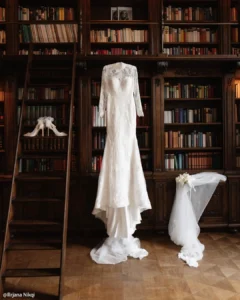
In the realm of luxury bridal fashion, the choice of a designer is a statement of identity. Cristina opted for the "Jules" gown from the Tel Aviv-based couture house Galia Lahav. Known for their "Do Not Disturb" collection, Galia Lahav specializes in garments that merge provocative silhouettes with intricate, hand-stitched detailing. The "Jules" dress is characterized by its "sexy, classy, and dramatic" profile, featuring an open back, a cathedral-length train, and delicate floral appliqués.
To achieve a versatile look for the transition from ceremony to reception, the bride worked with the design team to create custom, removable sleeves. This modification allowed for two distinct aesthetics: a more modest, romantic look for the cathedral ceremony and a streamlined, high-fashion silhouette for the evening festivities. The dress required multiple fittings and the expertise of a master seamstress to ensure a perfect fit, a process Cristina described as one of the most rewarding aspects of the preparation. According to bridal industry data, the trend of "convertible" wedding attire—where sleeves, overskirts, or capes are removed—has seen a 40% increase in luxury markets over the last two years, as brides seek to maximize their photographic variety.
Design and Coordination: The Role of Michigan Avenue Events
Executing a wedding of this scale—300 guests with high-end production requirements—necessitated the involvement of a premier planning firm. Michigan Avenue Events, led by a team of experienced coordinators, managed the logistical complexities of the day. The firm is known for its ability to navigate the unique challenges of downtown Chicago weddings, including traffic coordination for luxury vehicles and the management of large-scale vendor teams.

One of the most discussed elements of the reception design was a collaboration between the bride and Northern Greenhouses. Cristina, who identifies as a creative professional, took an active role in the design process. The centerpiece of the reception foyer was a grand piano transformed into a floral sculpture. A cascade of fresh blooms and flickering candles draped over the instrument, creating an immediate visual impact for guests as they entered the venue. This "floral installation" trend has largely replaced traditional centerpieces in high-budget weddings, moving toward immersive, site-specific art pieces that utilize the existing architecture of the room.
Logistical Mastery and the Guest Experience
The wedding served as a major logistical undertaking, with 300 guests flying in from across the country. Managing "fly-in" guests involves a high level of hospitality, often including hotel blocks, welcome bags, and coordinated transport. The couple utilized a classic white Rolls Royce for their primary transport, a choice that aligned with the timeless elegance of the cathedral and the high-status nature of the event.
The day was captured by photographer Kaylea Moreno, whose work focused on the "editorial" style of wedding photography. This approach prioritizes candid emotional moments—such as the "first look" with the bridesmaids and the groom’s reaction at the altar—alongside high-contrast, fashion-forward portraits. In an era where wedding content is increasingly designed for both private memory and social media distribution, the role of a photographer who can navigate both worlds is paramount.

The "Rockstar" Reception: A Break from Tradition
While the ceremony was rooted in tradition, the reception was defined by high energy and personal performance. In a departure from the standard "first dance" format, the bride herself took to the stage to perform with the live band. This "rockstar" moment served as a highlight of the evening, signaling a shift in modern wedding trends where couples are increasingly looking to entertain their guests through personalized performances rather than just traditional formalities.
Despite the intensity of the day, Cristina noted that she would not change a single detail, with the minor exception of the honeymoon timing. The couple departed for their honeymoon the day after the wedding—a common practice that many modern couples are now reconsidering in favor of a "minimoon" or a few days of rest before international travel.
Broader Implications: The State of the Luxury Wedding Market
The scale and execution of the Cristina-Jordan wedding reflect broader trends in the $70 billion U.S. wedding industry. Following the disruptions of the early 2020s, there has been a resurgence in "maximalist" weddings. Data from The Knot and other industry analysts suggest that while the number of guests may fluctuate, the per-guest spend has reached record highs in metropolitan hubs like Chicago.

Events like this also highlight the economic impact of the wedding industry on local ecosystems. From the floral wholesalers supplying Northern Greenhouses to the hospitality staff at the reception venue and the specialized services of Michigan Avenue Events, a single 300-person wedding can support dozens of local businesses and hundreds of individual jobs.
Conclusion: A Legacy of Love and Style
Cristina and Jordan’s wedding stands as a testament to the power of clear vision and professional execution. By anchoring their celebration in a historic Chicago landmark and infusing it with modern couture and personal flair, they created an event that was both a private milestone and a public display of artistry. As they embark on their new life together, the memories of the floral-draped piano, the sobbing groom at the altar, and the rockstar performance on stage remain as vibrant reminders of a day where every detail was, indeed, perfect.