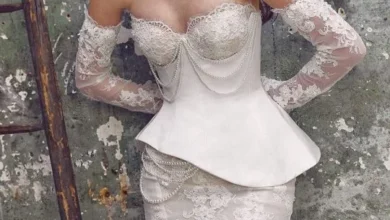
Milla Nova 2026 Bridal La Maison Rose Collection Unveils A Romantic Fusion of Vintage Heritage and Modern Couture


The 2026 bridal season has officially commenced with the unveiling of the La Maison Rose collection by Milla Nova, a series that marks a deliberate shift toward the intersection of historical nostalgia and contemporary garment construction. Inspired by the aesthetic landscape of the Roseraie de la Normandie near Rouen, France, the collection seeks to translate the ephemeral beauty of a blooming garden into high-fashion bridal wear. By utilizing intricate 3D floral motifs, delicate rosettes, and versatile modular components, the design house aims to cater to a modern demographic that values both the narrative of vintage romanticism and the practicality of modern, wearable art.
Chronology and Creative Genesis
The development of the La Maison Rose collection was a multi-year project spearheaded by lead designer Lorenzo Rossi and his design team. The conceptual framework was established in early 2024, with the primary inspiration stemming from the archives of the late 1980s. Specifically, designer Juliana drew from the wedding gown worn by her mother in 1989. This personal anchor served as the blueprint for the collection’s signature design elements, including the reintroduction of voluminous, billowy sleeves and the emphasis on structural basque waists.
By late 2024, the design team began sourcing premium materials, focusing on French Chantilly lace and high-grade plissé fabrics. The production phase spanned the majority of 2025, culminating in a late-year release to align with the global bridal fashion cycle. This timeline reflects the industry-wide trend of preparing collections 12 to 18 months in advance of the primary wedding season, ensuring that the garments are available for international bridal boutiques ahead of the 2026 peak.

Materiality and Technical Craftsmanship
The technical composition of the La Maison Rose collection relies heavily on the marriage of traditional couture techniques with modern fabric manipulation. The garments feature complex structural integrity, often incorporating corset bodices that provide a rigid, form-fitting silhouette juxtaposed with fluid, chapel-train skirts.
One of the most notable technical features is the implementation of removable appliqués and versatile styling options. In an era where brides increasingly seek "day-to-night" transitions, Milla Nova has integrated detachable capes, jackets, and varied sleeve lengths. This modularity allows a single gown to serve multiple functions, transitioning from a formal ceremony aesthetic to a reception-ready look. The use of scalloped necklines and embellished lace sheath designs demonstrates an adherence to high-precision tailoring, ensuring that the intricate textures remain the focal point of each garment.

Thematic Inspiration: A Botanical Ode
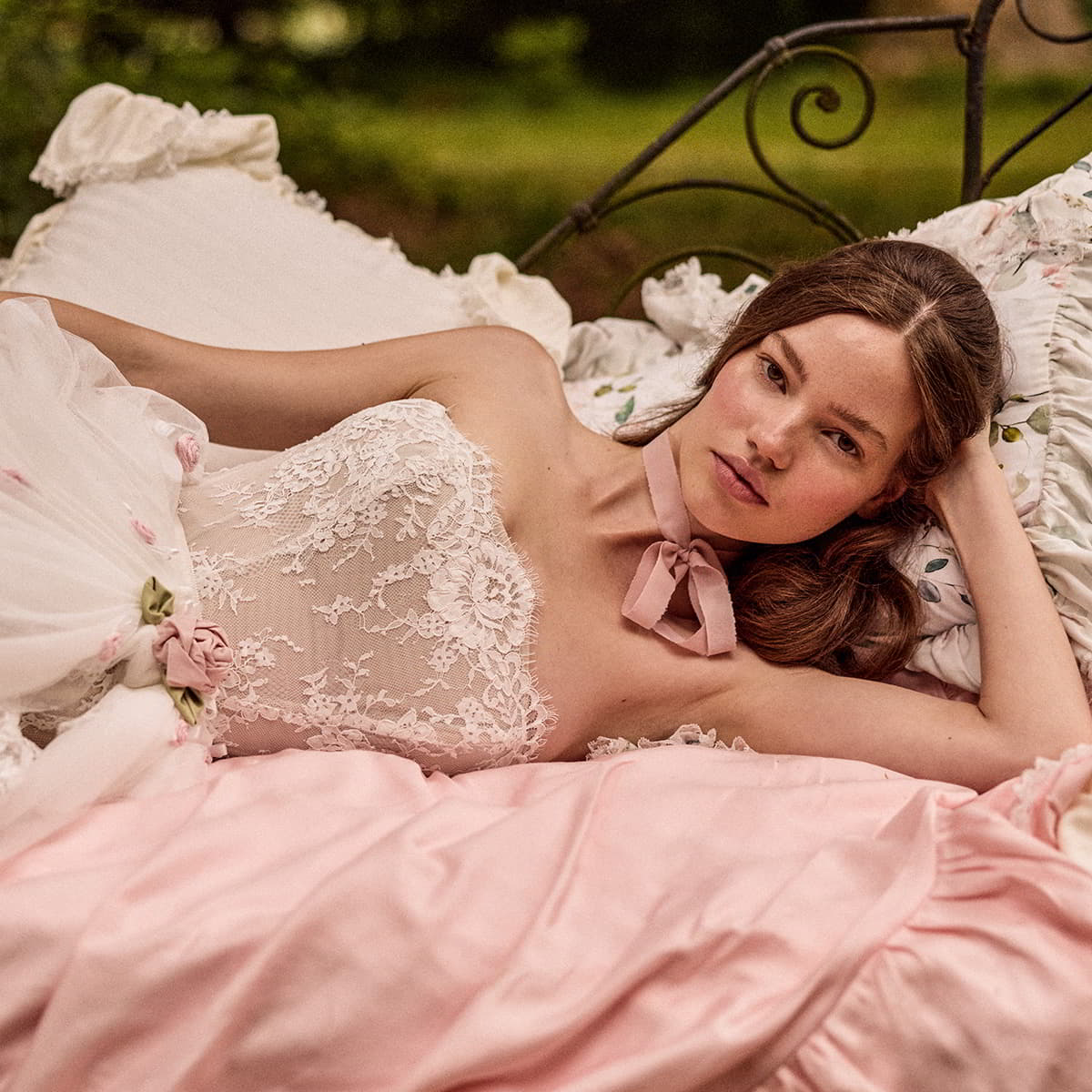
The collection’s name, La Maison Rose, serves as both a literal and metaphorical reference to the botanical inspiration behind the line. The Roseraie de la Normandie is a site known for its extensive variety of roses, and the collection mimics this variety through different silhouettes—ranging from fit-and-flare mermaid cuts to grand A-line ball gowns.
Lorenzo Rossi has characterized the collection as a "confession" and a "secret poem," indicating that the intent was to evoke an emotional response rather than merely satisfying a commercial demand. By treating the bride as the "muse," the design language emphasizes femininity and growth. The use of soft pink undertones, high-low hemlines, and delicate bow accents reinforces this thematic connection to the natural world, moving away from the stark, traditional ivory palettes that have dominated the market for the previous decade.

Market Implications and Industry Context
The release of the 2026 collection arrives at a pivotal moment for the bridal industry. According to recent market analysis reports from the wedding and luxury fashion sectors, there is a clear trend toward "hyper-personalization." Brides are moving away from standardized mass-produced gowns in favor of pieces that offer unique, custom-like details, such as the 3D florals and structural basque waists found in this collection.
Furthermore, the bridal wear market has shown resilience despite broader economic fluctuations. The luxury segment, in particular, has seen an uptick in demand for high-craftsmanship items that serve as heirlooms. Milla Nova’s decision to blend 1980s silhouettes with 2026 fabric technology is a calculated effort to capture the "vintage-revival" demographic—a group of consumers who are interested in the aesthetic of their parents’ era but require the lightweight, breathable, and functional properties of modern synthetic and silk blends.

Analysis of Design Trends
A brief analysis of the 2026 lineup reveals several key shifts in bridal design:
- Structural Focus: The prevalence of the basque waist indicates a move away from the "boho-chic" loose silhouettes of the early 2020s toward a more structured, corseted, and "regency-core" aesthetic.
- The Rise of Short and High-Low Hemlines: The inclusion of short, bubble-hem skirts and high-low chapel trains suggests that designers are acknowledging the trend of reception-centric bridal fashion, where ease of movement is prioritized alongside visual impact.
- Textural Depth: Rather than relying on simple beadwork, the collection utilizes 3D rosettes and layered lace, creating a tactile experience that translates well in both photography and in-person settings.
Official Statements and Brand Positioning
In official communications regarding the collection, the house of Milla Nova has emphasized that while the inspiration is deeply rooted in the past, the execution is strictly modern. By sourcing materials from renowned international ateliers, the brand maintains its standing in the high-end bridal market.

"Each gown we craft becomes a confession," stated Lorenzo Rossi during the pre-launch phase. This sentiment is echoed in the brand’s marketing collateral, which positions the La Maison Rose collection as a synthesis of memory and innovation. The emphasis on "blossoming" and "soft echoes of bygone romance" serves to cultivate a brand identity that is both aspirational and deeply rooted in the concept of romantic legacy.
Consumer Guidance and Ethical Retail
As with many high-fashion bridal houses, Milla Nova utilizes a network of authorized retailers to distribute its collections. Prospective brides are advised to exercise caution regarding online listings that appear to offer the dresses at significant discounts or from non-authorized third-party websites. The design house, in conjunction with international bridal authorities, consistently warns against "buyer beware" scenarios, emphasizing that authentic craftsmanship and precise measurements are only guaranteed through verified retail partners.

The 2026 collection is currently being rolled out to boutiques worldwide. For those seeking specific pricing or regional availability, the brand directs consumers to their official portal, where the collection is categorized by style, silhouette, and technical specifications.
Conclusion
The La Maison Rose 2026 collection serves as a significant marker in the evolution of bridal fashion. By successfully navigating the tension between the structured elegance of the late 20th century and the functional, high-design requirements of the mid-2020s, Milla Nova has positioned itself as a leader in the luxury bridal sector. As the fashion industry continues to prioritize storytelling and heritage, collections that effectively marry personal history with modern technical mastery, like those presented by Rossi and his team, are likely to define the standard for the upcoming wedding season. The shift toward floral-inspired, modular, and historically-influenced designs represents a broader cultural appreciation for enduring beauty and the re-imagining of classical bridal tropes for a new generation of brides.