An Ode to Old Romance: Challenging the Conventions of Modern Bridal Fashion Through Vintage Curation


The contemporary bridal industry is frequently defined by rigid standards of uniformity, often dictating that a bride’s aesthetic must adhere to a specific era, color palette, or traditional archetype of femininity. However, a recent editorial project titled An Ode to Old Romance seeks to dismantle these expectations. By sourcing authentic garments from Austin-based Old Harvest Vintage, a creative team led by photographer Alexus Uchendu of Maka Studios has curated a visual narrative that emphasizes the versatility, historical significance, and personal expression inherent in vintage bridal wear. This editorial does not merely showcase dresses; it serves as a documentation of the modern bride’s journey to find a garment that reflects her identity rather than a pre-packaged ideal.
The Curatorial Process and Historical Context
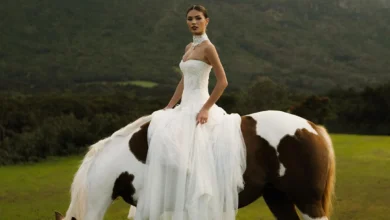
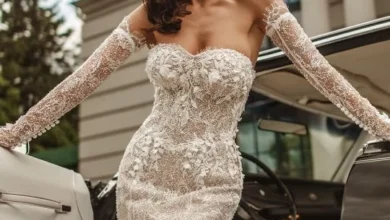
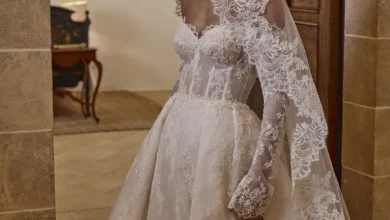
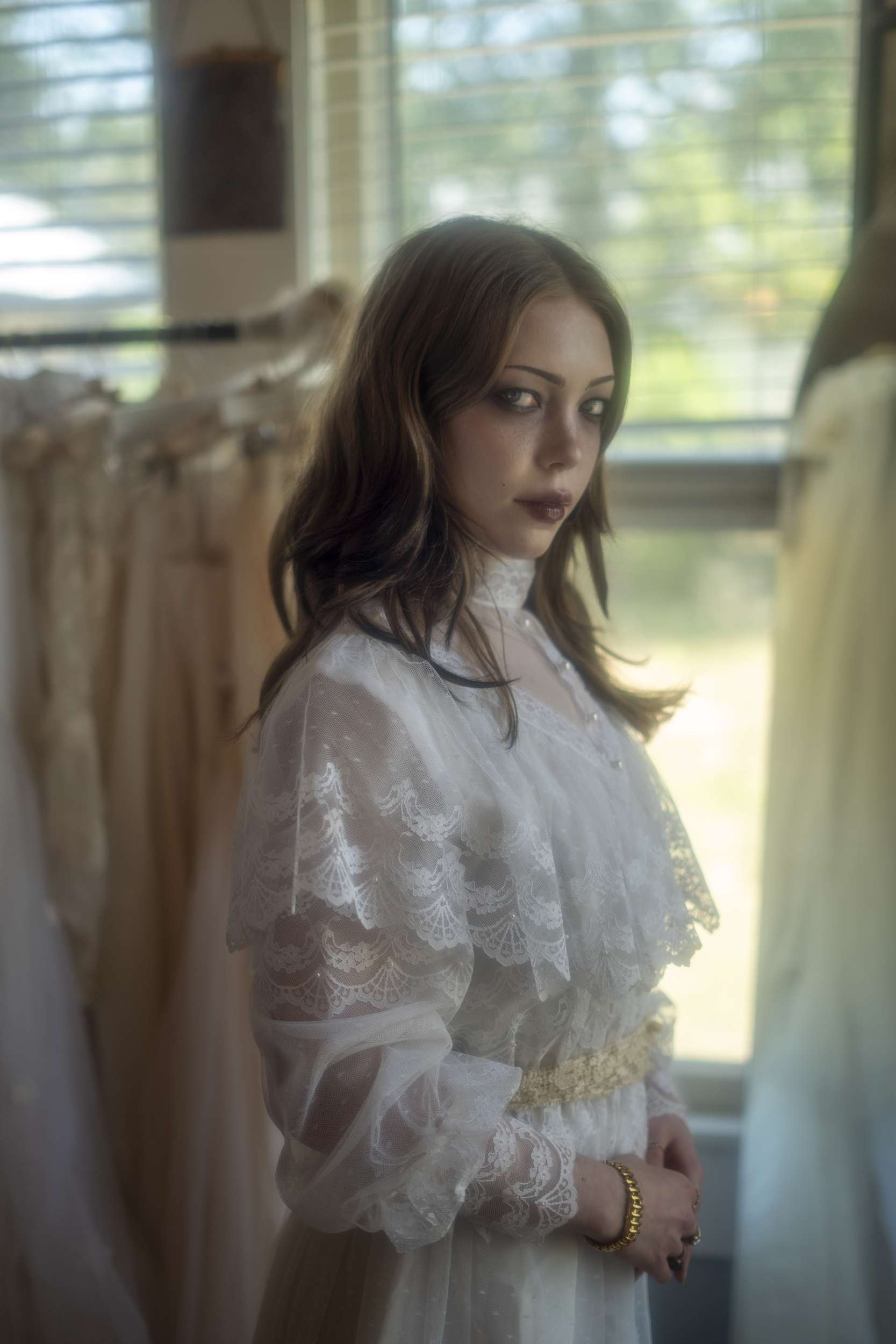
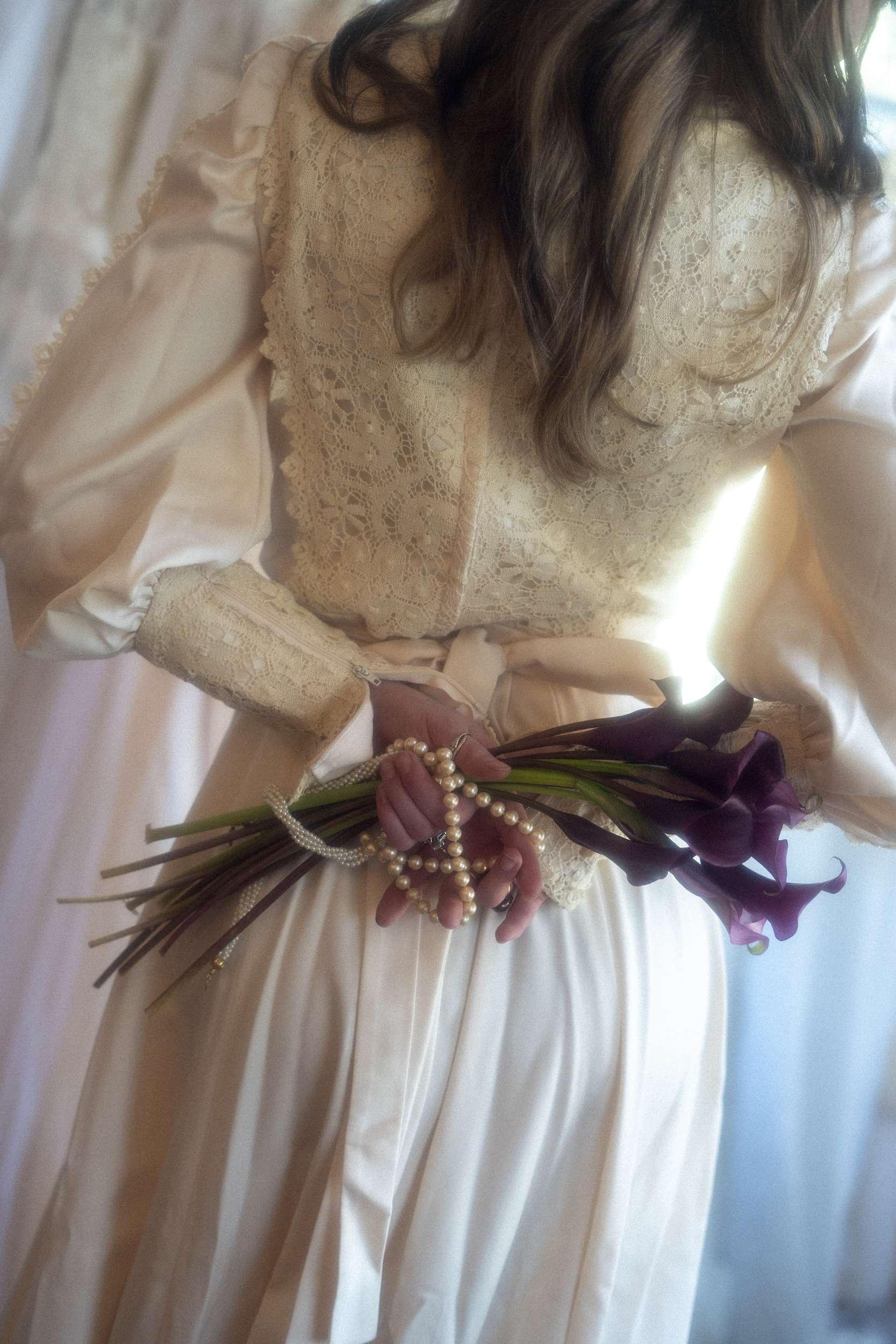
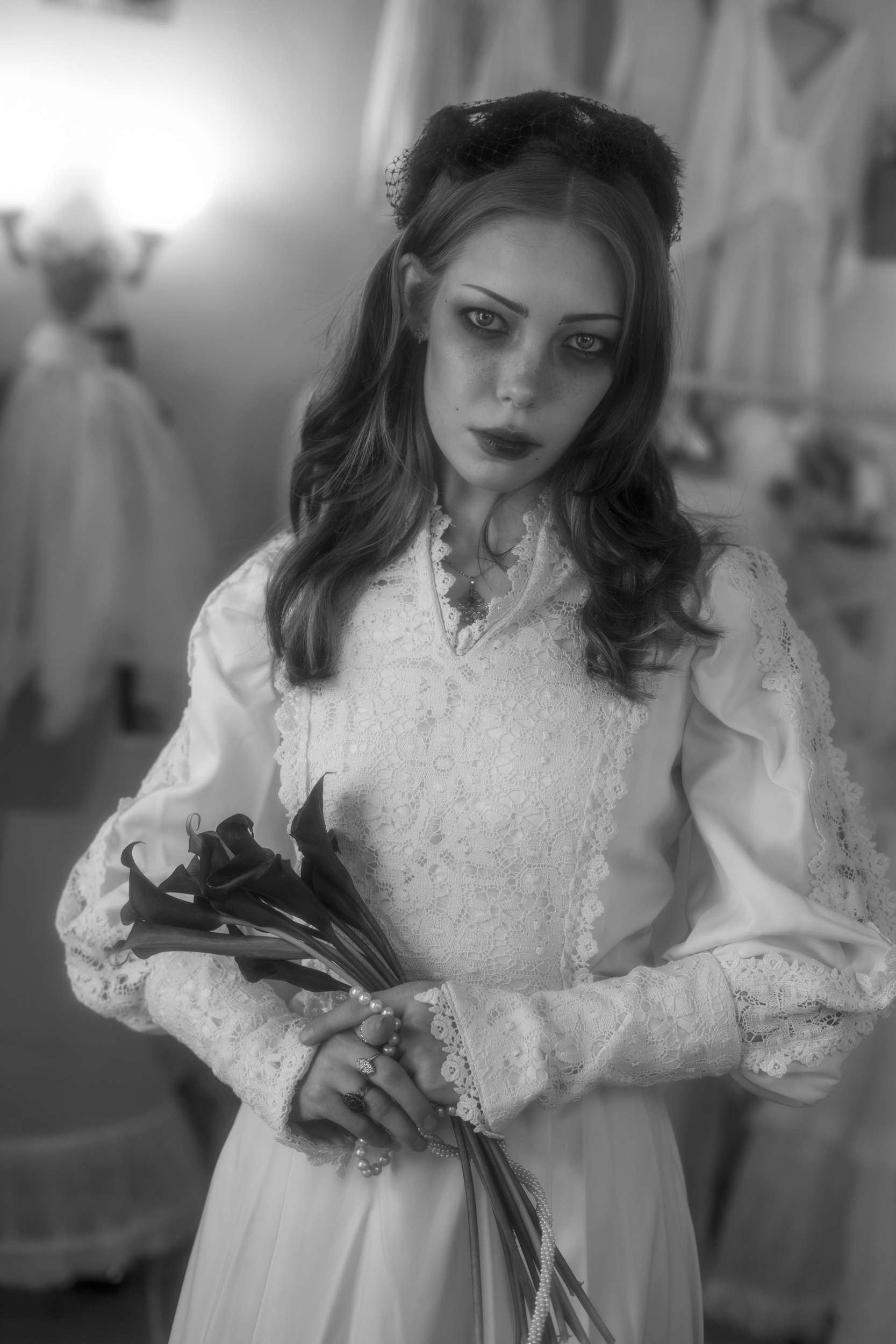
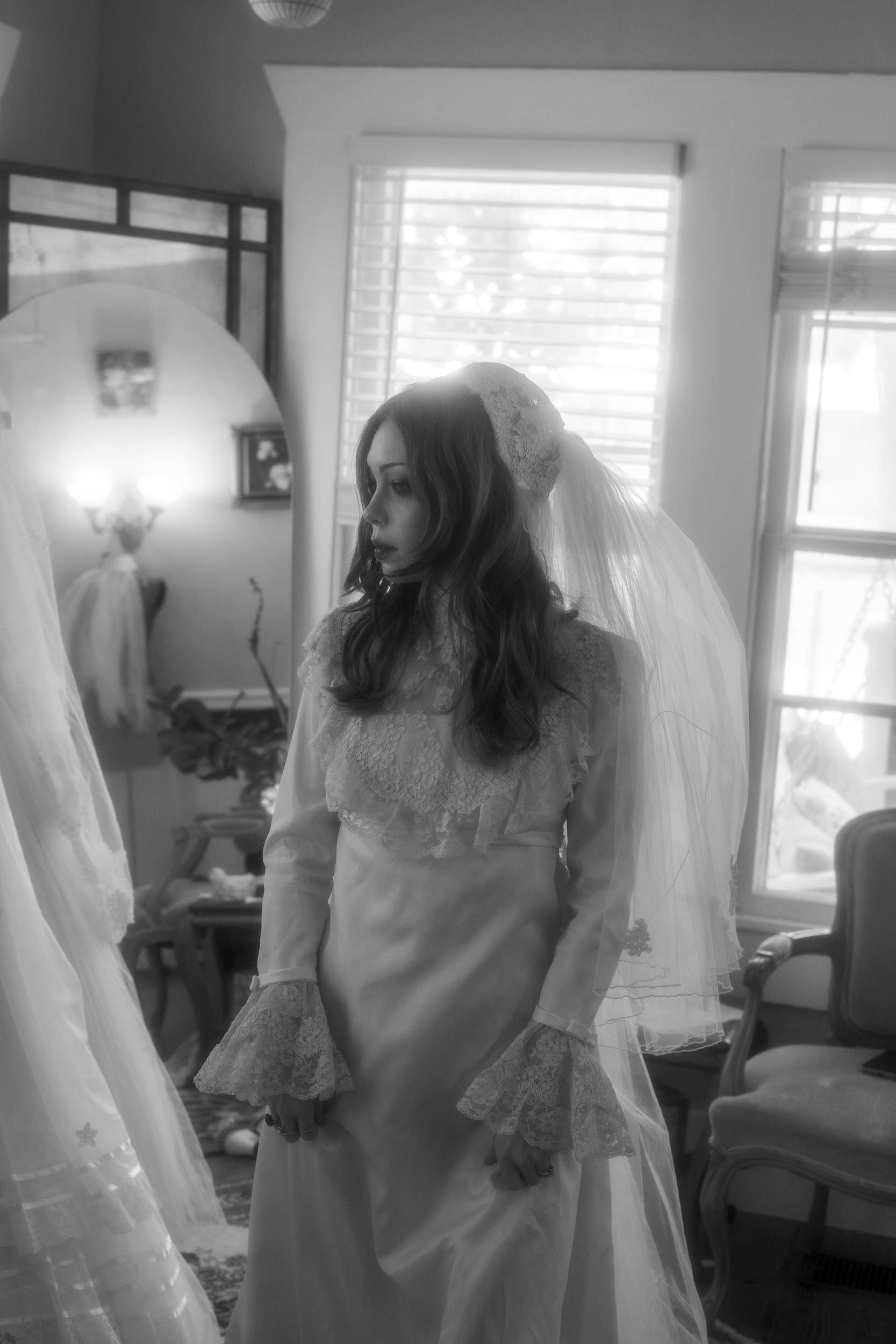
The collection utilized for the shoot spans several decades, with a focus on Victorian and Edwardian influences that have long informed the structure of modern wedding gowns. Among the standout pieces featured are a pale 1970s ensemble that draws heavily from 19th-century silhouettes and a structured, avant-garde black couture gown manufactured in France during the 1980s.
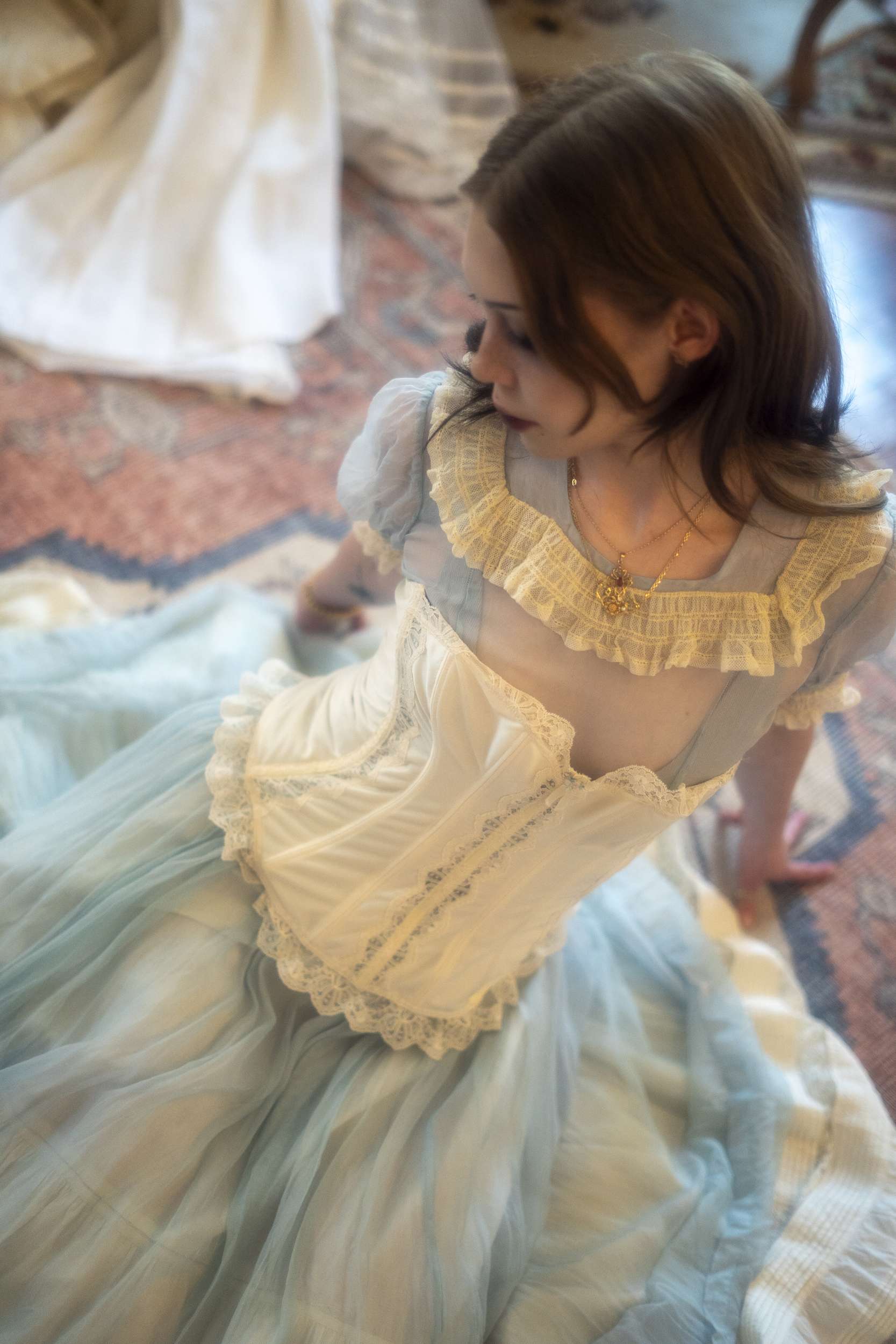
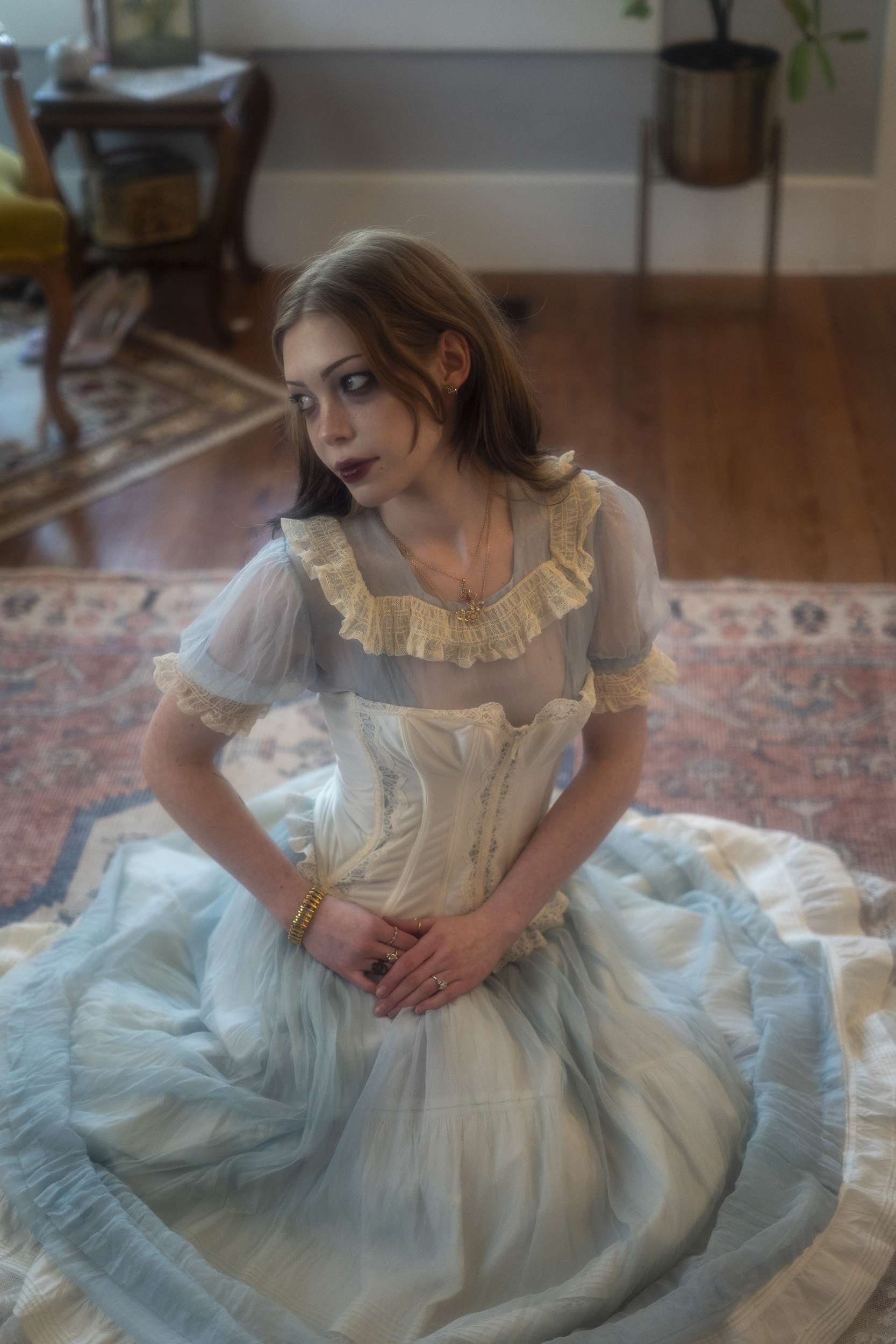
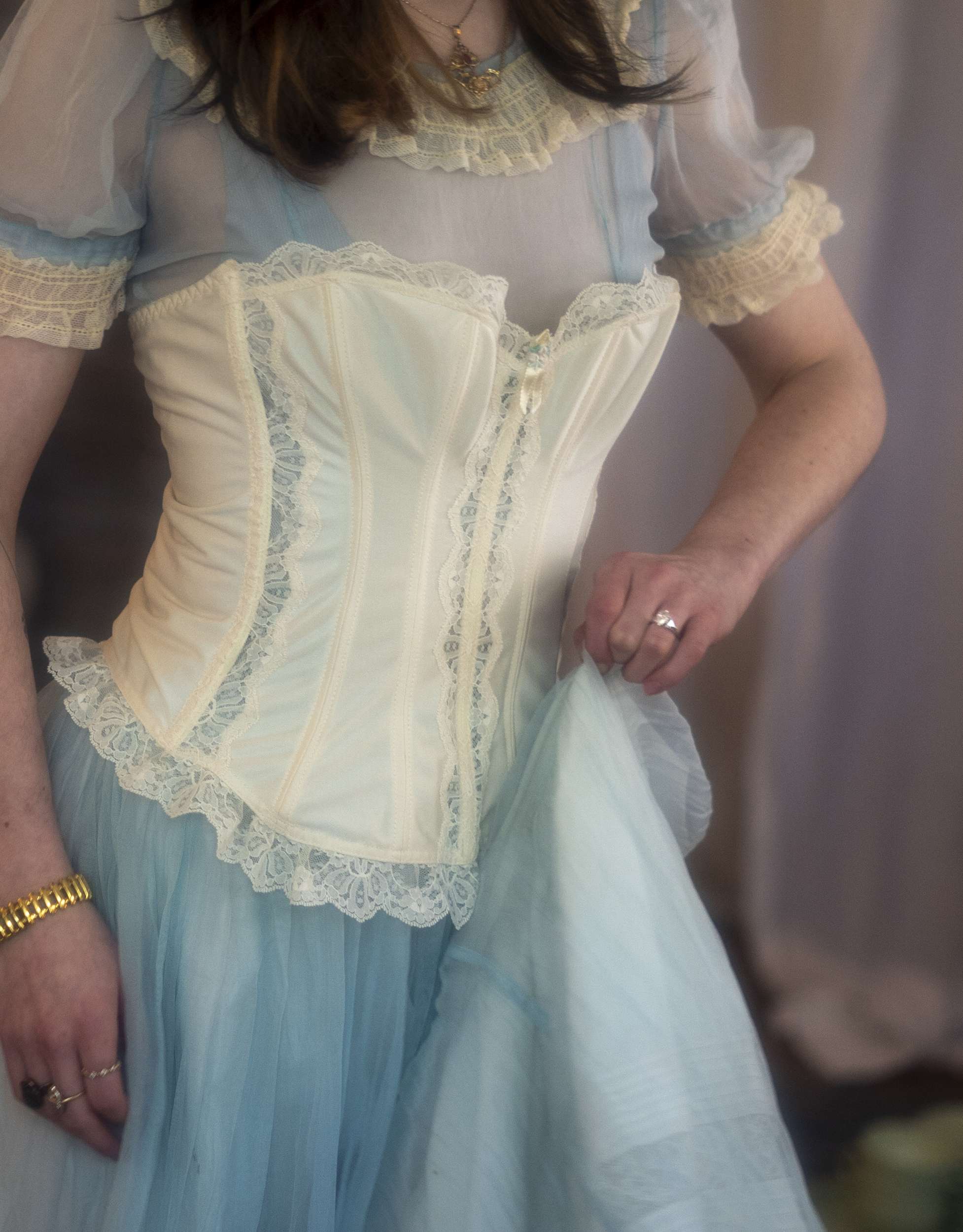
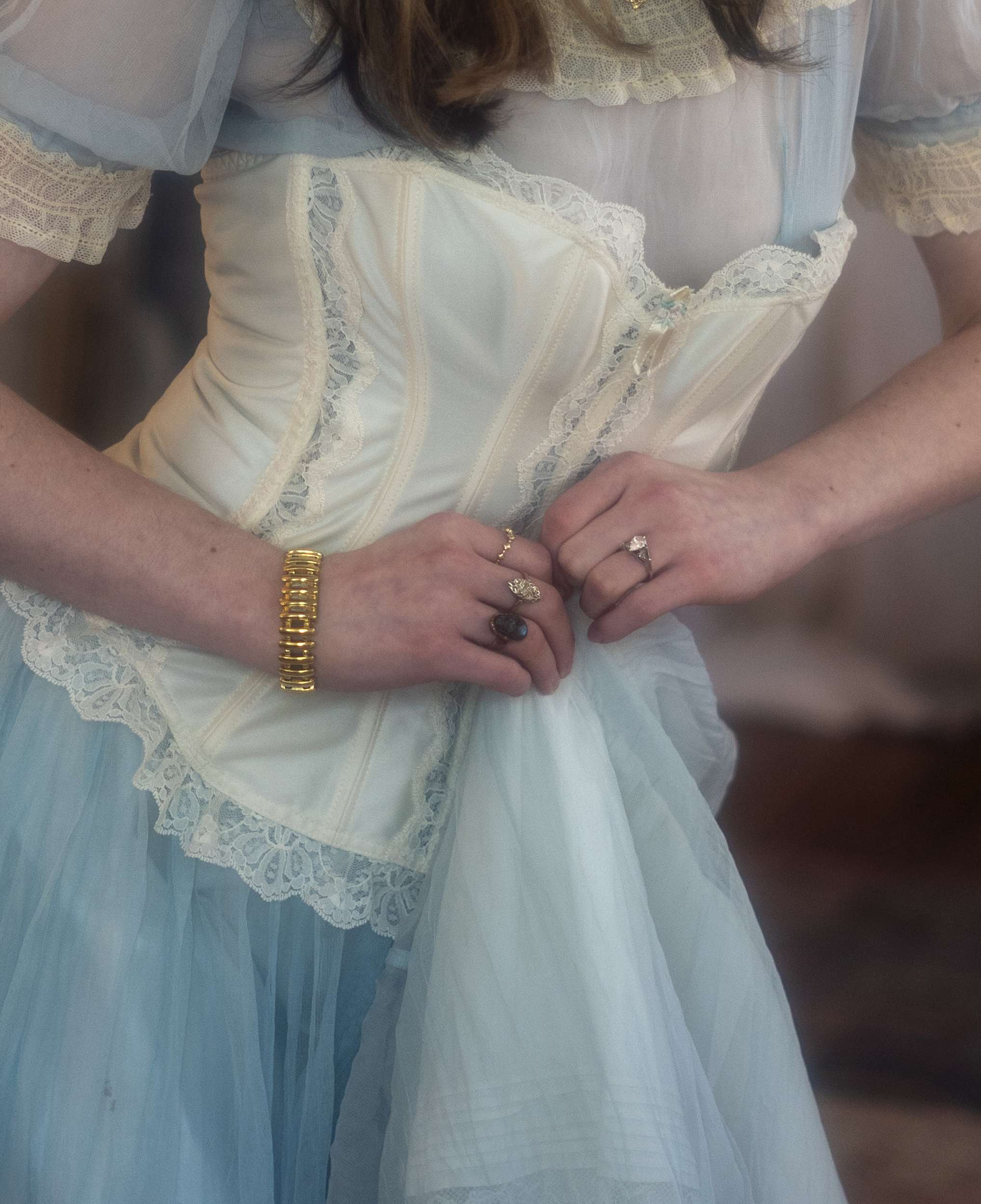
The selection process was driven by a desire to reject the notion that a wedding dress must be a "museum piece"—static and untouchable. Instead, the team approached these garments as living artifacts. By pairing a 1970s pale blue gown with a contemporary ivory corset, the stylists demonstrated that vintage pieces can be adapted to suit modern sensibilities without compromising the integrity of the original design. This layering technique allows brides to modify the silhouette and fit of a garment, proving that historic clothing can be seamlessly integrated into a modern wardrobe.
A Chronology of the Editorial Concept
The project began as an exploration of the emotional connection between a bride and her potential wedding attire. Alexus Uchendu, who spearheaded the shoot, noted that the inspiration was derived from the unique, time-worn character of the gowns held at Old Harvest Vintage. The creative team chose to center the narrative on a real-life bride-to-be, Maddie, who is currently in the process of searching for her own wedding dress.
By documenting a search rather than a staged finality, the editorial captures the tension and excitement of the bridal shopping experience. The timeline of the shoot follows a thematic progression:
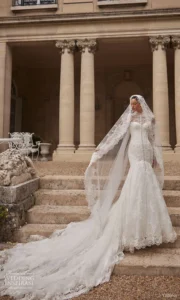
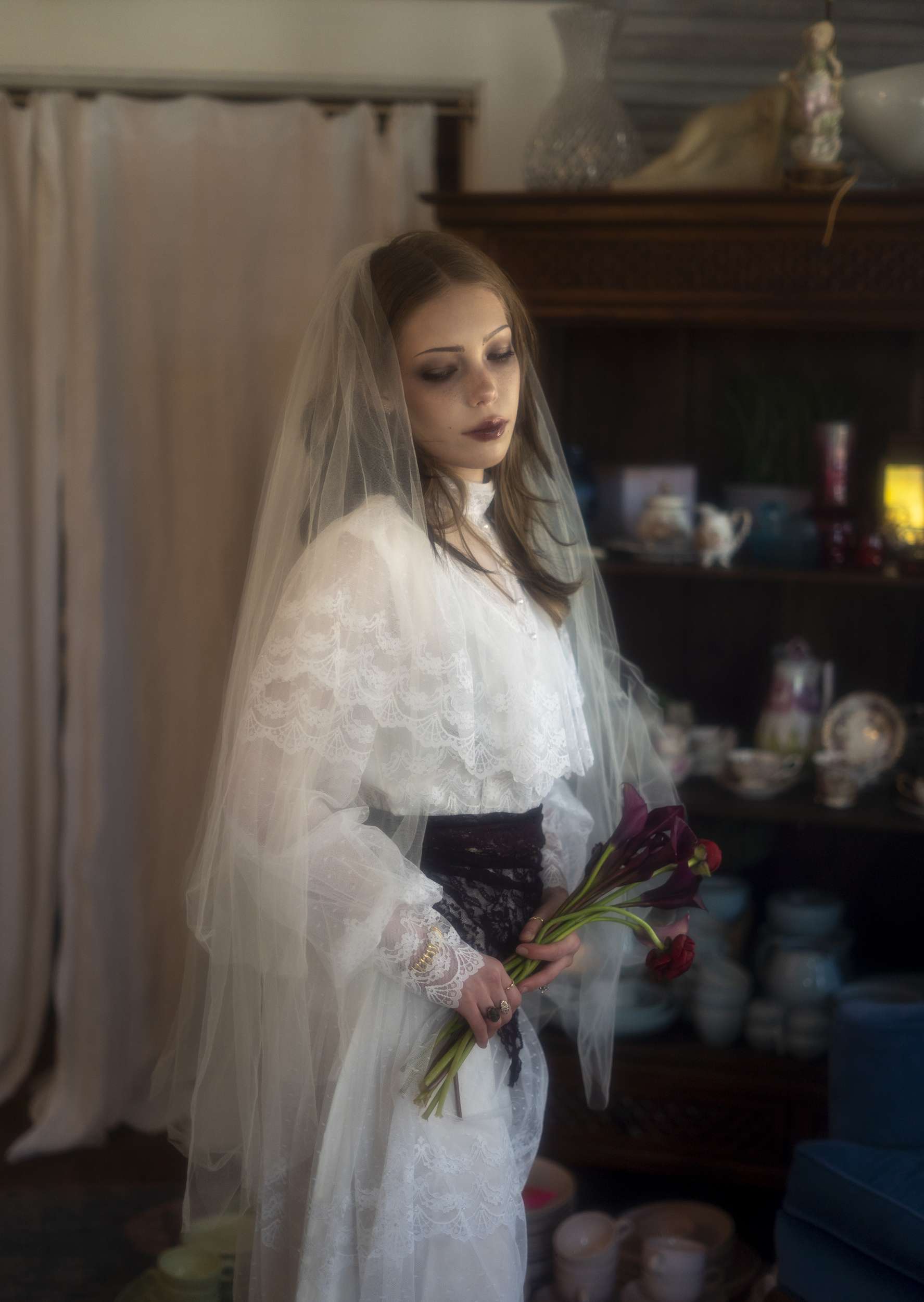
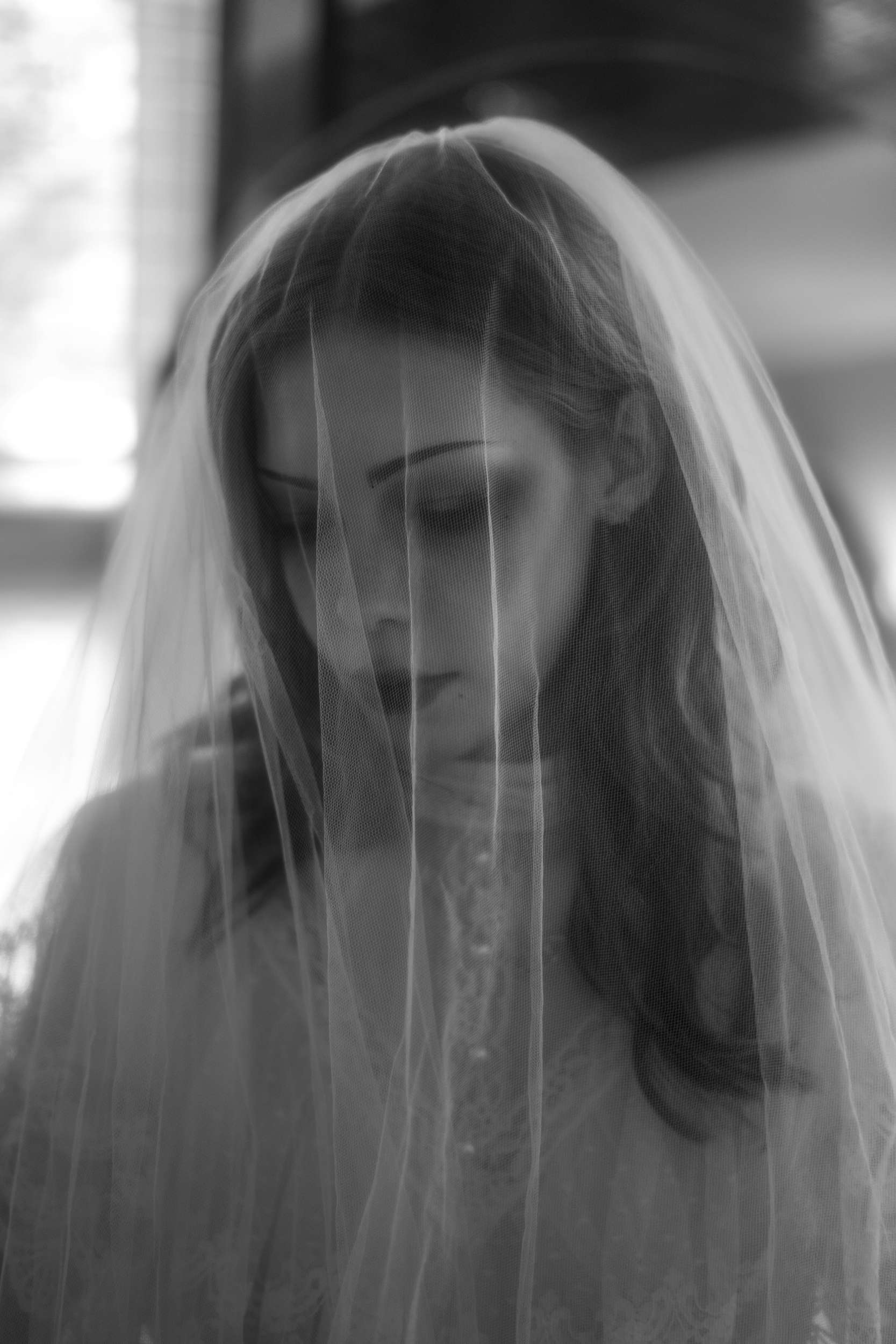
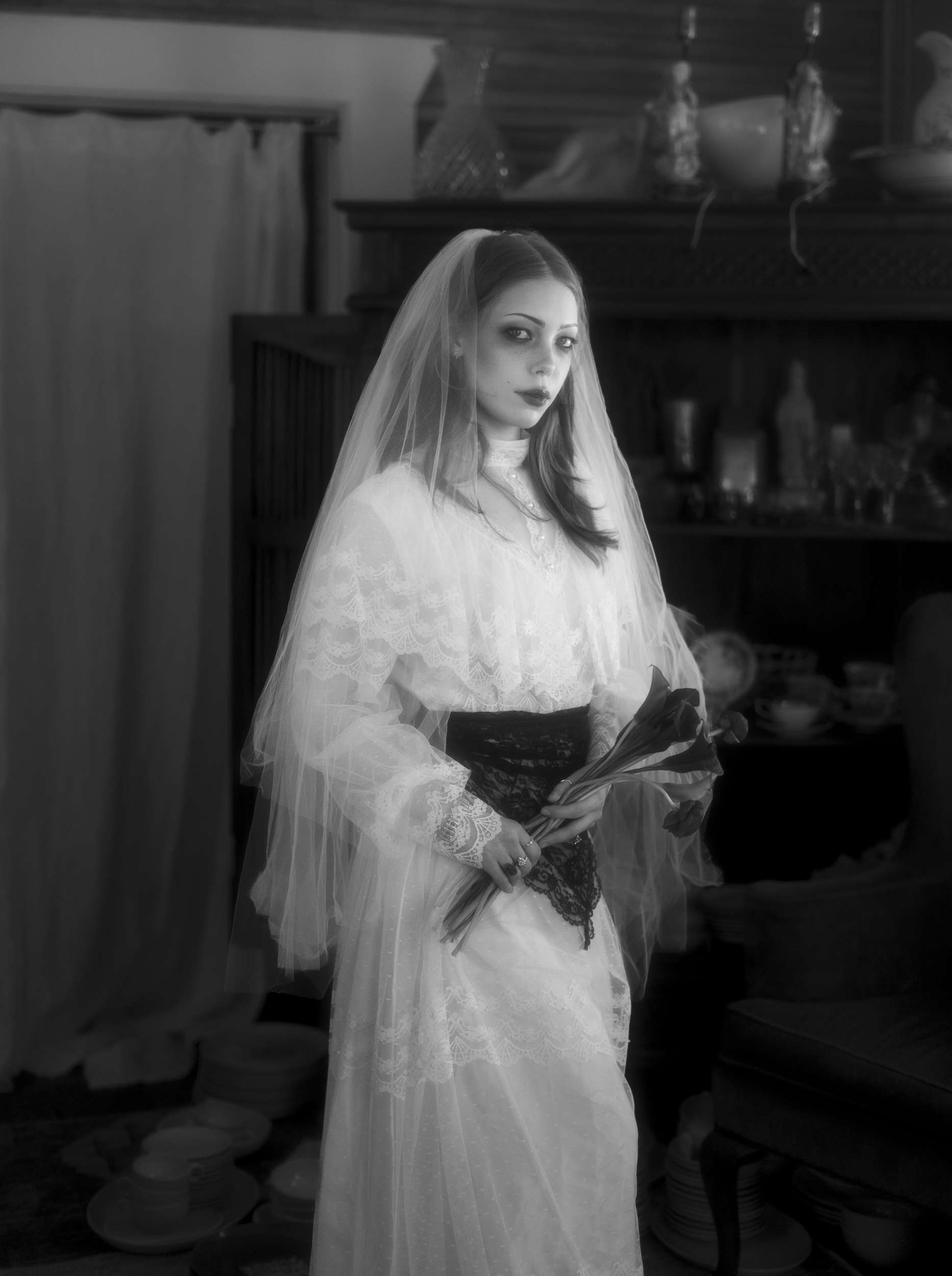
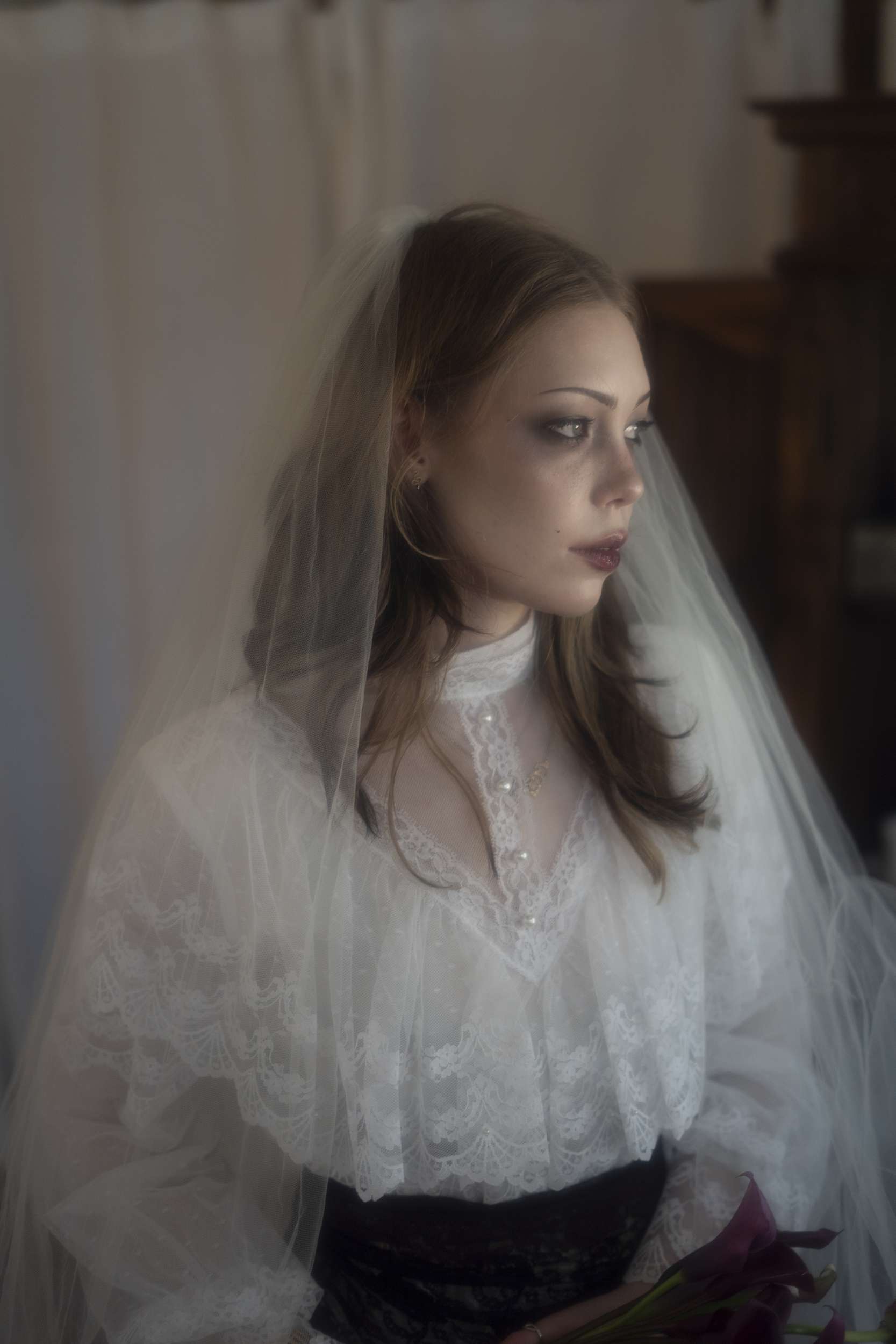
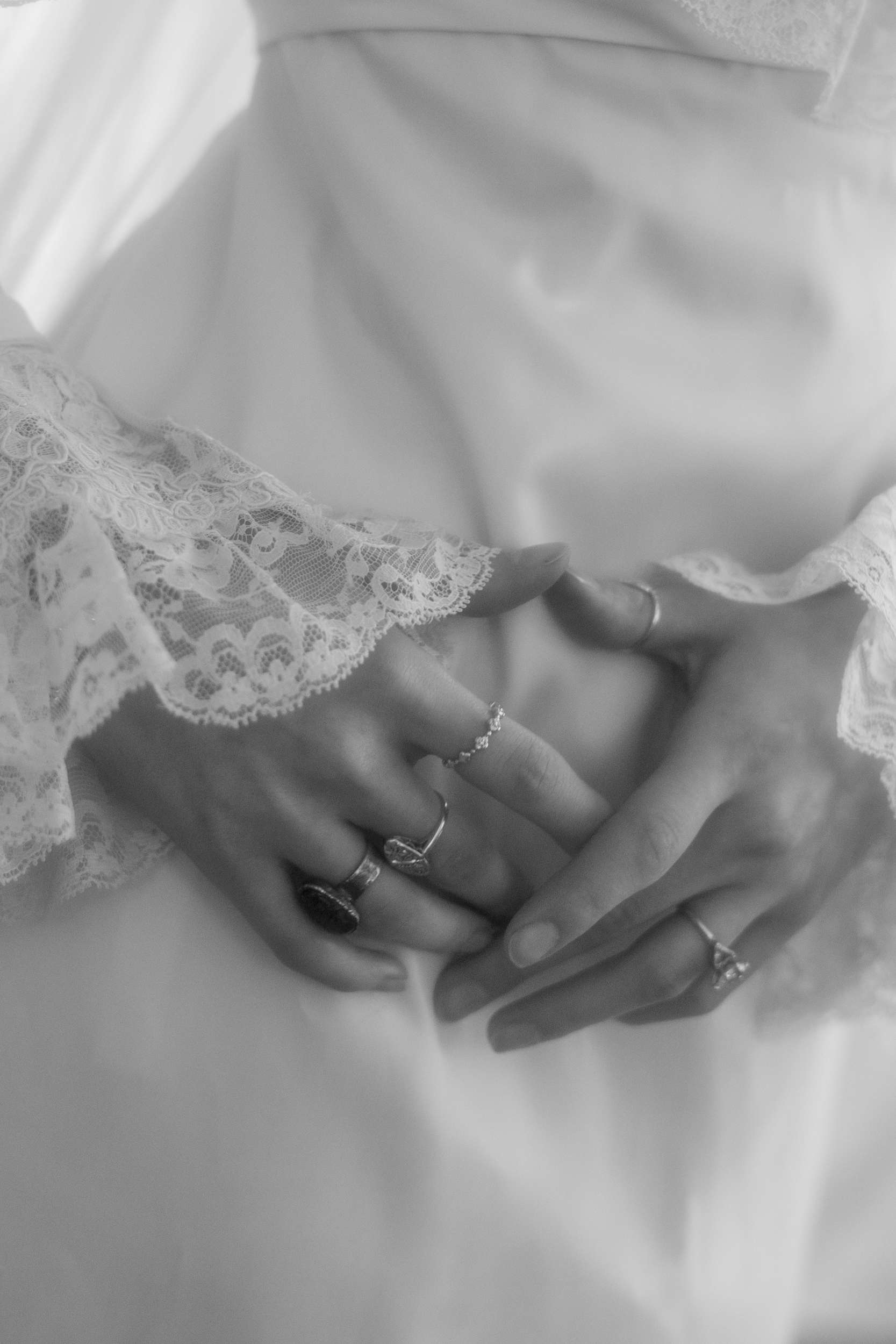
- The Victorian Influence: The initial phase focused on traditional white lace gowns, characterized by high collars and full sleeves. These were styled with bold, contemporary beauty choices—smoky eye makeup and dark, saturated lip tones—to contrast the innocence typically associated with Victorian aesthetics.
- The Reimagining of Color: The mid-phase introduced the 1970s blue dress, utilizing styling elements like belts and corsetry to demonstrate the structural adaptability of vintage fashion.
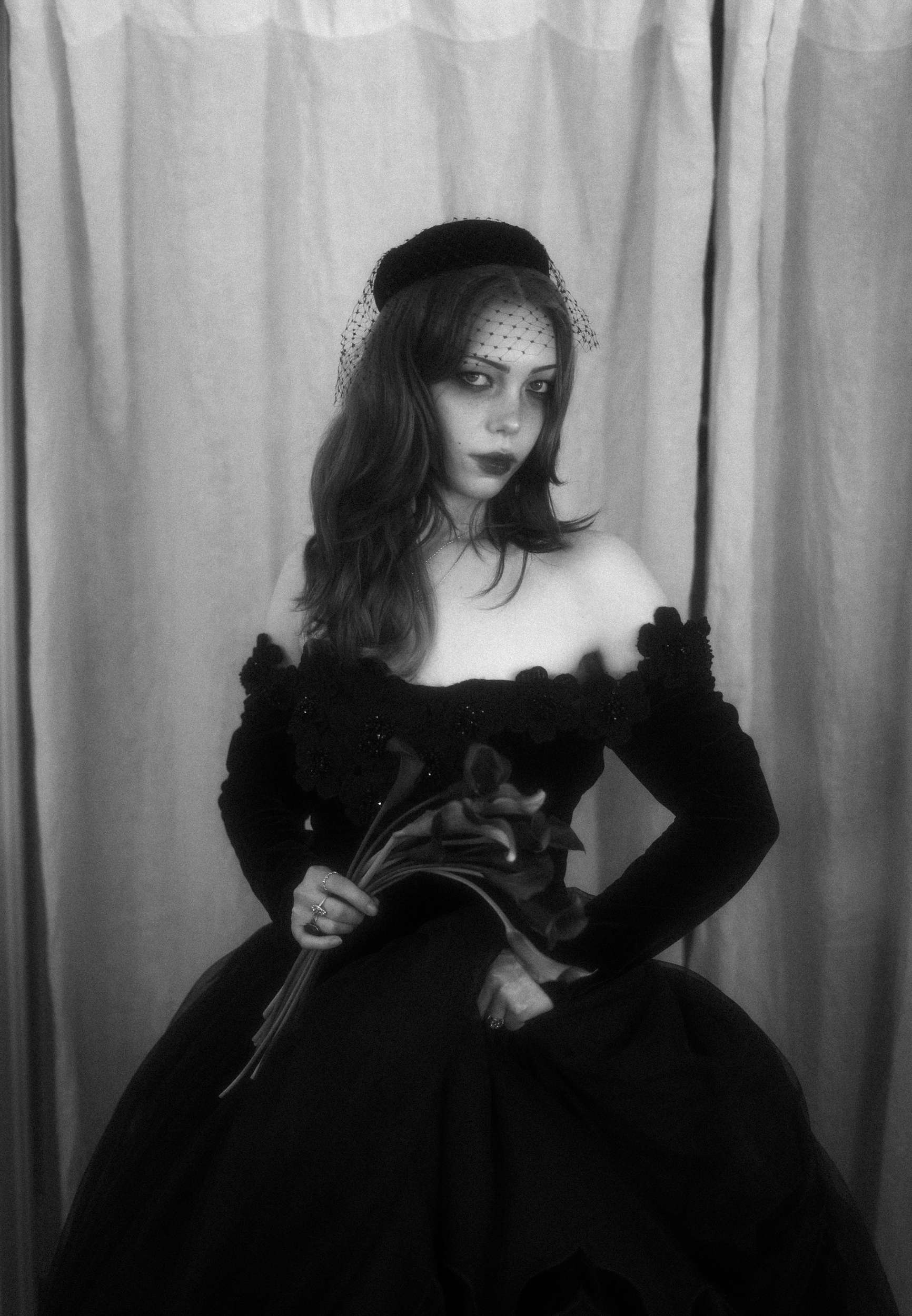
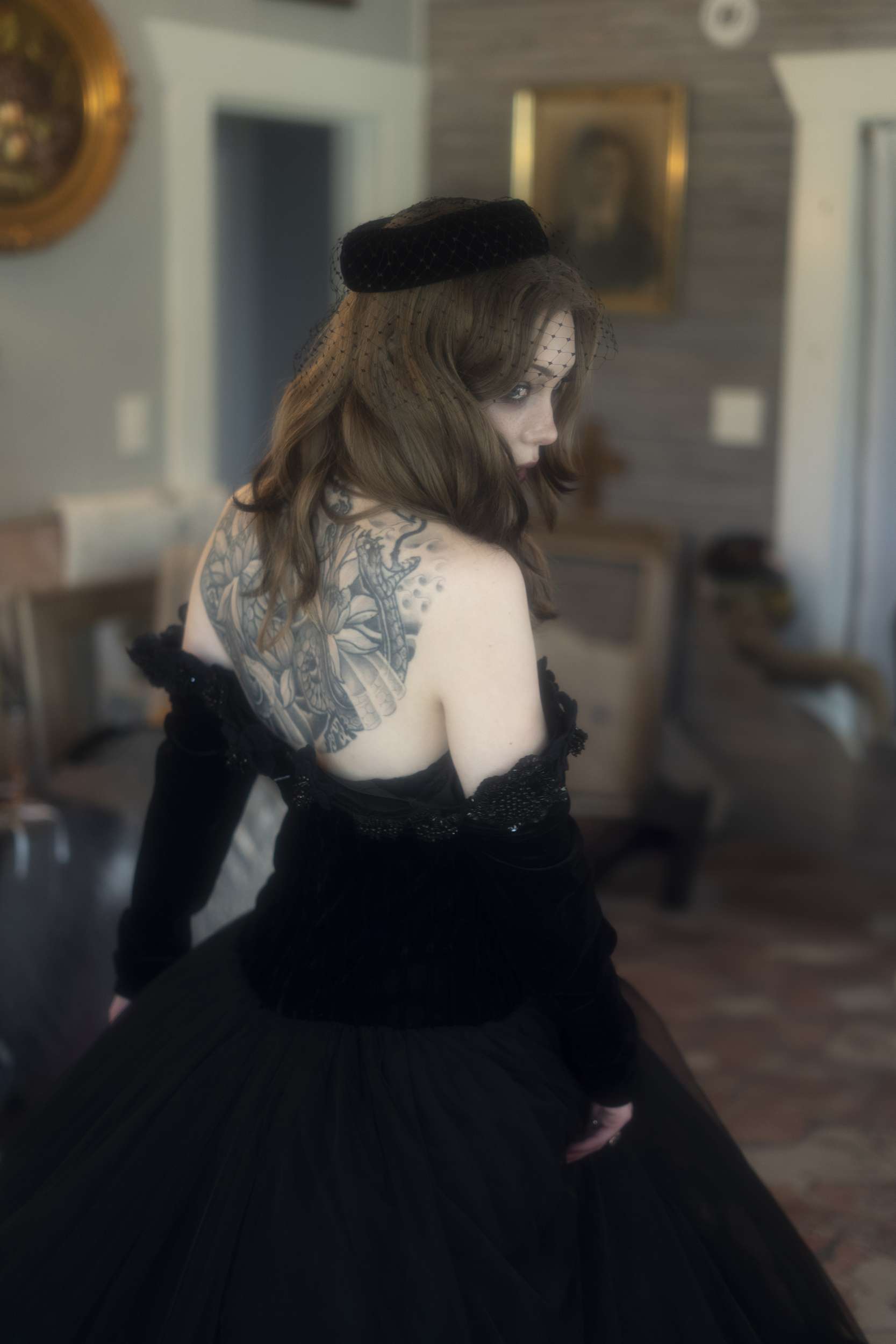
- The Modern Rejection: The final phase featured the 1980s French black couture gown. By intentionally leaving the model’s tattoos visible and utilizing minimal, stark accessories like a simple veiled hat, the team highlighted the juxtaposition between historical formality and contemporary individual expression.
Data and Market Trends in Sustainable Bridal Fashion
The move toward vintage bridal wear aligns with a broader shift in consumer behavior within the wedding industry. According to industry analysis from the wedding planning sector, there has been a 15% increase in searches for "sustainable wedding options" over the last three years. This trend is driven by two primary factors: environmental consciousness and a desire for unique, non-mass-produced items.
Vintage bridal wear offers a solution to the waste generated by the "fast fashion" bridal market. While a traditional wedding gown is often worn for only a few hours, the manufacturing process—involving complex logistics, synthetic fabrics, and labor-intensive shipping—carries a significant carbon footprint. By opting for pre-existing garments, brides can reduce their environmental impact while securing a one-of-a-kind piece.

Furthermore, the market for vintage items is increasingly accessible. Specialized retailers like Old Harvest Vintage serve as curators who perform the essential work of sourcing, restoring, and verifying the provenance of these garments. This professional intervention mitigates the primary risk for the consumer: sizing.
Navigating Vintage Sizing and Procurement
One of the most significant barriers to the mainstream adoption of vintage bridal wear is the variance in sizing standards across different decades. Modern mass-production clothing utilizes standardized sizing charts that have shifted significantly over the last 50 years; a size 10 in 1950 is not equivalent to a size 10 in 2026.
Industry experts emphasize that procurement must be based on objective measurements rather than labels. To ensure a successful transaction, prospective brides are advised to request specific dimensions from retailers:
- Bust and Waist: The most critical points for fit.
- Shoulder Width: Often neglected, this measurement dictates the movement of the sleeve.
- Total Length: Crucial for determining whether the garment requires professional hemming or if it fits the wearer’s height.
The most effective method for evaluating a fit is to compare these measurements against a garment currently in the shopper’s closet that is known to fit perfectly, rather than relying on body measurements alone. This distinction is vital because vintage fabrics—often non-stretch silks, wools, or heavy laces—do not possess the "give" of modern synthetic-blend fabrics.
Broader Implications for the Industry
The An Ode to Old Romance editorial signals a departure from the "white wedding" orthodoxy. By incorporating elements such as dark makeup, tattoos, and black gowns, the project validates the aesthetic choices of a growing demographic of brides who seek to express their subcultural or personal identities through their wedding attire.
Historically, the white wedding dress was popularized by Queen Victoria in 1840, establishing a standard that has dominated Western culture for nearly two centuries. However, as contemporary brides increasingly prioritize personal narrative over tradition, the influence of these Victorian norms is waning. The inclusion of the 1980s French black dress is particularly telling; it demonstrates that "drama" and "elegance" in bridal fashion are not the exclusive domain of traditional white tulle or lace.
Analysis of Stylistic Choices
The styling decisions made by the Maka Studios team carry significant weight. By layering an ivory corset over a 1970s gown, the stylists are engaging in a dialogue between the past and the present. The corset, a staple of historical fashion, is being repurposed here as a tool for modern fit and aesthetic control.
This approach serves as an educational model for brides who might be hesitant to purchase vintage due to perceived limitations. It provides a blueprint for how to alter the silhouette—by adding a belt, changing the jewelry, or wearing a modern base layer—without permanently altering or damaging the original garment. This methodology preserves the historical value of the clothing while ensuring it remains functional for a contemporary event.
Conclusion
The collaborative effort between Alexus Uchendu and Old Harvest Vintage serves as a compelling argument for the democratization of bridal style. By treating historical garments with respect but not reverence, the editorial team has provided a visual guide for the modern bride.
As the wedding industry continues to evolve, the shift toward sustainable, narrative-driven, and historically informed fashion appears to be a lasting trend. Whether through the procurement of a Victorian lace gown or the sourcing of a 1980s couture piece, the message remains clear: the wedding dress is not an end in itself, but a medium for personal storytelling. The ability to look back at the craftsmanship of the past while remaining firmly planted in the identity of the present is perhaps the most significant development in modern bridal fashion to date.

This project reminds us that history is not meant to be a constraint; it is a resource. By understanding the provenance of the clothing we wear, we imbue our most significant life events with a deeper sense of continuity, character, and individual truth.