As the meteorological transition from the high-heat humidity of summer to the crisp, cooling temperatures of autumn begins, the sartorial requirements for the modern professional undergo a significant shift. Seasonal style is dictated not merely by aesthetic preference, but by the necessity of adapting to shifting environmental variables, including fluctuating temperatures, increased precipitation, and varying daylight hours. For the modern man, this transition period—typically spanning late September through November—demands a recalibration of textiles, footwear, and functional layering strategies to maintain both comfort and professional decorum.

The Science of Seasonal Textiles
The primary shift in autumnal menswear involves the transition from high-breathability, lightweight fabrics—such as linen, seersucker, and lightweight cotton—to materials with higher thermal retention and structural integrity. Historically, the textile industry observes a marked increase in demand for wool flannels, corduroy, and brushed cottons as temperatures drop. According to retail data analytics from the fashion sector, sales of heavy-weave textiles typically rise by approximately 22% beginning in the third week of September.
The logic behind this shift is grounded in thermal regulation. Wool, particularly in flannel or tweed weaves, provides superior insulation while maintaining breathability. Corduroy, characterized by its "wales" or raised ridges, offers increased surface area, which traps air and provides a robust barrier against the autumnal breeze. However, experts in menswear styling caution against the indiscriminate mixing of heavy textures. A balanced approach requires visual contrast; for example, pairing a smooth, structured tweed blazer with softer, finer-gauge corduroy trousers creates a sophisticated aesthetic profile without overwhelming the wearer with redundant visual bulk.

Evolution of Footwear and Environmental Preparedness
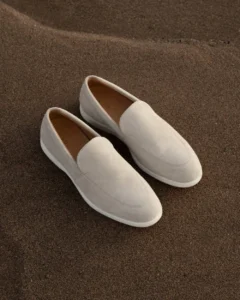
Footwear transitions represent the most functional aspect of autumn style. The "desert boot," often characterized by its soft suede upper and crepe rubber sole, is increasingly ill-suited for the season. Crepe soles are notably porous and prone to slipping on wet, leaf-strewn, or icy surfaces. Meteorological trends over the past decade show an increase in autumn rainfall in many urban centers, making the shift toward field, trench, or Chelsea boots a practical necessity.
Professional stylists suggest prioritizing footwear with vulcanized rubber or lug-style outsoles. These designs provide essential traction on slick surfaces and offer greater water resistance. Leather-soled shoes, while appropriate for formal office environments, often require the addition of rubber topy-soles during the autumn and winter months to protect the leather from water damage and to prevent accidents on wet pavement.

The Strategy of Strategic Layering
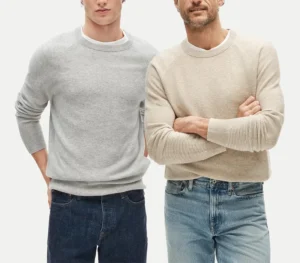
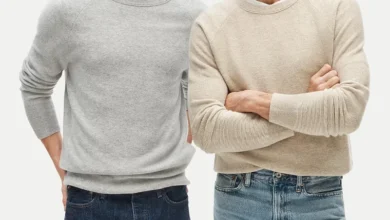
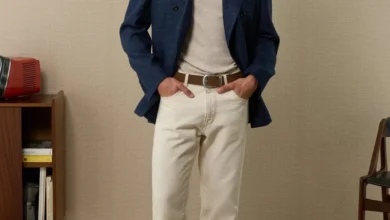
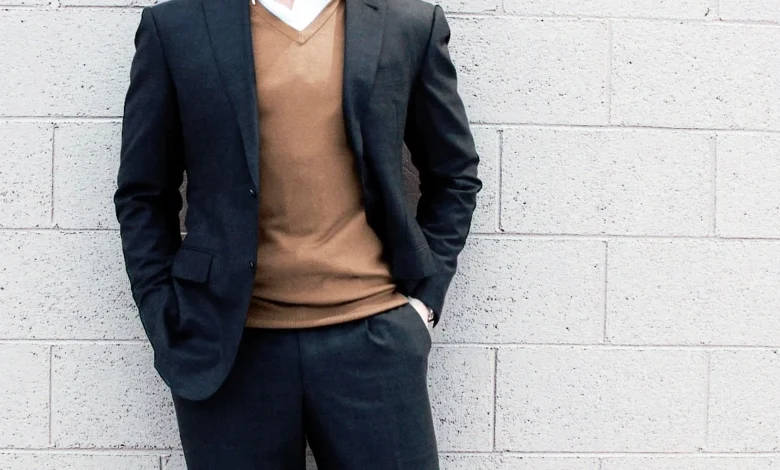
Layering is the cornerstone of effective autumn dressing, serving as a modular system for managing temperature flux throughout the day. A well-constructed layering system follows a principle of increasing thickness: the lightest, most flexible garments—such as poplin or broadcloth dress shirts—are worn closest to the body, followed by mid-weight knits, such as merino wool or cashmere sweaters, and topped with structured outerwear, such as a blazer or wool-blend coat.
This chronological layering allows the wearer to adjust to indoor office heating and outdoor ambient temperatures. Data from the outdoor apparel industry suggests that a "three-layer system" remains the gold standard for maintaining core body temperature without the need for excessive, bulky outer garments. By keeping the most structured and heaviest items on the exterior, the silhouette remains clean and professional, avoiding the "bunching" effect that occurs when a heavy sweater is worn under a slim-fitting jacket.

The Shift Toward Subdued Color Palettes
Seasonal transitions dictate a move away from the high-saturation, light-reflecting colors favored in the summer months. As the sun’s angle shifts and the natural environment moves toward earthy, muted tones, menswear often mirrors this shift. Industry trend reports for the 2026 season indicate a move toward deep charcoals, forest greens, midnight blues, and rich ochres.
This is not a stylistic constraint but a reflection of the environment. Light, bright colors, which effectively reflect solar radiation during the summer, appear incongruous against the backdrop of the shorter, dimmer days of late autumn. Transitioning to darker, more saturated tones provides a more harmonious integration with the changing landscape and aligns with the broader professional expectations of the autumn and winter business seasons.

Reintroducing Denim and Casual Trousers
Denim experienced a period of relative decline in formal workplace settings over the last five years, largely eclipsed by the rise of athleisure and technical trousers. However, the current cycle shows a robust return to dark-wash, high-quality denim as a staple of the "smart-casual" office dress code. The trend emphasizes slim-to-straight cuts, moving away from the extreme volume seen in previous cycles.
Market analysts at various global fashion indices note that mid-to-heavyweight denim serves as a vital transition garment. Unlike lightweight summer trousers, the weight of a standard 12-to-14-ounce denim provides the necessary warmth for cooler mornings and evenings, while remaining durable enough to withstand the increased moisture associated with the season.

Essential Accessories: The Functional Revival
The inclusion of gloves and refined umbrellas represents the final stage of autumnal preparation. Light-to-midweight leather gloves—often unlined or minimally lined—are ideal for the "shoulder season" where temperatures are brisk but not yet freezing. These accessories serve a dual purpose: protecting the skin from wind chill and elevating the overall visual presentation of an outfit.
Furthermore, the "gentleman’s umbrella" has seen a resurgence in popularity. Unlike the disposable, wind-prone umbrellas frequently distributed as corporate merchandise, a high-quality, full-length umbrella with a J-hook handle is a practical tool. Its structural integrity is designed to withstand higher wind speeds, and the handle design allows for improved portability. The shift toward these "grown-up" accessories marks a transition toward a more intentional, high-quality approach to daily utility.

Grooming and Maintenance
The trend toward facial hair maintenance in autumn is more than a fashion preference; it is a pragmatic adjustment to the season. As the air dries and temperatures drop, the skin and hair require different care routines. Beard conditioning, while essential year-round, becomes critical as humidity levels fall, preventing the skin irritation and dryness associated with the autumn transition. A disciplined approach to grooming—ensuring cleanliness and proper hydration—is necessary to maintain a professional appearance during the transition to the colder months.
The Role of Outerwear: The Trench and the Mac
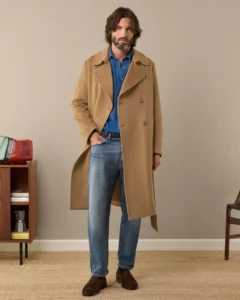
Finally, the choice of outerwear during the transition is critical. Trench coats and mac (Mackintosh) coats offer the ideal balance between protection and weight. Unlike heavy winter topcoats, which can lead to overheating, or light bombers and Harringtons, which offer limited protection against sustained rain, the trench or mac serves as a technical shell. Their water-resistant or waterproof properties are essential for unpredictable weather patterns.

In the event of a sudden, sharp drop in temperature, these garments are designed to be spacious enough to accommodate a thin puffer vest or a tailored blazer underneath. This versatility makes them the most important investment for the transitional wardrobe. By selecting garments that prioritize function alongside form, the modern professional can navigate the shifting autumnal climate with ease, ensuring that their wardrobe remains as dynamic as the season itself.
In summary, the transition to autumn requires a holistic re-evaluation of one’s wardrobe. By focusing on material science, functional layering, and the inclusion of weather-appropriate accessories, individuals can ensure a seamless move into the latter half of the year. While regional variations in climate will always dictate specific local needs, the fundamental principles of texture, thermal regulation, and color coordination remain universal constants in professional menswear.