The Ultimate 2026 Guide to Modest Wedding Dresses: Trends, Fabrics, and Expert Styling Insights

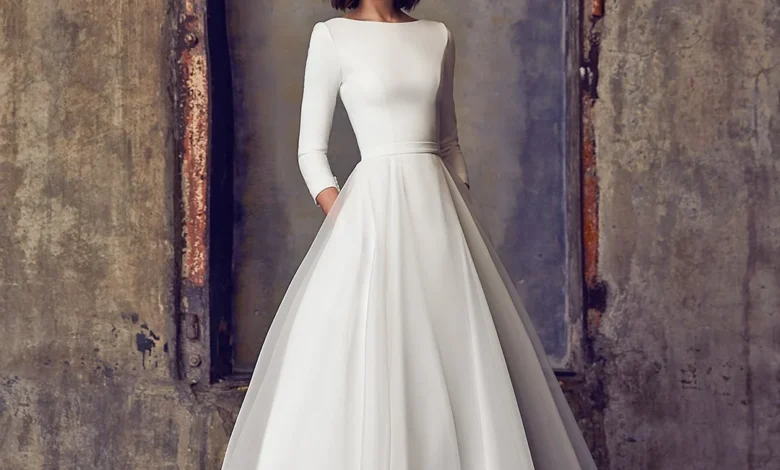
The bridal fashion landscape for 2026 is experiencing a profound shift toward understated luxury, with modest wedding dresses emerging as a dominant force in haute couture and ready-to-wear collections. Far from being a niche or restrictive category, contemporary modest bridal wear has evolved to embody high fashion, exceptional tailoring, and sophisticated grace. Modern brides increasingly seek gowns that offer full coverage—ranging from high necklines and long sleeves to flowing, structured silhouettes—without sacrificing personal style or modern design sensibilities. According to recent market analysis within the bridal apparel sector, demand for conservative yet chic wedding attire has risen steadily over the past three years, driven by a cultural appreciation for timeless elegance and refined aesthetics.
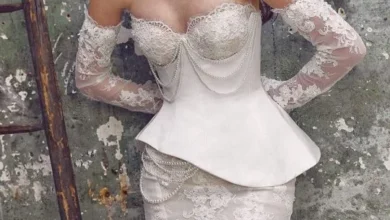
Industry evolution and expert perspectives highlight how traditional constraints have transformed into creative opportunities for bridal designers. Grace Yael, marketing manager for the renowned luxury brand Galia Lahav, notes that modern brides frequently personalize their modest gowns through bespoke alterations. These modifications, such as the deliberate addition of structured sleeves or custom necklines, allow brides to achieve their exact desired level of coverage while infusing garments with personal artistic touches like hand-stitched embroidery, custom beading, or intricate lace appliqués. Similarly, Katie Yeung, designer for Hera Couture, emphasizes the technical mastery required to craft exceptional modest gowns. Yeung explains that achieving seamless modesty often involves utilizing specialized foundational linings beneath delicate lace, combined with strategic surface beading to provide both structural integrity and elevated sophistication across sheer elements like necklines and sleeves.
The 2026 trend forecasting highlights several distinct aesthetic categories dominating bridal salons worldwide. Modest bohemian wedding dresses remain exceptionally popular for outdoor and destination ceremonies, successfully marrying a free-spirited, ethereal charm with conservative silhouettes. These designs utilize lightweight fabrics, delicate botanical laces, and subtle ornamentation to create comfortable yet striking full-coverage gowns. For winter and autumn celebrations, long-sleeve modest wedding dresses provide both practical warmth and artistic completion, creating a harmonious and balanced silhouette that fashion critics praise for its sculptural poise. Meanwhile, simple and minimalist modest bridal dresses cater to the modern minimalist, relying on clean architectural lines, premium draping, and flawless cuts to capture attention without excessive embellishment.
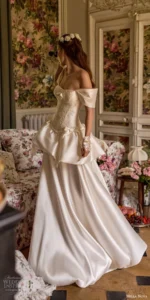
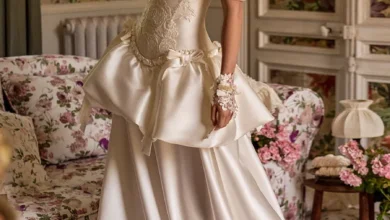
Material selection plays a critical role in the structural success and visual appeal of conservative bridal gowns. Industry standards dictate that fabrics must offer both tactile luxury and functional comfort. Traditional choices such as heavy silk satin provide a magnificent, structured drape that naturally flatters diverse body types while maintaining an opaque, sophisticated finish. Crepe and mikado are increasingly favored for contemporary simple designs due to their ability to hold sharp, clean lines. Conversely, tulle, organza, and Chantilly lace are frequently deployed in layered applications, allowing designers to create dimension and romantic texture while ensuring the bride remains fully covered and comfortable throughout extended wedding day celebrations.
Seasonal adaptability is another vital consideration for brides selecting modest attire in 2026. Spring ceremonies often call for breathable yet substantial fabrics like embroidered tulle and lightweight mikado, paired with three-quarter sleeves or illusion necklines that welcome warmer breezes. Summer weddings necessitate lightweight, airy cotton-blend laces and fine silk chiffons designed with loose, flowing silhouettes to prevent overheating while maintaining absolute decorum. Autumn collections frequently introduce richer textures, including jacquard and patterned brocade, paired with full-length sleeves. Winter bridal fashion relies on heavyweight satin, velvet accents, and layered thermal linings, ensuring that brides remain warm during colder months without compromising on high-fashion elegance.
The broader implications of this growing market trend reflect a wider cultural shift within the fashion industry toward inclusivity, body positivity, and personal empowerment. The expansion of dedicated plus-size modest wedding dress collections ensures that brides of all body types have access to well-constructed garments that offer strategic support, comfort, and dignified coverage. By prioritizing silhouette engineering, specialized corset structures, and thoughtful fabric placement, bridal designers are actively dismantling outdated industry limitations. As the 2026 wedding season approaches, the enduring popularity of modest bridal wear signals a permanent maturation of the market—one where sophistication, tradition, and contemporary fashion exist in perfect harmony.
Related posts: