The Evolution of French Workwear Footwear: Kleman Unveils Its Autumn/Winter 2026 Collection

The transition from summer to autumn frequently exposes the vulnerabilities of standard seasonal footwear wardrobes, as flimsy soles, delicate leathers, and overly rigid styling limitations result in rapid wear and frequent outfit friction. Within the contemporary menswear market, the strategic approach centers on establishing a durable footwear rotation capable of withstanding adverse weather conditions while elevating the character of varied cold-weather ensembles.
Addressing this seasonal demand, renowned French footwear manufacturer Kleman has officially introduced its comprehensive Autumn/Winter 2026 collection. Emphasizing product-led design rooted in authentic European manufacturing traditions, the latest lineup leverages heavy-duty materials including pull-up leather, premium nubuck, tactile suede, and corduroy. Each silhouette in the newly released range is manufactured entirely in France, reflecting a commitment to heritage production methods that originated in the latter half of the twentieth century.
Background Context and Heritage of Kleman
Established in France, Kleman initially gained prominence by supplying specialized, functional footwear to major public institutions and industrial operators, including France’s national railway system, the SNCF, and various municipal utility services. During the 1990s, models such as the iconic Padror were engineered specifically to meet stringent occupational safety and durability standards, requiring slip-resistant soles, robust leather uppers, and uncompromising construction integrity.
Over the subsequent decades, these utilitarian designs transitioned organically from industrial storerooms into contemporary urban environments, riding a broader cultural wave that embraced authentic workwear as a cornerstone of casual menswear. By retaining its domestic manufacturing infrastructure in the Anjou region of France, Kleman has preserved the artisanal techniques required to produce Goodyear-welted and robustly lugged footwear at a commercial scale, positioning the brand uniquely at the intersection of heritage workwear and contemporary fashion.
The Autumn/Winter 2026 Lineup: Six Essential Silhouettes
The newly released AW26 collection focuses on six core footwear architectures designed to anchor the lower half of a cold-weather wardrobe. Rather than relying on transient seasonal trends, the collection modernizes classic utilitarian shapes through material innovation and structural refinement.
The Moc-Toe Derby and the Padror Evolution
The moc-toe derby remains a foundational element of the autumn rotation due to its inherent structural resilience, where the addition of scuffs and natural wear enhances the footwear’s aesthetic value over time. The stitched apron provides visual weight, while open lacing and substantial soles maintain a firmly casual profile suitable for daily wear.
The benchmark for this category is Kleman’s Padror, originally conceived for railway workers in the 1990s. The model features a distinctive serrated welt, pronounced apron stitching, and a lugged rubber sole that grants distinct identity without restricting compatibility with varied trouser cuts. For the Autumn/Winter 2026 season, Kleman has expanded the line beyond traditional black leather to include softer variations such as the Padror MX V, which utilizes neutral tones and dark-brown suede. These material adaptations maintain the scalloped edge and durable sole while offering a more relaxed aesthetic suited for wide wool trousers, straight-cut denim, and heavyweight knitwear.
The Chunky-Sole Loafer
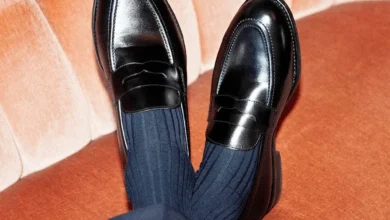
Traditionally associated with fair-weather tailoring and preppy aesthetics, the penny loafer undergoes a functional transformation when integrated with a broadened shape and a lugged rubber sole. This modification provides the ease of a slip-on shoe while introducing the necessary visual gravity to pair effectively with heavy denim, corduroy, and structured outerwear.
Kleman’s black leather Cotteur 2 exemplifies this design philosophy, combining visible moc-toe stitching with a deep rubber tread. Alternative iterations in the AW26 collection include a rich bordeaux leather variant and the mocha Cotteur MX Oaxa VC, which features a mixed-media upper of smooth leather and suede resting on a speckled, cork-loaded sole. Styling guidelines emphasize contrast, pairing refined uppers with rugged trousers and thick seasonal hosiery.
The Heavyweight Boat Shoe
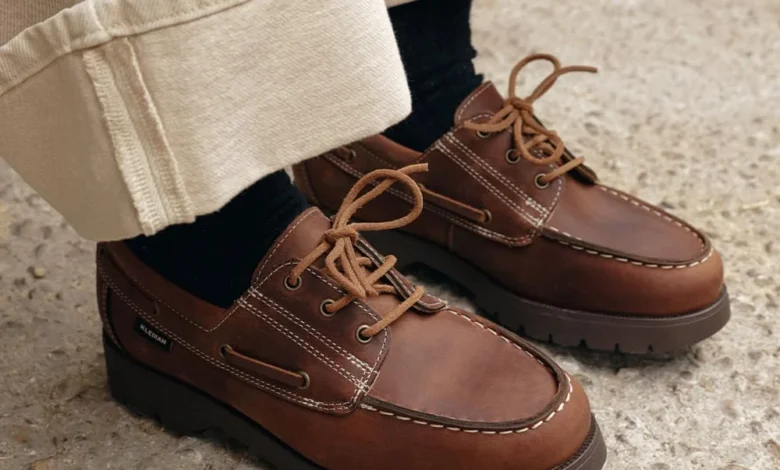
Adapting a traditional nautical silhouette for cold-weather environments, the heavyweight boat shoe reinterprets the low-cut moc-toe upper by mounting it upon an assertive, winter-ready sole. This structural update bridges the gap between a traditional summer deck shoe and a robust work boot.
The Embruns 2 N Sioux model utilizes soft cognac nubuck to deliver enhanced tactile depth, allowing the shoe to coordinate naturally with ecru denim, brushed flannel, and heavy wool cardigans. The low profile preserves the ease of a moccasin while offering sufficient structural presence to anchor substantial autumn layers.
Plush Suede and Texture-Driven Design
Texture serves as a primary stylistic mechanism for autumn dressing, particularly when outfits rely on restrained color palettes and minimalist silhouettes. Kleman has addressed this demand by introducing plush, tactile finishes to both traditional and rugged profiles for the AW26 season.
The Nomade M V Fur reimagines a strapped penny loafer with a plush interior and exterior finish reminiscent of luxury loungewear, whereas the Courrier 2 Fur applies a similar fuzzy texture to a rugged mountain derby. These designs are intended to complement dry wools, faded denims, and brushed cottons, with styling experts recommending tonal coordination involving sand, tobacco, chocolate, and olive hues.
The Urban Hiker
Balancing the utility of outdoor footwear with the refined requirements of metropolitan environments, the city-hiker category borrows functional hardware—such as metal eyelet hooks, robust leather, and grippy rubber lug soles—while eliminating the excess bulk associated with traditional mountaineering boots.
The Courrier CG features a low-profile black leather upper punctuated by functional hardware and a rear pull loop. By maintaining a streamlined silhouette, the shoe fits cleanly beneath straight-leg or wide-leg trousers. Fashion analysts note that its primary utility lies in creating intentional contrast when paired with pleated wool trousers, brushed crewneck sweaters, and structured macks, adding functional grit to otherwise formal ensembles.
The Low-Cut Worker Shoe
For conditions where a traditional derby appears overly formal and athletic footwear lacks sufficient structural support, the low-cut worker shoe provides a versatile alternative. Derived from the architecture of a classic worker boot with the ankle height removed, this silhouette offers durability without dominating an outfit’s overall proportions.
The Major product family highlights the versatility of this formula, featuring the dependable black leather Major, the rugged tobacco-grained leather Major G, and the cognac suede Major VP Oak 2. Notably, the latter incorporates an outsoles manufactured with 20% recycled rubber content, reflecting growing industry standards toward sustainable material sourcing. These shoes pair effectively with straight-leg denim, carpenter trousers, and relaxed tailoring, supported by cropped jackets or long overcoats that balance the heavy sole profile.
Economic and Industry Implications
The release of Kleman’s Autumn/Winter 2026 collection underscores broader shifts within the European footwear manufacturing sector, where heritage brands increasingly leverage domestic production credentials and sustainable innovations to capture market share. By emphasizing localized manufacturing in France and incorporating recycled materials into traditional workwear silhouettes, Kleman aligns with consumer demands for supply-chain transparency and long-lasting product durability.
Industry observers note that the enduring popularity of utilitarian footwear reflects a macroeconomic trend favoring cost-per-wear efficiency and durability over fast-fashion disposability. As consumers continue to prioritize versatile wardrobe investments capable of navigating unpredictable climate patterns, footwear brands combining archival workwear authenticity with contemporary design adjustments are well-positioned for sustained market growth.