British Fashion Council announces nominees for The Fashion Awards 2026

The British Fashion Council (BFC) has officially unveiled the highly anticipated shortlist for The Fashion Awards 2026, setting the stage for a gala event scheduled for Monday, 30 November, at the historic Royal Albert Hall in London. As the preeminent annual gathering in the British fashion calendar, the ceremony serves a dual purpose: celebrating the pinnacle of global creative achievement and securing vital financial support for the BFC Foundation, which provides grants, mentorship, and business support to emerging designers and students.
The 2026 nominations offer a comprehensive look at an industry in transition, balancing the legacy of established heritage houses with the disruptive energy of independent labels. By bridging the gap between local talent and international powerhouses, the BFC has positioned this year’s ceremony as a definitive snapshot of current global fashion dynamics.
The Vanguard of Global Design: The Designer of the Year Category
At the center of the event’s prestige is the Designer of the Year award, a category that measures influence, commercial impact, and creative innovation over the past twelve months. The shortlist for 2026 reflects a sophisticated internationalism, featuring household names and visionary creative directors who have defined the zeitgeist:
- Ashley and Mary-Kate Olsen (The Row): Recognized for their unwavering commitment to minimalism and luxury craftsmanship.
- Anthony Vaccarello (Saint Laurent): Cited for his consistent ability to modernize the house’s codes while maintaining a sharp, provocative aesthetic.
- Haider Ackermann (Tom Ford): A critical addition following his high-profile appointment to the house of Tom Ford, signaling a new era for the brand.
- Matthieu Blazy (Chanel): A nod to his significant influence on the contemporary luxury market and his structural approach to high-fashion design.
- Michael Rider (Celine): Acknowledged for his strategic vision and rapid impact on the brand’s evolving identity.
- Sarah Burton (Givenchy): Representing a rare dual-nomination, her influence remains a major talking point in the industry following her creative shift at Givenchy.
This list is not merely a collection of names; it serves as a barometer for the health of the luxury sector. Analysts suggest that the inclusion of designers who have recently transitioned between major houses—such as Burton and Rider—highlights the industry’s current focus on creative continuity and the high-stakes nature of "creative director chair-swapping" that has characterized the 2025–2026 fiscal cycle.

A New Era for British Menswear
The British Menswear Designer of the Year category offers perhaps the most diverse cross-section of the London fashion scene. The nominees represent a spectrum of design philosophies, from heritage-focused tailoring to avant-garde experimentation.

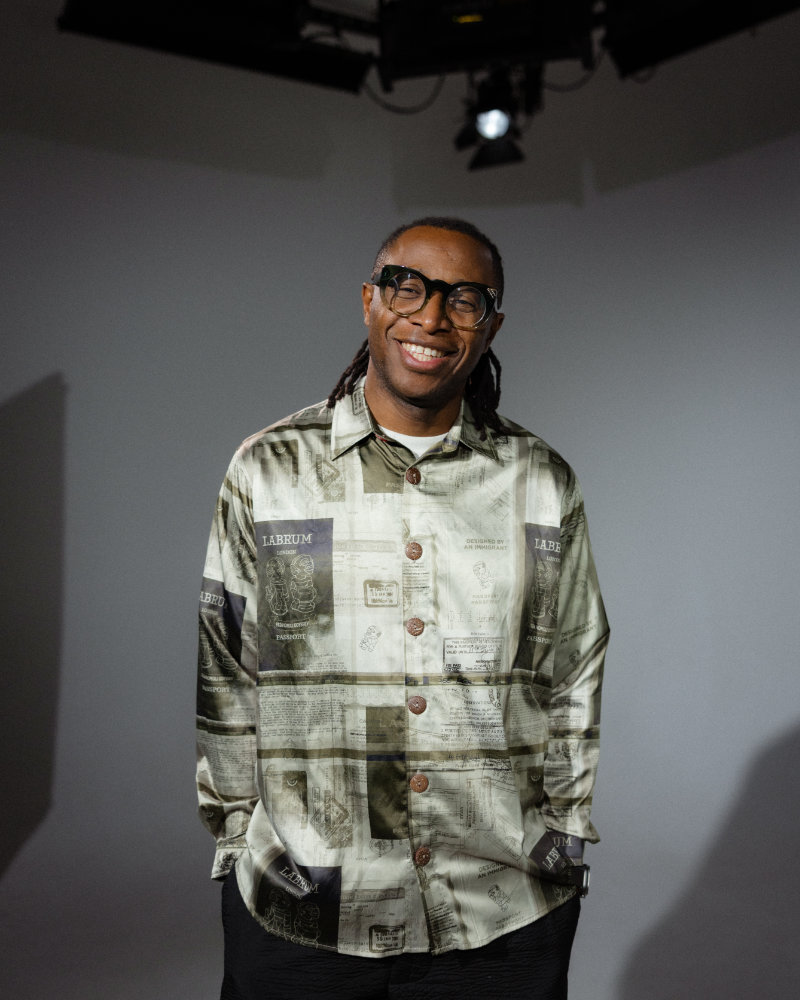
Foday Dumbuya of Labrum has received significant acclaim for his work in bridging the gap between West African heritage and modern British identity. His inclusion in the 2026 shortlist underscores a broader industry trend of celebrating cultural storytelling as a fundamental element of design. He faces competition from Kiko Kostadinov, whose experimental approach has effectively challenged the boundaries of functional menswear.
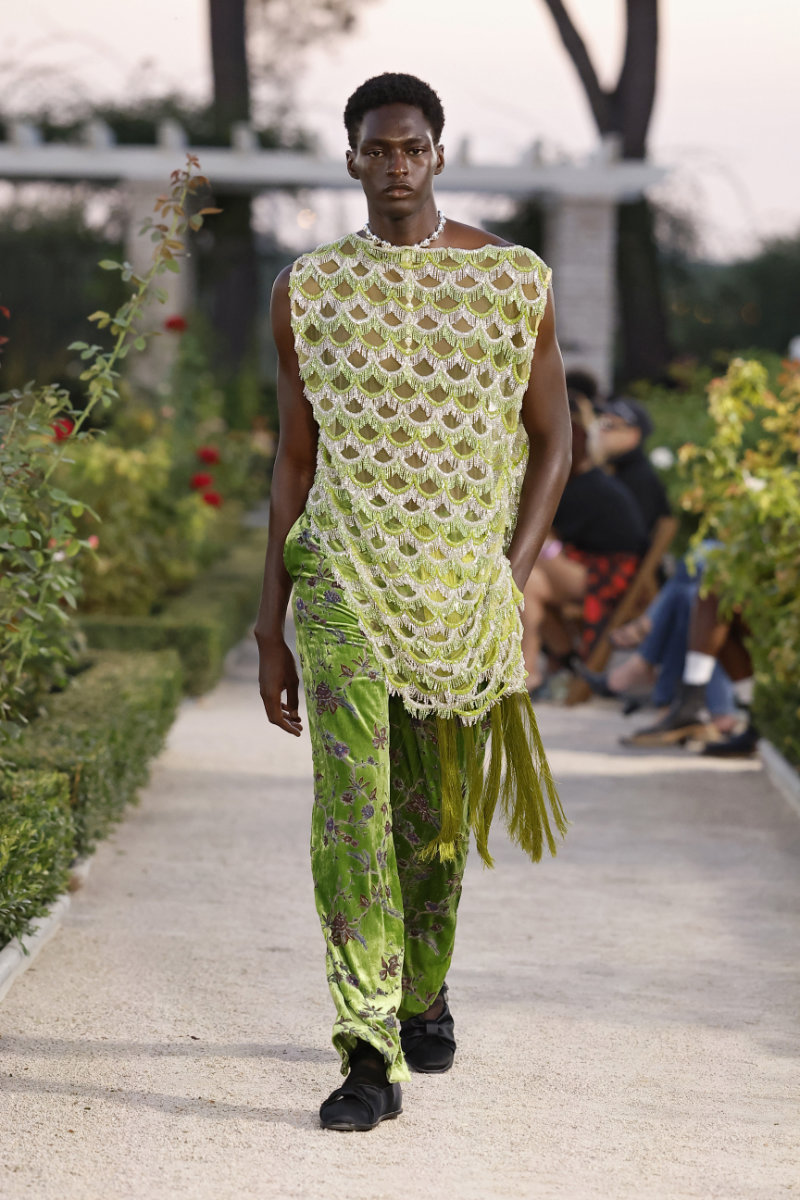
Other nominees include Nick Wakeman for Studio Nicholson, whose "considered approach" to everyday clothing has resonated with a consumer base increasingly looking for longevity and utility. Simon Holloway’s work for Dunhill represents the successful evolution of a heritage brand, while Simone Rocha’s inclusion marks a pivotal moment for her brand, as her expansion into menswear has been met with both critical and commercial success.

Examining the Womenswear Landscape
In the British Womenswear Designer of the Year category, the BFC has highlighted a mix of veteran talent and designers currently steering the direction of major global brands. Clare Waight Keller’s work for Uniqlo features prominently, reflecting the ongoing convergence of high-end design sensibilities with mass-market accessibility.

Erdem Moralıoğlu remains a staple of the list, celebrated for his mastery of textile design and romantic, historical references. Louise Trotter’s inclusion is particularly notable; her recent tenure at Bottega Veneta has been praised for bringing a sense of architectural rigor to the label. Sarah Burton’s second nomination in this category solidifies her status as one of the most influential figures in contemporary British fashion. The presence of these designers suggests a shift toward a more nuanced, narrative-driven approach to womenswear, where the legacy of the house is as important as the individual designer’s aesthetic signature.
Nurturing the Future: The Vanguard Category
While the headline categories focus on established success, the "Vanguard" segment remains the most vital for the long-term health of the industry. This year, Conner Ives, Ellie Misner, Steve O Smith, and Tolu Coker have been selected as the next generation of British fashion leaders.
The BFC’s focus on these emerging voices is more than a symbolic gesture. By placing these designers on the same stage as international directors, the organization provides a pathway for visibility that is often inaccessible to independent labels. The inclusion of Tolu Coker, known for her commitment to sustainable practices and social advocacy, alongside the experimental construction techniques of Conner Ives, highlights a growing expectation that the next generation of designers must be as socially conscious as they are creative.

Contextualizing the 2026 Fashion Calendar
The return to the Royal Albert Hall on 30 November is an event that carries heavy historical weight. Since the inception of The Fashion Awards in their modern format, the event has acted as a nexus for cultural discourse. In 2026, the industry is grappling with several macro-economic shifts, including supply chain volatility, a tightening of luxury spending, and an increased demand for supply chain transparency.

The BFC Foundation has confirmed that the proceeds from the 2026 event will be directed toward education and apprenticeships. This is a critical investment; reports from the BFC indicate that the demand for skilled artisans in the UK remains high, yet the pipeline for young talent faces significant economic barriers. By using the platform of the awards to bridge the gap between high-fashion profits and educational funding, the BFC aims to sustain the UK’s position as a global hub for design talent.
Broader Industry Implications
The 2026 nominations provide a clear view of where the industry is heading. There is a distinct move away from the "logomania" that dominated the early 2020s, replaced by a renewed focus on tailoring, silhouette, and material integrity. This is evident in the nominations for designers like Matthieu Blazy and the team at The Row, whose work prioritizes construction over overt branding.
Furthermore, the geographic diversity of the nominees—representing the UK, France, and international diaspora—reflects the global nature of London’s fashion ecosystem. Despite the complexities of post-Brexit logistics and trade, London continues to function as a laboratory for design. The Fashion Awards serve to formalize this status, providing a professional framework that rewards not just the final product, but the creative process that leads to it.
Anticipation and Future Outlook
As the industry looks toward the November ceremony, the conversation is already shifting toward the expected trends for 2027. Designers such as Patricio Campillo, who recently presented his "In Medias Res" collection in New York, and the ongoing collaborations between houses like Casablanca and Caviar Kaspia, suggest that the upcoming year will be defined by a blending of lifestyle, art, and high fashion.

The Fashion Awards 2026 will not only serve as a celebration of the past year’s winners but as a strategic meeting point for industry leaders to discuss the challenges of the coming decade. As the BFC continues to refine its nomination criteria to better reflect the diverse reality of modern design, the event remains the definitive arbiter of what constitutes "impact" in the world of fashion.
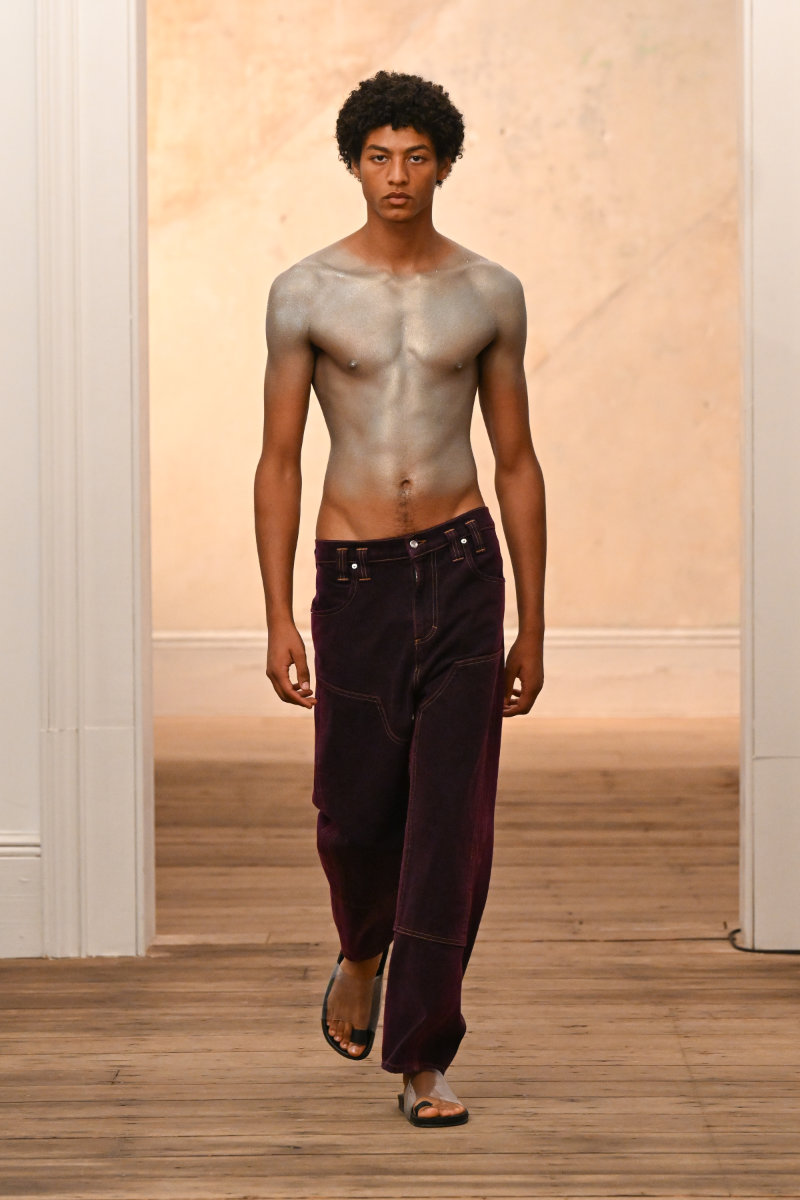
With the ceremony date approaching, the focus remains on the synthesis of legacy and progress. For the nominees, the recognition is a validation of their contribution to the global dialogue; for the British Fashion Council, the night represents the culmination of a year-long effort to sustain the creative infrastructure that makes such innovation possible. Whether the awards lean toward the experimental or the established, the 2026 edition promises to be a pivotal moment in the trajectory of the industry.
Related posts: