Gothic Romance Amidst the Glaciers: A Deep Dive into Phillie and Davey’s Record-Breaking Lake Tekapo Winter Elopement

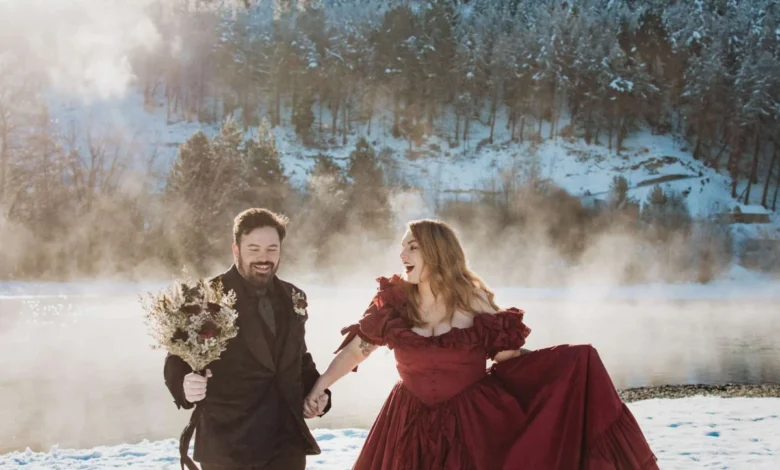
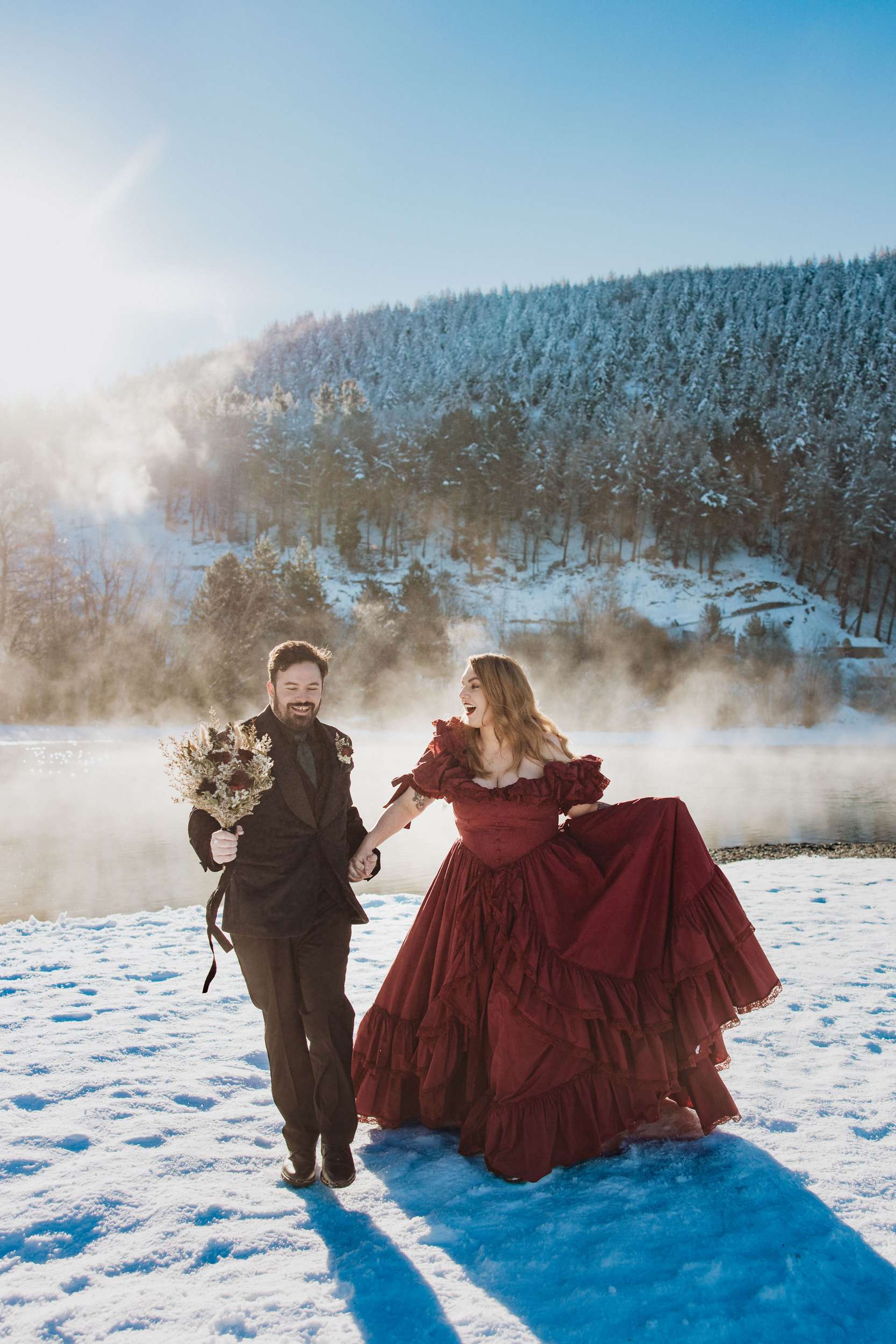
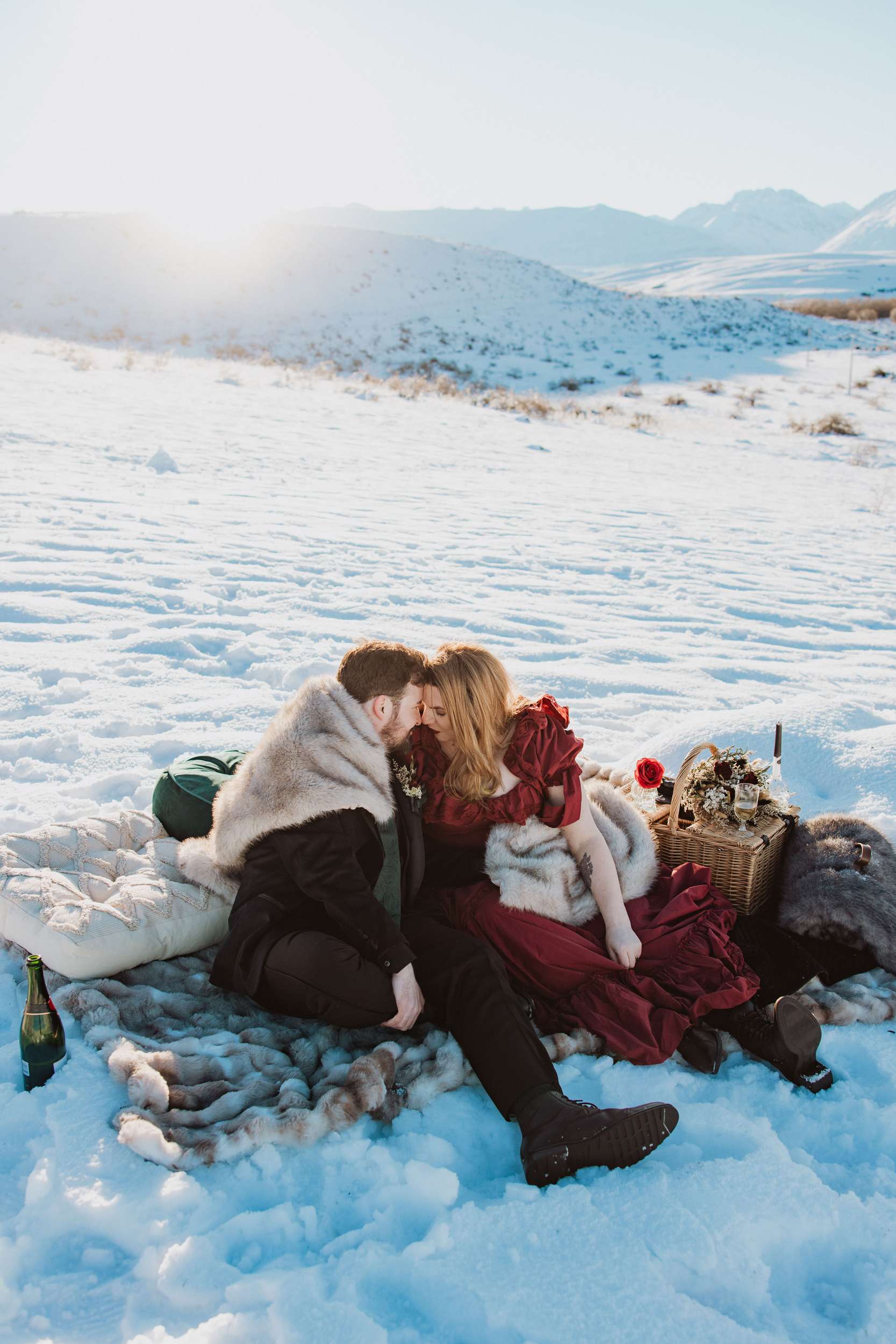
When Phillie and Davey began planning their wedding, they wanted two things — snow and as few people as possible. Lake Tekapo on New Zealand’s South Island provided the backdrop for a milestone meteorological event, offering the couple the largest snowfall the region had experienced in eight years. This rare convergence of climate and personal vision transformed their intimate ceremony into a striking display of gothic-inspired aesthetics set against a harsh, sub-zero wilderness.
The transition from a traditional destination wedding to an elopement represents a growing trend in the modern marriage industry. As couples increasingly move away from the logistical burdens of large-scale events, destinations like the Mackenzie Basin in New Zealand have become hotspots for those seeking atmospheric, high-stakes natural environments.
The Evolution of the Wedding Concept
The couple’s original vision was centered on a large-scale destination wedding inspired by the cinematic, high-drama aesthetic of the Helena music video. However, as planning progressed, the couple opted for a fundamental pivot. The decision to scale back to an elopement was not merely a cost-saving measure or a reaction to logistics; it was a conscious effort to prioritize the core elements of the commitment over the spectacle of a guest list.
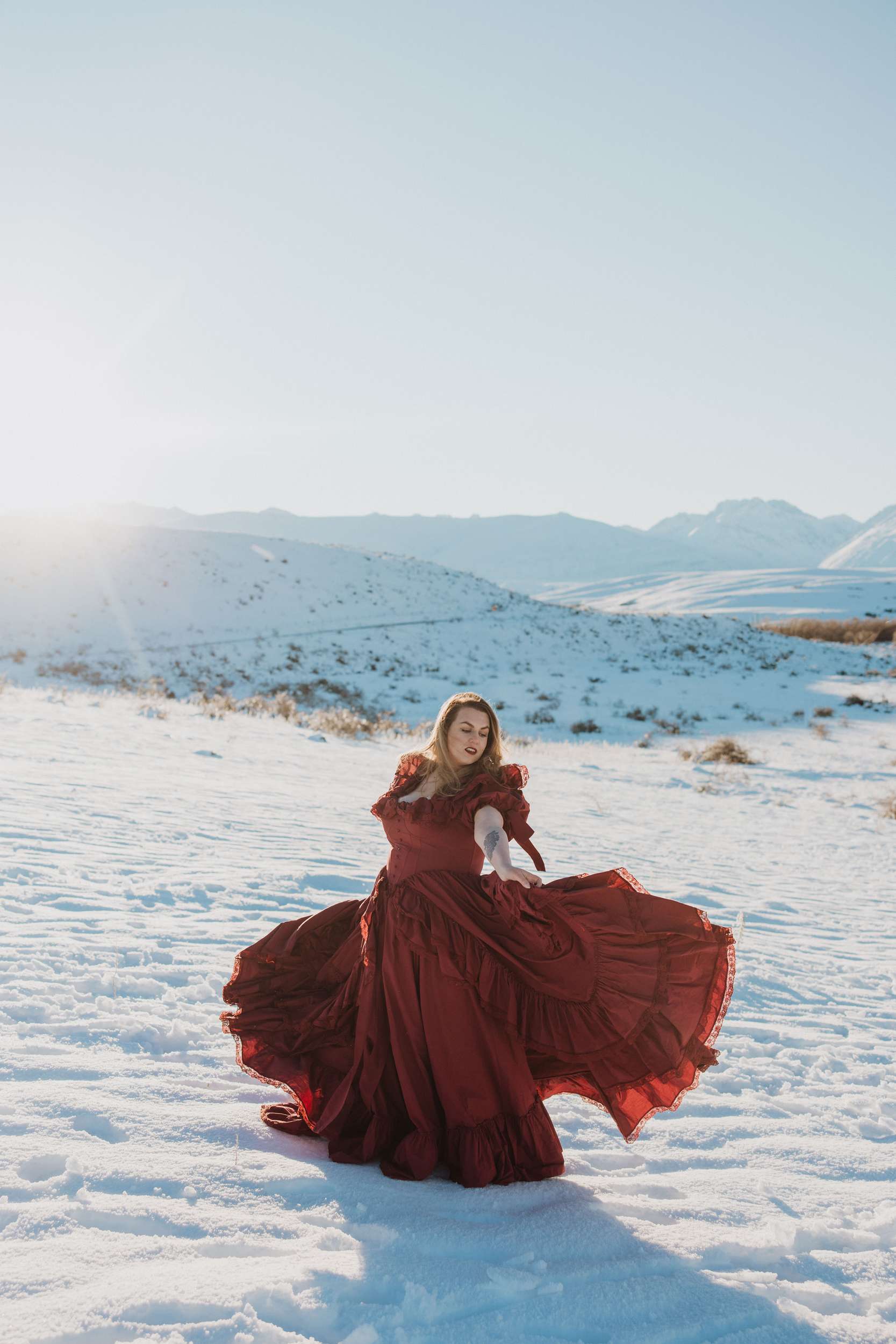
This shift allowed the couple to maintain their thematic integrity. By stripping away the traditional reception and guest-related stressors, Phillie and Davey were able to focus entirely on the aesthetic of "gothic romance." This theme was solidified by the choice of attire and the dramatic, frozen environment of the South Island.
The Logistics of a High-Altitude Elopement
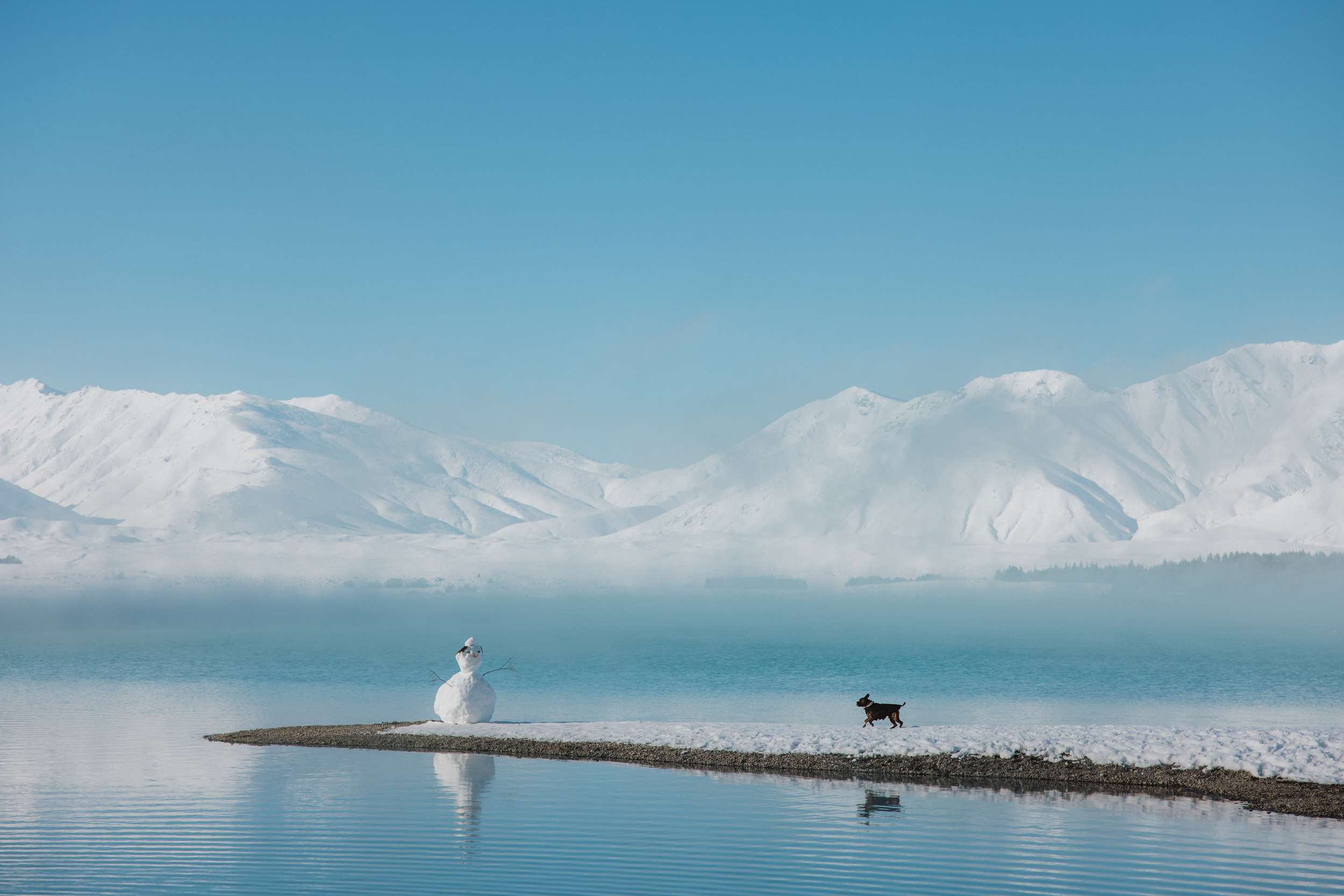
The selection of Lake Tekapo was predicated on the area’s reputation for clear, dark skies and mountainous terrain. The Mackenzie Basin, situated in the rain shadow of the Southern Alps, is prone to extreme weather, yet it rarely receives the volume of snowfall that occurred during this specific event.
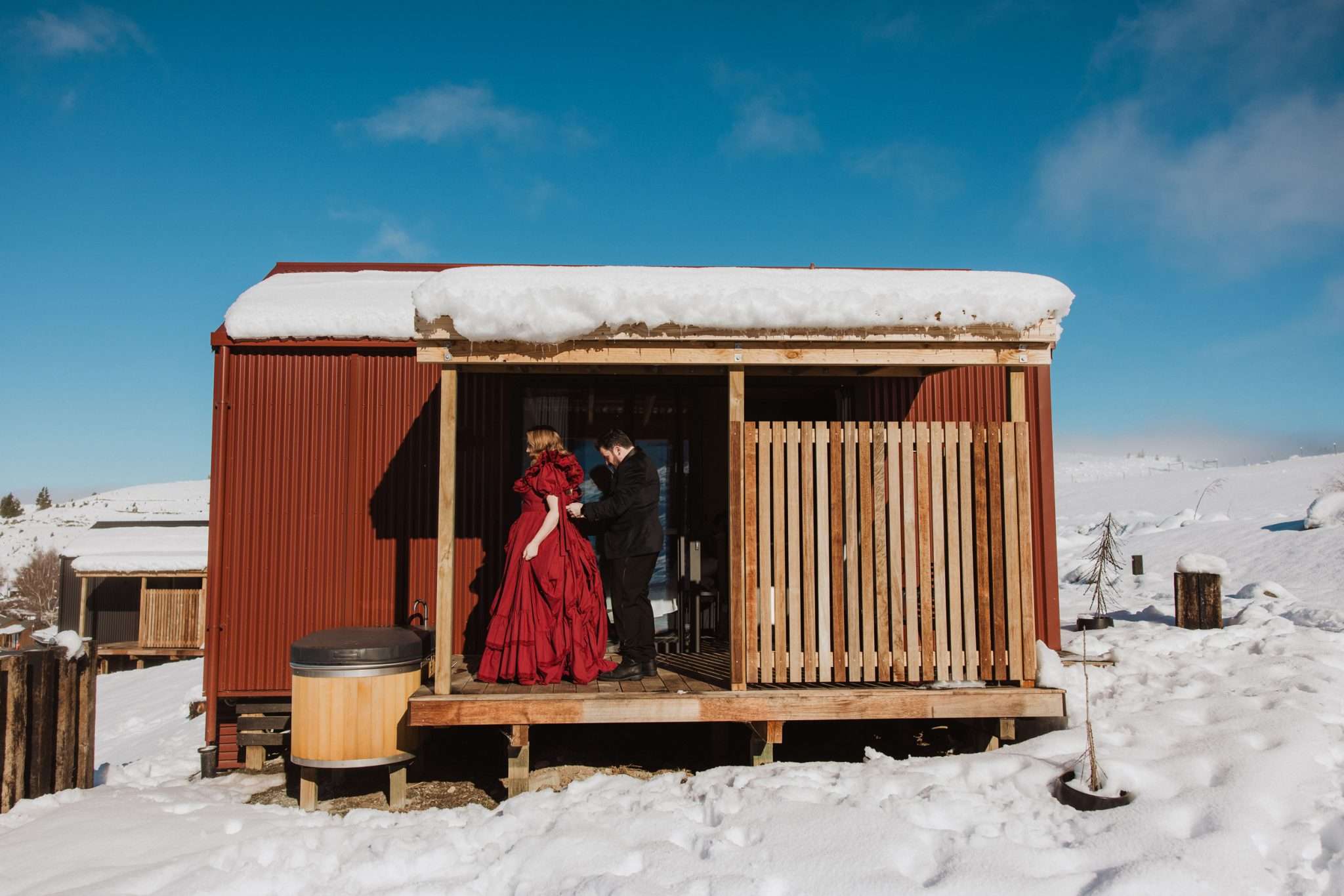
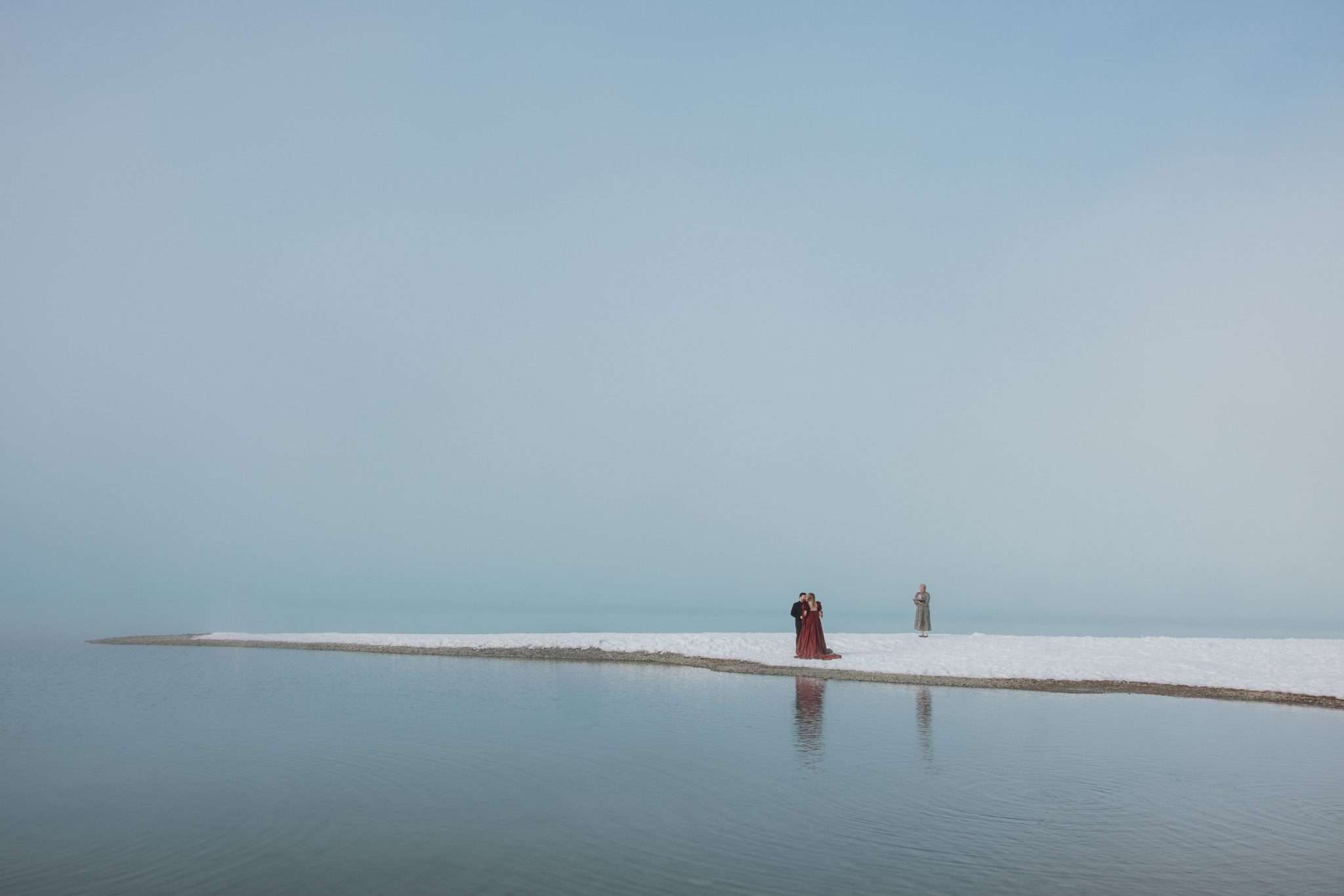
With temperatures plummeting to -13°C, the environment became a central character in the day’s narrative. The extreme cold resulted in the freezing of local water supplies, including the outdoor amenities at their chosen lodging, illustrating the unpredictable nature of winter elopements in New Zealand. Such conditions require a high degree of preparation and the support of experienced local vendors who can navigate both the geography and the volatile weather patterns.
Sartorial Choices and Last-Minute Pivots
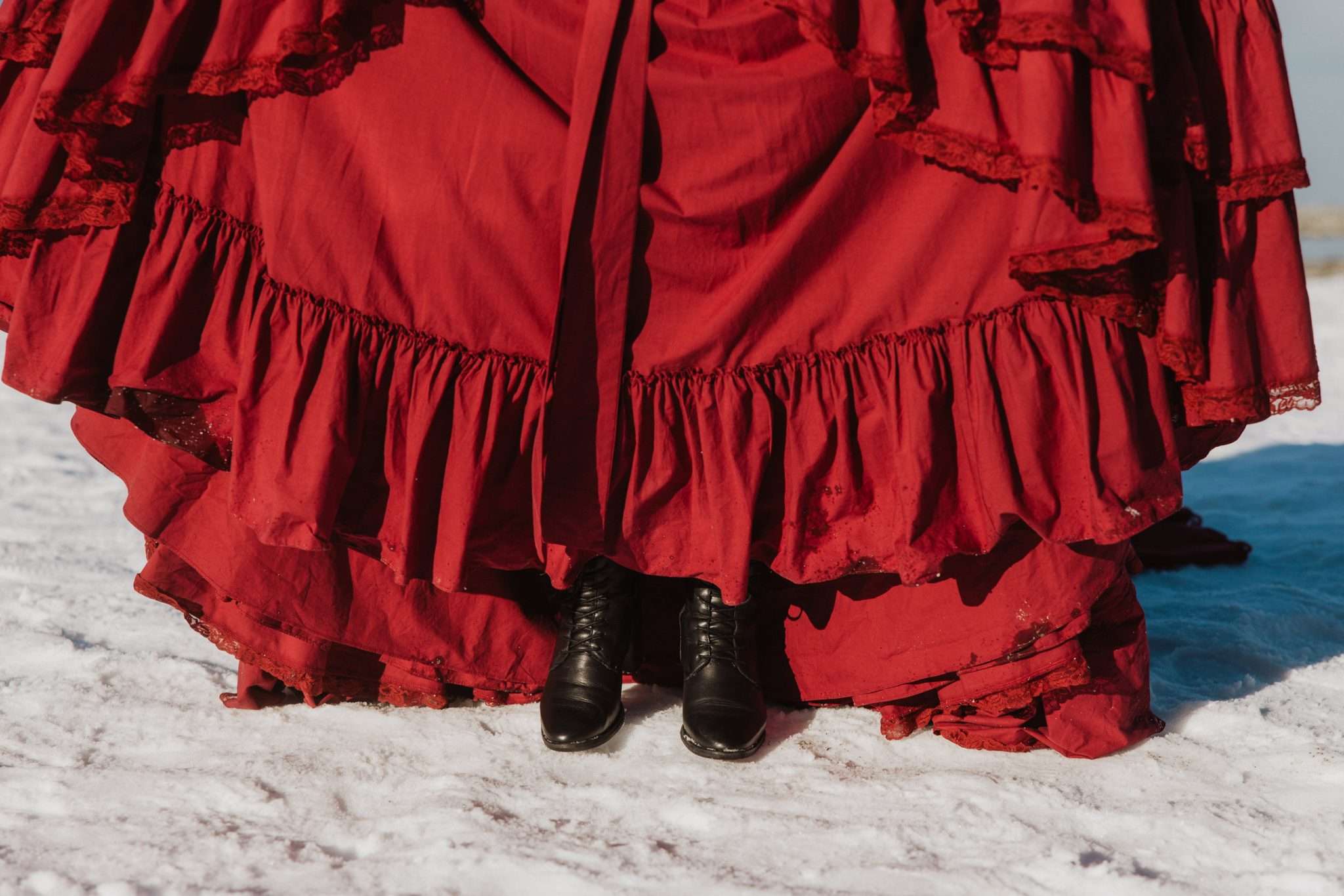
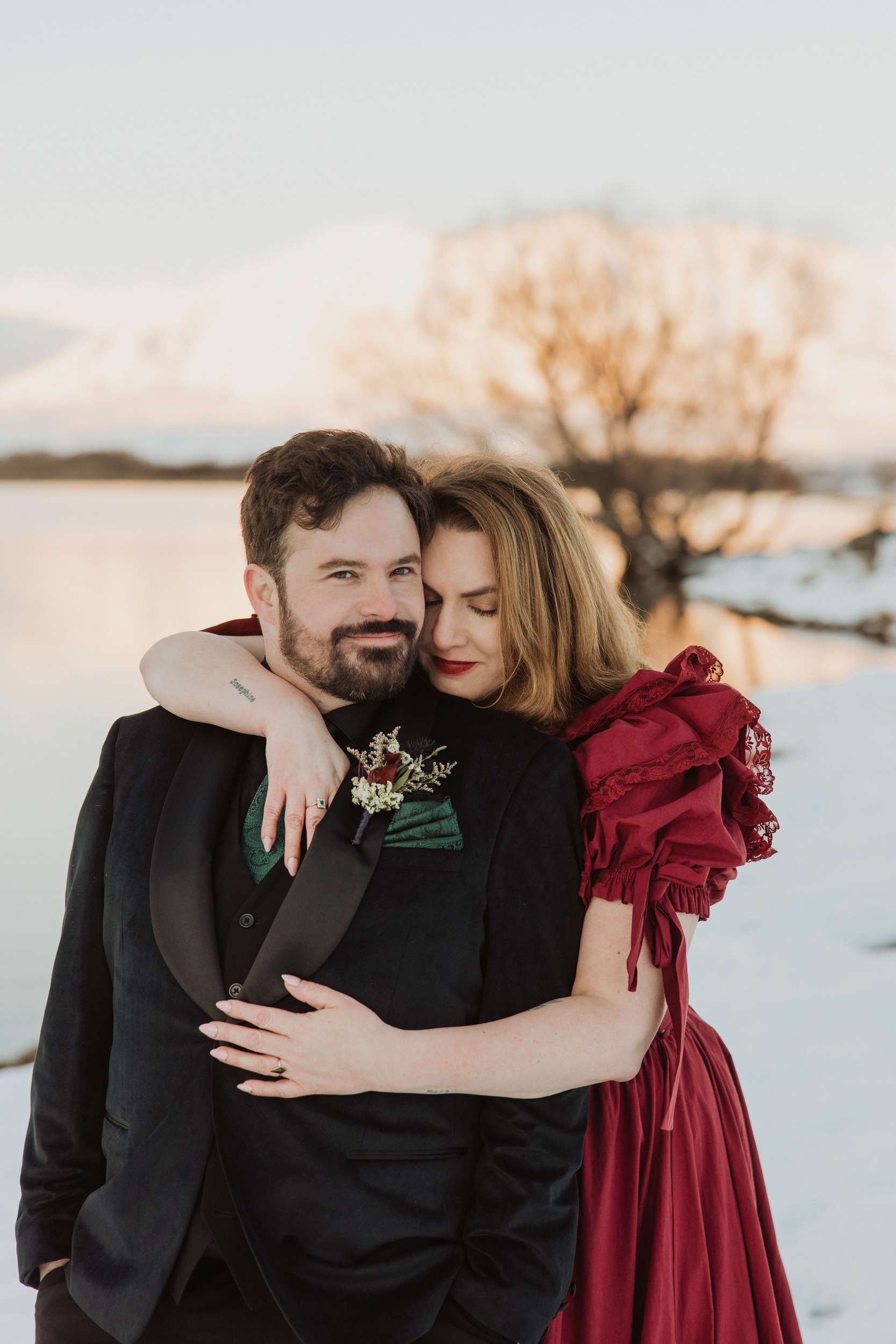
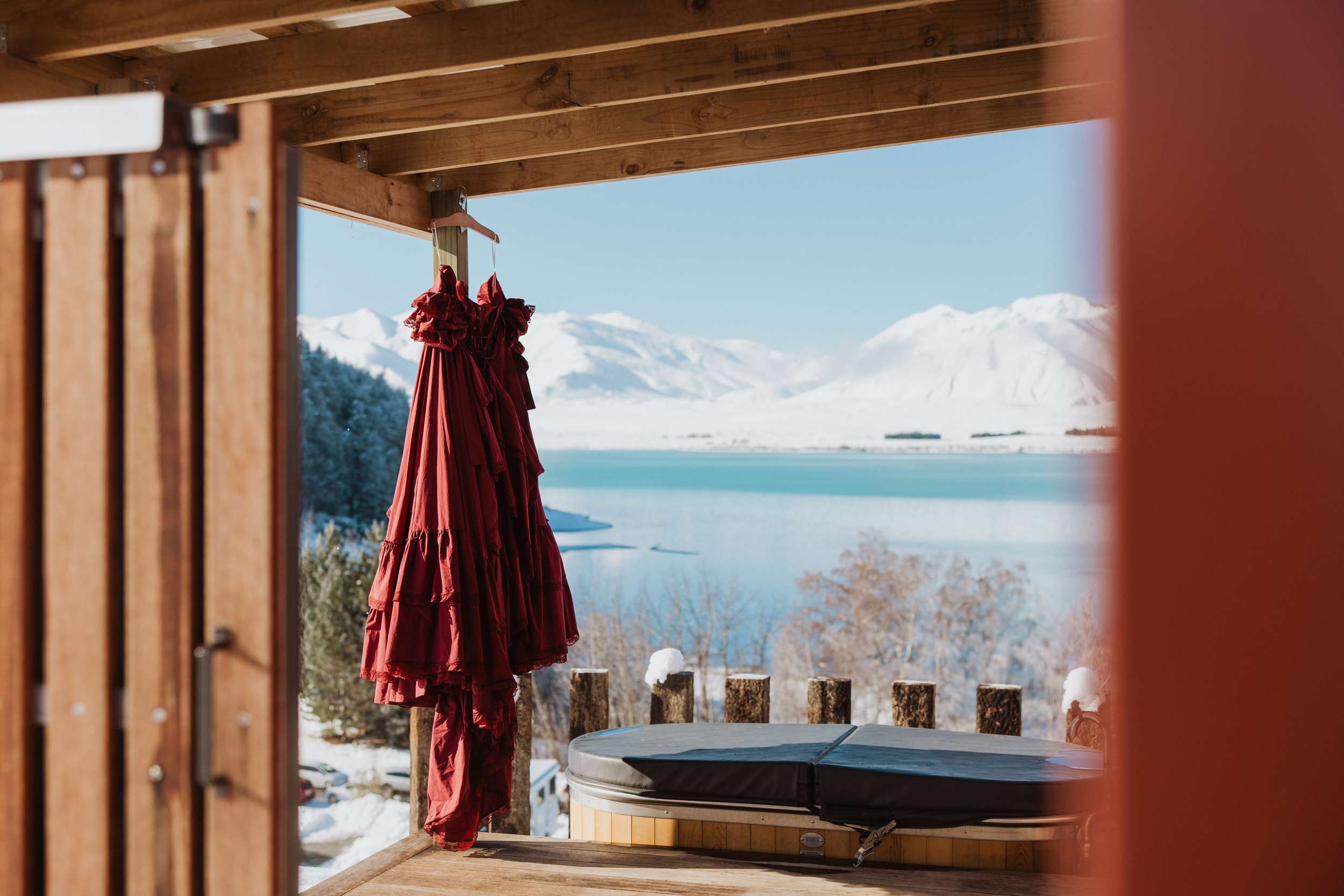
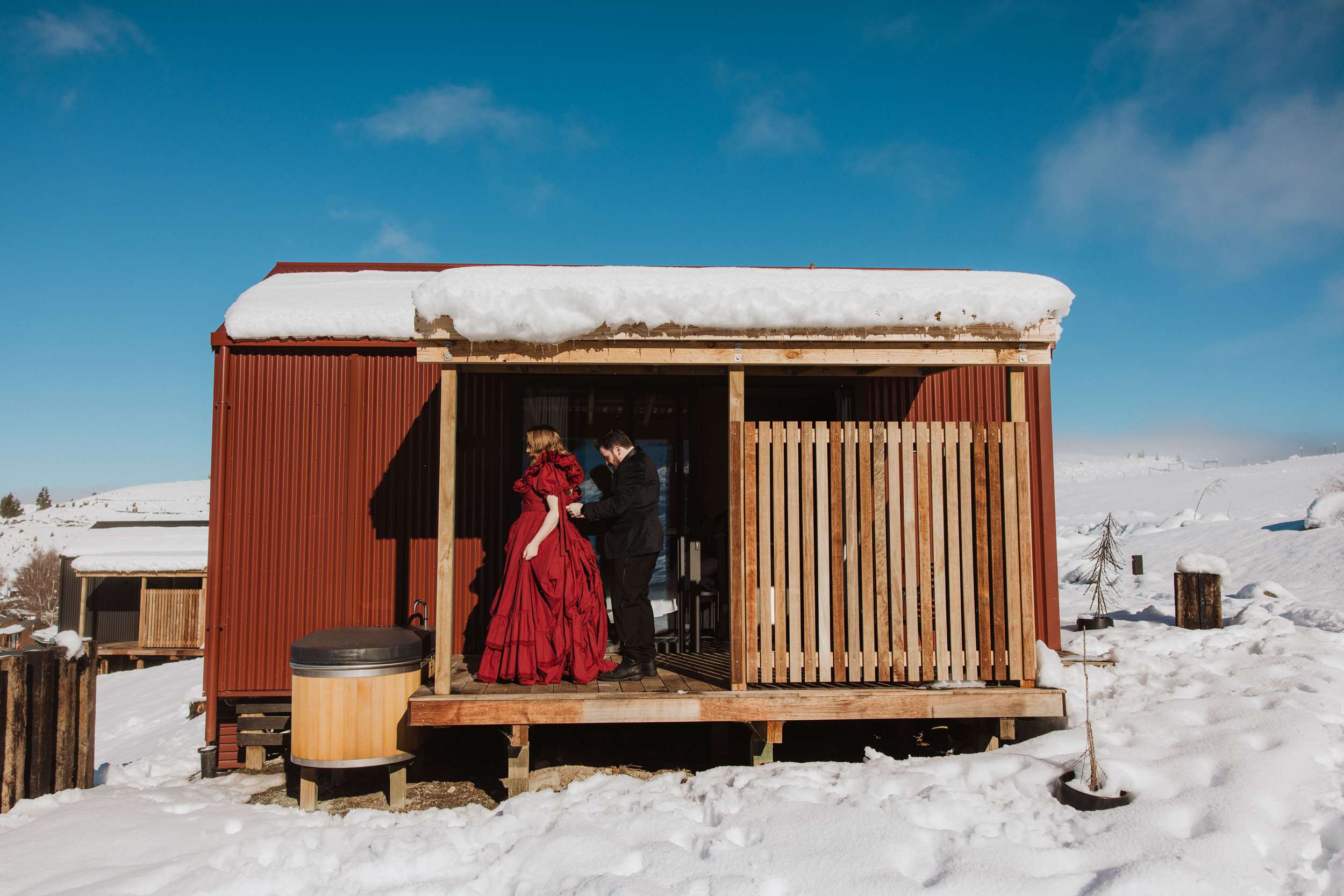
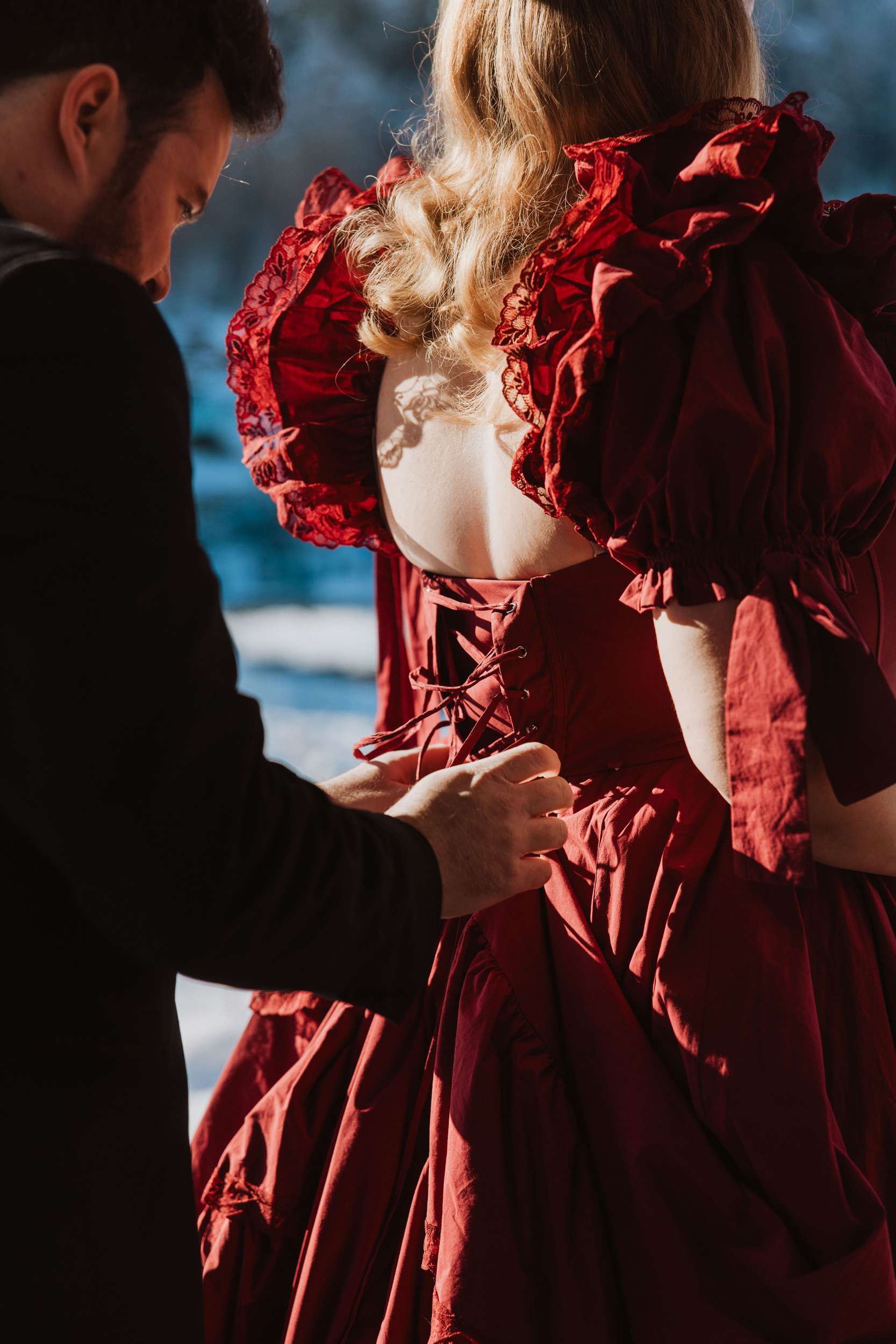
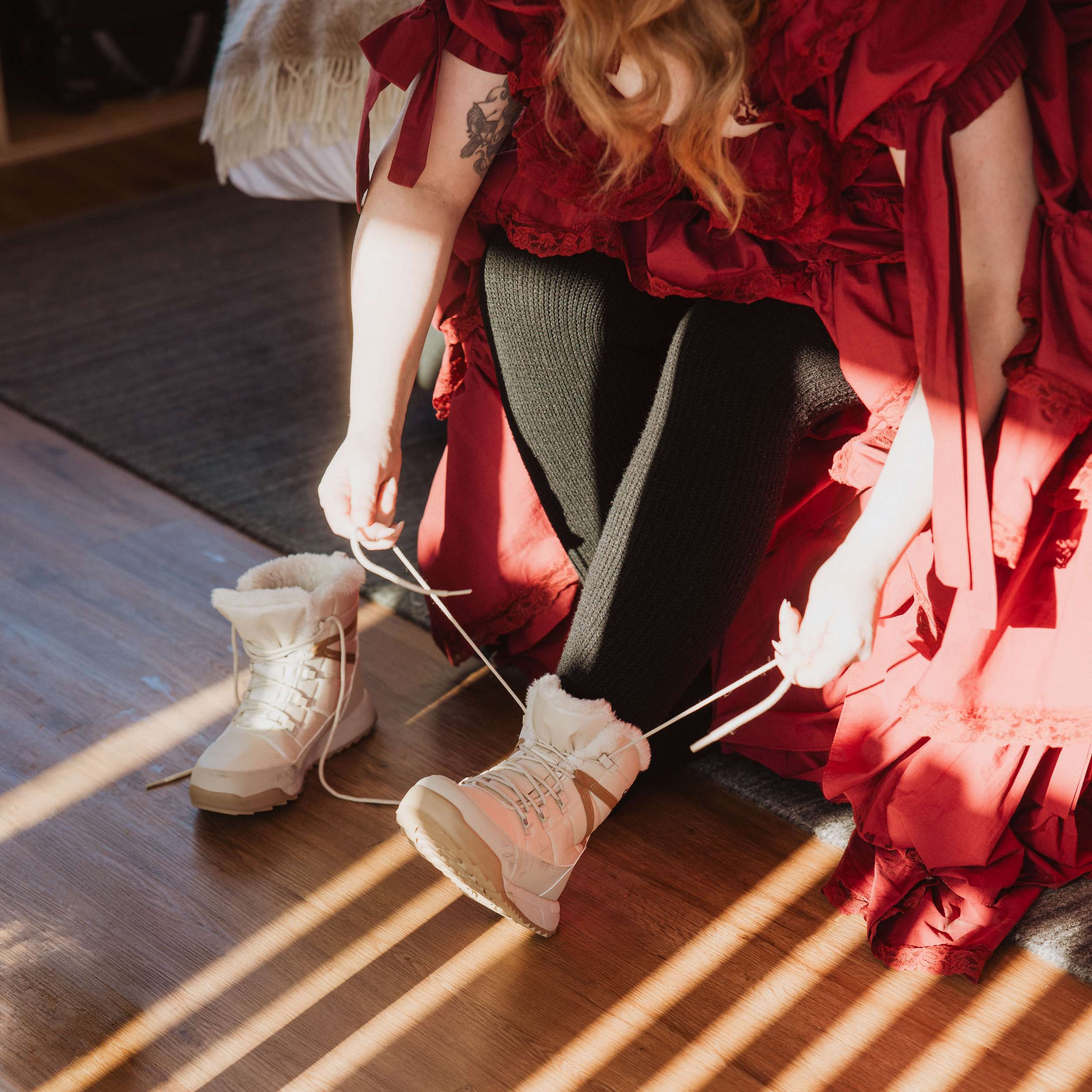
Phillie’s choice of the Fanciful Doll Sanguine dress proved to be a defining visual element of the event. The blood-red train of the gown provided a stark, high-contrast visual against the pristine white landscape of the snow-covered lakefront.
The procurement of this garment serves as a case study in the risks of modern supply chains for bespoke or niche wedding attire. The bride noted that their initial vendor was unreliable, necessitating a "last-minute pivot." The success of this change highlights the importance of adaptability in wedding planning, particularly when working with specialized independent designers. The Sanguine dress, originally intended for a different vision, became the focal point of the photography, demonstrating how unplanned changes can sometimes result in superior creative outcomes.
Chronology of the Day
The day was structured to minimize transit and maximize immersion in the landscape:
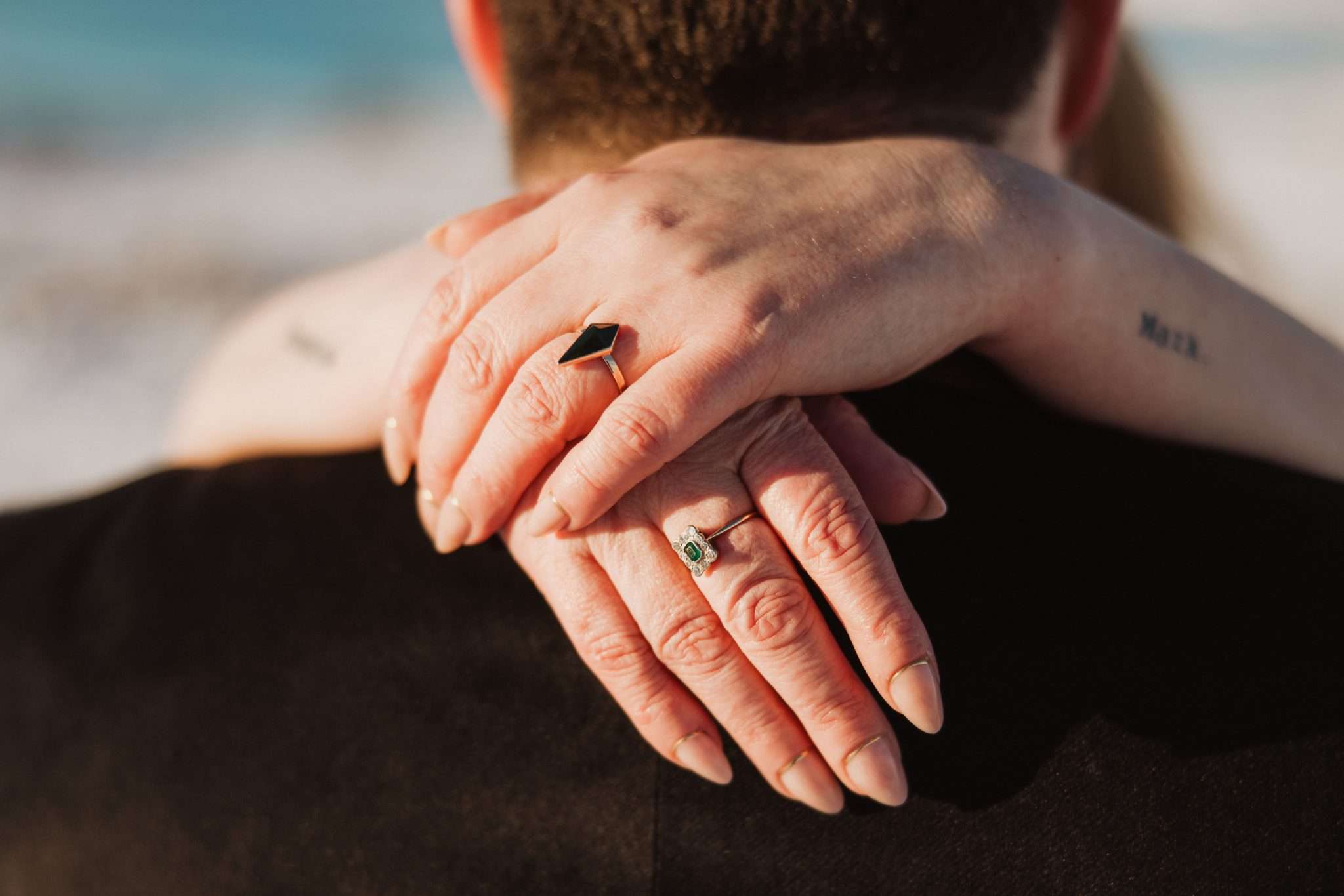
- Preparation: The couple chose to get ready together, eschewing the tradition of keeping the bride’s attire hidden until the ceremony. This approach reflects a modern move toward egalitarian participation in the wedding morning.
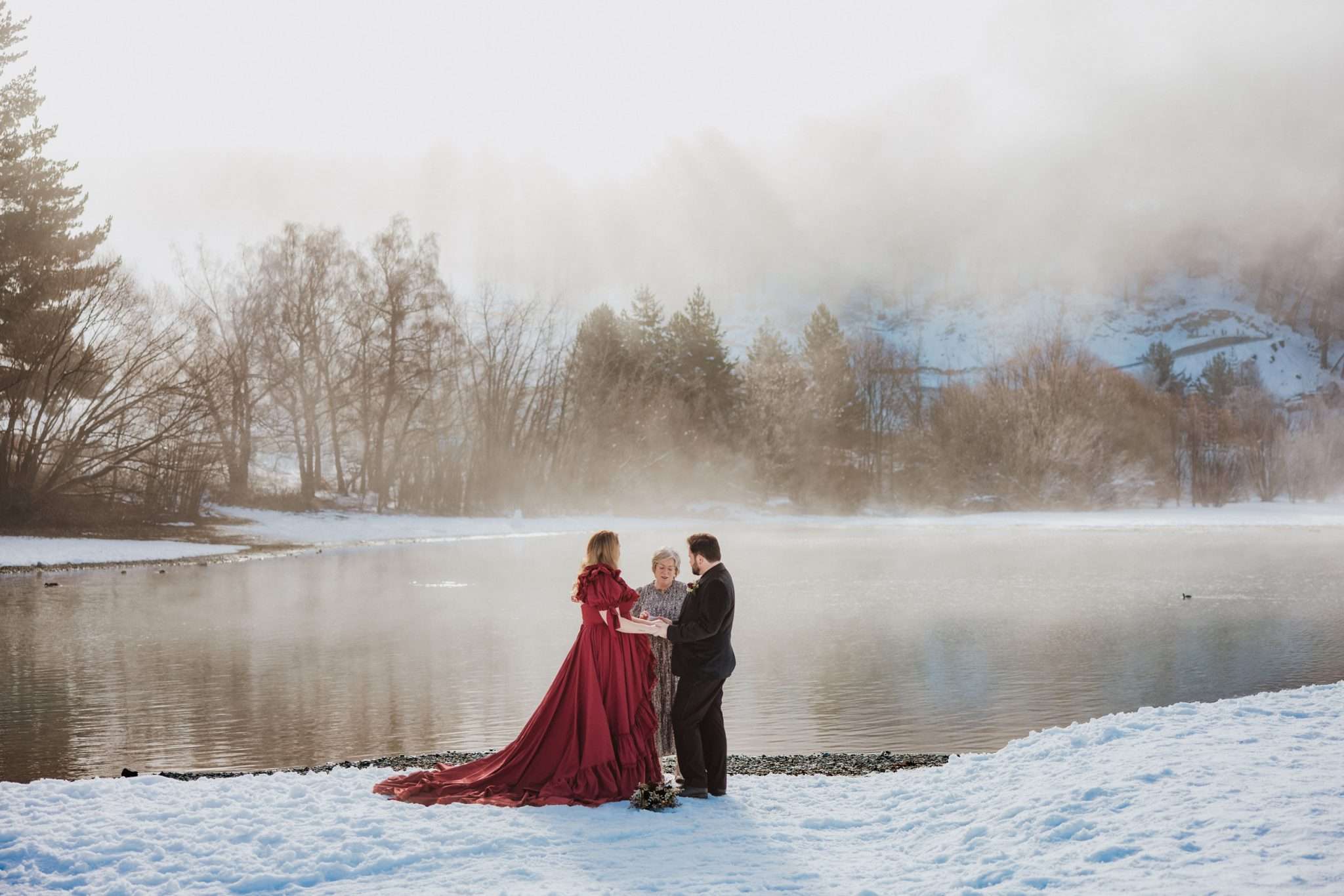
- The Ceremony: Conducted by celebrant Jade Whaley, the ceremony was held beside the lake. The legal requirements for a marriage in New Zealand necessitate two witnesses; in this instance, the celebrant’s husband and the photographer were drafted to fulfill these roles.
- The Soundtrack of Nature: The absence of a traditional musical accompaniment was filled by the ambient noise of the local wildlife, specifically the persistent vocalizations of a nearby duck. This anecdote, while humorous, underscores the lack of control inherent in outdoor, remote ceremonies.
- Post-Ceremony Observations: Following the exchange of vows, the couple engaged in a photo session, followed by an outdoor picnic. Despite the freezing temperatures, they maintained their theme with an "old-school emo" playlist, effectively bridging the gap between their aesthetic preferences and their environment.
- Evening Retreat: The conclusion of the day was marked by a return to their cabin, where the focus shifted to warmth and intimacy, characterized by wine and whiskey—a necessary reprieve from the sub-zero conditions outside.
Economic and Professional Impact
A significant portion of the couple’s budget was allocated to photography, provided by Kiwi Captures. In the context of an elopement, the photographer often serves a dual purpose: documentation and logistical support. The photographer’s role in navigating the terrain around Lake Tekapo and Lake Macgregor was essential, providing not just technical expertise but also a "grounding" presence during the intensity of the day.
This spending pattern is consistent with current data on micro-weddings and elopements, where the majority of the investment is redirected from venue and catering costs toward high-quality photography and videography. The documentation of the day is often the primary way couples share their experience with family and friends who were not present, making the photographer the most critical vendor in the process.
The Broader Implications of the Elopement Trend
The decision made by Phillie and Davey reflects a broader shift in the wedding industry. As the cost of traditional weddings continues to rise, more couples are turning to the "elopement" model—not necessarily to flee in secret, but to redefine what constitutes a meaningful celebration.
Research from the wedding industry indicates that the "micro-wedding" sector has seen a sustained increase in popularity since 2020. This is driven by three main factors:
- Reduced Financial Burden: By eliminating large-scale catering and venue rentals, couples can invest in high-end experiences, such as international travel or premium photography.
- Environmental Control: The ability to choose a location based on personal aesthetic preferences—like the snow of the South Island—rather than local proximity to a guest list.
- Mental Health and Stress Mitigation: The reduction of "guest drama" and the pressure to perform for an audience allows the couple to focus on the legal and emotional aspects of their union.
Expert Analysis on Weather-Dependent Events
Professional wedding planners often warn of the volatility associated with "once-in-a-decade" weather events. While the images produced by the heavy snowfall at Lake Tekapo were undoubtedly iconic, such weather poses significant risks to health and safety. The freezing of water supplies at the couple’s accommodation serves as a reminder that remote, high-altitude locations require robust infrastructure contingency plans.
Couples planning similar events in New Zealand are encouraged to engage with local experts who understand the specific micro-climates of the Mackenzie Basin. The success of Phillie and Davey’s day was largely due to their flexibility and their choice of professionals who were familiar with the landscape.
Final Reflections
When asked for advice regarding their experience, the couple was succinct: "Elope! Do it. You’ll thank us later!"
This sentiment is echoed by many who have opted for non-traditional ceremonies. The ability to tailor the experience to the couple’s specific interests—in this case, an emo-inspired, gothic-romantic, snowy, and intimate day—highlights the shift toward personalization in modern marriage.
As the industry moves forward, it is likely that the demand for these types of high-impact, low-attendance ceremonies will continue to grow. The story of this wedding serves as a testament to the fact that when the unnecessary elements of a wedding are removed, the core of the relationship—and the environment in which it is celebrated—can take center stage. The, at times, grueling conditions of the day, from the -13°C temperatures to the logistical hurdles, only served to deepen the narrative of the event, transforming a simple marriage into a memorable, singular experience.
Related posts: