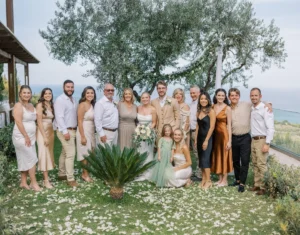
The rise of destination weddings has transformed the global travel and events sector, with industry reports indicating that approximately 25% of all weddings now take place in a location other than the couple’s home country. While the allure of exotic backdrops—ranging from Mediterranean coastlines to historic villas—is undeniable, the logistical complexities of planning an event across borders often lead couples toward standardized, "cookie-cutter" packages. Balancing the desire for a personalized celebration with the efficiency of pre-packaged services remains the central challenge for modern couples navigating the international wedding market.
The Evolution of the Destination Wedding Market
Historically, destination weddings were considered a niche luxury for affluent travelers. However, increased global connectivity, the growth of specialized event management platforms, and the rise of "micro-destination" tourism have democratized the practice. According to data from the global wedding planning sector, the average expenditure for a destination wedding now fluctuates significantly based on the region, yet the primary driver for growth is the desire for an "experience-based" celebration that extends beyond a single ceremony into a multi-day holiday.
The current market is dominated by venues offering all-inclusive bundles. While these packages minimize the administrative burden of international coordination, they frequently limit creative expression. Industry experts suggest that the most successful events are those that view these packages as a structural framework rather than a rigid blueprint.
Strategic Site Selection and Regional Planning
The decision-making process for a destination wedding should ideally begin with an assessment of the desired guest experience rather than the aesthetics of a specific venue. Professional planners advise that couples first define their geographic parameters—such as accessibility to international airports, the proximity of accommodation to the event site, and the desired level of privacy.

For instance, the Antalya region of Türkiye has emerged as a premier destination due to its diverse topography. The area offers a spectrum of environments, from private Mediterranean gardens and historic maritime structures to modern urban event spaces. Selecting an area that aligns with the logistical needs of the wedding—such as the availability of reliable transport infrastructure—is critical. A common pitfall is prioritizing the "visual appeal" of a secluded venue without verifying the feasibility of transporting guests safely or efficiently to and from the site.
The Role of Local Expertise and Coordination
Navigating international vendor contracts, language barriers, and regional customs often necessitates the involvement of a local wedding planner. Firms like the Antalya-based Solara Event have bridged the gap between international client expectations and local execution. Berkan Özyurt, who facilitates international communication for the firm, notes that the integration of local knowledge is essential for managing the nuances of cross-cultural expectations.
"The role of the local planner is to act as a translator of vision," says Özyurt. "British and international couples often have specific standards for service, timing, and communication. A local planner ensures these expectations are met while respecting local operational constraints."
Analytical Breakdown of Cost and Contractual Obligations
A common point of contention in international event planning is the lack of transparency in "all-inclusive" quotes. A critical financial analysis reveals that initial price points often omit hidden costs related to site fees, production, service hours, and premium vendor access.
Couples are advised to request a granular line-item breakdown before entering into any financial agreement. Key considerations include:

- Service Hours: Does the package cover the entire duration, or are there surcharges for late-night extensions?
- Production Costs: Do lighting, sound, and specialized decor fall under the base package, or are they outsourced at a premium?
- Exclusivity: Does the venue mandate the use of in-house catering, or is there flexibility to engage external suppliers?
Data suggests that failing to clarify these terms early can lead to a 20% to 40% increase in the final wedding budget as requirements for production and styling are added post-deposit.
Environmental and Logistical Contingencies
Weather remains the most significant variable in destination wedding planning. Data regarding regional climate patterns—such as heat indexes during the peak summer months in the Mediterranean—should dictate the timeline of the ceremony. To mitigate the risks of extreme weather, including high temperatures or unseasonable wind, a robust contingency plan is mandatory.
A professional risk assessment should include:
- Capacity Checks: Confirming that the indoor "Plan B" space can comfortably accommodate the full guest list.
- Climate Control: Ensuring adequate shade, ventilation, or heating systems are available if the primary event is outdoors.
- Guest Comfort: Proactive communication regarding dress codes, hydration, and transportation timing, particularly in high-temperature environments.
Managing Guest Logistics and Experience
The responsibility of the host extends to the entire duration of the guests’ travel. Providing comprehensive information regarding airport transfers, regional transport, and accommodation tiers allows guests to plan their travel with greater autonomy. It is recommended that couples organize at least one supplementary event—such as a welcome reception or a post-wedding brunch—to solidify the social cohesion of the group. These smaller events are statistically shown to increase guest satisfaction and provide a more relaxed environment for socializing than the formal ceremony itself.
Personalizing the Global Aesthetic
A common frustration among couples is the pressure to replicate popular trends found on social media platforms. To avoid a "carbon copy" wedding, planners suggest that couples focus on the "why" behind their aesthetic choices. When working remotely, providing reference images to vendors is helpful, provided the couple clearly articulates which elements (e.g., the lighting, the color palette, or the scale) they wish to emulate.

Integrating local cultural elements—such as regional flora, traditional culinary offerings, or local materials—can anchor the wedding in its destination without sacrificing personal style. Conversely, for couples wishing to maintain a distinct, non-regional aesthetic, the shipping of personal decor is an option, provided it is managed with sufficient lead time to account for customs, international logistics, and potential shipping delays.
Broader Implications for the Future of Event Tourism
As the industry matures, the focus is shifting toward "sustainable personalization." The implications of this shift are two-fold: venues are becoming more flexible to remain competitive, and couples are becoming more discerning in their demand for bespoke experiences.
The successful destination wedding of the future will likely rely on a hybrid model: leveraging the established infrastructure of professional local vendors while maintaining a rigorous commitment to the couple’s personal narrative. By treating the wedding not merely as an event, but as a carefully curated journey for both the hosts and their guests, couples can navigate the complexities of international planning while ensuring the result remains an authentic reflection of their partnership. The key, ultimately, is the integration of logistical pragmatism with a clear, personal creative vision, supported by the deep regional expertise that only local professionals can provide.