The Essential Guide to Curating a Professional Jewelry Chain Collection for Longevity and Style

The jewelry industry has long grappled with a significant divide between the aesthetic appeal of vintage pieces and the functional reliability required for modern daily wear. For decades, the secondary market has been flooded with heirloom-style chains that, while historically significant, often suffer from microscopic structural degradation that renders them unsuitable for active use. As retail standards evolve, industry experts are increasingly pivoting toward new-manufacture hardware to ensure structural integrity, durability, and compatibility with modern modular charm systems.
The Structural Limitations of Vintage Jewelry
The decline in the popularity of vintage chains among professional jewelers is rooted in a fundamental issue: metal fatigue. Jewelry chains are subject to constant tension, friction, and environmental stress. When examined under professional-grade magnification, many vintage links—particularly those dating back several decades—show signs of "thinning" or "stress-fracturing" at the connection points.
A 2023 metallurgical analysis conducted by independent jewelry labs suggests that constant wear causes a phenomenon known as "link thinning," where the internal diameter of the link wears down due to metal-on-metal friction. For collectors, this poses a dual risk: the potential loss of high-value charms and the high cost of specialized restoration. Repairing these links often requires laser welding or soldering, which can diminish the original finish of the piece and prove cost-prohibitive compared to the value of the chain itself. Consequently, many boutique retailers are now opting for new-production chains, which provide the benefit of a "clean slate"—no pre-existing structural damage and a full warranty on craftsmanship.
Chronology of the Chain Evolution
The shift from antique-only acquisitions to a "new-vintage" hybrid model represents a notable change in collector behavior over the last twenty years.
- 2000–2010: The market was dominated by a surge in demand for Victorian and Edwardian era gold chains. Collectors prized these pieces for their unique, hand-forged links that are difficult to replicate via modern mass-production techniques.
- 2010–2018: As these pieces reached their second century, the failure rate began to climb. Jewelers observed a marked increase in broken clasps and split links, leading to a temporary "repair boom."
- 2018–2024: A segment of the market transitioned toward high-quality, newly manufactured chains that replicate the aesthetic weight and craftsmanship of historical pieces but utilize modern, hardened alloys that withstand the rigors of modern daily use.
Data-Driven Selection: The Five Essential Chain Profiles
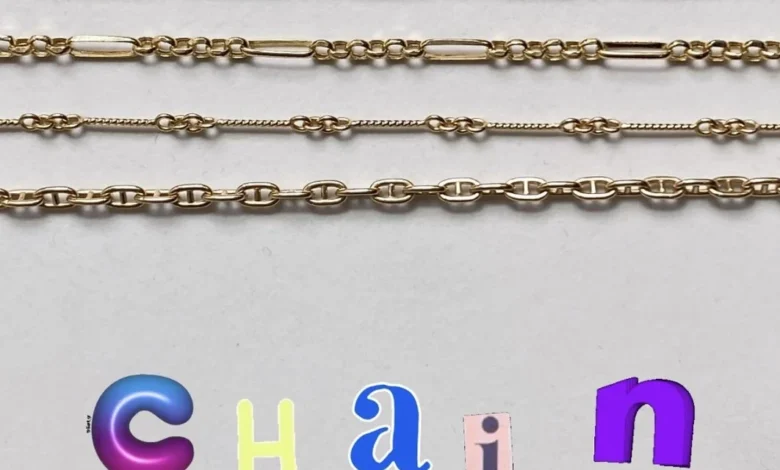
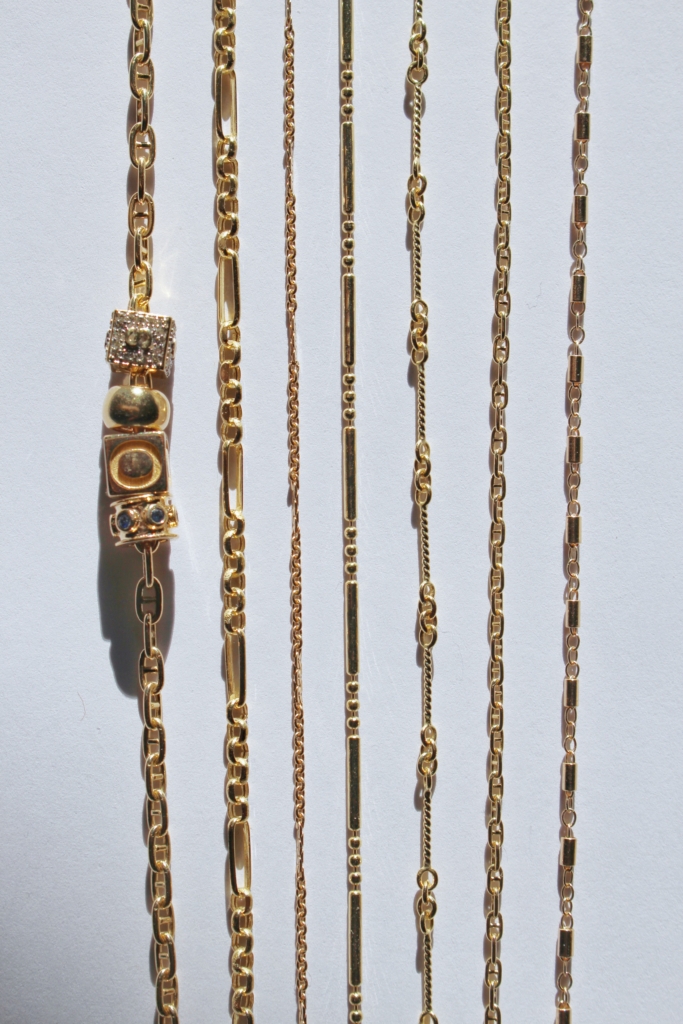
When building a professional-grade collection, jewelry curators advise focusing on five core silhouettes. These styles have been selected based on their tensile strength, versatility in pendant housing, and resistance to kinking or twisting.

1. The Mariner (Anchor) Chain
The Mariner chain, characterized by its oval links with a central horizontal bar, is a mainstay in luxury jewelry. Because of its solid construction, it is widely considered one of the most durable styles. The horizontal bar acts as a structural reinforcement, preventing the links from collapsing or distorting under the weight of heavy pendants or charm clusters. Industry data indicates that the 3mm width is the current market standard for both aesthetic balance and physical longevity.
2. The Box Chain
The box chain is composed of square links that form a smooth, continuous tube. This design is highly favored for its resistance to kinking. Unlike more delicate styles, the box chain maintains a consistent shape even under the pressure of multiple charms. It is frequently recommended for clients who require a chain that can be slept in or worn during physical activity, as the internal surface area provides significant friction resistance.
3. Large Link and Statement Chains
Larger, geometric links—such as the Trombone or Oval Jangle designs—serve as the foundation for modern "neck stacking." These chains provide visual volume without the excessive weight of solid, cast-gold necklaces. From an investment perspective, these pieces are often purchased for their versatility; they can be worn as standalone statement pieces or used to anchor various decorative pendants.

4. The Mini Figaro Chain
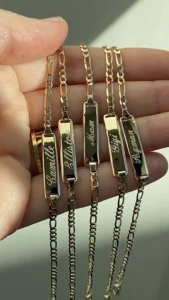
The Figaro chain, a variation of the cable chain featuring alternating long and short links, is often cited as the superior alternative to the standard, low-quality "cable" chains typically included with retail pendants. The alternating link pattern provides a more sophisticated aesthetic and, due to the link distribution, allows for better weight distribution of the pendant.
5. Specialized Unique Links
The current market has seen a resurgence in artisan-inspired links, such as the Bar + Bead, Twisted Stick, and Pinched Long Link styles. These designs represent the intersection of contemporary industrial design and traditional jewelry craftsmanship. These chains are designed to be focal points in their own right, rather than mere accessories to a pendant.
Implications for the Modern Jewelry Market
The transition toward brand-new chains manufactured with precision technology has significant implications for consumer protection. When purchasing jewelry, the inclusion of a "new-condition" certificate or a warranty against manufacturing defects provides a level of security that the vintage market cannot guarantee.

Furthermore, the integration of modular systems—where charms can be added, rearranged, or removed—requires a chain that can withstand frequent manipulation. Professional jewelers emphasize that when a chain is subjected to the opening and closing of jump rings, the integrity of the chain’s metal becomes the primary factor in preventing loss.
Broader Industry Impact
The shift in preference does not signal the death of the vintage jewelry market, but rather a maturation of the collector. Serious enthusiasts now maintain a "bifurcated" collection: rare, museum-quality vintage pieces reserved for occasional wear, and high-quality, modern-manufactured staples utilized for everyday styling.
Retailers who prioritize quality control—by performing stress tests and metallurgical inspections on all inventory—are seeing higher rates of customer retention. As the market moves away from the "disposable" jewelry trend, the focus is increasingly on the lifecycle of the metal, the durability of the clasp mechanism, and the long-term utility of the link design. By investing in these five essential chain styles, collectors are not merely purchasing accessories, but are building a modular, durable, and highly functional foundation for their personal collections.
Related posts: