The UK Ethical Knitwear Guide: Sustainable Jumpers, Sweaters, and Cardigans for Winter

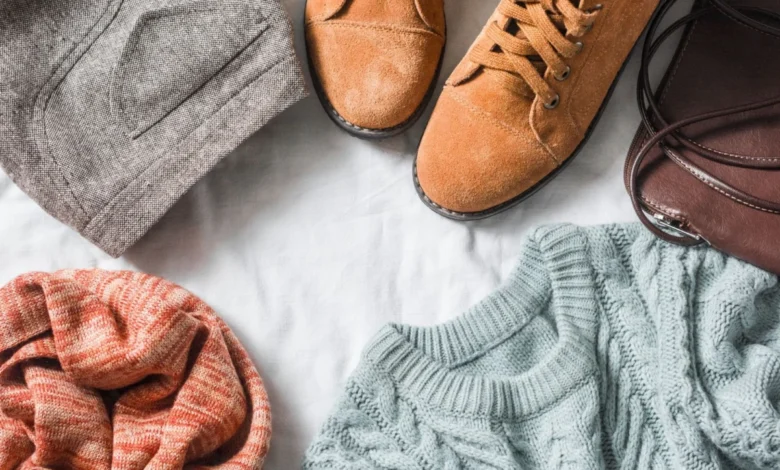
As winter approaches, consumer demand for knitwear surges across the United Kingdom, turning jumpers, cardigans, and sweaters into seasonal wardrobe staples. Valued for their natural thermoregulatory properties, woolen and knitted garments provide warmth without inducing excessive perspiration. However, beneath the cozy appeal of winter knitwear lies a complex supply chain often entangled with environmental degradation, microplastic pollution, and animal welfare concerns. For conscious consumers navigating the British retail market, identifying genuinely sustainable alternatives requires looking beyond marketing claims to evaluate material composition, sourcing transparency, and circular end-of-life solutions.

The environmental footprint of modern knitwear is largely defined by the quiet proliferation of synthetic-natural material blends. While pure wool is a renewable resource, many mainstream commercial brands blend natural fibers with inexpensive synthetic alternatives such as acrylic and polyester. Industry analysts note that while acrylic is frequently incorporated to minimize bobbling, enhance shape retention, and lower production costs, its inclusion compromises the garment’s integrity. Because acrylic is fundamentally a plastic derived from fossil fuels, garments blended with synthetic fibers shed potentially harmful microplastics into wastewater systems with every domestic laundry cycle. Furthermore, blended knitwear typically exhibits a shorter lifespan, degrading faster and resisting de-bobbling efforts, which ultimately accelerates the cycle of textile waste destined for landfills.
Animal welfare presents another ethical dilemma within the luxury and commercial wool sectors. Even 100% pure wool garments can harbor severe supply chain controversies. A prominent example is mulesing, a routine surgical procedure performed primarily on Merino lambs in certain producing countries to prevent flystrike—a painful and potentially fatal parasitic infection. The practice involves stripping strips of skin from the animal’s breech area, frequently executed without adequate anaesthesia. While international pressure and progressive legislation have led to bans in several jurisdictions, major wool-producing nations such as Australia continue to permit the practice. Consequently, ethically minded shoppers must seek certifications that guarantee high standards of animal husbandry and land management, such as the Responsible Wool Standard (RWS).

To address these multifaceted challenges, a growing segment of the UK fashion and retail sector is pivoting toward transparent sourcing, circular manufacturing, and regenerative agriculture. Eco-friendly brands are increasingly utilizing 100% natural fibers, recycled wool, preloved garments, and localized supply chains to reduce carbon footprints and eliminate synthetic pollution. Market analysts categorize these ethical alternatives across distinct price points to accommodate various consumer budgets, utilizing a pricing scale where pound signs denote under fifty pounds, fifty to one hundred pounds, and over one hundred pounds.
Leading the charge in circular design is the UK-based retailer BAM. Traditionally recognized for its bamboo apparel, BAM offers a robust line of men’s and women’s knitwear crafted exclusively from 100% RWS-certified wool. Every garment is certified recyclable by the Circular Textiles Foundation, ensuring that designated recycling infrastructure exists prior to production. Through its "73 Zero" take-back scheme, customers can return worn-out jumpers free of charge for recycling. BAM has established ambitious corporate sustainability targets aiming for zero waste, zero pollution, and zero landfill contributions by 2030 across its entire operational footprint.

In Scotland, ERIBÉ Knitwear has maintained a strict commitment to 100% natural fibers since its establishment in 1986. Specializing in luxury Scottish knitwear, the brand relies exclusively on traceable, non-mulesed RWS merino lambswool and traditional British wool. Production is centralized in Scotland and the European Union, ensuring adherence to stringent labor laws and fair wage standards. To mitigate manufacturing waste, ERIBÉ produces garments in smaller, controlled batches, repurposing faulty yarn panels and replacing conventional plastic garment packaging with biodegradable alternatives.
For consumers seeking budget-friendly and hyper-sustainable options, preloved platforms have transformed the second-hand market. Oxfam Online provides a comprehensive digital storefront for preloved knitwear, complete with dedicated sections for men and women. The platform allows shoppers to filter items by size, brand, color, and condition while supporting global poverty alleviation initiatives. Similarly, The Nearly New Cashmere Co., based in Yorkshire, rescues thousands of discarded 100% cashmere garments annually. The enterprise meticulously reconditions and repairs items to restore them to pristine condition, complemented by a dedicated repair service designed to maximize garment longevity.

Similarly, the vintage retailer Rokit curates an extensive online collection of preloved designer and vintage knitwear spanning sizes 3XS to 3XL. Beyond vintage curation, Rokit operates its own "Rokit Originals" line, which employs a reworked inventory model to transform vintage textiles into contemporary pieces, thereby diverting textiles from landfills.
Emphasizing hyper-localized manufacturing, the luxury label Herd is actively working to revitalize the declining demand for British wool by establishing a supply chain where the entire journey from sheep to finished jumper spans a mere 230 miles. Utilizing 100% Bluefaced Leicester fleece sourced directly from the Northern Uplands of Yorkshire, Lancashire, and Cumbria, Herd collaborates with a network of local farmers, spinners, and craftspeople. The garments are subsequently colored using low-impact plant dyes, achieving an exceptionally low carbon footprint.

Long-standing ethical pioneers continue to shape the market through strict material standards and philanthropic commitments. Komodo, operating since 1988, features a curated collection of men’s and women’s knitwear crafted exclusively from 100% organic wool or 100% organic cotton, strictly prohibiting polyester blends and single-use plastics. As an active member of 1% for the Planet, Komodo directs financial contributions toward the Sumatran Orangutan Society to support rainforest restoration and ecosystem recovery.
Similarly, Manchester-based Beaumont Organic specializes in women’s casual wear manufactured within small, family-run factories across the European Union. The brand ensures complete supply chain transparency, allowing customers to trace individual garments back to the machinist who assembled them. Utilizing responsibly sourced, non-mulesed lambswool without synthetic additives, Beaumont Organic further promotes sustainability by offering complimentary repairs to all UK customers, extending the functional lifecycle of its products.

Finally, for consumers seeking vegan-friendly knitwear free from both animal products and synthetic microplastics, Rapanui provides an alternative model. Based on the Isle of Wight, the brand manufactures its entire collection of jumpers and cardigans from 100% organic cotton. Embodying a fully circular business model, every Rapanui product is engineered from inception to be returned for recycling once worn out, allowing the organic fibers to be re-spun into new yarn.
Industry analysts observe that the rising consumer preference for traceable, natural-fiber knitwear reflects a broader structural shift within the UK retail landscape. As regulatory scrutiny over greenwashing intensifies and the environmental costs of fast fashion become clearer, the intersection of ethical animal husbandry, microplastic reduction, and circular manufacturing is transitioning from a niche market segment to a baseline expectation for modern consumers.