Global Standards Launches the Global Responsible Textile Standard to Fill Critical Industry Gap for Sustainable Fibres

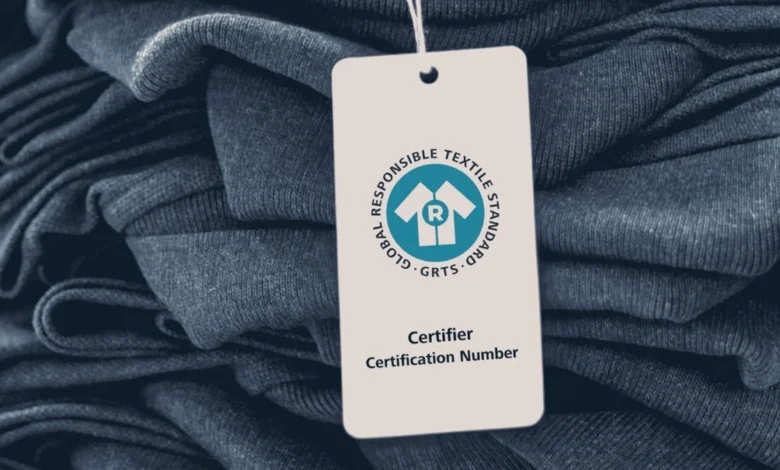
The global textile and apparel industry has long faced a complex labyrinth of sustainability certifications, where organic materials enjoyed rigorous oversight, while a vast universe of non-organic, synthetic, and recycled fibers operated under fragmented, often inconsistent standards. To bridge this critical sustainability divide, non-profit organisation Global Standards has officially launched the Global Responsible Textile Standard (GRTS). This comprehensive voluntary framework extends rigorous processing, environmental, and human rights certification to a significantly broader array of fibers than previously permitted under the organisation’s legacy guidelines.
Built upon decades of institutional knowledge, technical expertise, and operational experience derived from the globally renowned Global Organic Textile Standard (GOTS), GRTS arrives at a pivotal juncture for fashion and textile supply chains. As regulatory pressures mount and consumer demand for verifiable environmental claims intensifies, the new framework provides an auditable, transparent pathway for textiles made from plant, animal, synthetic, man-made cellulosic, and recycled fibers. By establishing a unified compliance benchmark, the initiative aims to eliminate confusion, combat greenwashing, and drive measurable improvements in social and environmental performance across global textile manufacturing hubs.
Background Context and the Evolution of Textile Certification
For more than two decades, the Global Organic Textile Standard has served as the gold standard for organic fiber processing, establishing strict ecological and social criteria from harvesting through to the final retail product. However, GOTS maintained a strict prerequisite: certified products had to be manufactured using predominantly organic fibers. While this focus successfully championed organic agriculture and protected soils and farming communities, it inadvertently created an industry gap.
Textiles composed of recycled materials, synthetic polymers, man-made cellulosics like viscose, and various conventional animal or plant fibers lacked an equivalent, highly trusted certification route under the Global Standards umbrella. Brands and manufacturers striving to verify the sustainability credentials of recycled polyester, nylon, or conventional cotton often had to navigate a patchwork of disparate certifications, each with varying degrees of rigor, transparency, and enforcement.
Industry stakeholders, ranging from major fashion retailers to raw material processors, have increasingly called for a unified framework capable of addressing environmental and human rights risks across all material categories. GRTS was developed precisely to address this market demand. By recognizing third-party fiber standards across numerous raw material categories and applying stringent processing rules, Global Standards has effectively expanded its protective umbrella to encompass the entirety of the textile fiber spectrum.
Core Requirements, Composition, and Traceability
At the heart of the GRTS framework is a strict compositional threshold designed to ensure material integrity. To earn and maintain GRTS certification, a textile product must contain a minimum of 90% fibers that have been verified to standards explicitly recognized by the GRTS system. This high threshold prevents tokenistic sustainability claims and ensures that certified products represent a genuine commitment to responsible material sourcing.
Beyond material composition, the standard imposes exhaustive requirements across multiple operational domains, including environmental performance, chemical management, human rights, business conduct, due diligence, and comprehensive supply chain traceability.
A cornerstone of the GRTS is its strict chemical control protocols. Processed materials must adhere to stringent limitations regarding hazardous substances, with explicit bans and strict restrictions placed on highly hazardous chemicals and genetically modified organisms (GMOs). These controls protect both factory workers handling processing chemicals and consumers wearing the finished garments, while simultaneously safeguarding local ecosystems from wastewater contamination.
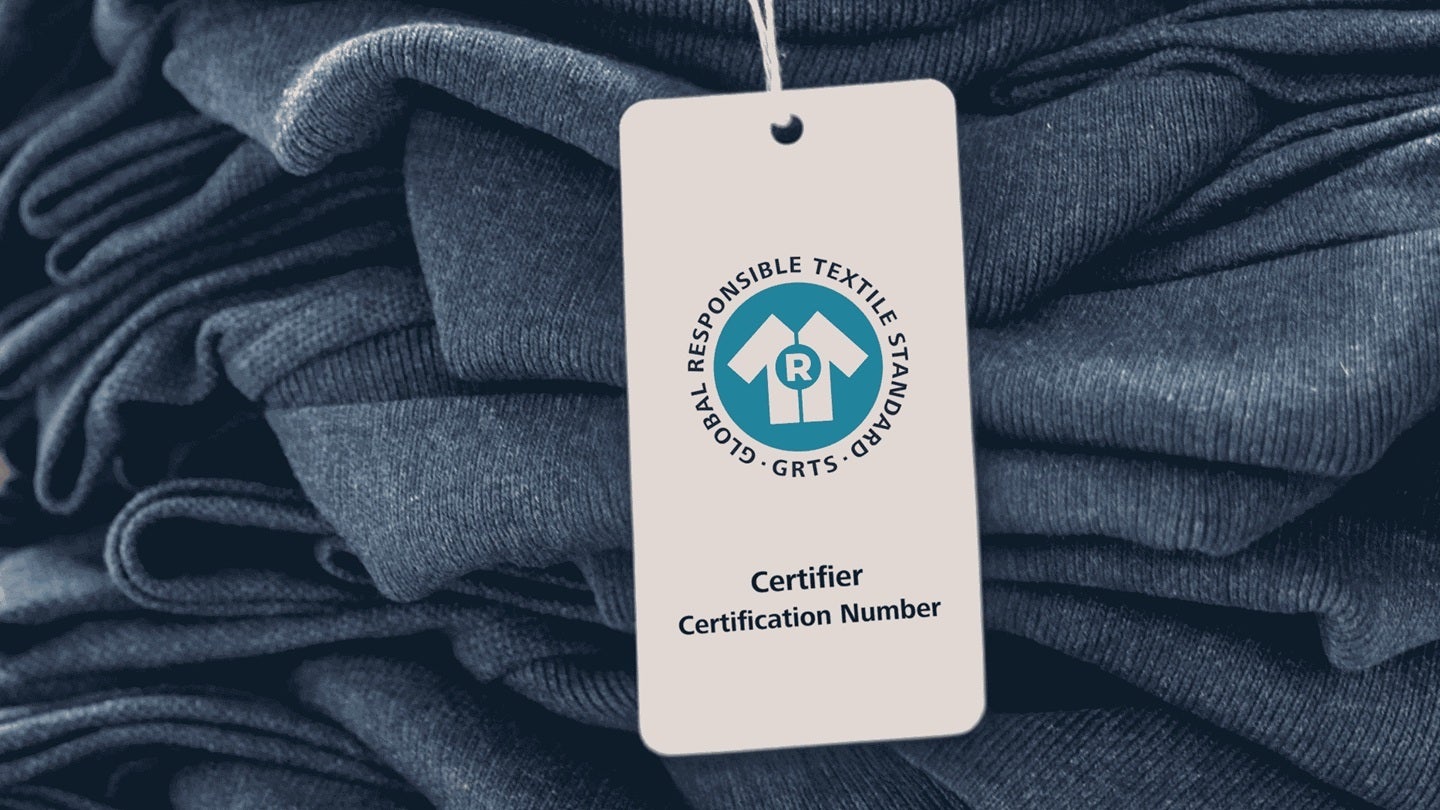
To ensure accountability, certified status is not granted through self-assessment or unchecked corporate declarations. Instead, certification is issued through an extensive, independent network of 27 accredited certification bodies. These independent third parties are authorized to perform rigorous, on-site assessments and audits at every single stage of the supply chain, encompassing spinning, weaving, knitting, wet processing, dyeing, and trading.
Furthermore, the system incorporates robust chain-of-custody principles, identity preservation measures, and mandatory transaction certificates. This digital and paper trail ensures that certified fiber content can be tracked seamlessly from its verified origin through every tier of the manufacturing process, effectively locking out fraudulent claims and assuring end-market buyers of the product’s authentic pedigree.
Leadership Perspective and Strategic Implications
Announcing the rollout of the new framework, Global Standards Managing Director Claudia Kersten emphasized the strategic importance of the initiative within the non-profit’s broader mission.
"Following our mission as a non-profit Voluntary Sustainability Standard setter, we aim to ensure the highest level of social and environmental impact in textile value chains," Kersten stated. "GRTS is a strategic and exciting step for us. By offering a standard that covers fibres beyond organic and building it on the same system as GOTS, we support the industry’s business case for sustainability and enable more positive impact together."
Industry analysts note that by mirroring the overarching architecture of GOTS, Global Standards has strategically lowered the barrier to entry for existing certified operators. Textile mills, processors, and brands already operating under GOTS certification will find the transition to, or incorporation of, GRTS remarkably streamlined. Because both standards share common verification processes, auditing protocols, and administrative foundations, companies can integrate the new standard without having to completely overhaul their compliance infrastructure.
Broad Market Implications and Future Outlook
The introduction of the Global Responsible Textile Standard arrives as regulatory bodies worldwide crack down on environmental marketing claims. In both the European Union and North America, legislative frameworks targeting greenwashing are making unverified sustainability claims legally hazardous. Corporations can no longer rely on vague assertions of "eco-friendly" or "responsibly sourced" production without robust, third-party verifiable evidence.
By offering a comprehensive standard that validates non-organic, synthetic, and recycled materials through rigorous, audited supply chain tracking, GRTS provides fashion brands with a vital shield against regulatory non-compliance and reputational damage. The inclusion of recycled materials is particularly timely, as the fashion industry increasingly relies on circular economy models and textile-to-textile recycling to reduce its massive carbon footprint and alleviate pressure on finite virgin resources.
Moreover, the standard’s rigorous focus on human rights and business conduct addresses growing legislative mandates regarding corporate sustainability due diligence. Companies sourcing under the GRTS framework will be better positioned to demonstrate compliance with emerging laws requiring them to identify, prevent, and mitigate human rights abuses and environmental harms throughout their global supply networks.
As the network of 27 accredited certification bodies begins processing applications and conducting initial facility audits, the true test of GRTS will lie in its adoption rate among major apparel brands and textile mills. However, given the deep industry trust earned by its predecessor GOTS over the past two decades, the Global Responsible Textile Standard is well-positioned to become the definitive benchmark for sustainable processing across all fiber categories, reshaping the future of responsible textile manufacturing on a global scale.
Related posts: