The United Kingdom retail sector has encountered a significant commercial challenge at the outset of the autumn season, as unseasonably warm weather patterns suppress consumer demand for heavier seasonal apparel. High street retailers, independent boutiques, and major online fashion platforms have reported a noticeable contraction in sales volumes for heavy outerwear, knitwear, and winter accessories. This downturn has disrupted traditional inventory turnover cycles, forcing apparel merchants to reassess merchandising strategies, promotional calendars, and supply chain logistics as they navigate an increasingly volatile macroeconomic climate marked by shifting climatic norms.
Retail analysts and industry observers point out that September and October represent critical trading windows for the UK fashion market. During these months, consumers typically transition their wardrobes from summer lightweight fabrics to insulated coats, boots, sweaters, and layered garments, which generally yield higher profit margins for retailers. However, persistent above-average temperatures across England, Scotland, Wales, and Northern Ireland have delayed this essential seasonal transition. Shoppers have deferred purchasing cold-weather merchandise, resulting in stagnant inventory levels, reduced footfall in physical retail parks, and weaker-than-anticipated sales figures across the broader textile and apparel sector.
Chronology of the Autumn Trading Disruption
The onset of this retail slump can be traced through a sequence of meteorological observations and corresponding market reactions over the late summer and early autumn period.
In late August, meteorological agencies recorded prolonged high-pressure systems extending across Western Europe, bringing sustained warm air masses to the British Isles. While this weather favoured the tourism, hospitality, and beverage sectors, it presented immediate operational complications for fashion retailers whose supply chains had already delivered autumn-winter collections to distribution centers and storefronts.
By mid-September, traditionally the peak period for marketing back-to-school wardrobes and early autumn fashion lines, sales data began to reflect a divergence from historical trends. While lightweight transitional items such as denim jackets, light cardigans, and trousers maintained moderate sales volumes, heavy winter coats, wool sweaters, and thermal wear experienced a severe decline in sell-through rates. Retailers found themselves displaying winter displays in shop windows while consumers continued to dress for late-summer conditions, creating a cognitive dissonance in the shopping environment that discouraged impulse purchases.
As the calendar turned to October, unseasonably mild conditions persisted. Weather stations across southern and central England registered temperatures several degrees above the seasonal 30-year average. Consequently, the anticipated October spike in cold-weather apparel sales failed to materialize. Retail executives convened emergency merchandising meetings to evaluate the financial exposure of holding excessive heavy inventory, prompting discussions regarding early promotional discounting, inventory pack-away strategies, and the potential reallocation of stock to international markets experiencing colder autumn conditions.

Supporting Data and Market Metrics
Quantitative insights from various retail research groups and point-of-sale data providers underscore the depth of the current market contraction. According to preliminary retail sales indices compiled by major financial institutions and trade bodies, total non-food retail sales experienced a downward revision in September, led primarily by slumping performance within the fashion and footwear category.
Year-on-year comparisons reveal that high street fashion sales dropped by an average of 4.2% across major UK metropolitan shopping destinations during the first six weeks of the meteorological autumn. Department stores, which rely heavily on apparel as a key traffic driver, reported even sharper declines in their clothing divisions, with some legacy chains noting double-digit percentage drops in outerwear turnover compared to the same period in the previous year.
Furthermore, online fashion retailers reported a simultaneous cooling of demand. Traffic metrics for digital apparel platforms indicated lower conversion rates for seasonal search terms such as "winter coats" and "wool scarves," even as overall web traffic remained relatively stable. Average order values (AOV) declined as consumers restricted their online purchases to staple items and beauty products rather than investing in higher-ticket seasonal fashion pieces.
Inventory holding costs have risen concurrently. With warehouses storing high volumes of unsold winter merchandise, supply chain efficiency metrics have deteriorated. Retailers face rising warehousing fees and immobilized working capital, which restricts their liquidity and hampers their ability to invest flexibly in fast-moving trends or upcoming festive inventory cycles.
Official Responses and Industry Reactions
Representatives from major retail associations and corporate leadership teams have voiced growing concern over the prolonged weather anomaly and its financial repercussions.
A spokesperson for the British Retail Consortium (BRC) noted that while the UK retail sector has demonstrated resilience in the face of persistent inflationary pressures and fluctuating consumer confidence, external environmental factors such as unseasonable weather remain uniquely difficult to manage. The BRC emphasized that fashion retail operates on tightly scheduled merchandise calendars, where delays in seasonal transitions can create cascading financial effects that are difficult to recover within a single trading quarter.
Prominent executives within leading UK fashion groups have similarly addressed the situation in communications with investors and analysts. In recent trading updates, chief executive officers highlighted that while underlying consumer demand for fashion remains fundamentally intact, purchasing behavior has become acutely weather-dependent. Several firms announced plans to introduce greater agility into their supply chains, aiming to shorten lead times so that merchandising teams can adjust store displays and online promotions in real-time response to meteorological forecasts rather than rigid calendar dates.
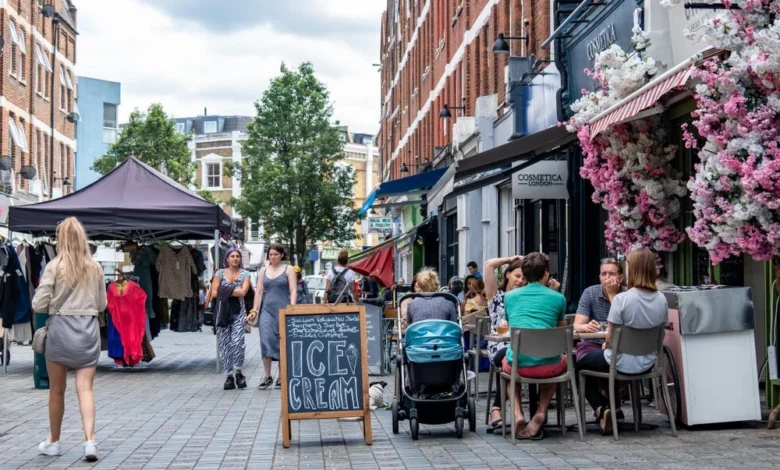
Independent boutique owners have expressed parallel anxieties. Unlike large multinational conglomerates with diversified revenue streams and global operational footprints, independent retailers operating single storefronts or regional chains possess less financial buffer to absorb prolonged periods of sluggish inventory turnover. Many independent operators have been forced to initiate localized promotional campaigns and flash sales earlier than planned to generate immediate cash flow, sacrificing profit margins in the process.
Broader Economic Impact and Future Implications
The current slump in UK clothing sales carries wider implications for the domestic retail ecosystem, the manufacturing sector, and the broader macroeconomy.
At the macroeconomic level, retail sales constitute a vital component of consumer spending, which serves as a primary engine of Gross Domestic Product (GDP) growth. Weaker-than-expected performance in the high-profile fashion sector can dampen broader retail output figures, influencing economic sentiment and prompting cautious forecasts from central bankers and financial analysts.
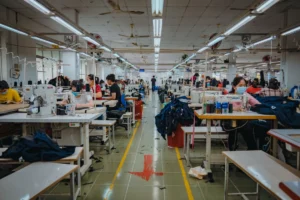
Supply chain networks extending from international garment-producing nations—such as Bangladesh, Turkey, India, and China—may also experience downstream effects. If UK retailers face prolonged inventory stagnation, forward orders for spring and summer collections scheduled for production later in the year could be delayed or downsized as brands prioritize clearing existing warehouse capacity. This dynamic risks creating production bottlenecks and planning challenges for global garment manufacturers who rely on steady, predictable order pipelines.
Moreover, the recurrent nature of climate-induced retail disruptions is accelerating strategic shifts within the fashion industry. Retailers are increasingly investing in advanced predictive analytics, artificial intelligence-driven demand forecasting, and flexible sourcing models to mitigate weather-related volatility. By decoupling product offerings from rigid seasonal definitions and shifting toward perpetual transitional collections, forward-thinking brands seek to adapt to a changing climate where traditional autumn and winter boundaries are increasingly blurred.
Ultimately, the present downturn serves as a critical stress test for the UK apparel market. As merchants navigate the immediate challenge of clearing unsold stock amidst unseasonably warm conditions, the episode underscores the imperative for continuous operational innovation, agile supply chain management, and heightened responsiveness to evolving consumer habits in an era of environmental and economic transformation.