New York Fashion Week Spring 2027: A Season of Practicality, Controversy, and Immersive Storytelling


New York Fashion Week (NYFW) Spring 2027 concluded with a complex legacy, serving as a microcosm for the broader shifts currently reconfiguring the global luxury and retail markets. While the biannual event remains the cornerstone of American fashion, the Spring 2027 iteration—documented in depth by the Glossy Fashion Podcast—highlighted a distinct departure from the avant-garde excesses of previous decades. Editors Danny Parisi and Jill Manoff, analyzing the week’s proceedings, identified a tangible pivot toward consumer-centric design, archival integration, and an intensified focus on experiential retail. However, the week’s business-focused narrative was partially eclipsed by an internal industry crisis involving the Council of Fashion Designers of America (CFDA).
The CFDA Crisis: An Unprecedented Interruption
The most significant disruption of the week occurred during the Cos runway presentation, where a protest organized by PETA regarding animal welfare in fashion escalated into a physical confrontation involving CFDA CEO Steven Kolb. The incident, which was captured on social media and circulated rapidly, forced a temporary halt to the proceedings and prompted an immediate institutional response.
The irony of the situation was not lost on industry observers. NYFW Spring 2027 marked the inaugural season in which the CFDA formally mandated that the official calendar would feature no fur on the runway—a policy championed by Kolb himself. By mid-week, the CFDA issued a formal statement confirming that Kolb had been placed on administrative leave pending an internal investigation. This event served as a stark reminder of the tension between activist groups and industry leadership, as well as the heightened security requirements for public-facing fashion events in the current socio-political climate.
The Shift Toward Radical Accessibility
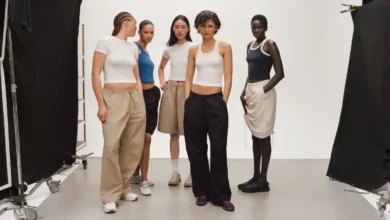
For decades, NYFW functioned primarily as a stage for high-concept, often unwearable couture. However, the 2027 season signaled a tactical retreat from this philosophy. Data from the runway collections indicated a marked increase in "daywear" silhouettes, focusing on modularity, denim, and elevated basics. At the Campillo show, the inclusion of sophisticated graphic tees served as a deliberate signal of intent: brands are increasingly prioritizing the "real-world" relevance of their merchandise.
This shift toward accessibility is likely a response to the cooling of the luxury sector. According to recent retail economic indicators, consumers in the post-2025 market have become increasingly selective, moving away from logos and toward longevity and practicality. Retrofête’s focus on denim and wearable luxury staples further underscored this trend, suggesting that designers are pivoting toward items that offer a lower barrier to entry for the aspirational consumer while maintaining brand prestige.
Archival Integration: The "Old Meets New" Phenomenon
A notable trend emerging this season was the systematic integration of vintage and archival pieces into current collections. Brands such as Tanner Fletcher and Sanderlak opted to showcase their new designs alongside curated selections from their own histories or sourced vintage items. This move mirrors the burgeoning resale market, which has outpaced growth in the primary luxury goods sector for three consecutive years.
The participation of eBay—which provided a platform for designers like Willy Chavarria to display archival works—further validated this circular approach to fashion. By incorporating pre-existing garments into their runways, designers are acknowledging that the modern consumer rarely wears a "total look" from a single season. Instead, they are curating wardrobes that blend heritage with innovation. This strategy not only serves as a sustainability metric but also provides a necessary buffer against the rising costs of raw material production, as brands lean into the value of their existing intellectual and physical property.
Immersive Storytelling as a Competitive Advantage
With the rise of digital influence and the decline of traditional retail foot traffic, designers are treating the runway show as an experiential marketing campaign rather than a simple sales exhibition. This season, the "immersion" factor became a priority. Theory, for instance, utilized an audio-guided runway experience where the designer’s voice provided context for each garment, turning a passive viewing experience into an educational narrative.
This "built-out" approach suggests that designers are increasingly cognizant of the need to justify the cost of live events. By hosting shows in design workshops or incorporating interactive storytelling elements, brands are attempting to bridge the gap between the runway and the retail floor. The intent is to craft a "lifestyle" narrative that resonates with consumers on a personal level, moving beyond the transactional nature of previous fashion cycles.
The Resurgence of the Official Party Circuit
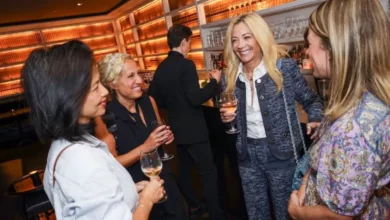
While the runway shows provided the substance, the afterparty circuit provided the strategy. There was a visible increase in official brand-hosted events this season, many of which were spearheaded by international brands looking to establish a footprint in the New York market.
Industry analysts suggest this influx of social capital is a strategic maneuver to build local brand equity. As brands expand their physical retail presence in New York City, they are utilizing the fashion week calendar to ingratiate themselves with local editors, influencers, and buyers. By embedding themselves in the cultural life of the city, these brands hope to secure a loyal customer base before the doors of their flagship stores officially open.
Experience-Driven Hospitality: The "Extra Mile"
Perhaps the most subtle but pervasive change this season was the elevation of hospitality. From Coach’s 85th-anniversary celebration—which featured curated catering and interactive elements like allowing editors to carry archival bags—to the "lounge-style" atmosphere at the Retrofête presentation, there was a palpable move toward creature comforts.
This transition from "spectator-focused" to "attendee-focused" events marks a shift in how fashion brands perceive their audience. In an era where fashion shows are broadcast instantly to millions via social media, the physical experience for the elite few in attendance must offer something that cannot be captured through a screen. By providing high-end catering and curated, tactile experiences, brands are creating a sense of exclusivity that rewards the physical presence of their most important stakeholders.
Broader Implications and Future Outlook
The Spring 2027 NYFW season has set a precedent for a more grounded, economically conscious, and narratively driven industry. The combination of fiscal caution and a desire for deeper connection with the consumer reflects a mature fashion market. The controversy surrounding the CFDA, while distracting, did not fundamentally alter the trajectory of the collections themselves, which leaned heavily into the themes of wearability and heritage.
As the industry looks toward the next season, the implications of these trends are clear. Designers can no longer rely on the spectacle alone; they must offer a synthesis of functional design, circularity, and experiential value. The success of the 2027 season will likely be measured not just by the aesthetic merit of the collections, but by the ability of these brands to sustain the momentum created during this week as they transition into their next retail cycles.
Ultimately, NYFW 2027 proved that while the industry is susceptible to the same pressures of public scrutiny and social change as any other sector, its ability to adapt—by blending the old with the new and the practical with the experiential—remains its most enduring strength. The season served as a vital reset, shifting the focus from the ephemeral to the substantial, and setting a high bar for the integration of lifestyle and retail in the years to come.