Kelli Donovan: Pioneering a Sustainable Future in the Global Fashion Industry

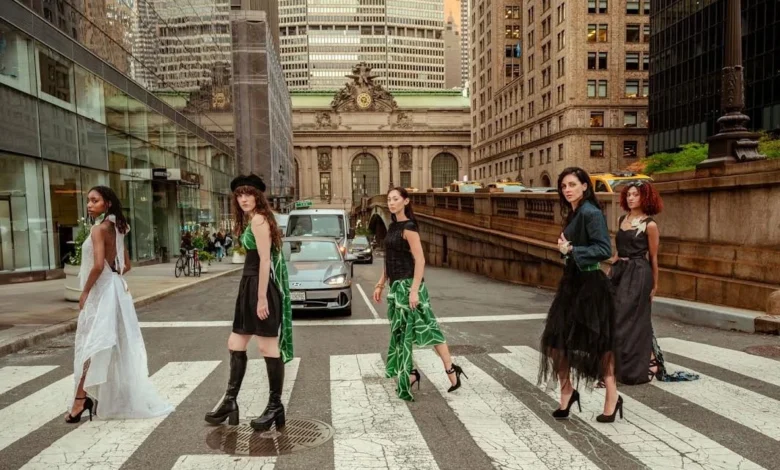
The global fashion industry is currently responsible for approximately 8% to 10% of total global carbon emissions, a figure that exceeds the combined footprint of all international flights and maritime shipping. Within this context of environmental urgency, Australian designer Kelli Donovan has emerged as a significant voice for reform. With three decades of experience in the fashion sector, Donovan has transitioned from traditional design to a model defined by circularity, ethical material sourcing, and a rejection of the "ultra-fast fashion" cycle. Her recent work, including the critically acclaimed Manta Ray collection and her "Sleeping Beauties" series, serves as both an aesthetic statement and a rigorous critique of current manufacturing standards.
The Origins of an Ethical Design Philosophy
Kelli Donovan’s commitment to sustainable design is rooted in her upbringing in Canberra, Australia’s "bush capital." Surrounded by mountainous terrain and a culture that emphasizes outdoor stewardship, Donovan’s early life cultivated a profound connection to the natural world. This environment served as a stark contrast to the realities of the global garment trade, which she observed becoming increasingly reliant on synthetic materials, exploitative labor practices, and excessive inventory production.
Her design ethos is also deeply personal, tracing back to the influence of her grandmother, Annie Muir, a skilled Scottish tailor from Glasgow. Muir’s philosophy—that a craftsman should never squander time or skill on substandard textiles—laid the foundation for Donovan’s career. By prioritizing high-quality, long-lasting materials, Donovan mirrors the artisanal traditions of the mid-20th century, effectively bridging the gap between historical craftsmanship and modern environmental necessity.
The "Sleeping Beauties" and the Crisis of Overproduction
In 2024, the fashion world saw a resurgence of interest in archive preservation and sustainable design, punctuated by the Metropolitan Museum of Art’s "Sleeping Beauties: Reawakening Fashion" exhibition. While Donovan’s own collection shares the name, she clarifies that the nomenclature is a serendipitous alignment rather than a direct imitation. Her "Sleeping Beauties" project serves as a somber reflection on the issue of industry-wide oversupply.
The concept of "deadstock" and unsold inventory has become a defining crisis for the industry. Estimates suggest that brands destroy billions of dollars’ worth of unsold merchandise annually to protect brand exclusivity and price points. Donovan’s collection acts as a silent protest against this waste, emphasizing the inherent value of every garment produced. By creating timeless, chic designs that defy the ephemeral nature of seasonal trends, she advocates for a shift in consumer behavior: moving from the rapid consumption of "disposable" fashion toward the acquisition of durable, meaningful pieces.
Ecological Advocacy: The Manta Ray Collection
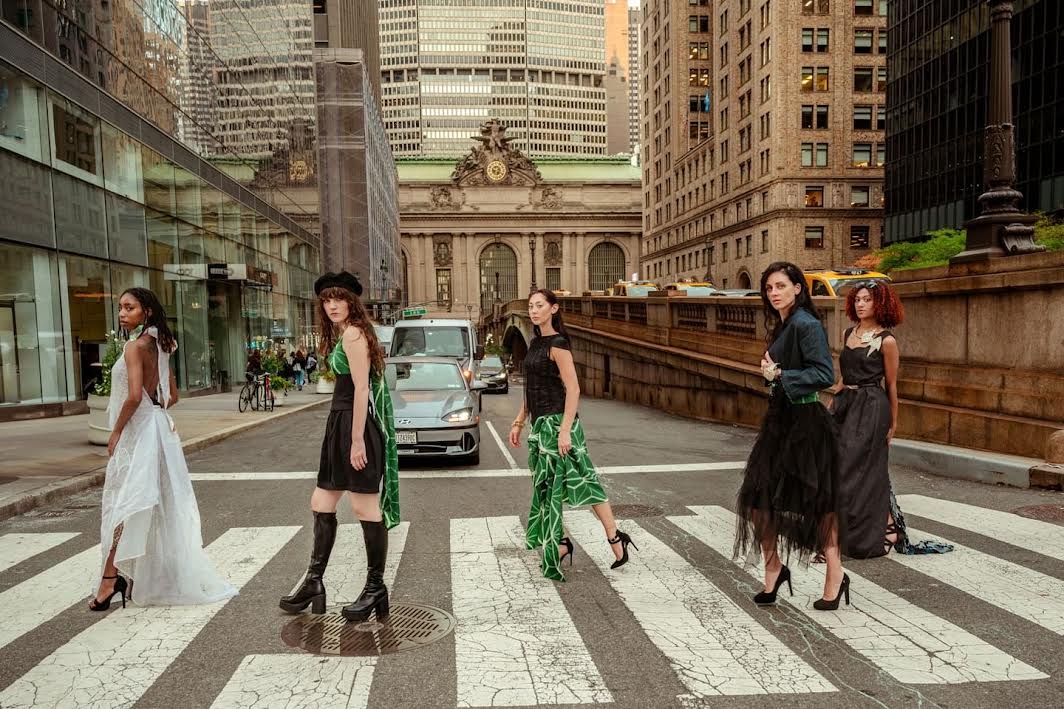
Perhaps the most explicit example of Donovan’s intersectional approach—combining design with environmental advocacy—is her Manta Ray collection. The collection was developed in direct response to the mounting crisis of ocean pollution, specifically the infiltration of microplastics from synthetic textile waste into marine ecosystems.
The Giant Manta Ray, a creature that feeds on plankton and maneuvers through the ocean with minimal environmental footprint, serves as the collection’s muse. The project was designed to educate consumers on the life cycle of their clothing. When synthetic garments made from polyester, nylon, or acrylic are washed, they shed millions of microfibers that eventually flow into waterways and oceans. These fibers are ingested by marine life, entering the food chain and causing systemic ecological damage.
By utilizing sustainable, natural fibers and advocating for transparent supply chains, Donovan’s Manta Ray project highlights a critical reality: the fashion industry is not an isolated sector, but a major contributor to global biodiversity loss. The collection has been recognized by industry analysts as a model for "activist fashion," where the aesthetic value of the product is inseparable from its message of conservation.
A Chronology of Industry Shifts
The transition toward sustainable fashion has occurred in distinct phases over the last thirty years of Donovan’s career:
- 1990s–2000s: The rise of "Fast Fashion," characterized by the rapid expansion of global supply chains, the outsourcing of labor to developing nations, and the introduction of a 52-week micro-trend cycle.
- 2010s: The emergence of "Slow Fashion" as a niche market movement, prompted by disasters such as the Rana Plaza collapse in 2013, which brought international attention to the human cost of cheap garment production.
- 2020s: The current phase, defined by "Circular Fashion" and regulatory pressure. Governments, particularly in the European Union, have begun drafting legislation regarding textile waste, extended producer responsibility (EPR), and greenwashing.
Donovan’s career trajectory spans these three decades, allowing her to serve as both a witness to the industry’s decline in sustainability and a pioneer in its potential recovery.
Data-Driven Implications for Future Designers
For aspiring designers, Donovan offers a clear directive: experimentation is essential, but it must be grounded in a "unique superpower" rather than a reliance on fleeting trends. The current economic landscape for fashion startups is challenging, yet data suggests that the demand for sustainable goods is rising. According to recent market reports, the global ethical fashion market is expected to reach a valuation exceeding $10 billion by the end of the decade.
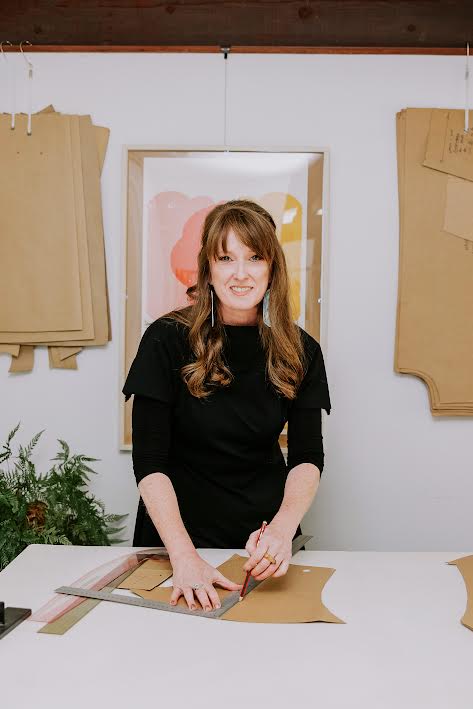
The implications for new labels are significant. To survive, designers must adopt "zero-waste" cutting techniques—a method that utilizes the entire fabric roll to minimize offcuts—and prioritize circularity. This involves designing for longevity, reparability, and recyclability. Donovan’s success demonstrates that sustainable fashion is not merely an ethical preference but a viable business strategy that fosters brand loyalty among an increasingly informed consumer base.
Broader Impacts on the Global Fashion Landscape
The work of designers like Kelli Donovan highlights a fundamental shift in the relationship between the creator and the consumer. In the traditional fast-fashion model, the consumer is a passive recipient of mass-produced, trend-driven goods. In the sustainable model, the consumer is an active participant in an ecosystem of responsibility.
The broader impact of this shift includes:
- Supply Chain Transparency: Brands are increasingly required to map their supply chains, identifying not only where garments are sewn but where raw fibers are grown and processed.
- Material Innovation: There is an intensified focus on regenerative agriculture and bio-based alternatives to petroleum-derived synthetics.
- Policy Advocacy: The industry is moving toward a mandatory reporting framework, where companies must disclose their environmental impact, carbon usage, and waste management protocols.
Conclusion: A Legacy of Responsibility
Kelli Donovan’s career serves as a roadmap for the future of the industry. By rejecting the culture of disposability that has dominated the last thirty years, she has demonstrated that it is possible to maintain a high standard of design while upholding rigorous ethical and environmental principles. Her work serves as a reminder that every stitch, every fiber, and every design decision carries a consequence.
As the industry faces mounting pressure from both regulators and climate-conscious consumers, the lessons provided by designers of Donovan’s caliber become increasingly vital. The future of fashion rests on the ability of designers to reconcile creativity with constraints—not as a limitation on their art, but as a framework for innovation. By focusing on longevity, education, and ecological respect, Donovan and her contemporaries are not just creating clothing; they are actively re-weaving the fabric of the industry to ensure it remains viable for generations to come. Her commitment to her craft, influenced by the legacy of her grandmother and the natural beauty of the Australian landscape, offers a vision of what fashion can be when it is treated with integrity rather than as an expendable commodity.