The Rise of Anti-Blush: How a Viral TikTok Term Sparked a Makeup Phenomenon and Ignited a Creator Credit Debate

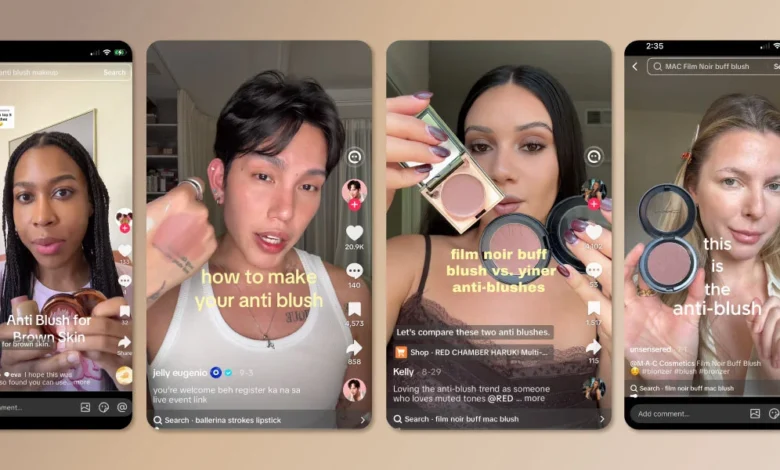
The modern beauty landscape has long been defined by excess, vibrant color stories, and high-impact pigments. For the better part of the decade, hyper-saturated cheeks have dominated runways, red carpets, and social media feeds alike. Brands like Rhode and Rare Beauty have capitalized heavily on this insatiable appetite for flushed, statement-making aesthetics, driving immense financial growth across the prestige cosmetics sector. However, the cultural pendulum is officially swinging back. Enter the "anti-blush" movement—a viral social media trend centered on muted, neutral, beige, and rosy-brown tones that has captured the imagination of millions while laying bare the complex, often contentious relationship between independent content creators and multi-national beauty conglomerates.
Genesis of a Trend
The phenomenon can be traced directly to July, when Los Angeles-based actor and digital content creator Kim Senser sat down to film a routine beauty review. Holding MAC’s Film Noir Buff blush, Senser searched for the precise vocabulary to articulate the unique appeal of the rosy-brown product. Initially considering phrases like "the most interesting blush," she quickly realized it lacked the punch necessary to capture algorithmic attention. In a spontaneous moment of digital intuition, she coined a term that would change the trajectory of her summer: "the anti-blush."
Senser uploaded the video to TikTok, anticipating a modest reception from her roughly 30,000 followers. Instead, the piece of content exploded. Within weeks, the video surpassed 2 million views on TikTok and cleared the 1 million-view threshold on Instagram. What began as an offhand descriptor for a single product rapidly morphed into a broader cultural conversation about makeup fatigue, desaturated aesthetics, and the exhaustion of hyper-bright beauty trends.
The Chronology of a Viral Craze
By August, the term "anti-blush" had effectively severed its ties to Senser’s initial follower base, expanding outward into the broader digital ecosystem. Major beauty creators, including high-profile influencers Aditya Madiraju and Melissa Murdick, began publishing their own takes, analyses, and applications of the aesthetic. Content creators representing diverse demographics stepped forward, offering anti-blush tutorials tailored explicitly for deeper skin tones and olive undertones.
International fashion and beauty media quickly codified the trend, with publications ranging from Vogue Adria to Harper’s Bazaar Singapore publishing deep-dives into the craze for neutral, muted blushes. The commercial impact was immediate and severe: MAC’s Film Noir Buff blush rapidly vanished from inventory, selling out completely across major retail platforms including Ulta and Sephora.
By mid-August, the corporate apparatus of the beauty industry fully embraced the terminology. MAC Cosmetics utilized the "anti-blush" nomenclature directly in an official Instagram post to promote its sculptural blush portfolio, inadvertently stepping into a brewing firestorm regarding digital ownership and creator compensation.
Data and Market Realities
The rapid acceleration of the anti-blush trend occurs against a backdrop of historic financial growth for the blush category. According to retail tracking data from Circana, U.S. prestige beauty sales for blushes and bronzers posted robust double-digit gains during the first half of the year, outperforming the broader prestige makeup segment, which experienced a modest 3% overall increase.
Despite this sustained enthusiasm for flushed cheeks, consumer fatigue has quietly set in. Trend-forecasting platform Spate reported a staggering 274.9% year-over-year increase in Google searches and social media interest for beige blush by September. This shift reflects a broader psychological pivot away from "blush blindness"—a colloquial term used to describe the over-application of bright pigments—in favor of a more subdued, understated, 1990s-inspired grungy elegance.
Prominent makeup artist and KJH Brand founder Katie Jane Hughes noted that while the aesthetic itself is not entirely novel to professional artistry, the modern nomenclature has successfully galvanized public interest. "I think the anti-blush thing is coming from a place of, like, the Gabbriettes and these girls with this super, kind of, ’90s, slightly beautifully tired, little bit grungy, less kind of coverage under their eyes," Hughes observed. "I think that it is just a trend with a new nickname. I think that’s what most of the trends are, right?"
The Creator Credit Controversy
As the anti-blush movement permeated official brand channels, the comments sections of MAC’s promotional posts quickly turned contentious. Numerous social media users called out the brand for its failure to showcase the product on deeper skin tones, while a vocal segment of the audience flooded the brand’s pages by tagging Senser and demanding she receive official credit for originating the terminology.
Senser noted that while she deeply appreciates the solidarity shown by her fellow creators and digital community, she has received no direct communication from MAC, despite having shared her original video with the brand via direct message. In September, she published a lighthearted follow-up video addressing the trend’s explosive monetization by retailers while comparing her situation to past industry incidents, such as when wellness brand Lemme treated creator Christina Kirkman to a trip to Coachella after her video promoting sleep gummies went viral.
"Anyone in the world can use ‘anti-blush,’" Senser reflected. "I more so wanted to let the main company know, like, ‘Hey, if you didn’t see my original video, I am the one that started this.’ I think a lot of people did buy it from this huge trend out there, and if they did want to say hi or give me any credit or anything like that, I’d be open to it. But alas, that I don’t think is going to happen."
Corporate Response and Industry Implications
When approached for comment, representatives for MAC Cosmetics maintained that the brand remains supportive of organic, consumer-led beauty movements. The company revealed that the Skinfinish Colourstruck Blush in Film Noir Buff dramatically outperformed initial corporate projections, exceeding its planned launch performance by four times.
"This is exactly how beauty should move: creatively, collectively and without rules," a MAC spokesperson stated via email. "Consumers come to MAC when they want permission to play — to try on a trend, make it their own and find products that flex with their mood, style and self-expression. With a blush portfolio that spans bright, bold shades alongside softer, neutral-toned options, MAC continues to be a destination for artistry and experimentation — and we’ve seen that in action from the blush trio that surged around our Painted By Esther x Olandria MACzine cover to Kim Senser’s anti-blush movement."
The controversy surrounding Senser highlights a wider, systemic tension within the digital beauty economy. Creators frequently rely on organic product recommendations and the tagging of major corporations in the hopes of securing brand visibility, paid partnerships, or sponsored campaigns—a practice attendees at industry events like Glossy’s POP NYC colloquially refer to as "flirting" with brands.
Occasionally, these grassroots endorsements yield substantial financial partnerships. For instance, in March, Vaseline flew influencers Jen Chae and Lauren Luke to Thailand to promote its new product lines, sharing a percentage of direct sales with the creators who originally popularized the petroleum jelly beauty hack back in 2008.
However, corporate structures rarely guarantee compensation or public attribution for coinages that bubble up organically from the digital underground. Because modern social media algorithms possess the capacity to elevate micro-influencers to viral prominence overnight, traditional beauty brands no longer depend exclusively on professionalized talent agencies to test marketing messaging or generate product demand.
Looking Forward: The Lifecycle of Digital Beauty Trends
For Senser, the experience has served as an unexpected masterclass in the realities of the creator economy. Recognizing that she never legally trademarked the phrase, she harbors no intent to pursue legal action, despite enthusiastic suggestions from her followers.
"It’s definitely a learning experience," Senser noted. "Once again, [MAC] doesn’t owe me anything. It’s not like I trademarked anything. People in the comments were like, ‘I would sue.’ I’m like, ‘I never thought about any of that.’"
Meanwhile, industry analysts point out that the anti-blush trend underscores a broader consumer fatigue with hyper-accelerated micro-trends. With online forums like Reddit seeing pushback against an endless parade of newly minted makeup aesthetics, beauty professionals emphasize that the anti-blush look can easily be replicated without purchasing new inventory. As Hughes pointed out, consumers can achieve identical results simply by utilizing existing cosmetics already present in their makeup bags, such as mixing a touch of nude lipstick with a standard bronzer.
As for Senser, her personal relationship with the specific product that started it all has fundamentally shifted. Though she remains a proponent of muted, neutral tones, she admits that reaching for Film Noir Buff carries complicated emotional baggage.
"I think I feel a little some type of way whenever I see the color in my bag. I look at it like a lover that treated me bad," she said with a laugh. "Currently, my mission is to find a good dupe and just continue getting back into my normal posting."
Related posts: