Digital Edition: US fashion council CEO Steven Kolb resigns after NYFW protest clash

The Council of Fashion Designers of America (CFDA) has confirmed that its longtime chief executive officer, Steven Kolb, has officially stepped down from his post. The high-profile departure follows a tense and highly publicized altercation between Kolb and animal rights activists outside a venue during New York Fashion Week (NYFW). The incident, which quickly circulated across social media platforms and drew intense scrutiny from both mainstream media and industry insiders, brought long-simmering tensions regarding sustainability, animal welfare, and industry ethics to a boiling point. Kolb’s exit marks the end of a transformative era for the organization, which has steered American fashion through decades of economic shifts, technological revolutions, and evolving cultural norms.
The Incident at New York Fashion Week
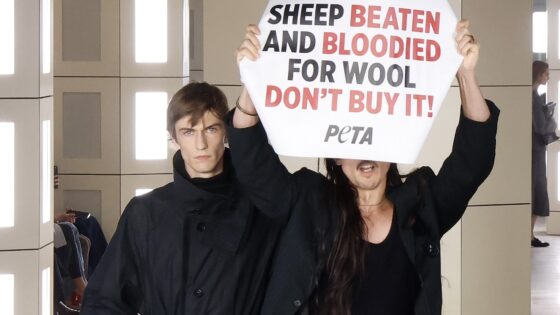
The altercation that catalyzed Kolb’s resignation occurred amid the bustling backdrop of New York Fashion Week, an event that annually draws thousands of designers, models, buyers, and journalists to Manhattan. During one of the week’s high-profile runway shows, a demonstration organized by animal rights activists gathered outside the perimeter to protest the continued use of fur, exotic skins, and other animal-derived materials in contemporary collections.
According to eyewitness accounts and digital video footage captured at the scene, the demonstration escalated from verbal chanting into a physical and emotional confrontation when activists approached attendees and organizers. Kolb, who was on-site to oversee CFDA operations and support participating designers, stepped into the fray. What began as an attempt to manage the crowd and secure entryways deteriorated into a direct verbal and physical clash between the executive and members of the protest group.
While details regarding the exact sequence of physical contact remain a subject of scrutiny, the fallout was instantaneous. Video clips of the confrontation were rapidly amplified online, sparking a wave of public debate. Critics from animal welfare organizations condemned Kolb’s actions as unbecoming of a prominent industry leader, while some defenders argued that event organizers were under immense pressure to maintain security and protect guests from aggressive harassment. Regardless of the differing perspectives, the optics of the head of the United States’ premier fashion governing body engaging in a physical street altercation proved politically untenable for the organization’s board of directors.
Chronology of Leadership and Escalating Industry Pressures
Steven Kolb’s tenure at the CFDA has been characterized by significant growth, modernization, and advocacy. Joining the organization in 2006 as chief operating officer before ascending to the role of CEO in 2011, Kolb oversaw numerous initiatives designed to elevate American design on the global stage. Under his leadership, the CFDA expanded its support for emerging talent through the CFDA/Vogue Fashion Fund, spearheaded vital philanthropic efforts such as Fashion Targets Breast Cancer, and successfully navigated the unprecedented disruptions of the COVID-19 pandemic by pivoting toward digital-first runway presentations.
However, the modern fashion landscape has also grown increasingly fraught with ideological battles. Over the past decade, pressure from environmental and animal rights groups has intensified significantly. Organizations such as PETA (People for the Ethical Treatment of Animals) and Direct Action Everywhere have increasingly targeted high-profile fashion weeks globally, demanding total bans on fur and leather.
The timeline of growing friction leading up to the September 2026 resignation highlights a shifting industry paradigm:
- 2018–2020: A wave of major luxury houses—including Gucci, Chanel, Versace, and Prada—announce bans on fur, putting pressure on American counterparts to follow suit.
- September 2021: NYFW returns to in-person formats post-pandemic, immediately met with renewed, highly organized protests focusing on sustainable practices and ethical material sourcing.
- 2023–2025: Activism becomes more disruptive, with protesters frequently storming runways in London, Milan, Paris, and New York. The CFDA attempts to balance the creative freedoms of its diverse membership with the demands of sustainable advocates.
- September 2026: The boiling point is reached during the spring/summer preview week in New York, culminating in the protest clash involving Kolb and his subsequent departure.
Reactions from Industry Stakeholders and Advocacy Groups
The sudden departure of a chief executive of Kolb’s stature has sent shockwaves through the global fashion community. Stakeholders ranging from independent designers to corporate retail executives have expressed mixed reactions, reflecting the deep polarization surrounding the intersection of high fashion and ethical activism.
Representatives from animal welfare organizations were vocal following the announcement of Kolb’s resignation. In statements released shortly after the news broke, activist groups framed the event as a moral victory and a sign that leadership in the fashion sector can no longer ignore public demand for ethical accountability. "The era of turning a blind eye to cruelty for the sake of haute couture is coming to an end," a spokesperson for the coalition stated. "Incidents like the one witnessed at New York Fashion Week demonstrate that the old guard is increasingly out of touch with modern ethical standards."
Conversely, many within the traditional fashion establishment expressed regret over the circumstances of Kolb’s departure, emphasizing his decades of dedicated service and tireless advocacy for American designers. Colleagues noted that Kolb was an instrumental figure in championing diversity, equity, and inclusion within the industry, as well as providing crucial financial and logistical relief to small businesses during economic downturns.
"Steven Kolb has been the backbone of American fashion for nearly twenty years," noted one prominent New York-based designer who requested anonymity. "While the industry certainly faces valid criticisms regarding sustainability and ethics, losing a leader of his institutional knowledge and administrative capability under such volatile circumstances is a significant blow to the CFDA."
Supporting Data: The Shifting Economics of Ethical Fashion
The controversy surrounding Kolb’s exit does not exist in a vacuum; it is reflective of profound structural shifts within consumer markets and manufacturing supply chains. Data from leading market research firms indicates a massive pivot in consumer preferences, particularly among Gen Z and millennial demographics, who now command significant purchasing power.
According to a 2025 global fashion consumer report by McKinsey & Company:
- 73% of consumers state that environmental and ethical sustainability is an important factor when making apparel purchasing decisions.
- Over 65% of luxury shoppers surveyed indicated they would actively boycott brands that fail to transparently address animal welfare and material sourcing in their supply chains.
- The global market for alternative, plant-based, and lab-grown materials—including mushroom leather, recycled plastics, and lab-cultivated silk—has expanded at a compound annual growth rate (CAGR) of over 18% since 2021.
These figures illustrate the commercial imperative driving the pressure on organizations like the CFDA. Designers are increasingly forced to balance traditional craftsmanship, which has historically relied on luxury animal materials, with the commercial necessity of appealing to a consciously driven consumer base.
Broader Impact and Implications for the CFDA
As the Council of Fashion directors prepares to navigate the transition period following Kolb’s resignation, the organization faces a critical juncture. The immediate priority for the board of directors will be appointing an interim leader capable of steadying the ship while launching a comprehensive global search for a permanent CEO.
Beyond leadership restructuring, the incident serves as a cautionary tale for executive management across the retail and luxury sectors. As public demonstrations become more frequent and emotionally charged, corporate leaders are increasingly required to undergo specialized conflict de-escalation training and adopt proactive communication strategies to manage public relations crises.
Furthermore, the CFDA must grapple with its institutional stance on sustainability and ethics. While the council has previously encouraged sustainable practices through mentorship and educational programs, industry observers suggest that the organization may now need to adopt a much more assertive, formalized policy regarding animal-derived materials to appease both public critics and progressive members of its own design community.
Ultimately, Steven Kolb’s departure marks the definitive closing of a chapter where fashion executives could remain insulated behind the velvet ropes of exclusive runway shows. The evolving relationship between high fashion, street-level activism, and corporate accountability demands a new style of leadership—one equipped to navigate the turbulent intersection of commerce, culture, and conscience on the global stage.