The Professionalization of the Creator Economy and the Evolution of Social Strategy in Global Fashion


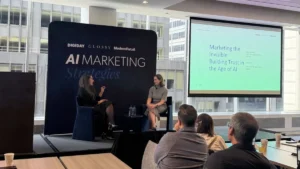
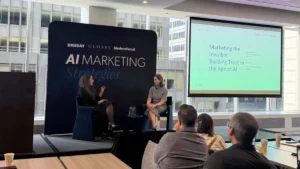
The rapid transformation of the digital landscape has forced a fundamental recalibration of how global fashion brands approach marketing, consumer attention, and the burgeoning creator economy. As traditional advertising metrics—such as impressions and basic engagement—lose their efficacy, industry leaders are pivoting toward a more sophisticated model that treats creators not merely as influencers, but as independent media enterprises. This shift, highlighted by recent discussions at industry forums like Cannes Lions, reflects a broader move toward an "attention economy" where brands must compete for a finite share of consumer mental space against a backdrop of synthetic media and algorithmic complexity.
The Shift from Hero Assets to Cultural Ecosystems
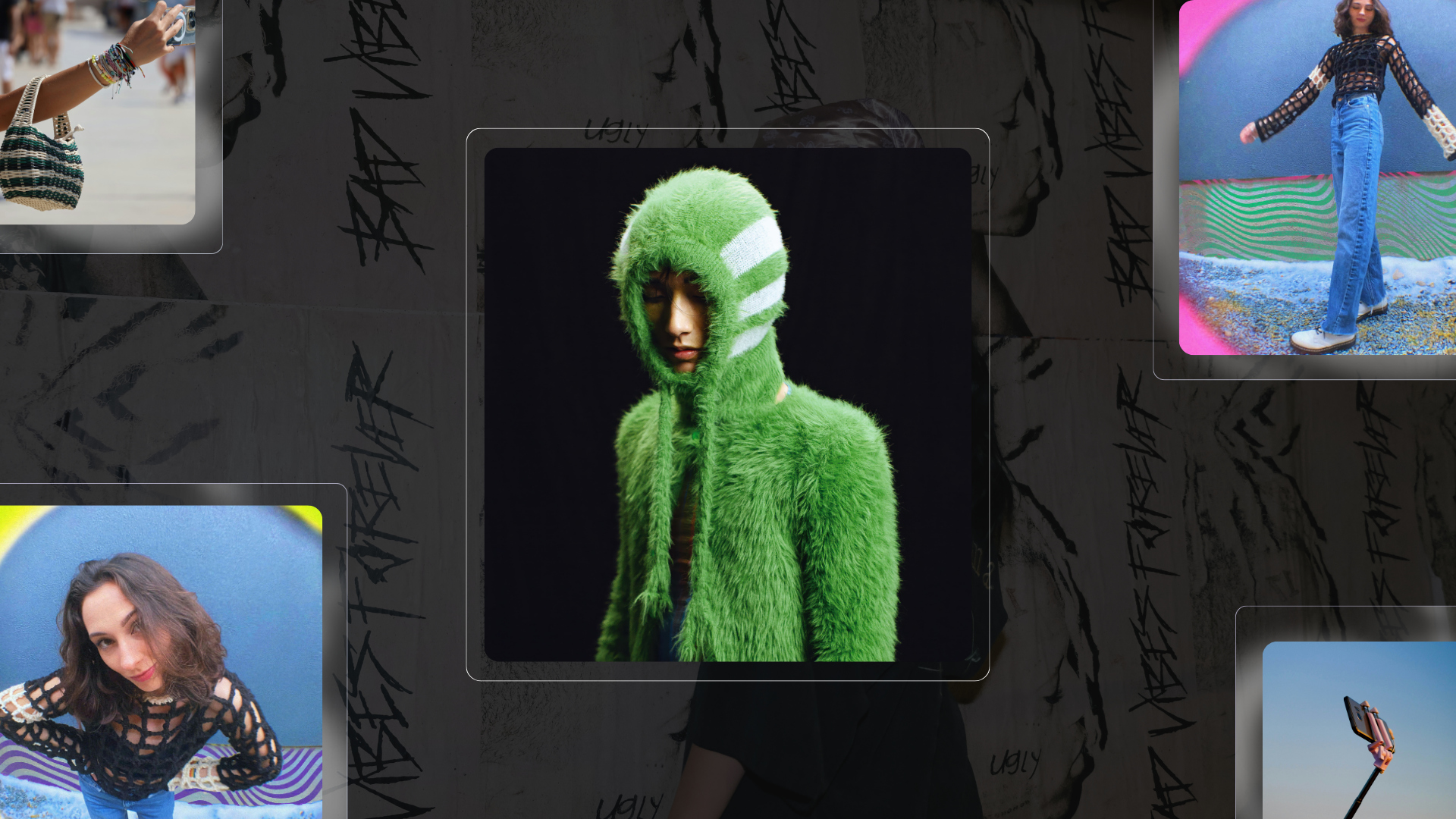
Historically, the fashion industry adhered to a top-down content strategy: brands would develop high-production "hero" assets for broadcast or digital campaigns and subsequently repurpose these into smaller, fragmented clips for social distribution. However, this model is increasingly viewed as antiquated. Industry analysts now advocate for the development of "cultural ecosystems," where a brand’s story is told through a vast array of interconnected moments rather than a single, monolithic message.
This transition acknowledges that consumer journeys are no longer linear. A modern customer may discover a brand through a peer-to-peer recommendation in a group chat, a niche product review, or an algorithmic discovery on a vertical video platform. By shifting from a singular hero deliverable to a decentralized, multi-touchpoint strategy, brands can maintain consistency without relying on the repetitive, splintered content that often alienates sophisticated digital audiences.
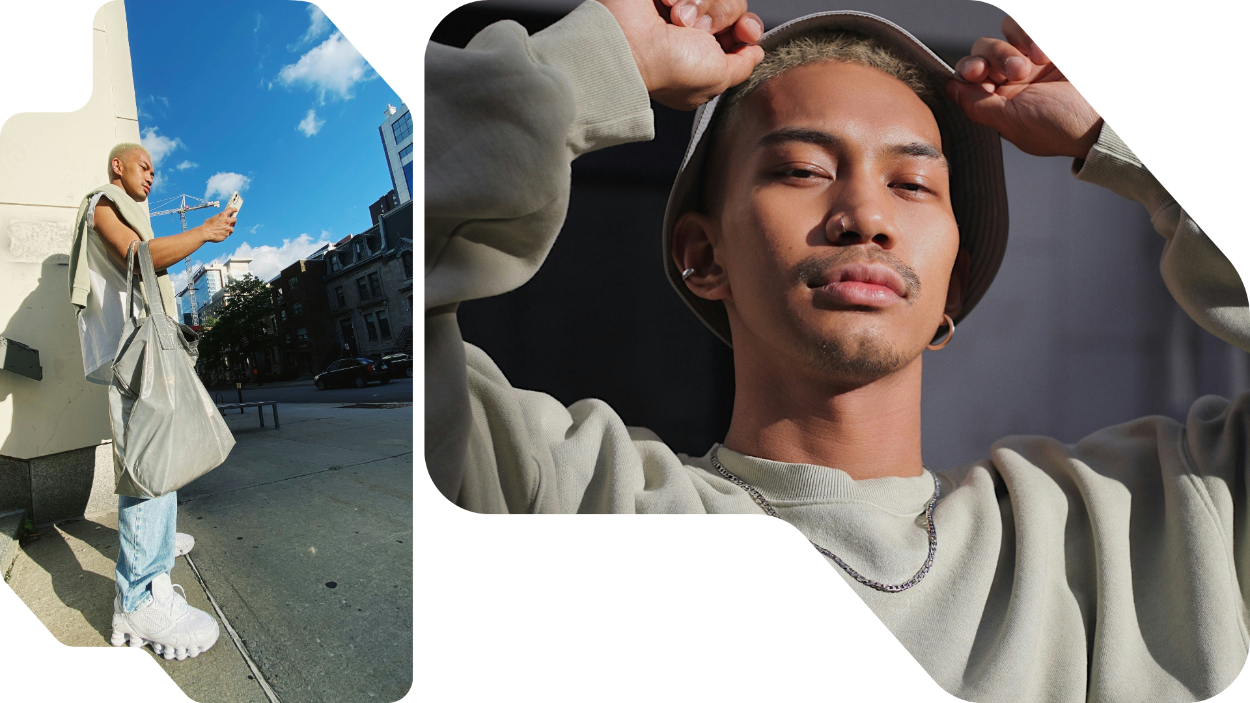
The Rise of the Creator-as-Business
The professionalization of the creator economy marks a definitive departure from the "Wild West" era of early influencer marketing. Today, top-tier creators operate with the infrastructure of traditional media houses. This includes dedicated production teams, legal counsel, strategic advisors, and robust intellectual property portfolios.
Data from the industry indicates that this formalization is not merely a trend but a structural necessity. As creator-led businesses grow—evidenced by substantial valuations and the entry of financial institutions like BNP Paribas into the creator-services market—the relationship between brands and creators is evolving from a transactional placement to a complex strategic partnership. Brands are increasingly required to provide clear creative briefs and guardrails, ensuring that authenticity is treated as a core component of the brand-consumer relationship rather than a commodity to be purchased.
The Role of Artificial Intelligence and Synthetic Media
The integration of artificial intelligence into creative workflows has introduced both opportunities and risks for fashion retailers. While AI offers the potential for hyper-personalization, localization, and industrial-scale production, it has also raised significant concerns regarding consumer trust and the "monoculture" effect, where algorithmic curation forces content to regress to a generic mean.
The industry response to these challenges is bifurcated. On one hand, brands are leveraging AI to regionalize campaigns—adjusting content to feature diverse models or localized environments that resonate more deeply with specific demographics. On the other hand, there is a growing emphasis on human-authored, long-form content to provide a counterweight to the proliferation of snackable, synthetic media. As large language models (LLMs) and AI-driven search engines begin to dominate how consumers discover information, brands are now tasked with optimizing their presence to remain relevant within these new, automated discovery layers.

Measuring Success in a Post-Impression Era
The debate over return on investment (ROI) remains the most contentious issue in digital strategy. Traditional attribution models, which rely heavily on direct conversion tracking or immediate click-through rates, often fail to account for the "long tail" of creator impact. Research by the Institute of Practitioners in Advertising (IPA) suggests that influencer marketing exerts a significant, long-term influence on brand perception and consideration, often manifesting weeks or months after the initial exposure.
To accurately measure this, agencies are increasingly adopting holistic frameworks that look beyond engagement metrics. These include:

- Behavioral Signals: Measuring save-rates, search volume, and the velocity of content sharing in private channels (e.g., direct messages).
- Perception Shifts: Using qualitative studies to track changes in brand association and market positioning.
- Participation Metrics: Analyzing how content inspires consumer action, such as visiting a physical store or utilizing tools like Google Lens to research products seen in social posts.
Future-Proofing for Gen Alpha and Beyond
As social media platforms face increased regulatory scrutiny and a potential backlash against algorithmic curation, the industry must prepare for a generation—Gen Alpha—that may prioritize in-person experiences and community-based interactions over traditional parasocial digital relationships.
The strategy for this demographic is unlikely to rely on social media presence alone. Instead, brands are experimenting with "phygital" experiences that bridge the gap between physical events and digital sharing. The challenge for modern agencies is to build frameworks that allow brands to remain agile, enabling them to move alongside shifting consumer behaviors, regardless of whether those behaviors manifest on existing platforms, within virtual environments, or in physical spaces.
Strategic Implications for Retailers
For fashion brands, the imperative is clear: the era of passive social media participation is over. To remain competitive, organizations must:
- Embrace Risk-Taking: Within the confines of rigorous due diligence, brands must be willing to experiment with new formats and creator partnerships that offer genuine, rather than manufactured, engagement.
- Prioritize Meaningful Attention: Move away from volume-based KPIs and toward metrics that reflect the quality of the time a consumer spends with the brand.
- Invest in Infrastructure: Whether by partnering with agencies or developing in-house capabilities, brands must formalize their operational approach to creators, ensuring that collaborations are underpinned by clear strategic objectives and ethical standards regarding disclosures and AI usage.
As the industry navigates this period of flux, the distinction between "advertising" and "social" will continue to blur. The winners in this new economy will not necessarily be those with the largest budgets for programmatic distribution, but those who can most effectively earn a meaningful, lasting role in the digital and physical lives of their consumers. The focus is shifting from simply being seen to being sought out, a change that requires a fundamental rethink of what it means to lead in the digital fashion landscape.