The Evolution of Wearable Technology and the Future of Retail Personalization

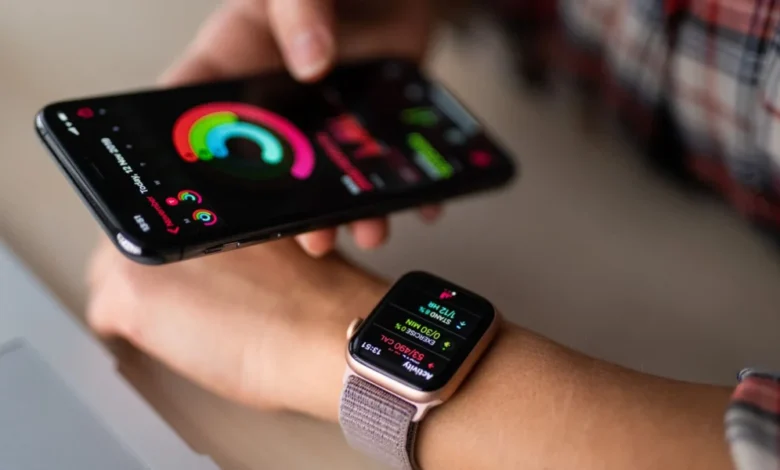
The trajectory of wearable technology has transformed from a niche hobbyist interest into a cornerstone of the modern consumer experience. Since the introduction of the first generation of Fitbit trackers in the late 2000s, which effectively transitioned fitness monitoring from clinical laboratories to the wrists of everyday users, the ecosystem has undergone a radical expansion. This growth has been catalyzed by the seamless integration of smartphone connectivity, turning devices once used solely for step-counting into sophisticated hubs for digital interaction. Current industry valuations place the global wearables market at approximately $103.1 billion, with projections indicating a meteoric rise to $229.9 billion by 2033. This growth trajectory reflects a fundamental shift in how consumers interact with their own biometric data and, by extension, how retailers engage with their customers.
A Chronology of Integration: From Pedometer to Platform
To understand the current retail landscape, one must view the evolution of wearables as a three-stage progression. The first stage, spanning roughly 2008 to 2014, was defined by "active tracking." During this period, devices were largely monolithic, serving the single purpose of recording physical movement. The consumer utility was limited to personal accountability and basic activity logging.
The second stage emerged around 2015 with the launch of the Apple Watch and similar sophisticated devices. This phase introduced "multimodal utility," where the wearable became an extension of the smartphone. Suddenly, the wrist became a point of contact for notifications, mobile payments through platforms like Apple Pay, and basic health metrics like heart rate monitoring. It was here that the retail potential was first glimpsed: the device became a tool for authentication and transaction, not just observation.
We are now firmly in the third stage: "contextual intelligence." In this current era, wearables function as active data streams that provide retailers with a real-time window into a customer’s lifestyle. When one in three iPhone owners in the United States currently wears an Apple Watch, the potential for retailers to move beyond generic marketing toward hyper-personalized, context-aware service becomes immense. The device is no longer just a fitness tracker; it is a gateway to personalized loyalty schemes, biometric-led recommendations, and predictive shopping.
The Wellness Economy as a Retail Catalyst
The integration of wearable data into retail strategies is not occurring in a vacuum; it is being propelled by a massive shift in consumer priorities. McKinsey & Company data values the global wellness industry at approximately £2 trillion, a figure that continues to climb as wellness is redefined from a corrective measure to a proactive lifestyle choice.
This shift is particularly pronounced among younger cohorts. For Gen Z and Millennials, the traditional gym-going experience—often viewed by previous generations as a chore—has been replaced by a social, community-driven approach to health. The Kyra Gen Z State of Beauty 2024/2025 report highlights the depth of this commitment, noting that 80% of Gen Z consumers in the UK and the US now incorporate between one and six supplements into their daily regimens. When 84% of consumers across the UK and US identify wellness as a top priority in their daily lives, the incentive for retailers to align their brand identity with health-conscious values becomes a matter of survival.
For the retail sector, this creates a unique opening. Sports and outdoor apparel retailers, for example, can now leverage activity data—with user consent—to suggest equipment upgrades exactly when a customer’s performance metrics indicate they are ready for a new challenge. Grocery retailers are beginning to experiment with health-focused offers that align with a shopper’s specific nutritional goals, while beauty brands are exploring the use of biometric stress or sleep data to provide personalized skincare regimens that react to the customer’s internal and external environment.
Navigating the Data Privacy Paradigm
Despite the obvious commercial advantages, the transition toward a data-integrated retail model is fraught with structural and ethical challenges. Privacy remains the primary barrier. Wearable data is highly personal, and consumers are increasingly protective of their biometric information. Retailers cannot simply access this data; they must earn the right to it through trust and transparent value exchange.
This has necessitated a shift in the corporate landscape toward strategic partnerships. Rather than attempting to build their own wearable hardware or data infrastructure, many retailers are opting to integrate with established fitness platforms and connected technology providers. The Nike and Apple collaboration serves as the industry gold standard; it combines tracking, personalized coaching, and commerce into a single, seamless user experience. Similarly, the insurance sector, led by companies like Vitality, has demonstrated how wearable data can be used to reward healthy behaviors through partnerships with hardware manufacturers like Garmin and Apple.
These alliances underscore a critical trend: the convergence of health, retail, and customer engagement. As the market matures, the competitive advantage will no longer belong to those who collect the most data, but to those who possess the technological and analytical capability to turn consented insights into genuinely meaningful customer experiences.
Industry Dialogue at CustomerX 2026
The complexity of these issues requires a multi-disciplinary approach, bringing together experts from retail operations, health-tech, and consumer psychology. This cross-sector dialogue will be the primary focus of CustomerX 2026, held on 14-15 October at Olympia London. The event is designed to address the practicalities of how brands can navigate the transition from traditional commerce to integrated, data-driven relationships.
A centerpiece of the conference will be the panel discussion titled "Beyond the Wearable: Turning Personal Data into Everyday Customer Relationships." The panel features industry leaders including Leila Thomas, who spearheads Health & Wellness Solutions at Holland & Barrett; Matthew Dijkstra, the Chief Customer Officer at Vitality; and Michelle Ripley, IT Director at Third Space. Their collective expertise represents the three pillars of the current revolution: retail strategy, insurance/behavioral incentives, and high-end fitness environments.
The panel is tasked with answering fundamental questions that define the current retail era: How can retailers move beyond the "privacy hurdle" to create a genuine value exchange? What are the technological benchmarks for turning a heart rate metric into a product recommendation that feels helpful rather than intrusive? And how do brands maintain loyalty when the barrier between the consumer’s private health life and the public retail sphere continues to dissolve?
Analytical Implications for Future Commerce
Looking ahead, the implications for the broader retail sector are clear. The "wellness-retail" nexus is likely to become the new baseline for customer experience. Brands that fail to integrate their services into the daily rhythm of their customers—as measured by their wearable devices—risk losing relevance to competitors who are already doing so.
However, the success of this strategy relies heavily on the "consent-first" model. As regulatory environments regarding data privacy tighten globally, brands must ensure that their use of biometric data is not only technically compliant but also culturally sensitive. The winners of the next decade of retail will be those who can demonstrate that their use of wearable data provides a tangible benefit to the consumer, such as improved health outcomes or saved time, rather than merely serving as an additional layer of targeted advertising.
The gathering at Olympia London in 2026 will be a critical litmus test for these strategies. As the industry convenes to discuss the integration of hardware, software, and human behavior, it is clear that the future of retail is no longer just about the products on the shelf. It is about the data that travels with the customer, and the ability of the retailer to meet that customer exactly where they are—whether they are at the gym, in the grocery aisle, or managing their wellness goals from home. The shift is well underway, and for those who successfully navigate the intersection of health and commerce, the potential for deepened loyalty and increased customer lifetime value is unprecedented.