The Architecture of Scent: Understanding the Chemistry, Composition, and Selection of Modern Men’s Fragrances

The global men’s fragrance market has undergone a profound transformation over the past two decades, shifting from generic alcohol-based splashes to sophisticated, chemically engineered olfactory architectures. Much like the urban skylines of New York or London—where historic façades conceal modernized, high-performance interiors—the contemporary cologne landscape relies on a permanent foundation of legacy pillars while continuously introducing modernized formulations and high-concentration variants.
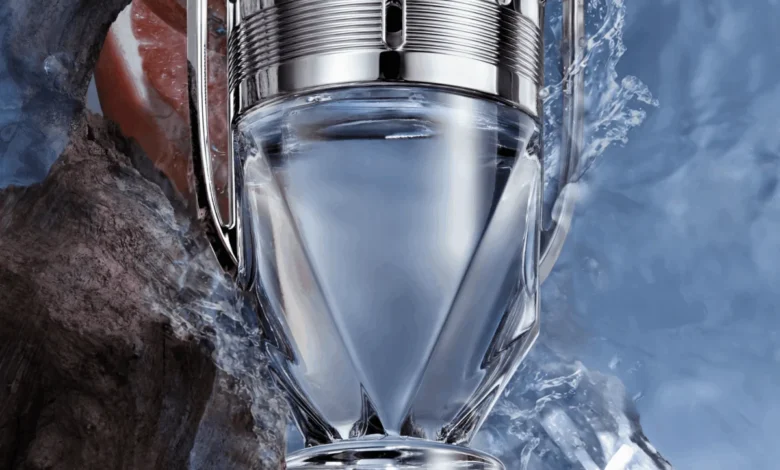
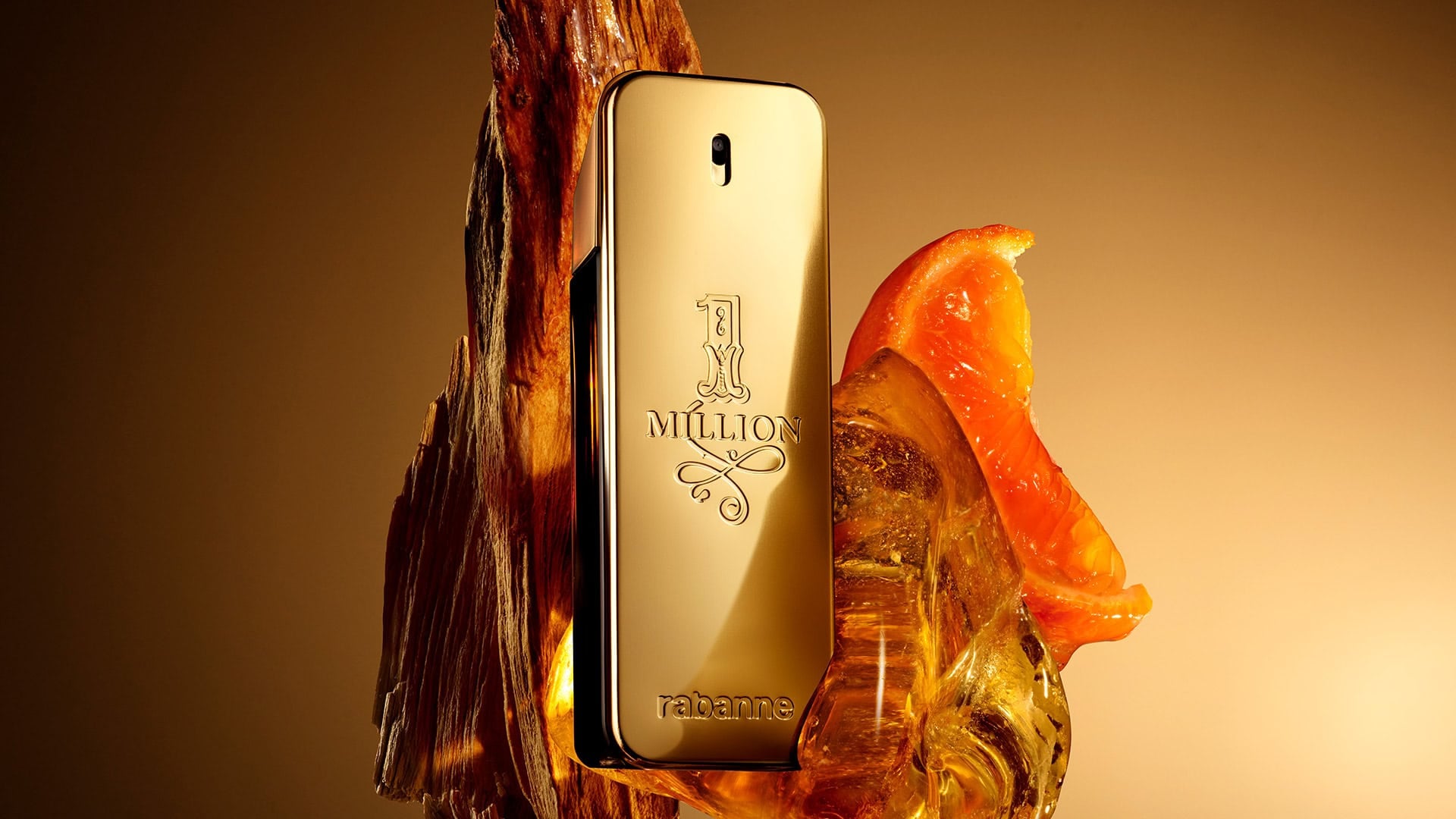
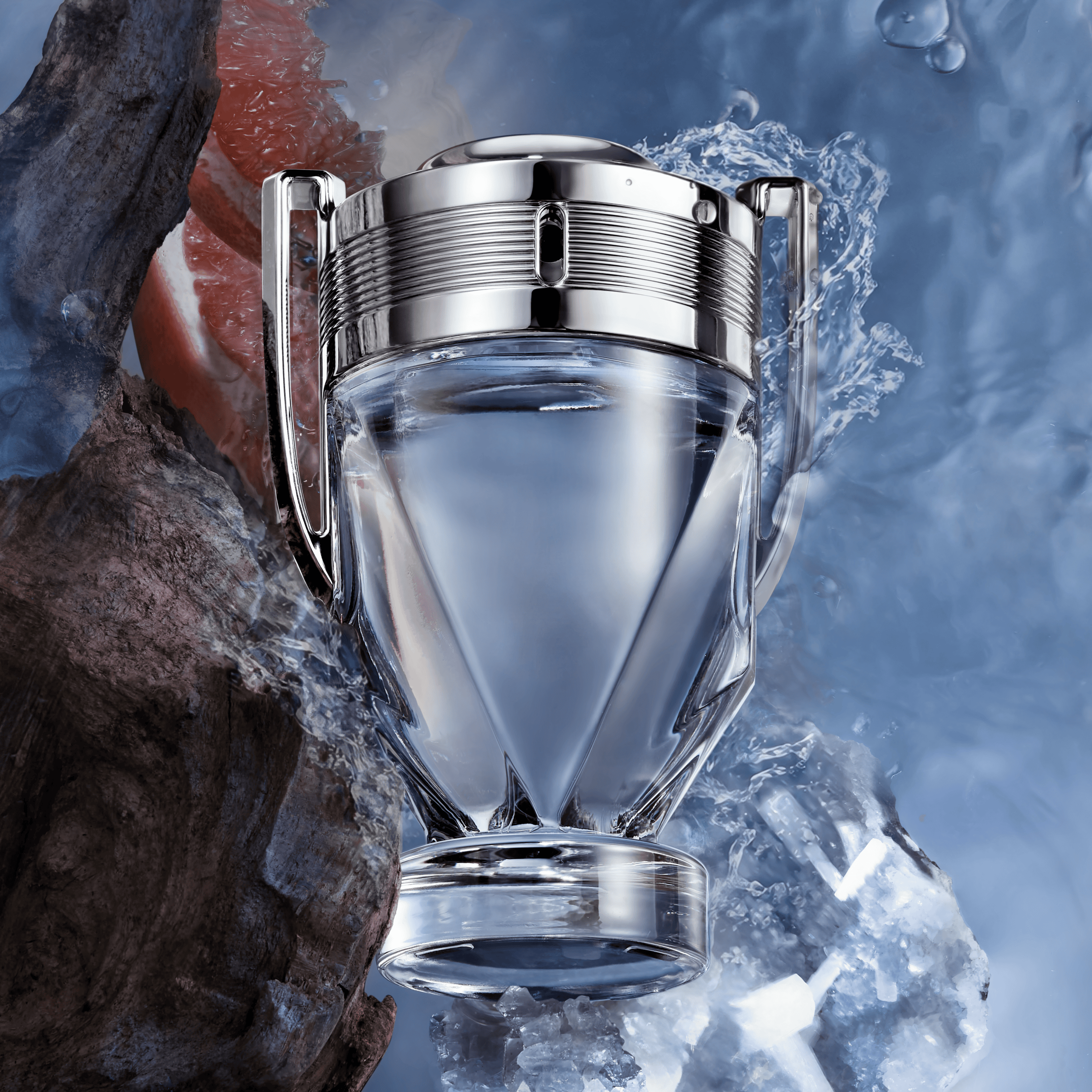
Industry benchmarks such as Rabanne’s 1 Million Eau de Toilette, housed in its iconic gold bar vessel, and Invictus Eau de Toilette, recognized by its trophy silhouette, illustrate this enduring dynamic. First introduced to capture specific demographic shifts toward bold, high-projection profiles, these formulations continue to dominate retail charts. However, consumer interest has increasingly pivoted away from pure brand allegiance toward a deeper understanding of the underlying science: skin chemistry, molecular weights, fragrance concentrations, and the precise mechanics of the fragrance pyramid.
The Anatomy of a Great Cologne: The Fragrance Pyramid
To understand why a fragrance behaves unpredictably on skin—or why one formulation fades by midday while another lingers past dusk—consumers must examine the structural blueprint utilized by master perfumers. Every successful designer cologne is constructed around a tiered model known as the fragrance pyramid, which dictates the chronological release of volatile compounds.
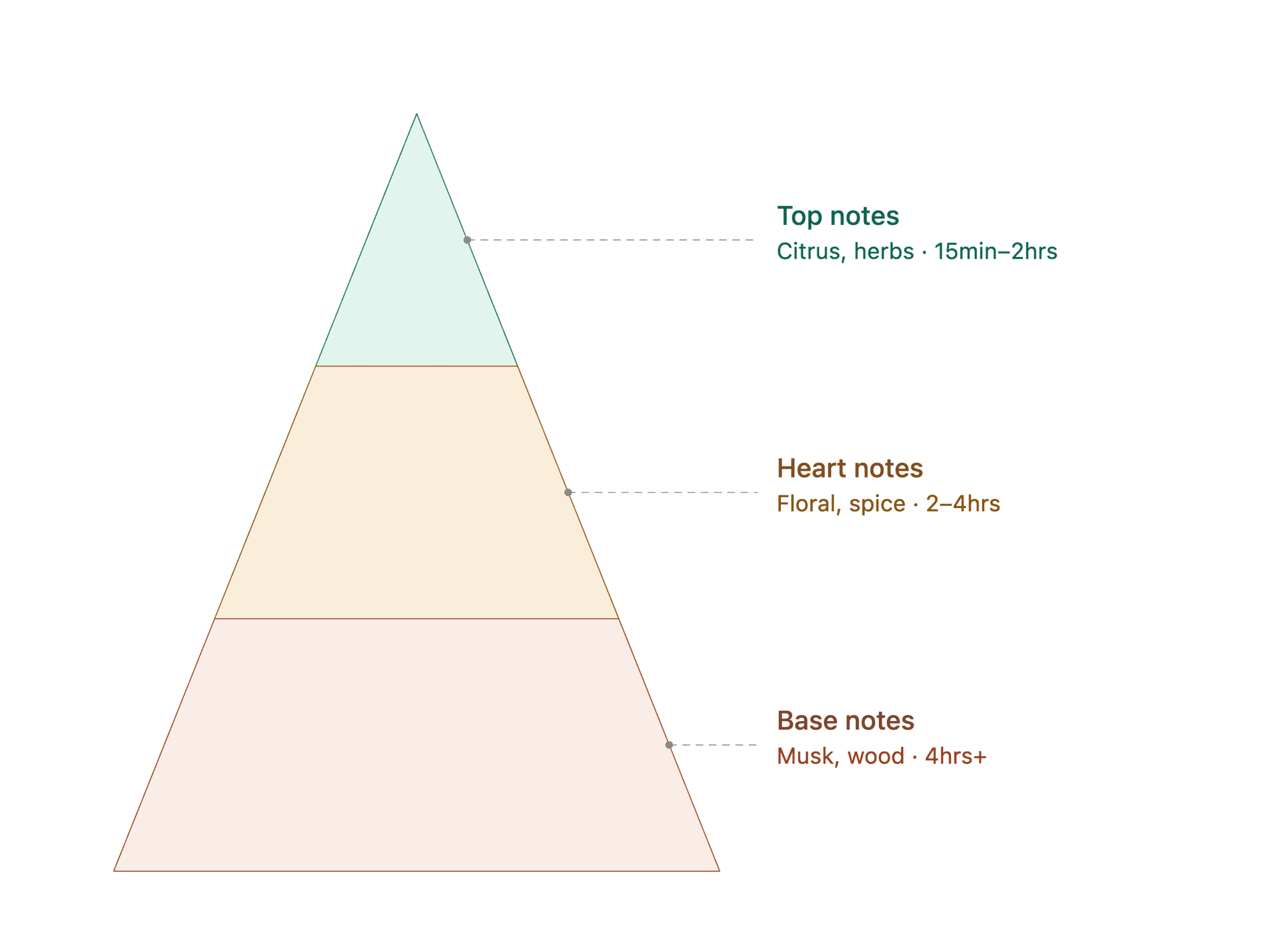
The pyramid comprises three distinct phases:
- Top Notes: Comprising the most volatile compounds, these light molecules provide the immediate first impression. Typically characterized by citrus elements like bergamot and blood mandarin, or herbaceous components such as peppermint and sage, top notes hit the olfactory receptors instantly upon application. However, due to their high volatility, they evaporate within 15 to 30 minutes.
- Heart (Middle) Notes: Emerging as the top notes dissipate, the heart forms the core expression of the fragrance. Lasting anywhere from one to five hours, these notes generally incorporate florals, spices—such as cinnamon and cardamom—or mid-weight woods. They bridge the gap between the initial brightness and the heavier foundation.
- Base Notes: Acting as the backbone of the composition, base notes possess heavy molecular weights that allow them to linger for hours, frequently lasting 10 to 12 hours or extending into the following day. Ingredients such as amber, leather, benzoin, musk, oud, and patchouli anchor the scent. When paired with heavy resins, these materials demonstrate exceptional longevity, often performing best in elevated ambient temperatures where skin warmth aids diffusion.
Perfumers emphasize that consumers should never judge a fragrance solely by its top notes. The true character of a scent emerges during the dry-down phase, hours after application, when the base notes fully interact with the wearer’s epidermis.
Concentration Classifications: From Eau de Cologne to Extrait
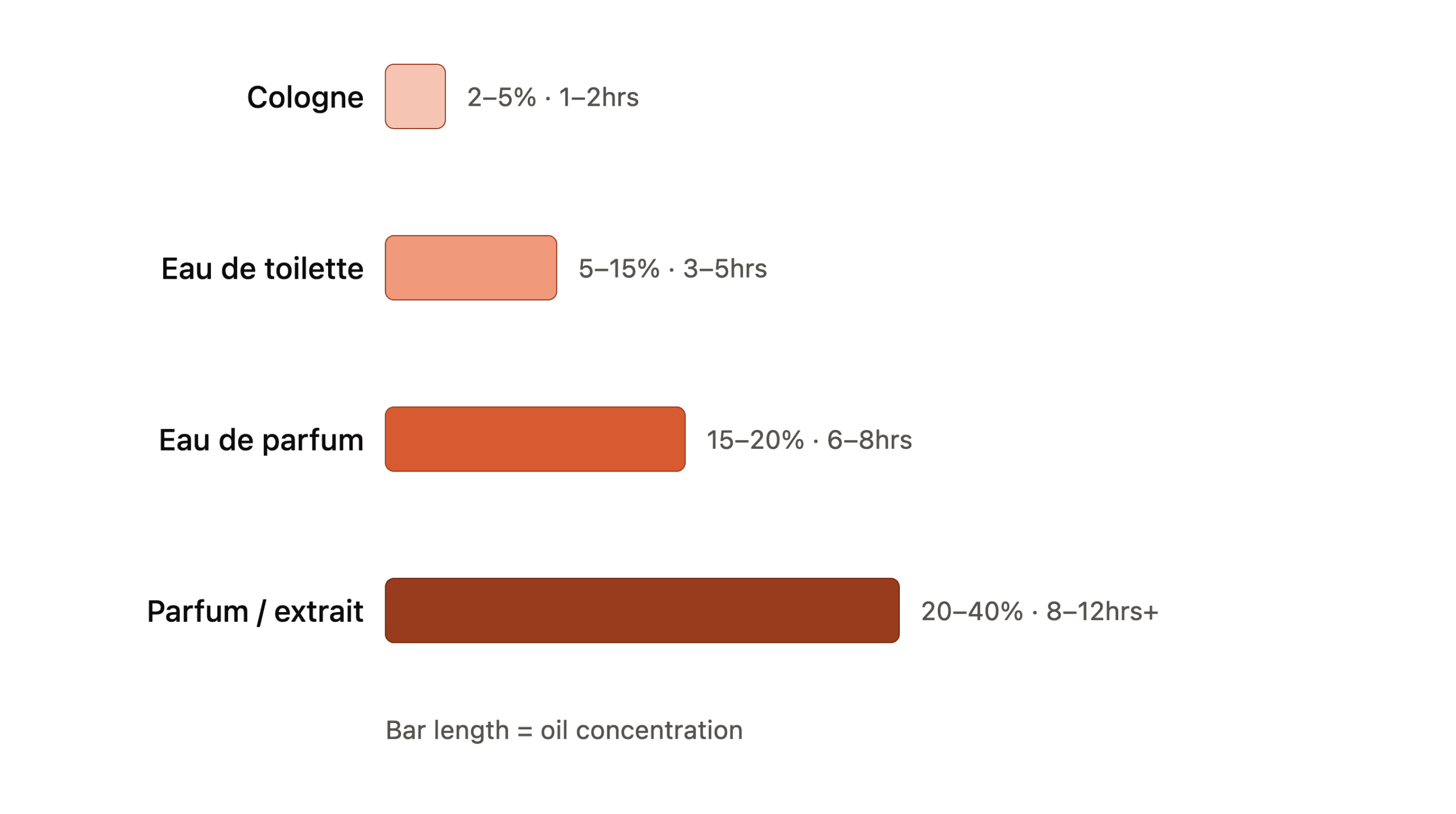
Beyond raw ingredient selection, a fragrance’s performance is fundamentally governed by its concentration—the ratio of aromatic fragrance oils suspended in an alcohol and water base. Understanding these tiers allows consumers to select formulations suited to specific environments, dress codes, and climate conditions.
- Eau de Cologne (EDC): Featuring the lowest concentration of aromatic oils, typically between 2% and 5%, EDC formulations offer light, fleeting freshness suitable for frequent reapplication throughout the day.
- Eau de Toilette (EDT): Sitting at a concentration of 5% to 15%, EDTs represent the industry standard for daytime wear. They typically project strongly for the first hour and maintain presence for three to five hours on the skin.
- Eau de Parfum (EDP): Ranging from 15% to 20% concentration, EDPs deliver a richer scent profile with an expected wear time of six to eight hours. Labels bearing terms like "Intense" or "Elixir" generally signify high-end EDP formulations or boundary entries into pure parfum territory.
- Parfum / Extrait de Parfum: Containing between 20% and 40% fragrance oil, these formulations represent the highest commercial concentration available. They deliver profound depth, extended sillage, and longevity ranging from 8 to 12 hours or more, making them ideal for evening wear, cold weather, and formal occasions.
Sillage Versus Longevity: The Physics of Projection
In fragrance terminology, two distinct metrics determine how a scent is experienced by those nearby: sillage and longevity. Sillage—derived from the French word for the wake left by a boat—refers to the scent trail a wearer leaves behind as they move through a physical space. High-sillage fragrances project aggressively, ensuring immediate recognition upon entering a room. Conversely, longevity measures the sheer staying power of the fragrance molecules bound to the skin before complete dissipation.
Fragrance experts note an inverse relationship between heavy projection and skin attachment in certain formulations. A fragrance may utilize volatile top notes that project heavily during the first 60 minutes but disappear entirely by mid-afternoon, whereas a resinous, low-projection base can sit close to the skin for half a day. Selecting the appropriate balance depends entirely on context; professional indoor environments, such as corporate offices, generally require moderate sillage and solid longevity, whereas evening events accommodate more expansive projection.
Raw Materials and Formulation Chemistry
The global supply chain for luxury perfumery relies on essential oils sourced from diverse geographic regions, synthesized into complex accords by master noses. For instance, the creation of 1 Million involved a collaborative team of perfumers including Christophe Raynaud, Olivier Pescheux, and Michel Girard, while Invictus was developed by Veronique Nyberg, Anne Flipo, Olivier Polge, and Dominique Ropion.
The architectural integrity of these scents depends on distinct families of raw materials:
- Citrus and Aromatic Dynamics: High-impact openings utilize bergamot, grapefruit, and mint to project immediate vitality. Invictus pairs grapefruit with marine accords to generate an athletic freshness, while 1 Million employs sweet blood mandarin.
- Warming Spices: Cinnamon, pink pepper, and cardamom add structural complexity to the heart of a fragrance. 1 Million utilizes a prominent cinnamon note to establish its signature luminous warmth.
- Earthy Woods and Resins: Cedar, patchouli, vetiver, and oud form the bedrock of masculine perfumery. Ingredients like labdanum, benzoin, tonka bean, and ambroxan provide the sweet, resinous depth necessary for a successful dry-down.
- Leather and Tobacco: Supple leather and cured tobacco impart tactile luxury and modern elegance, anchoring the base notes of opulent evening fragrances.
The Skin Chemistry Variable: Why Scent is Individualized
A frequent consumer observation is that an identical fragrance smells distinctly different when applied to two different individuals. This variance is governed by human skin chemistry, epidermal pH levels, and physiological traits.
Oily skin types naturally retain fragrance molecules longer, as natural sebum slows the rate of evaporation, yielding superior longevity. Conversely, dry skin absorbs volatile compounds rapidly, causing scents to fade prematurely—a issue that can be mitigated by applying a neutral, unscented body lotion prior to application. Furthermore, dietary habits, internal hydration, and body wash formulations can subtly shift skin pH, altering the trajectory of a fragrance’s evolution.
Application technique also dictates performance. Fragrances should be applied to pulse points—such as the neck, behind the ears, and the chest—where body heat naturally diffuses the scent. Industry professionals strongly caution against the common habit of rubbing wrists together after application; the resulting friction generates localized heat that crushes delicate top-note molecules, ultimately distorting the intended structure of the perfume.
Strategic Selection: Matching Scent to Season and Occasion
With thousands of options available on the global market, navigating the fragrance landscape requires a strategic approach aligned with environmental conditions:
- Professional and Daytime Wear: In close quarters, such as open-plan offices, refined woody-aromatic profiles built around cedar, vetiver, or sandalwood offer subtle, inoffensive projection that lasts through a standard workday.
- Warm Weather and Athletic Activity: High temperatures and physical exertion accelerate the evaporation of heavy molecules. Consequently, warm weather calls for clean aquatic-citrus profiles utilizing grapefruit, bergamot, and marine accords at an EDT concentration to prevent the scent from becoming cloying.
- Cold Weather and Evening Occasions: Colder ambient air subdues fragrance projection, making autumn and winter ideal for amber-spicy compositions. Ingredients like cinnamon, labdanum, and tonka bean provide the density and warmth required to project through heavy outerwear and low-light environments.
Market Implications and Industry Growth
The economic vitality of the men’s fragrance sector reflects broader shifts in male grooming and personal care habits, which have seen steady year-over-year expansion globally. Market analysts attribute this resilience to increased consumer sophistication; buyers are no longer purchasing purely on brand name recognition, but are evaluating formulations based on raw material provenance, concentration longevity, and structural balance.
Ultimately, the enduring success of foundational designer pillars alongside niche artisanal releases underscores a mature consumer base. By understanding the underlying architecture of top, heart, and base notes, as well as the physiological interactions of skin chemistry, consumers can navigate the vast array of available colognes to select formulations that align with their personal identity and lifestyle requirements.