The Hair Loss Lab Launches Global Educational Initiative to Combat Misinformation and Hype in the Hair Restoration Industry

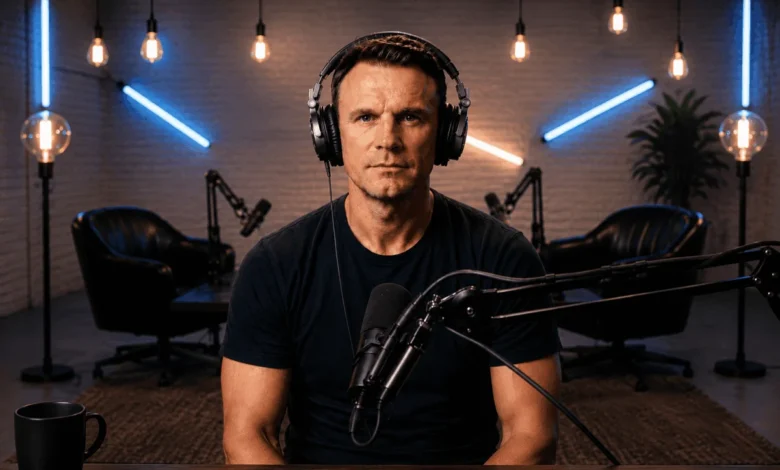
The modern global hair loss industry has long operated in an ecosystem dominated by flashy social media marketing, aggressive sales funnels, and hyperbolic promises that prey on personal insecurity. For millions of individuals experiencing androgenetic alopecia and other thinning conditions, navigating medical, financial, and emotional decisions often requires sorting through a mountain of conflicting, poorly regulated advice. Into this chaotic landscape steps The Hair Loss Lab, a premier educational platform and podcast founded by internationally recognized patient advocate Spencer "Spex" Stevenson. Designed to cut through the noise of quick fixes, the initiative provides sharp, nuanced conversations built around clinical truth, transparency, and patient-first outcomes.
Hair loss is rarely just about hair. Clinical psychologists and researchers frequently emphasize that the psychological toll of thinning locks extends deep into an individual’s identity, self-image, social interactions, and professional confidence. Yet, the commercial infrastructure surrounding hair restoration has historically prioritized rapid client acquisition over comprehensive long-term planning. Clinics offering deeply discounted procedures—particularly in unregulated or loosely regulated medical tourism hubs—frequently leave patients with depleted donor areas, botched surgeries, and profound emotional scars. The Hair Loss Lab was established to counteract this systemic vulnerability by serving as a bridge between respected hair-restoration surgeons, independent researchers, practitioners, ethical patient advocates, and individuals navigating hair loss firsthand.
At the core of the platform’s methodology is a commitment to rigorous, unvarnished discourse. Episodes sidestep commercial sponsorships or superficial promotional content, instead inviting medical professionals and thinkers who have tangible, evidence-based contributions to make. These deep-dive discussions confront uncomfortable industry realities head-on: unnecessary surgical procedures, poorly planned transplants, misleading marketing claims, unrealistic patient expectations, and the long-term emotional and physical costs of disappointing results. By exploring what treatments can realistically accomplish, The Hair Loss Lab equips listeners with the critical thinking skills required to become informed, autonomous medical consumers.
The Genesis and Vision of Spencer "Spex" Stevenson
To understand the ethos of The Hair Loss Lab, one must examine the journey of its founder, Spencer Stevenson. Widely known across global hair loss communities as "Spex," Stevenson understands the complexities of the industry from a perspective few educators share. His personal battle with androgenetic alopecia began at a remarkably young age, propelling him into a frustrating, protracted journey involving numerous hair-transplant procedures. That grueling experience exposed him to both the highest standards of surgical excellence and the absolute worst practices of an unregulated commercial medical marketplace.
Rather than allowing those difficult experiences to define him negatively, Stevenson chose to weaponize his knowledge for the public good. Over the past several decades, he has transitioned into an internationally recognized patient advocate and educator. His lifelong mission has remained consistent: encouraging prospective patients to slow down, conduct meticulous independent research, manage their psychological expectations realistically, and safeguard themselves against avoidable medical mistakes. Through The Hair Loss Lab, Stevenson has successfully curated the exact resource he wishes had been available when his own hair restoration journey began decades ago.
Core Pillars of The Hair Loss Lab Curriculum
The platform is meticulously organized into specialized categories designed to address every dimension of the hair loss experience. This multi-faceted approach ensures that listeners receive a holistic understanding of their options, moving far beyond simple surgical solutions.
The first pillar centers on Hair-Loss Science. Understanding the biological mechanisms behind hair thinning is crucial for effective management. Episodes explore why hair loss occurs, how various dermatological conditions are diagnosed, and what current, peer-reviewed scientific research indicates for future therapeutic breakthroughs.
The second pillar focuses on Hair Transplants, addressing the intricate realities of surgical intervention. Discussions dissect candidacy criteria, surgical planning, donor management, recovery protocols, expected growth timelines, corrective and repair procedures, and the glaring warning signs of an irresponsible or predatory clinic. By emphasizing the importance of donor-hair limitations, the platform highlights why a responsible surgeon must evaluate what a patient’s scalp will look like decades after the initial operation, rather than just focusing on immediate aesthetic gains.
The third pillar investigates Non-Surgical Treatments, exploring both established medical therapies and emerging, cutting-edge approaches designed to maintain, strengthen, and restore hair without entering an operating room.
The fourth and fifth pillars prioritize Patient Experiences and Identity and Confidence. These segments feature unfiltered accounts from individuals who have faced hair loss, undergone successful or failed treatments, experienced severe medical complications, or learned to psychologically reframe their relationship with their appearance. By examining the emotional side of hair loss—the nuanced, deeply personal aspects that rarely appear in clinical before-and-after photographs—the platform validates the very real mental health challenges faced by millions.
Finally, Industry Accountability forms a critical backbone of the platform. By looking past advertising claims and social media filters, guests and hosts analyze how modern clinics, practitioners, medical influencers, and emerging technologies actively shape and sometimes distort patient decision-making processes.
Examining Key Episodes and Industry Case Studies
The platform’s growing library of episodes features provocative, highly educational case studies that challenge conventional industry wisdom. Among the most talked-about discussions is an episode featuring a prominent Miami-based hair-restoration surgeon who famously refused to operate on his own son. The conversation explored one of the most vital, yet routinely ignored, responsibilities in modern medicine: knowing when to say no. By evaluating patient age, progressive hair loss patterns, long-term donor preservation, and the inevitability of future thinning, the episode served as an essential reminder that an ethical medical consultation does not always culminate in a surgical procedure.
Another critical discussion featured Dr. Manish Mittal, who addressed the alarming rise in corrective procedures necessitated by poorly regulated clinics, particularly within regions like the United Kingdom and Turkey. Dr. Mittal detailed the common warning signs of subpar surgical facilities, the technical complexities associated with repairing botched procedures, and why prioritizing low costs and travel convenience over surgical pedigree frequently ruins lives.
Technological evolution also remains a central theme. An episode exploring ForceHT highlighted how advanced planning and visualization tools are actively transforming hair-transplant consultations. These innovations allow patients to better visualize potential outcomes while fostering transparent, data-driven dialogues between surgeons and individuals. Meanwhile, conversations with specialists like Dr. Pablo Cirino have examined non-surgical protocols—such as CRT—evaluating their underlying science, ideal candidate profiles, and the necessity of maintaining realistic expectations regarding non-invasive regrowth.
Furthermore, veteran surgeon Dr. Ken Anderson joined the platform to discuss the principle of responsible patient selection, explaining why ethical practitioners frequently advise prospective patients to wait rather than rush into immediate surgery. Emphasizing the progressive nature of hair loss, Dr. Anderson underscored how strategic long-term planning protects a patient’s finite donor supply over a lifetime.
The Advisory Circle: Broadening Professional Perspectives
To ensure that the platform maintains the highest standards of multi-disciplinary insight, The Hair Loss Lab established "The Circle"—an advisory community bringing together respected contributors from diverse sectors of the restoration field. Members of this coalition include elite hair-restoration surgeons, dermatologists, scalp micropigmentation (SMP) practitioners, dedicated patient advocates, and specialized medical professionals. This collaborative network ensures that every topic is scrutinized from multiple clinical and practical angles, preventing the echo chambers that frequently plague commercialized medical niches.
Implications and Broader Impact on the Medical Consumer
The launch and expansion of platforms like The Hair Loss Lab arrive at a pivotal moment in healthcare consumerism. As direct-to-consumer medical marketing accelerates via digital channels, the boundary between ethical patient education and profit-driven commercial sales continues to blur.
By championing radical transparency, critical inquiry, and patient empowerment, The Hair Loss Lab provides a vital public service. It shifts the power dynamic from the clinic sales desk back to the well-informed patient. Ultimately, the platform’s foundational philosophy remains simple yet revolutionary in a crowded market: the goal of exploring hair loss treatments should never be to find the fastest, cheapest answer, but rather to make an informed, measured decision that the patient will remain comfortable with years into the future.
Related posts: