In Conversation with: Dr. Julia English. Beyond functionality: How repair forces us to slow down and cherish our clothing.

The global fashion industry is currently grappling with an unprecedented waste crisis, driven by the rise of ultra-fast fashion models that prioritize rapid turnover over garment longevity. As textile waste reaches record levels, with the average consumer discarding approximately 30 kilograms of clothing annually, experts are increasingly looking toward circular economy models. Central to this transition is the work of Dr. Julia English, a Swinburne University fashion design lecturer and award-winning researcher. Dr. English posits that the act of repairing clothing is not merely a technical necessity but a critical cultural intervention designed to disrupt the cycle of hyper-consumption.
The Philosophy of Slow Fashion and Repair
The "slow fashion" movement, which advocates for manufacturing processes that are equitable for both workers and the environment, has long emphasized the quality of garments. However, Dr. English argues that the conversation must shift from the point of purchase to the point of maintenance. Repair, in her view, functions as a form of "slow living."
"The lovely thing with repair is that it makes us slow down," Dr. English explains. While modern consumption is defined by instant gratification, the physical act of mending a seam or reattaching a button requires a temporal investment that forces a reassessment of the garment’s value. This practice is inherently nourishing; it transforms a utilitarian object into a cherished possession, effectively extending the lifecycle of the textile and diverting it from the landfill.
Chronology of the Modern Repair Movement
The resurgence of interest in repair is not coincidental. It follows a decade of heightened scrutiny regarding the environmental impact of fashion, particularly the "take-make-waste" model.
- 2015–2018: The initial phase of mainstream discourse focused on sustainable materials and ethical labor. While progress was made, the volume of textile waste continued to grow globally.
- 2019–2021: Academic institutions began formalizing research into circularity. Projects like the "Wear & Care" initiative by RMIT’s PlaceLab gained traction by identifying key barriers to garment longevity, such as minor damages—like missing buttons—that lead to perfectly wearable items being discarded.
- 2022–Present: A shift toward "remake" culture. This period has seen a transition from basic repair to creative upcycling, where consumers are encouraged to view clothing as raw material for new designs rather than disposable commodities.
Data-Driven Insights: The Hidden Cost of Neglect
Research conducted by Dr. English and her peers highlights a significant disconnect between garment viability and consumer behavior. A core finding from the "Wear & Care" study involved interviewing operators of secondhand stores in Melbourne’s Brunswick district. The data revealed a troubling trend: high-quality garments were being rejected or sent to textile recycling simply because of minor cosmetic flaws, such as a missing button.
This creates a paradox where consumers donate clothing intending to be "sustainable," yet their failure to perform simple maintenance renders the donation unsellable. By encouraging households to master basic sewing skills, Dr. English suggests that we can significantly increase the value of secondhand inventory, thereby stabilizing the circular economy.
Bridging the Skill Gap: From Fear to Competence
Many consumers view garment maintenance as a daunting, specialized skill. Dr. English addresses this by categorizing repair into two distinct pathways: functional maintenance and creative expression.
For the novice, the recommendation is to prioritize function. "Sewing on a button is a prime example," she notes. "If the button is on, the button is on." This de-mystification of sewing is essential for normalization. By starting with items that carry less sentimental or monetary value—such as loungewear—consumers can build confidence without the anxiety of damaging a precious piece.
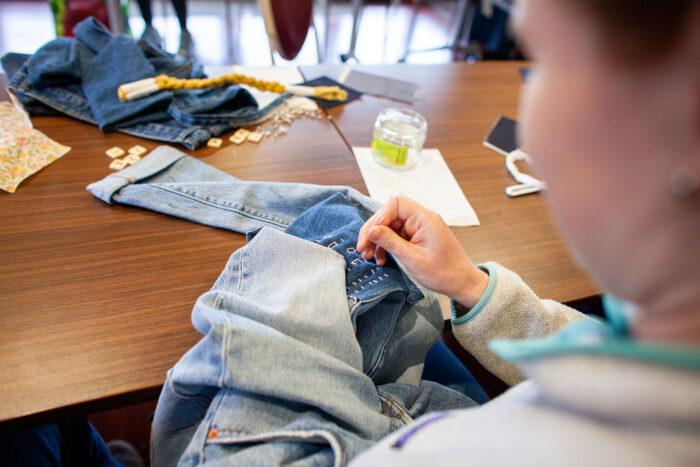
Once functional competence is established, the practice can transition into a creative hobby. This involves using iron-on patches, visible mending, or embroidery to personalize items. This shift is crucial; when a garment becomes a creative project, the user develops a deeper emotional attachment, which is the strongest deterrent against future disposability.
The Structural Framework of Remake and Upcycling
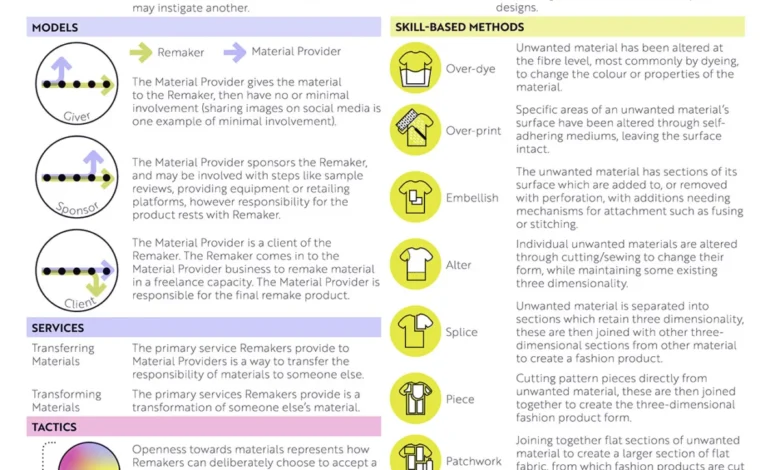
Dr. English provides a technical taxonomy for those looking to engage with "remake" culture, which she distinguishes from simple repair. While repair seeks to restore a garment to its original design intent, "remake" involves developing a new design proposition. She identifies three primary methods for this:
- Surface Interaction: Altering the material itself through overprinting, dyeing, or embellishment to conceal stains or structural wear.
- Form Transformation: Adjusting the silhouette of a garment through traditional alterations or "splicing," where multiple garments are combined to create a single, unique piece.
- Textile Extraction: Treating older, damaged clothing as raw fiber or fabric, utilizing pattern-making and patchwork techniques to construct entirely new items.
Broader Implications and Socio-Economic Impact
The implications of a shift toward a repair-based culture are far-reaching. Economically, the fashion industry faces a challenge: the cost of professional, localized repair often exceeds the price of new, mass-produced garments. This disparity is a direct consequence of offshore manufacturing and the resulting devaluation of labor.
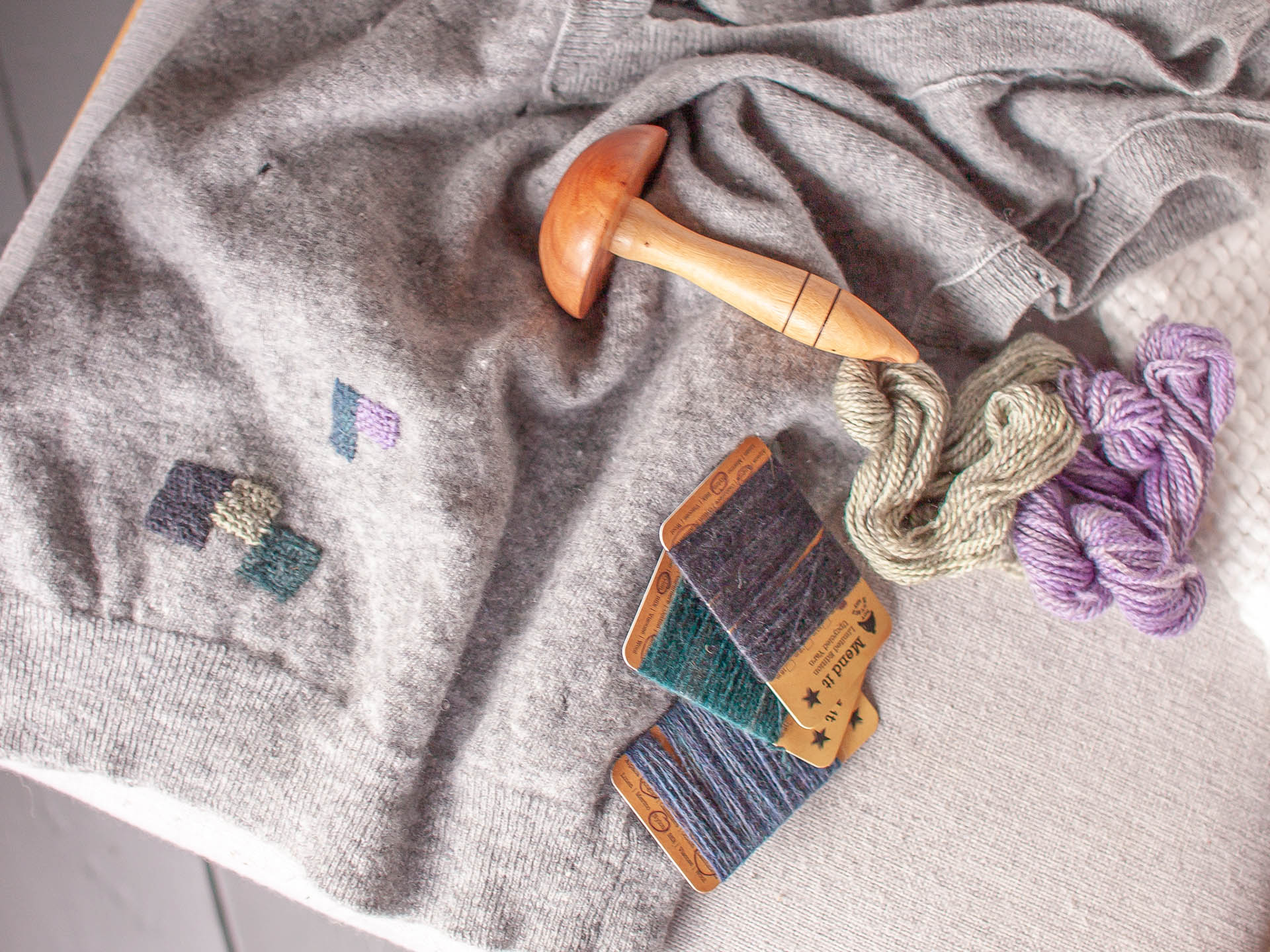
Dr. English suggests that the solution is not to compete with industrial pricing, but to foster community-based repair culture. "Repair cafés," where individuals can share tools and expertise, have emerged as a vital infrastructure. These spaces do more than fix clothing; they facilitate the transfer of intergenerational knowledge. The act of asking a friend or community member for help—or engaging in skill-sharing—builds social capital that is often eroded by the isolation of modern consumption habits.
Official Stance and Future Outlook
As an award-winning researcher, Dr. English’s work serves as a blueprint for both individual action and systemic policy change. Her publication, Designing Collaborations to Remake Waste: A Blueprint for Fashion Businesses, argues that brands must take responsibility for the entire life cycle of their products, not just the point of sale.
The movement toward repair is, ultimately, a struggle against the culture of disposability. When asked who is responsible for the upkeep of our wardrobes, Dr. English is clear: "Who is going to fix it, if not you?"
This rhetorical question underscores the shift in responsibility from the manufacturer to the user. As the fashion industry faces mounting pressure from environmental regulators and shifting consumer values, the integration of repair and remake practices is no longer an academic pursuit. It is becoming a necessary, practical skill for the 21st-century citizen. By slowing down to mend, society may find that the most radical act of fashion activism is simply to keep wearing, and caring for, what we already own.
For those looking to engage further with these practices, community workshops and online tutorials remain the most accessible entry points. As Dr. English’s research continues to influence the Australian fashion landscape, the message remains consistent: the most sustainable garment is the one already in your closet, provided you have the tools—and the patience—to keep it there.