QVC Prepares for its Milestone 40th Holiday Season by Blending Traditional Cable Broadcasts with 24/7 TikTok Live Commerce

The landscape of retail is undergoing a profound evolution, and legacy giants are proving that decades of industry experience can successfully merge with modern digital innovation. As QVC approaches its landmark 40th holiday season, the pioneer of televised shopping is orchestrating a sophisticated, multi-pronged campaign that bridges traditional television with the fast-paced ecosystem of TikTok Shop. This strategic push comes at a critical juncture for the company, which is aggressively pursuing a return to sustained growth following a financial restructuring earlier this year. By combining high-profile celebrity partnerships, exclusive product launches, and around-the-clock digital live-streaming, QVC is positioning itself to capture consumer spending across multiple generations and media formats.
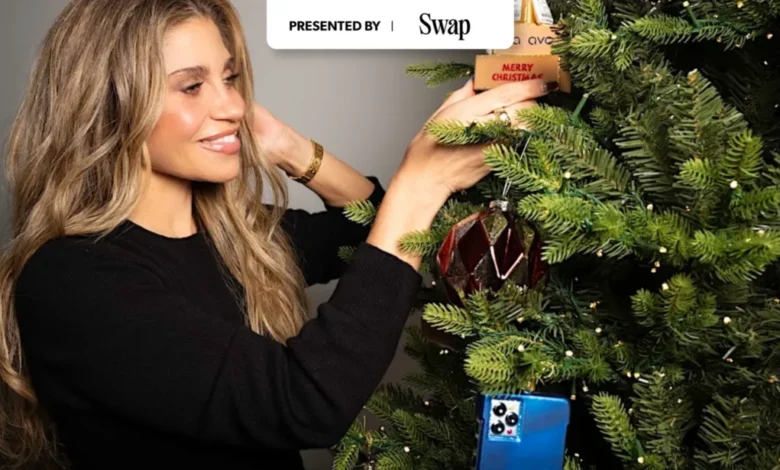
The company’s holiday strategy relies heavily on an impressive roster of marquee brands and exclusive collaborations. For the upcoming season, QVC will feature coveted holiday gifts from household names such as Le Creuset, KitchenAid, Laura Mercier, and Nespresso. In addition to these established retail mainstays, the live-shopping network is rolling out exclusive product lines, including Off/Duty by Coco Rocha and RM Studio by Rebecca Minkoff. To amplify its reach, QVC has tapped Boy Meets World star Danielle Fishel to step into the role of Mrs. Claus for a dedicated holiday marketing campaign. Furthermore, the company has scheduled its signature Nonstop Holiday Party event from November 6 through November 8. This multi-day shopping extravaganza will deliver early Black Friday promotions alongside special appearances from cultural icons Martha Stewart, John Legend, and Teri Hatcher, creating an engaging event designed to drive immediate consumer participation across both linear television and digital platforms.
To understand QVC’s current operational blueprint, one must look back at its foundational history and recent structural transformations. Launched in 1986, QVC fundamentally revolutionized American retail by introducing the concept of live commerce, allowing consumers to purchase goods directly from their television screens through real-time demonstrations and trusted host interactions. However, as digital media consumption habits shifted toward smartphones, social media, and on-demand streaming, the company recognized the necessity of meeting modern consumers where they spend their time.
This adaptation culminated in a major digital expansion. In April 2025, QVC launched the first U.S. 24/7 live social shopping experience on TikTok Shop. Operating alongside its sister network HSN under the parent entity QVC Group, Inc., the brand has embraced a hybrid model that utilizes both its own dedicated livestreams and collaborations with hundreds of thousands of digital creators. This aggressive digital pivot yielded tangible results: QVC and HSN collectively acquired nearly one million new U.S. customers via TikTok Shop in 2025 alone. Today, the company’s retail architecture seamlessly connects traditional television broadcasts, QVC.com, the proprietary mobile app, social media channels, and modern streaming platforms, offering everything from fine jewelry to loungewear.
Behind this digital momentum lies a rigorous corporate journey. QVC Group, Inc. faced a turbulent economic period characterized by declining cable television viewership, shifting global trade tariffs, and intensified competition within the broader e-commerce sector. To address these financial pressures, QVC Group filed for Chapter 11 bankruptcy protection in April, a strategic legal maneuver designed to stabilize the business. The company successfully emerged from these restructuring proceedings in August, achieving a significant financial milestone by reducing its outstanding debt by more than $5 billion. Despite these operational hurdles, the core business remains a massive enterprise; QVC Group reported total net revenue of $1.765 billion for the three months ending June 30, reflecting steady commercial activity even amid transitional corporate phases.
Modern Retail recently spoke with Krystyna Taheri, Senior Vice President of Social Commerce at QVC Group, to explore how the organization navigates the distinct demands of live selling across traditional television and emerging social platforms. Taheri highlighted the operational differences between the two mediums, noting that while QVC continues to produce approximately 60,000 hours of live television annually, its TikTok operations account for roughly 200 hours of live content every single week.
According to Taheri, the fundamental shift lies in pacing and production mechanics. While a traditional television segment allows for a seven-to-eight-minute detailed product demonstration orchestrated by a full robotics camera crew, TikTok live-streaming requires a much faster cadence. Hosts must deliver compelling hooks and product sales within 20 to 30 seconds. Furthermore, TikTok studios utilize simplified, mobile-first filming setups rather than automated broadcast cameras. Despite these structural differences, Taheri emphasized that the core tenets of successful live commerce remain constant: establishing authentic trust with the viewer, building personal relationships, effective product storytelling, and clear demonstrations.
QVC has meticulously engineered its physical studio spaces to reflect the aesthetic expectations of different product categories on social media. The main TikTok channel features a clean, branded set, while the fashion channel is designed to mimic an intimate walk-in closet. The beauty studio employs an up-close format centered around a simple product tray to maximize visibility during application, and the home and kitchen studios incorporate cozy elements like functional fireplaces and dedicated spaces for live culinary demonstrations. This localized set design allows digital consumers to mentally transport themselves into functional home environments, mirroring the immersive experience long perfected on television.
Managing talent across these disparate formats requires a sophisticated training framework. QVC selects its TikTok hosts from a balanced pool of established digital influencers and fresh personalities possessing strong natural sales capabilities. Once onboarded, hosts participate in a continuous feedback loop that includes regular live-streaming schedules, short-form content creation, and weekly tape reviews. Alongside producers, hosts critically analyze both successful and underperforming segments to refine their delivery.
Significantly, QVC treats TikTok as an analytical medium akin to television. Hosts are trained to monitor critical performance indicators in real time—such as click-through rates and click-to-order conversions—rather than focusing solely on gross revenue output. This data-driven approach is paired with a corporate culture that encourages rapid testing and learning. By granting hosts the autonomy to experiment with audience-driven concepts, such as dedicated themed shows, QVC effectively utilizes its live broadcasts as immediate, real-time focus groups.
Demographically, the audience on social media presents a unique hybrid profile. While TikTok shoppers skew younger than the core demographic watching traditional television, they are older than the platform’s general average user base. The audience remains predominantly female, aligning with the company’s established product categories. Crucially, the acquisition of over one million net-new customers through TikTok Shop in the previous year indicates that social commerce serves as a vital acquisition funnel for consumers who have never previously interacted with QVC via television or its website. Conversely, the company observes a loyal cross-platform consumer base—diehard shoppers who discover the brand on television migrate to social media, while younger digital natives occasionally explore traditional web and TV offerings after encountering a TikTok livestream.
As the retail industry pivots toward the critical fourth-quarter shopping period, QVC is leveraging its deep expertise in holiday merchandising. The company’s corporate-wide holiday momentum traditionally begins with its popular "Christmas in July" programming, which consistently generates strong consumer engagement both on television and via TikTok. Recognizing that modern holiday shopping cycles begin earlier each year, QVC has already experienced robust demand for early holiday decor.
For QVC, winning the fourth quarter is synonymous with winning the fiscal year. To capture consumer attention during the pivotal Black Friday and Cyber Monday window, the company has devised aggressive product rollout strategies. These plans include major product drops, exclusive launches, and extended eight-to-ten-hour "mega-lives" co-hosted by rotating personalities backed by substantial marketing investments. These major digital events are strategically preceded by the company’s multi-day "Nonstop Holiday Party" during the first week of November, which features continuous programming across television, digital websites, and TikTok. By utilizing a deliberate cadence of "drip lives" and continuous teasers during daily broadcasts, QVC successfully manufactures urgency and excitement, encouraging consumers to tune back in and driving sustained transactional momentum throughout the holiday season.