The Evolution of Modern Jewelry Curation: Why Professional Jewelers Are Shifting Toward New Chain Standards

The landscape of the fine jewelry market is undergoing a significant transition as specialized retailers shift their focus from vintage inventory to new, manufactured pieces. This pivot is largely driven by evolving quality control standards, the limitations of aging precious metal components, and a consumer demand for structural longevity. As collectors and boutique retailers alike encounter the physical degradation inherent in antique hardware, the industry is increasingly prioritizing the precision of modern manufacturing over the historical provenance of secondhand goods.
The Structural Limitations of Vintage Jewelry
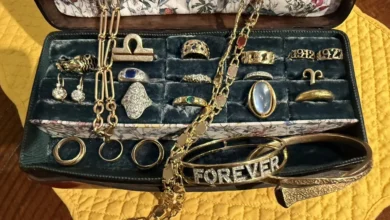
For decades, the allure of vintage jewelry has been rooted in historical narrative and unique craftsmanship. However, professional evaluation of these pieces often reveals structural vulnerabilities that are invisible to the naked eye. Microscopic analysis frequently detects thinning in link joints, stress fractures, and metal fatigue caused by decades of oxidation and daily friction.
In the professional jewelry sector, the cost of restoring an antique chain to a secure, wearable state often exceeds the market value of the piece. Jeweler intervention—such as laser welding or soldering—can alter the original aesthetic and structural integrity of an antique link. Consequently, many curators who once specialized in vintage acquisitions have found that the maintenance of these items is no longer sustainable. The decision to phase out vintage chains in favor of brand-new, manufacturer-direct inventory represents a data-driven approach to risk management. By utilizing chains manufactured with modern, high-precision techniques, retailers ensure that pieces can withstand the weight of heavy pendants or charm arrangements without the risk of catastrophic failure.
Chronology of the Shift in Retail Strategy
The move toward new inventory did not occur overnight but followed a gradual recognition of product lifecycle realities:
- Pre-2015: The market heavily favored the "treasure hunt" aspect of vintage jewelry, with retailers sourcing chains through estate sales and private collections.
- 2015–2018: Increased reports of chain breakage and the rising cost of professional repairs led many independent boutique owners to begin testing the durability of modern, mass-produced gold and silver chains.
- 2019–2021: The COVID-19 pandemic accelerated the shift toward e-commerce. Retailers required products that could be shipped with high confidence, minimizing return rates associated with fragile or damaged vintage components.
- 2022–Present: A standardized approach to "essential collections" has emerged. Curators now focus on building foundational inventories—chains that serve as reliable anchors for pendants—rather than relying solely on the erratic availability of estate jewelry.
Technical Analysis: What Makes a Durable Chain
When evaluating a chain for daily wear, professional jewelers look for specific technical characteristics. Durability is determined by the link construction, the method of soldering, and the thickness of the metal wire used.
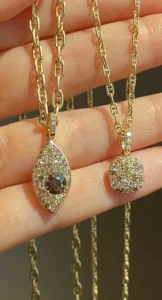
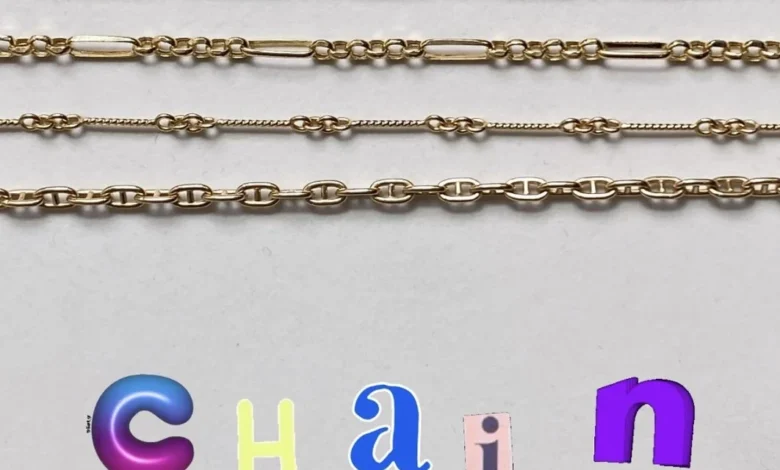
The Mariner chain, for example, is highly regarded in the industry for its structural stability. Its design, which features a central bar across each oval link, prevents the chain from twisting and distributes tension evenly across the entire length. When manufactured with solid links rather than hollow tubing, these chains offer a superior strength-to-weight ratio. Similarly, the box chain—composed of square-shaped links—provides a high degree of flexibility while maintaining a compact, durable profile that is resistant to kinking.
Data from jewelry repair centers suggests that hollow-link chains, frequently found in mass-market vintage goods, are responsible for the highest frequency of repair requests. Modern manufacturing has moved toward solid wire construction, which significantly increases the tensile strength of the jewelry.

Essential Categories for the Modern Jewelry Collection
Industry experts and boutique curators have identified five core categories of chains that are considered essential for both aesthetic versatility and functional longevity:
1. The Mariner Chain
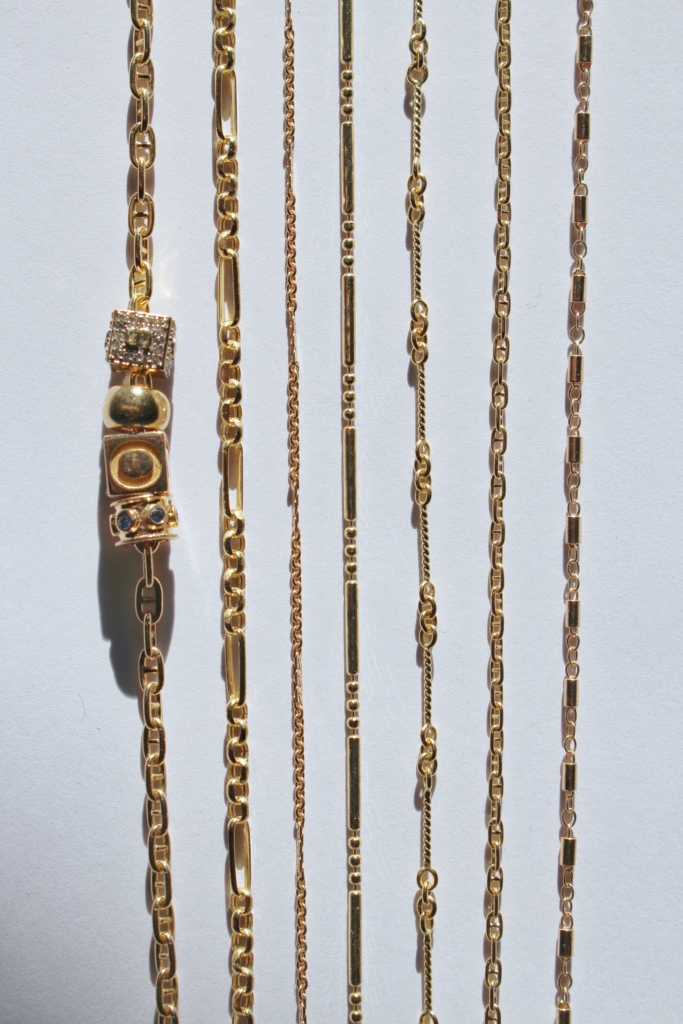
Characterized by its nautical inspiration, the Mariner chain remains a cornerstone of fine jewelry. Its interlocking, reinforced design makes it an ideal candidate for "charm jumbles" or heavy, ornate pendants. Modern versions now come in various gauges, from delicate mini-links for minimalist aesthetics to 3mm widths designed to function as statement pieces.
2. The Box Chain
Often associated with legacy gifting and sentimental value, the box chain is prized for its uniform appearance. Its tight, continuous construction makes it highly resistant to snagging, a common cause of damage in other chain types. It is frequently recommended for individuals who intend to wear their jewelry during active hours.
3. Large Link and Decorative Chains
This category includes styles like the Trombone, Oval Jangle, and Bar Link chains. These are designed to add visual dimension to a neck stack. Unlike standard cable chains, these styles serve as fashion-forward accessories that do not necessarily require a pendant to look complete. They represent a departure from the traditional "utility-only" view of jewelry chains.

4. The Mini-Figaro Chain
As a sophisticated alternative to the basic cable chain, the Figaro chain—featuring a pattern of flattened links—offers a subtle upgrade to the appearance of any pendant. It is a preferred choice for those who want a refined, vintage-inspired look without the structural risks associated with actual antique jewelry.
5. Specialized Geometric Links
The emergence of new manufacturing technology has allowed for the creation of intricate, non-traditional links. Designs such as the Bead and Bar, Twisted Stick, and Starburst Mini-Curb demonstrate how modern jewelry is evolving beyond the constraints of traditional patterns. These chains are designed for durability while catering to a demand for unique, individualistic aesthetics.
Broader Economic and Industry Implications
The transition toward new inventory has significant implications for the jewelry industry. Firstly, it standardizes quality expectations for consumers. When a customer purchases a chain from a modern collection, they are typically provided with specifications regarding metal content, weight, and durability that cannot be guaranteed with vintage goods.
Secondly, this shift benefits the secondary market. By reserving vintage jewelry for truly unique, one-of-a-kind statement pieces rather than utilitarian chains, the market for antiques becomes more specialized and high-value. This ensures that the most fragile, high-maintenance items are properly curated and protected by collectors, while everyday wearers are provided with high-performance, long-lasting alternatives.

Finally, the focus on "essential" chains reflects a broader movement toward mindful consumption. By identifying which pieces are truly necessary, consumers are encouraged to invest in high-quality, long-lasting items rather than frequent, lower-quality replacements. This approach aligns with contemporary values regarding sustainability and the long-term value of precious metals, ultimately professionalizing the relationship between the jeweler and the client. As the industry continues to advance, the synergy between historical aesthetic appreciation and modern engineering will remain the gold standard for jewelry retail.