The High-Stakes Battle for Last-Mile Delivery: Inside DoorDash’s Massive Bid for Instacart and the Amazon Factor

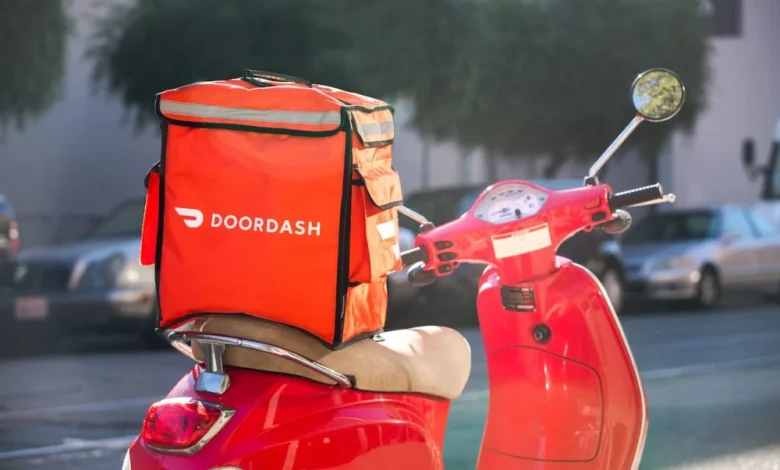
The global last-mile delivery landscape is undergoing its most aggressive consolidation phase in history, catalyzed by a colossal $17 billion proposed acquisition that threatens to redraw the boundaries of retail, e-commerce, and logistics. Last week, food and convenience delivery giant DoorDash officially announced its intent to acquire Instacart, the premier grocery delivery platform. If approved by regulatory bodies, the mega-merger would coalesce two titans that currently command a staggering 77% of total consumer spending across U.S. delivery applications, according to recent market research from Consumer Edge.
This landmark deal is not merely a strategic union of convenience and grocery infrastructure; it is a defensive and offensive maneuver designed to check the relentless, rapid expansion of Amazon into ultra-fast local fulfillment. As delivery platforms, ridesharing services, and traditional e-commerce giants blur lines to capture the ultimate prize—the consumer’s daily wallet share—the pressure on competitors like Uber Eats and regional merchants has never been more intense.
The Chronology of Consolidation and Changing Market Shares
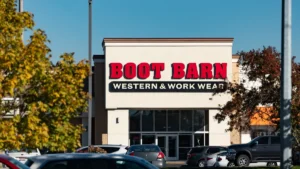
The evolution of the on-demand delivery sector over the past half-decade highlights a dramatic shift in market dynamics. Companies that once occupied distinct vertical niches have steadily encroached upon one another’s territories. DoorDash, which built its reputation and initial revenue streams on restaurant delivery, has aggressively diversified. Within the last few years, the platform has integrated apparel retailers into its marketplace, scaled its proprietary convenience store concept DashMart, and expanded into retail delivery sectors far beyond hot food. Financial metrics underline this momentum: DoorDash reported revenue growth of nearly 24% between 2023 and 2024, followed by an accelerated 28% increase from 2024 to 2025.
In contrast, competitor trajectories have varied significantly. Uber Eats has maintained a stable position, holding just under 20% of U.S. delivery platform spending over the past five years, according to Consumer Edge data. Instacart, however, has experienced a downward trend in domestic market share, slipping from 26% to 18% over the same five-year window.
Faced with these shifts, DoorDash’s decision to absorb a $17 billion acquisition risk—despite its already robust organic growth—signals a broader structural threat forcing industry consolidation. That threat is Amazon.
The Amazon Threat: Redefining Speed in Last-Mile Logistics
Historically, major logistics and retail players carved out separate identities: Amazon mastered two-day and next-day shipping through its sprawling Prime membership ecosystem; Uber dominated ridesharing; Instacart anchored grocery delivery; and DoorDash owned restaurant takeout. Today, those boundaries have effectively dissolved, with every major player laser-focused on hyper-speed fulfillment.
Amazon’s strategic pivot in 2025 has become the primary catalyst for market anxiety. While Prime remains synonymous with rapid shipping, Amazon has poured massive capital into shortening delivery windows to 30 minutes and one hour, directly encroaching on DoorDash and Instacart’s core territory. In May, Amazon launched "Amazon Now," a service operational in dozens of major U.S. metropolitan areas that promises delivery on thousands of items—ranging from fresh groceries to household essentials—in under half an hour. This followed Amazon’s March rollout of dedicated one-hour delivery across hundreds of cities, putting intense pressure on Walmart, regional grocers, and third-party delivery apps alike.
Industry analysts note that DoorDash’s primary strategic risk is allowing Amazon to become the default consumer choice for ultra-fast, 30-minute to one-hour delivery, mirroring Amazon’s historical dominance over multi-day package shipping. John Harmon, managing director of technology research at Coresight Research, points out the overarching industry driver: "Amazon is moving toward delivering things faster and faster." By securing Instacart, DoorDash aims to preempt Amazon’s grip on localized, rapid fulfillment before consumer habits become permanently entrenched.
Crafting the Regulatory Narrative: Empowering Local Merchants
Antitrust scrutiny is an inevitable hurdle for a deal uniting two entities that control more than three-quarters of the U.S. delivery platform market. Anticipating regulatory pushback, DoorDash utilized its acquisition announcement to heavily emphasize the transaction’s projected benefits for small, locally owned businesses and independent grocers who lack the capital to build proprietary digital infrastructure.
According to DoorDash’s official corporate release, the combined platform will offer a diverse array of advanced technology and fulfillment services designed to help local merchants compete against retail goliaths. The narrative focuses on empowering grocers to deploy Instacart’s proprietary software to run standalone branded websites and internal retail media networks, thereby driving direct sales and lucrative advertising revenue. Furthermore, local stores would gain access to DoorDash’s expansive DashMart fulfillment network, enabling them to scale online order capacity and provide faster, more accurate, and more affordable delivery options to local consumer bases.
The Global Counter-Offensive: Uber’s Strategic Maneuvers
The DoorDash-Instacart merger immediately begs the question of how Uber intends to defend its market share and differentiate its offerings in an increasingly hostile domestic landscape. Uber’s response has taken the form of geographic expansion and high-stakes international acquisitions.
In July, Uber announced its intent to acquire Germany-based Delivery Hero for $15 billion. According to reports from Reuters, the massive international deal is positioned to create the single largest food-delivery group outside of China, securing Uber’s dominance across key European and emerging markets while fortifying its global balance sheet against U.S.-centric pressures.
Beyond food and retail delivery, Uber retains a distinct structural advantage that DoorDash lacks: a core ridesharing business. Over recent years, Uber has funneled significant investments into improving the operational margins of its mobility sector. Strategic bets on autonomous vehicle integration and the rapid expansion of its paid subscription tier, Uber One, provide financial cushions and cross-promotional opportunities that pure-play delivery apps cannot easily replicate.
The Retail Media Goldmine and Cross-Platform Data Synergy
Beyond logistics and delivery speeds, the proposed DoorDash-Instacart union unlocks immense value in the rapidly expanding realm of retail media networks. Combining data from restaurant orders, convenience purchases, and Instacart’s extensive grocery database creates a centralized, highly lucrative repository of consumer purchase behavior.
This consolidation allows brands and advertisers to execute hyper-targeted, multi-channel marketing campaigns across diverse purchasing occasions. Greg Carlucci, senior director analyst at Gartner, highlights the measurement advantages of such an ecosystem: "If someone is exposed to an ad on DoorDash but then made a purchase through Instacart at a respective grocery or retail location, that allows more measured outcomes that can be proved."
However, competitors retain distinct advertising angles. Uber, for instance, maintains the unique capability to target consumers during mobility and travel moments—such as when a user is commuting, traveling for business, or on vacation. These contextual touchpoints offer advertisers specific consumer mindsets that are considerably harder to capture through a food-and-grocery delivery interface alone.
Broader Industry Implications and the Final Frontier
The aggressive maneuvers executed by DoorDash, Uber, and Amazon underscore the immense economic stakes of the last-mile delivery sector. As digital commerce matures, the final mile has transformed from a costly operational necessity into the ultimate battleground for customer loyalty and data ownership.
"Last-mile delivery is [kind] of the last frontier where it controls a lot of additional transactions," Carlucci observes. Whether through multi-billion-dollar domestic mergers, international buyouts, or hyper-local delivery infrastructure investments, the defining characteristic of modern retail logistics is clear: speed, scale, and data integration will determine which platforms survive the decade.
What We’ve Covered in Supply Chain and Retail
Cotopaxi Adopts a Drop Strategy to Build Buzz Ahead of BFCM
Outdoor apparel and gear brand Cotopaxi is approaching the peak holiday shopping season with an innovative marketing and inventory strategy dubbed "Cotodays." Reported earlier this week by Modern Retail’s Julia Waldow, the brand is executing a series of rolling product drops every other day between November 1 and November 11.
Beyond generating consumer excitement and introducing new shoppers to the brand ahead of the critical Black Friday-Cyber Monday (BFCM) window, the strategy addresses fundamental inventory management realities. Retailers traditionally face massive upfront capital expenditures to load up on holiday inventory months in advance; staggered product drops allow brands to build organic marketing buzz and maintain consumer engagement without overextending inventory positions.
More Than Half of Online Supplement Shoppers Express Concern Over Counterfeit Products
The e-commerce market for health and wellness supplements continues to experience explosive consumer demand, even as buyers grow increasingly skeptical regarding product authenticity, ingredient transparency, and manufacturing origins. Modern Retail’s Gabriela Barkho recently examined findings from a survey conducted by online supplement retailer iHerb between September 17 and September 21.
The survey, which polled 2,795 U.S. adults, revealed that 54% of online supplement shoppers harbor active concerns about counterfeit and adulterated products infiltrating digital marketplaces. In response to mounting consumer anxiety, major online retailers have accelerated supply chain audits, implementing rigorous traceability measures to verify product provenance and reassure safety-conscious buyers.