Sustainable Blankets Offer Eco-Friendly Warmth Amid Rising Household Energy Costs

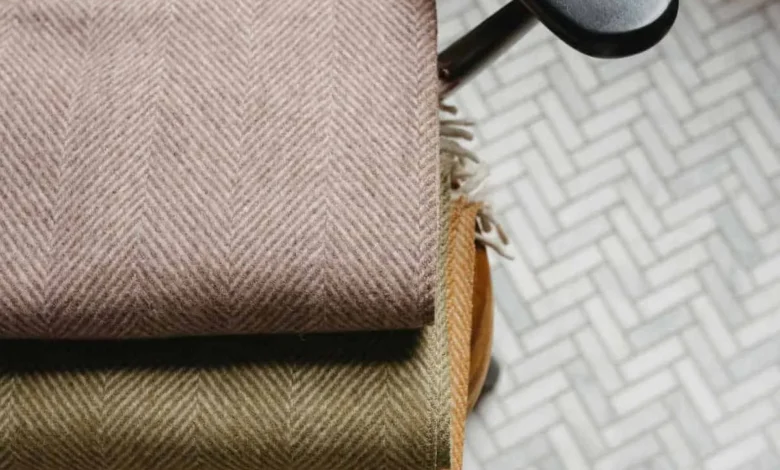
As European households confront persistent inflation in utility tariffs and soaring home heating expenditures during the winter months, consumers increasingly seek alternative, low-impact strategies to maintain indoor thermal comfort. Rather than relying on central heating systems for continuous operation, homeowners and remote workers are turning to high-performance, sustainably manufactured blankets and throws. Recent retail market analyses indicate a surge in demand for home textiles crafted from recycled fibers, organic agriculture products, and zero-waste production methods. This shift reflects a broader consumer trend toward energy conservation coupled with stringent environmental accountability.
The economic and ecological imperative of reducing domestic energy consumption has intensified over recent years. According to energy market regulators, sustained volatility in global wholesale gas and electricity prices has driven average household utility bills to historic highs. For the millions of individuals who transitioned to permanent or hybrid home-working arrangements following the shifts in labor markets over the last decade, maintaining thermal comfort throughout the workday without inflating monthly utility expenses has become a critical logistical challenge. Ergonomic and low-energy heating solutions—ranging from localized space heating to high-thermal-mass textiles—have thus transitioned from niche lifestyle choices to mainstream economic necessities.

Textile industry analysts note that traditional blanket manufacturing has historically carried a significant environmental footprint. Conventional synthetic fleece and acrylic textiles rely heavily on petrochemical extraction, releasing microplastics into aquatic ecosystems during routine laundering. Furthermore, industrial cotton farming frequently demands intensive pesticide applications and vast water allocations, contributing to soil degradation and water scarcity in vulnerable agricultural regions. In response, independent sustainability experts and textile engineers have cataloged a diverse array of eco-friendly alternatives. These products prioritize circular economy models, utilizing post-consumer textile waste, GOTS-certified organic agriculture, and fair-trade manufacturing networks to minimize resource depletion.
A comprehensive review of the current sustainable textile market highlights eight prominent brands and sourcing channels offering verified eco-conscious winter blankets across various price points. These selections emphasize material transparency, ethical labor standards, and durability.
Budget-Friendly Recycled Yarn: Natural Collection

For consumers operating within strict budgetary constraints, the United Kingdom-based retailer Natural Collection offers recycled yarn blankets priced at approximately £29.95 through the Ethical Superstore network. These textiles are manufactured domestically using post-consumer garment waste. The production process involves mechanically shredding discarded clothing, spinning the recovered fibers into new yarn, and weaving them into durable household throws. By salvaging redundant industrial yarn destined for municipal landfills, the manufacturing process significantly reduces textile waste streams. While these machine-washable blankets offer high utility and varied color palettes, the inherent variability of recycled raw materials means consumers cannot specify exact colorways upon ordering. Additionally, because the blend frequently incorporates recycled wool, the product is not classified as vegan-friendly.
GOTS-Certified Organic Luxury: Cottsbury
At the premium end of the market, Cottsbury provides luxury, 100% organic cotton blankets with retail prices starting at £120. Manufactured in facilities certified by the Global Organic Textile Standard (GOTS), these textiles guarantee strict adherence to environmental and social criteria throughout the supply chain, from raw fiber harvesting to final processing. Production occurs within Fairtrade-certified facilities, ensuring the payment of living wages and the maintenance of safe labor conditions for all textile artisans. Cottsbury further minimizes operational waste by packaging each blanket in a reusable carry bag constructed entirely from surplus production fabric. Industry observers view GOTS-certified organic cotton as an optimal choice for consumers seeking hypoallergenic, vegan-friendly home goods that avoid synthetic chemical treatments.

Zero-Waste Philanthropy: Oxfam Online
The charitable retail sector has also expanded its footprint in the sustainable home goods market via platforms such as Oxfam Online. Through its specialized sourcing initiatives, the international development organization offers brand-new, zero-waste blankets crafted from recycled wool diverted from industrial waste streams. Unlike traditional second-hand merchandise, these items are curated directly from verified ethical producers worldwide. Purchases made through this channel provide dual utility: consumers acquire high-quality, sustainable home textiles while directly funding Oxfam’s ongoing global initiatives to alleviate poverty, combat climate-induced vulnerability, and support international humanitarian relief operations.
Handmade Artisanal Cotton: Paper High
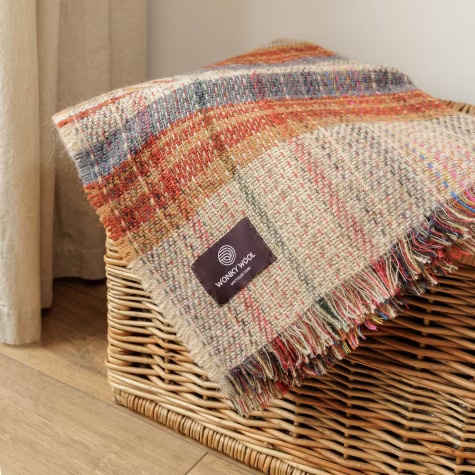
Promoting traditional handcraft techniques while adhering to rigorous fair-trade protocols, Paper High offers recycled cotton blankets priced at £22.95. These vegan-friendly throws are produced in India through a longstanding partnership with the Asha Handicrafts Association, an organization certified by the World Fair Trade Organization (WFTO). Established in 1975, Asha Handicrafts directly supports more than 800 independent artisans. Operating as a social enterprise, the organization channels all financial surpluses back into regional social welfare programs, funding healthcare, education, and community infrastructure improvements for artisans and their families while preserving traditional textile arts.
Durable British Heritage Wool: Soak & Sleep
Emphasizing longevity and durability under the commercial philosophy of "buy well, buy once," online bedding specialist Soak & Sleep offers pure wool throws priced at £70. Manufactured in the UK by Tweedmill—a historic textile mill situated along the banks of the River Dee in North Wales—these blankets are constructed from natural, renewable fibers designed to withstand decades of domestic use. To reinforce consumer confidence in product durability, each throw is supported by a comprehensive two-year manufacturer guarantee. Environmental economists note that extending the lifecycle of household textiles through superior craftsmanship remains one of the most effective methods for reducing lifecycle carbon emissions.
Accessible Circular Wool: Florence & Lily
Independent marketplace vendors also contribute significantly to the circular textile economy. The Florence & Lily storefront on Etsy offers tartan and check-patterned blankets priced at £45. Constructed from a blend of 70% recycled wool and 30% alternative reclaimed fibers, these textiles rescue materials that would otherwise be discarded in municipal landfills. Measuring a generous 188 centimeters by 146 centimeters, the blankets are engineered for straightforward domestic maintenance, requiring only a gentle machine wash at 30 degrees Celsius with a reduced spin cycle. Their aesthetic versatility and tactile softness have made them a popular choice among consumers seeking sustainable interior decor updates.
Scalable Eco-Commitments: TBCo.

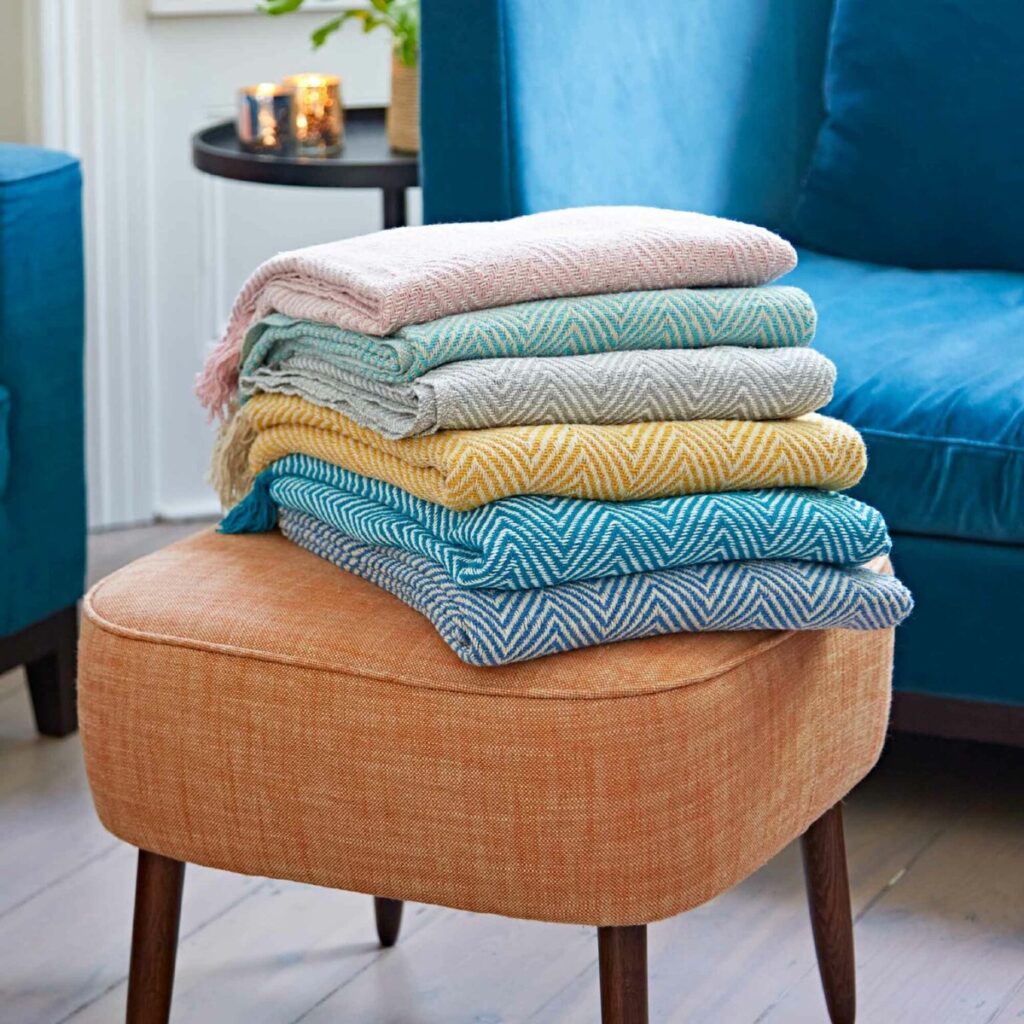
Edinburgh-based textile brand TBCo. offers a wide array of recycled wool blankets and throws starting at £55. Woven from a blend of 70% recycled wool and 30% mixed recycled fibers in classic herringbone and clan tartan patterns, the company estimates that each large blanket successfully diverts an average of six discarded garments from landfill disposal. TBCo. integrates environmental stewardship into its core business model through a formal Positive Impact Pledge, committing 2% of total annual revenues to environmental conservation charities and social welfare organizations. Furthermore, the company offers bespoke personalization services, allowing customers to add custom embroidery to their blankets for a nominal fee, thereby increasing emotional attachment and long-term product retention.
Macroeconomic Implications and Industry Outlook
The expansion of the sustainable blanket market reflects a fundamental evolution in consumer purchasing psychology during periods of economic constraint. Rather than viewing sustainability as an auxiliary luxury, consumers increasingly demand that everyday utility goods deliver verified environmental and social benefits without sacrificing performance. Retail data suggests that transparency regarding material provenance—such as GOTS certifications, WFTO compliance, and closed-loop recycling metrics—will continue to serve as a primary competitive differentiator for home textile brands.

As municipal and national governments across Europe tighten regulations concerning textile waste management and corporate sustainability reporting, manufacturers are under mounting pressure to adopt circular production methodologies. The integration of mechanical recycling, non-toxic organic dyes, and ethical supply chain auditing is transitioning from a voluntary corporate social responsibility strategy into an operational baseline. For consumers navigating high energy tariffs and ecological uncertainty, investing in durable, ethically produced thermal textiles represents a practical, multi-faceted approach to household resilience, combining immediate financial relief with long-term planetary stewardship.