The Evolution of Personal Adornment and the Rise of the Antique Jewelry Collector Community

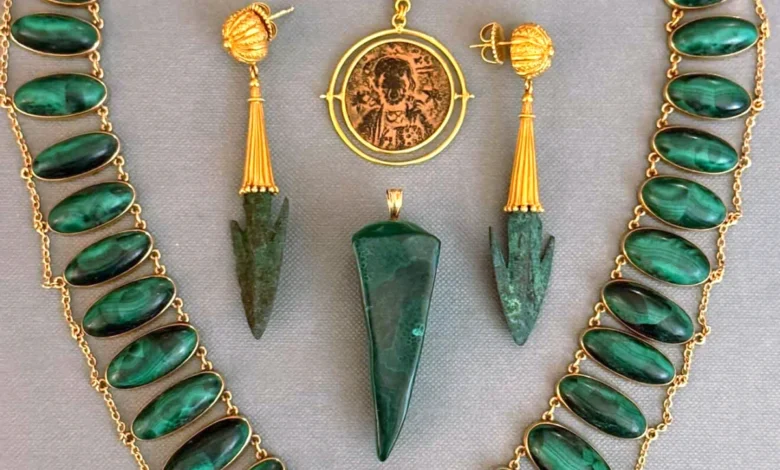
The contemporary landscape of jewelry collecting has shifted significantly over the past decade, moving away from mass-produced retail acquisitions toward a focus on curation, historical preservation, and the repurposing of antique components. At the center of this movement is Cyndi, the proprietor of the Instagram-based platform @TheFabNab. Her collection, which has expanded substantially since its initial documentation in 2021, serves as a case study for the modern collector: an individual who balances a scholarly appreciation for historical artifacts with the entrepreneurial spirit required to reinvent them for modern utility.
The Foundation of a Curated Collection
Cyndi’s journey into the world of antique jewelry began approximately 13 years ago, a period that coincides with a broader market trend toward the democratization of antique goods through online marketplaces. While her early experimentation involved the assembly of semi-precious beadwork, she soon pivoted toward the acquisition of high-value precious metals and historical gemstones.

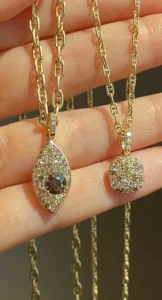
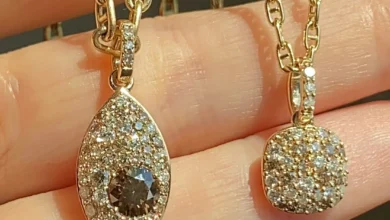
Her strategy initially focused on the acquisition of antique stick pins—small, often overlooked items that were historically used to secure fabrics or hold cravats in place. In the late 2000s and early 2010s, these items were frequently undervalued by the market, allowing collectors to acquire high-quality gold and gem-set components at a fraction of the cost of finished fine jewelry. By partnering with skilled bench jewelers to convert these pins into wearable rings, pendants, and charms, Cyndi began a process of "re-imagining" that would eventually form the basis of her professional enterprise, the "Lucky Numbers + Talismans" collection.
Chronology of the Antique Jewelry Renaissance
The trajectory of the antique jewelry market over the last 15 years can be categorized into three distinct phases:
- The Digital Discovery Phase (2010–2015): Collectors began utilizing platforms like eBay and local estate sales to source inventory. This era was characterized by a lack of centralized knowledge, forcing collectors to rely on personal research and the occasional expertise of long-standing antique dealers.
- The Community Integration Phase (2016–2020): With the rise of Instagram, collectors began to form specialized digital communities. This allowed for the rapid exchange of information regarding hallmarks, provenance, and the ethical sourcing of antique materials. During this time, relationships between collectors and international dealers—such as those found at the Portobello Market in London or the Paris Flea markets—became the bedrock of the industry.
- The Professionalization and Reinvention Phase (2021–Present): Collectors shifted from mere acquisition to design-focused repurposing. The focus moved toward the "talismanic" nature of jewelry, where the wearer assigns personal meaning to the historical weight of the piece, often celebrating personal milestones or "destiny numbers."
Design Motifs and Historical Context
Cyndi’s collection reflects an intense interest in specific historical aesthetics, particularly those defined by celestial imagery, Egyptian Revivalism, and Victorian-era symbolism. The fascination with celestial motifs—such as moon-and-star designs—aligns with the late 19th-century aesthetic movement, which saw a surge in the use of old-mine cut diamonds set in blackened silver-topped gold.

Egyptian Revival jewelry, which experienced its most significant surge in popularity following the 1922 discovery of King Tutankhamun’s tomb, remains a staple of Cyndi’s collection. Her preference for winged scarabs and serpentine designs highlights an appreciation for the cultural synthesis of the early 20th century, where jewelry served as a bridge between ancient mysticism and modern luxury.
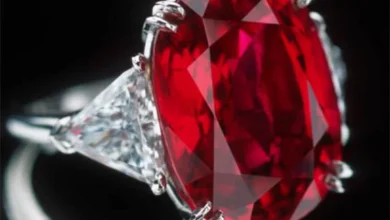
Furthermore, the "Victorian ruby spike"—a recurring element in her collection—serves as a primary example of how historical jewelry can be modernized. By sourcing authentic Victorian-era brooch components and modifying them into contemporary silhouettes, she creates a bridge for the modern collector who desires the historical prestige of the 19th century combined with the edgy, minimalist trends of the current decade.
Economic and Market Implications
The rise of the "curated collector" has created a secondary market that values craftsmanship over brand prestige. According to recent market analysis from industry trade groups, the demand for "reimagined" antique jewelry has increased by nearly 20% annually since 2020. This growth is driven by a younger demographic that prioritizes sustainability—viewing antique jewelry as the ultimate form of recycled, ethical luxury—and the desire for one-of-a-kind items in an era of mass-produced, machine-made goods.

However, this increase in demand has had a measurable impact on the availability of high-quality antique components. As pieces like Victorian spikes and Edwardian star-bursts become rarer, their price points have risen, pushing entry-level collectors toward smaller, modular components that allow for creative flexibility at a lower barrier to entry. This dynamic has necessitated a stronger reliance on dealer-collector relationships. The "jewelry gang" phenomenon, described by Cyndi as the collaborative network fostered at trade shows like those in Las Vegas and Miami, is more than a social circle; it is a vital information network that mitigates the risks of purchasing high-value items without professional provenance.
The Psychological Significance of the Talisman
Beyond the financial valuation of the collection lies the psychological element of "talismanic jewelry." In her practice, Cyndi emphasizes that these pieces serve as anchors for personal achievement. This concept of "wearing one’s history" is a well-documented phenomenon in psychological studies regarding material objects. When an individual associates a specific piece of jewelry with a goal or a victory, the item ceases to be a decorative object and becomes a mnemonic device—a constant reminder of the wearer’s resilience and capability.
This trend is particularly prevalent in the post-pandemic market, where consumers have shown a preference for "investment pieces" that provide comfort and a sense of permanence. The act of gifting oneself a significant piece of antique jewelry has become a mainstream marker of independence and self-actualization, moving away from the traditional model where jewelry was almost exclusively a transactional gift from one party to another.

Industry Connectivity and Future Outlook
The infrastructure of the antique jewelry world now relies heavily on the synergy between physical trade shows and digital social networking. Trade shows, such as the Hillsborough Show or the major industry events in Las Vegas, remain the "central nervous system" of the industry. They facilitate the physical inspection of goods, the verification of metal purity, and the solidification of trust between parties who may have previously interacted only through screen interfaces.
The success of collectors like Cyndi is emblematic of a broader shift in how value is perceived in the luxury market. By documenting the process of discovery, acquisition, and transformation, collectors are not just participating in a hobby; they are participating in a historical continuum. They act as stewards of artifacts that might otherwise be forgotten, ensuring that these pieces continue to be worn, valued, and understood by a new generation of enthusiasts.
As the industry moves forward, the focus will likely remain on the balance between preservation and adaptation. While there is always a debate within the antique community regarding the ethics of altering original pieces, the prevailing consensus among those in the "reimagining" movement is that a piece of jewelry that is worn daily is a more vibrant, living testament to history than one that sits permanently in a display case. For the modern collector, the ultimate goal is not to curate a museum, but to curate a life—one that is punctuated by the aesthetic and emotional resonance of the past.