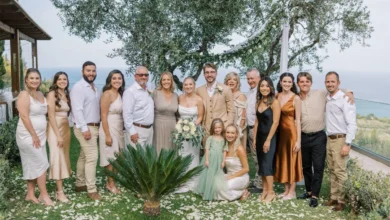
How A Flower Designer and a Race Car Engineer Built Their Wedding From the Ground Up

The convergence of two distinct professional disciplines—floral design and mechanical engineering—reached a unique zenith recently as Bri and Nate hosted their nuptials at a family-run farm. The event, which prioritized bespoke craftsmanship and collaborative effort, served as a case study in modern DIY wedding planning, illustrating how professional skills can be leveraged to create a highly personalized, large-scale event. By utilizing the bride’s background in floristry and the groom’s technical expertise in Formula 1 engineering, the couple transformed a private farmstead into a curated, interactive venue that spanned four years of meticulous development.
The Intersection of Horticulture and Mechanics
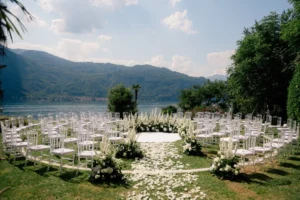
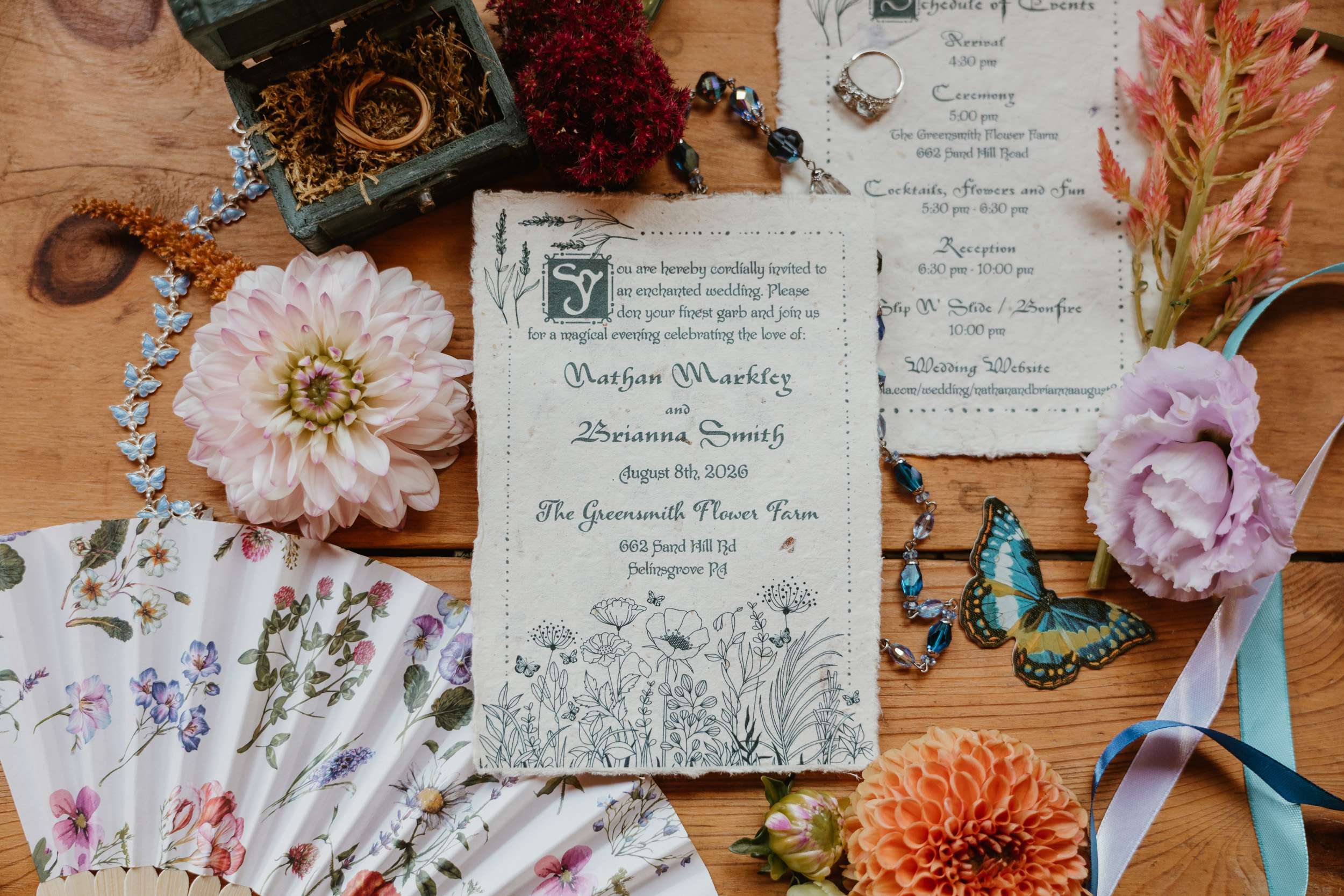
The wedding was hosted on the grounds of the bride’s childhood home, a working farm that she currently manages alongside her mother. This setting provided not only a sentimental backdrop but also the logistical infrastructure for a "garden party" aesthetic that extended far beyond traditional décor.
From an organizational standpoint, the project was defined by its reliance on internal resources rather than third-party event management. The couple’s objective was to externalize their professional passions—flowers and engineering—into the physical environment of the ceremony and reception. This required a long-term strategy, with the couple dedicating four years to the planning and construction of the necessary elements.
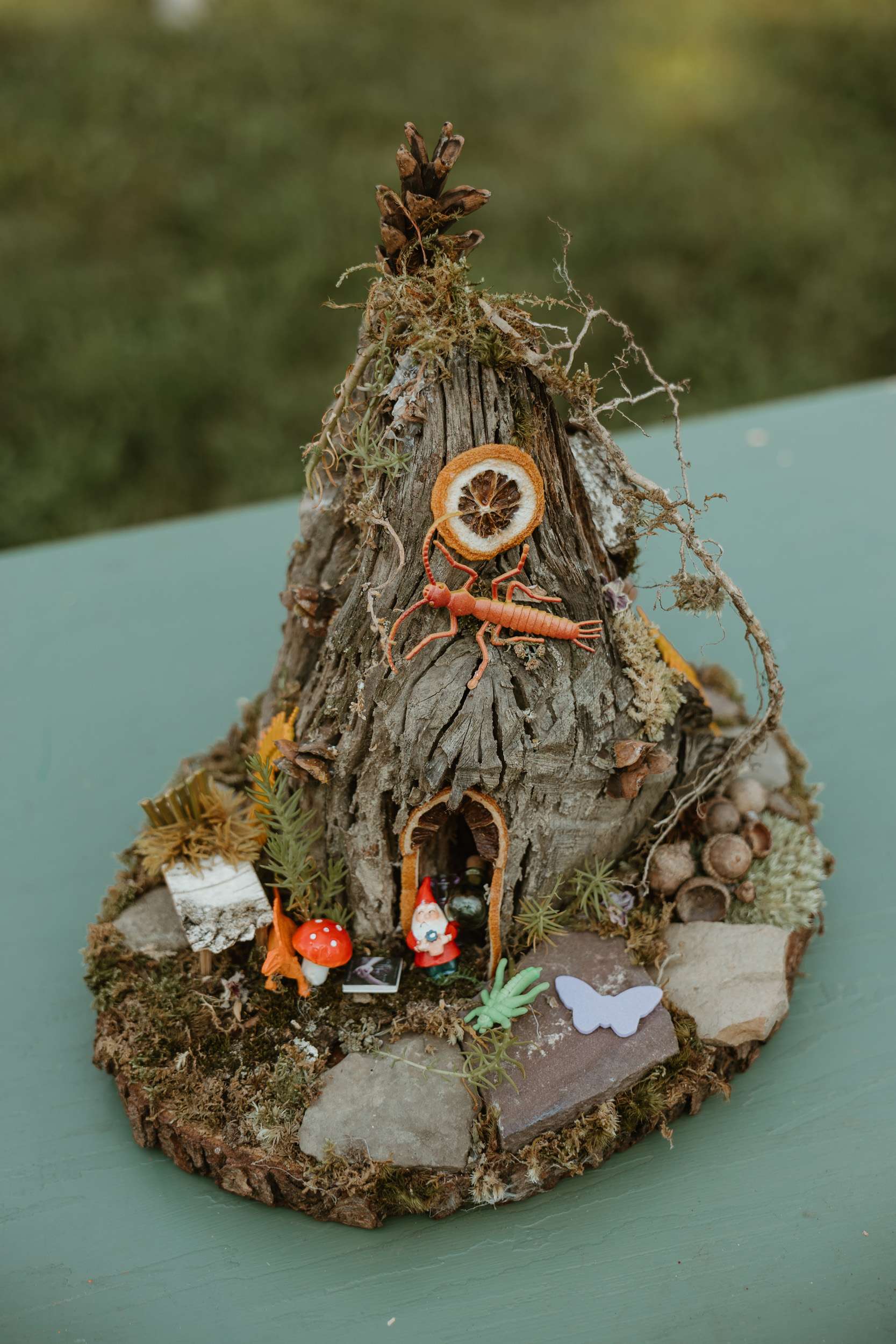
A Chronology of Collaborative Construction
The preparation phase for the wedding was marked by a steady progression of construction projects, which served as a precursor to the main event.
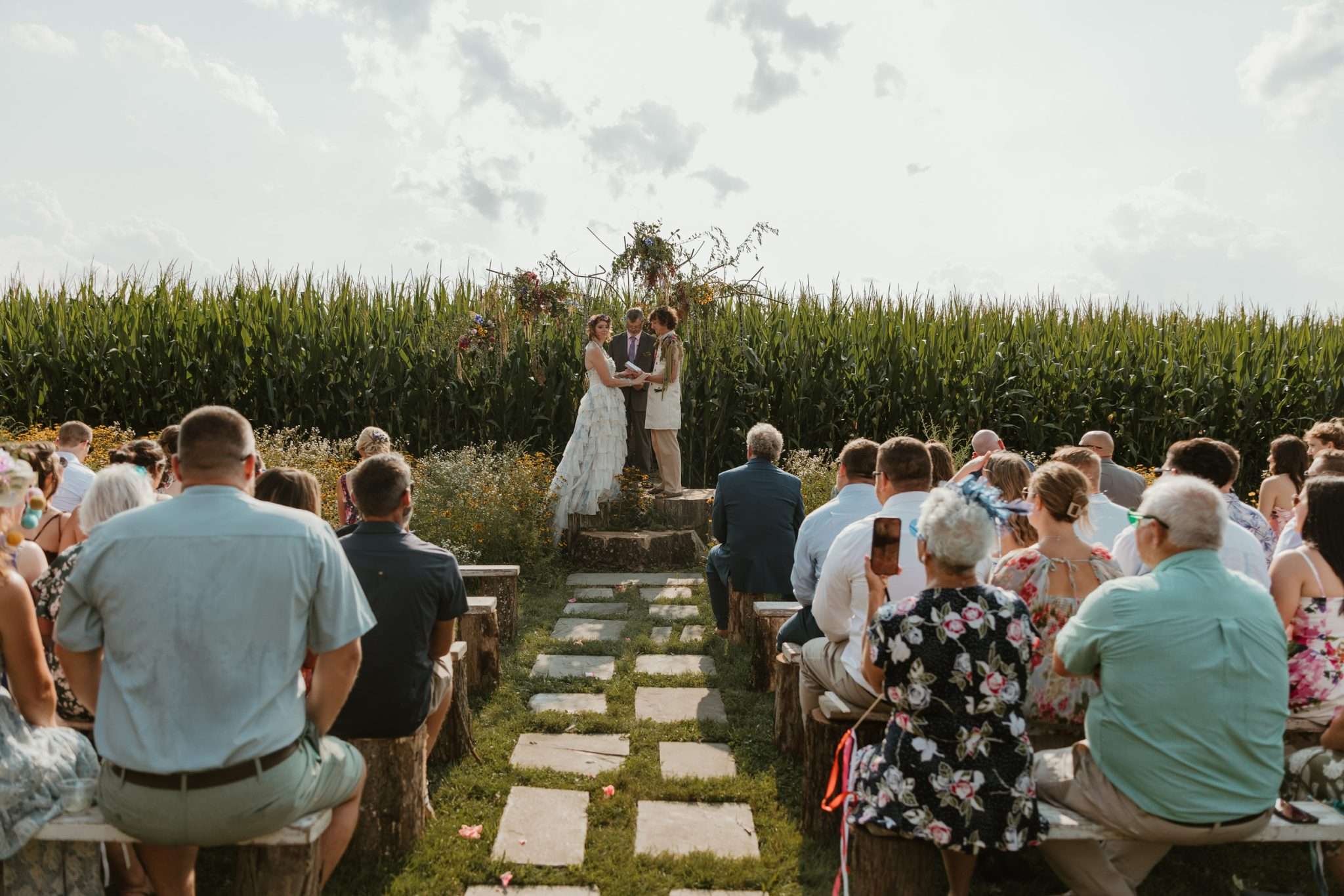
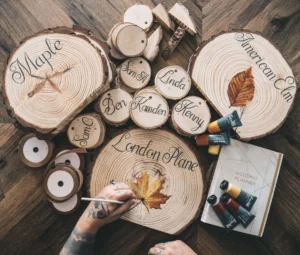
In the lead-up to the ceremony, the couple engaged their families in the development of the venue’s infrastructure. Nate’s father contributed by fabricating custom stump benches for guest seating, while the couple cleared and leveled a dedicated space among wildflowers, utilizing salvaged oak stumps from the property.
The installation of the ceremony site was a collaborative effort involving immediate family members who assisted in laying a flagstone aisle. The centerpiece of the altar was a metal tree, custom-welded by the groom, which served as the focal point for the exchange of vows. The bride’s entry, marked by a barefoot walk down the aisle to Snow Patrol’s "Chasing Cars," contrasted with the groom’s arrival, which was accompanied by the theme music of Formula 1, underscoring the couple’s commitment to blending their personal interests.
Technical Execution and Design Innovation
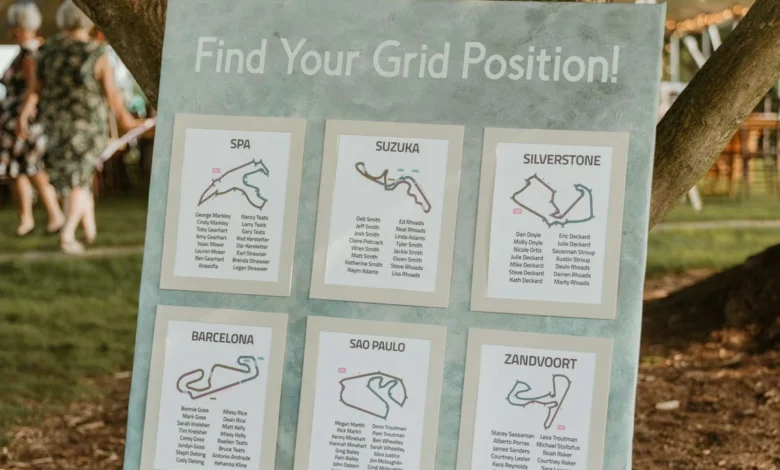
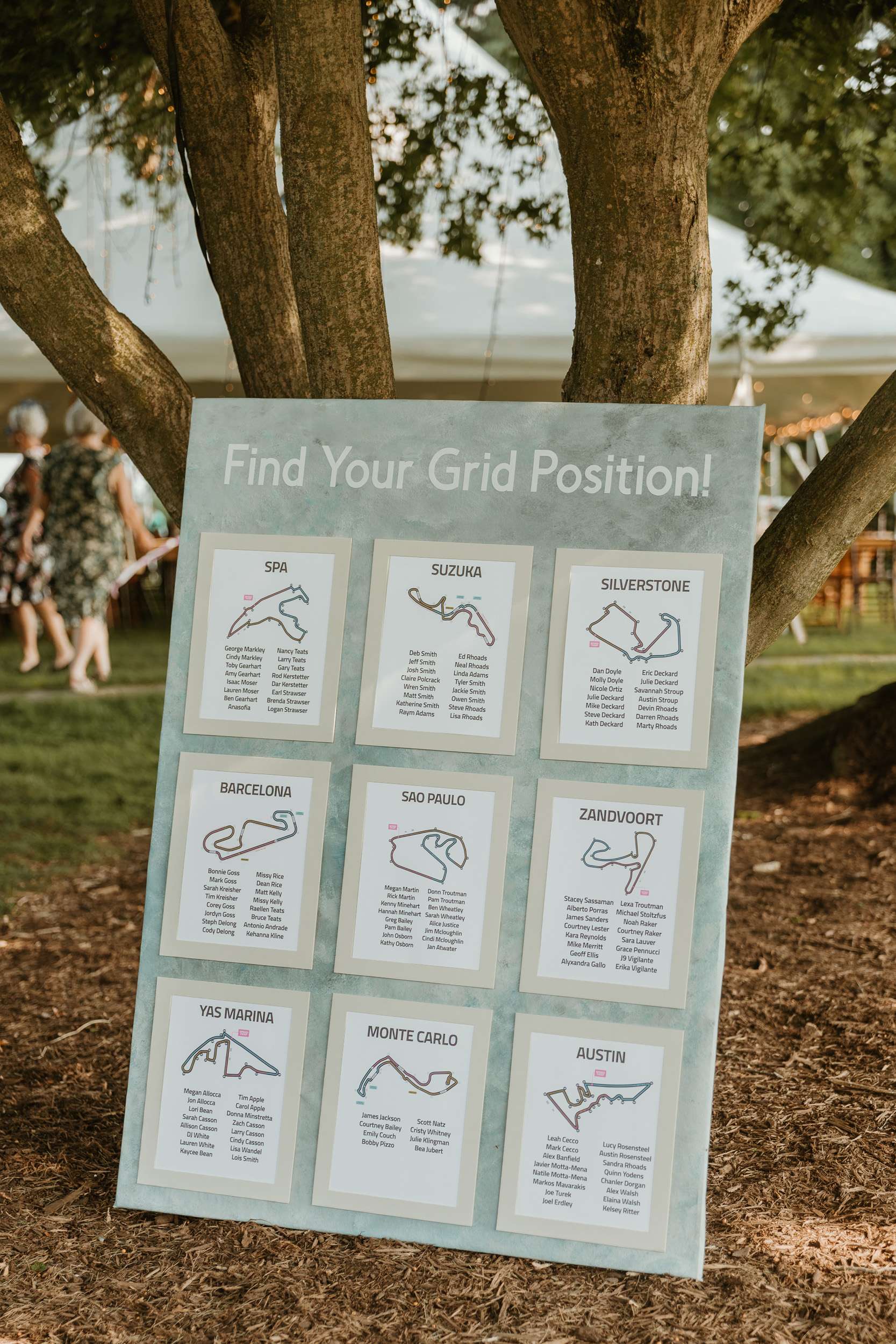
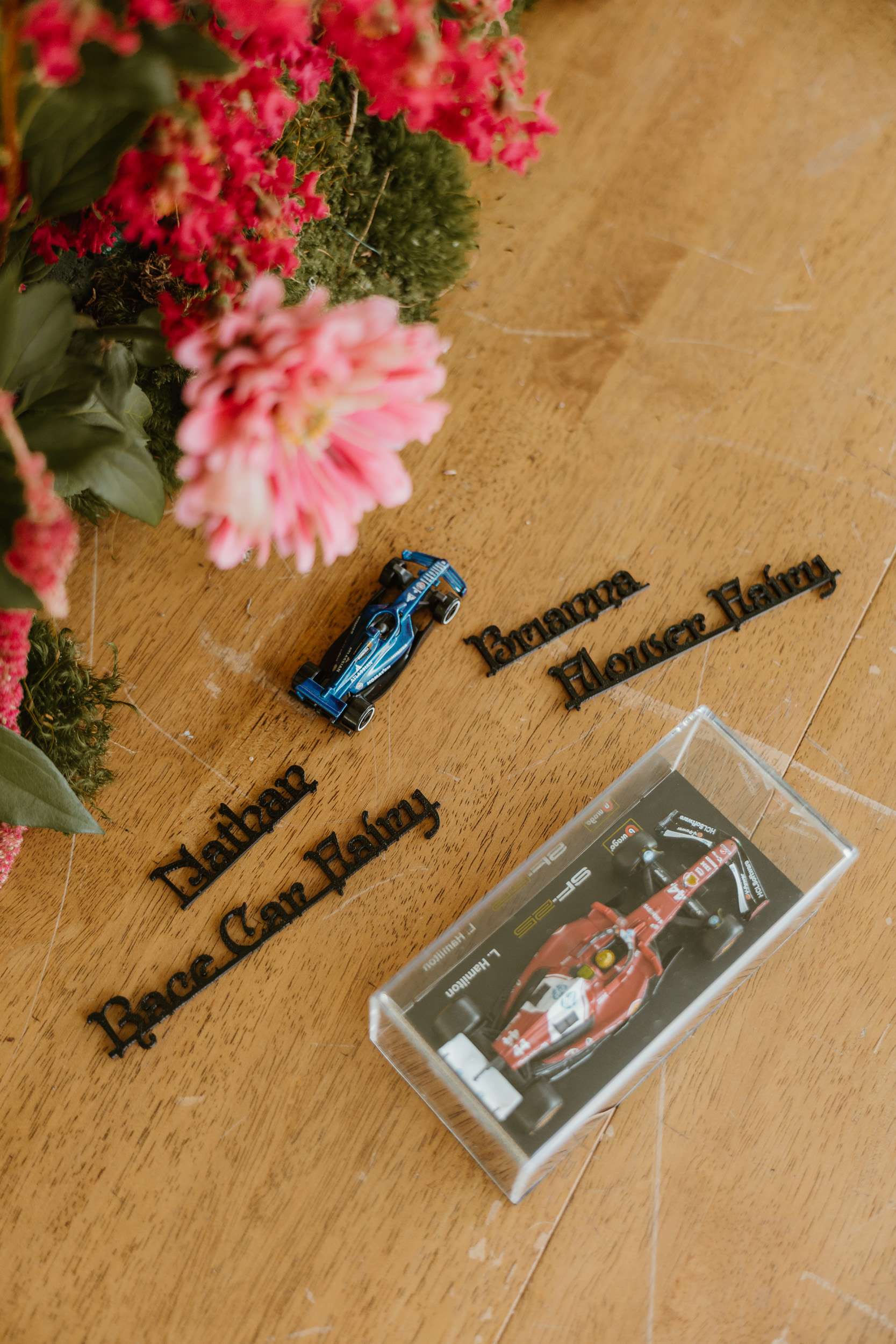
The event was notable for its integration of high-tech manufacturing into a rustic, organic setting. The groom, utilizing his background in engineering, leveraged 3D printing technology to create custom seating assignments modeled after professional Formula 1 race tracks. These 3D-printed circuits were placed at each table, requiring guests to interact with the venue’s design to locate their seating.
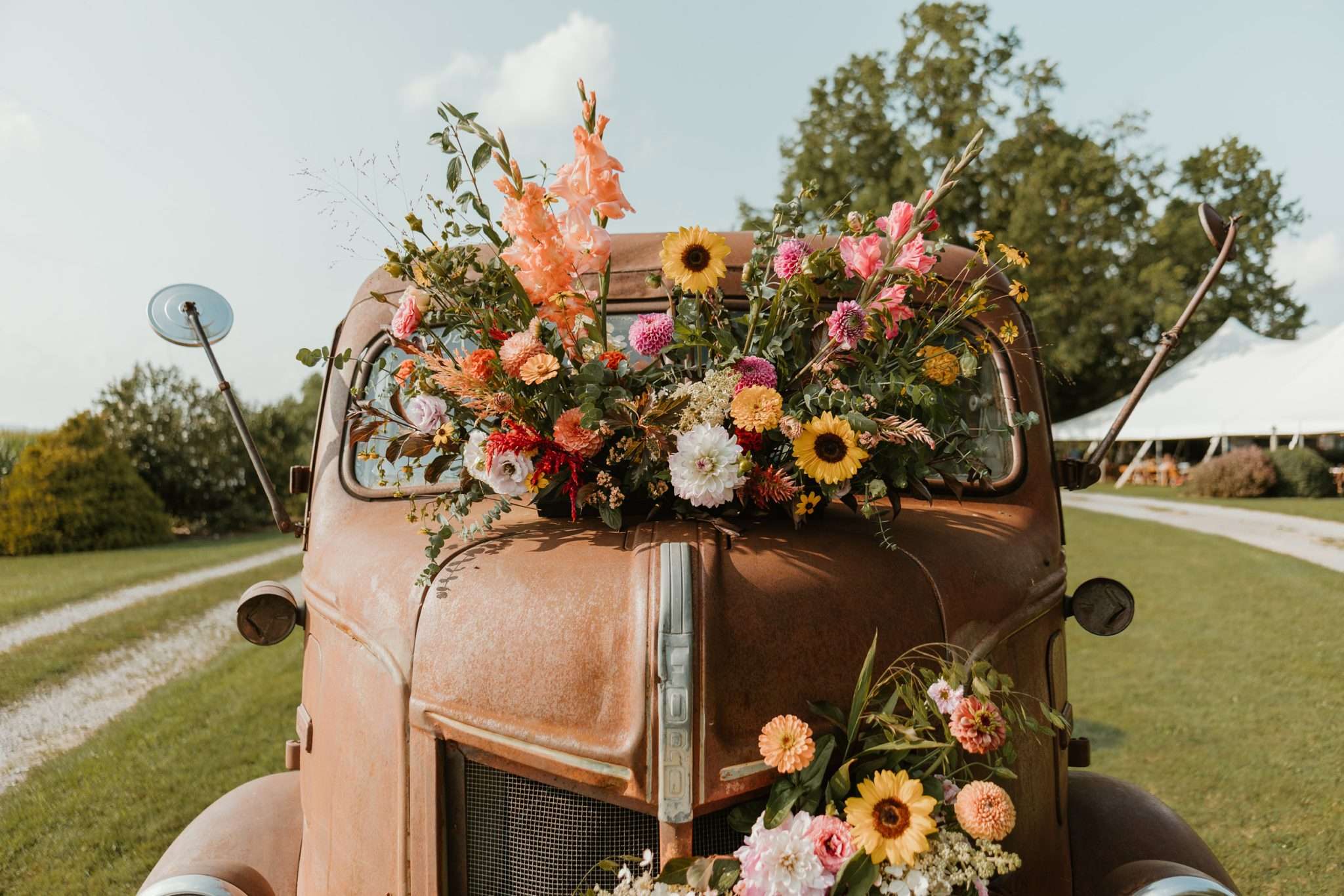
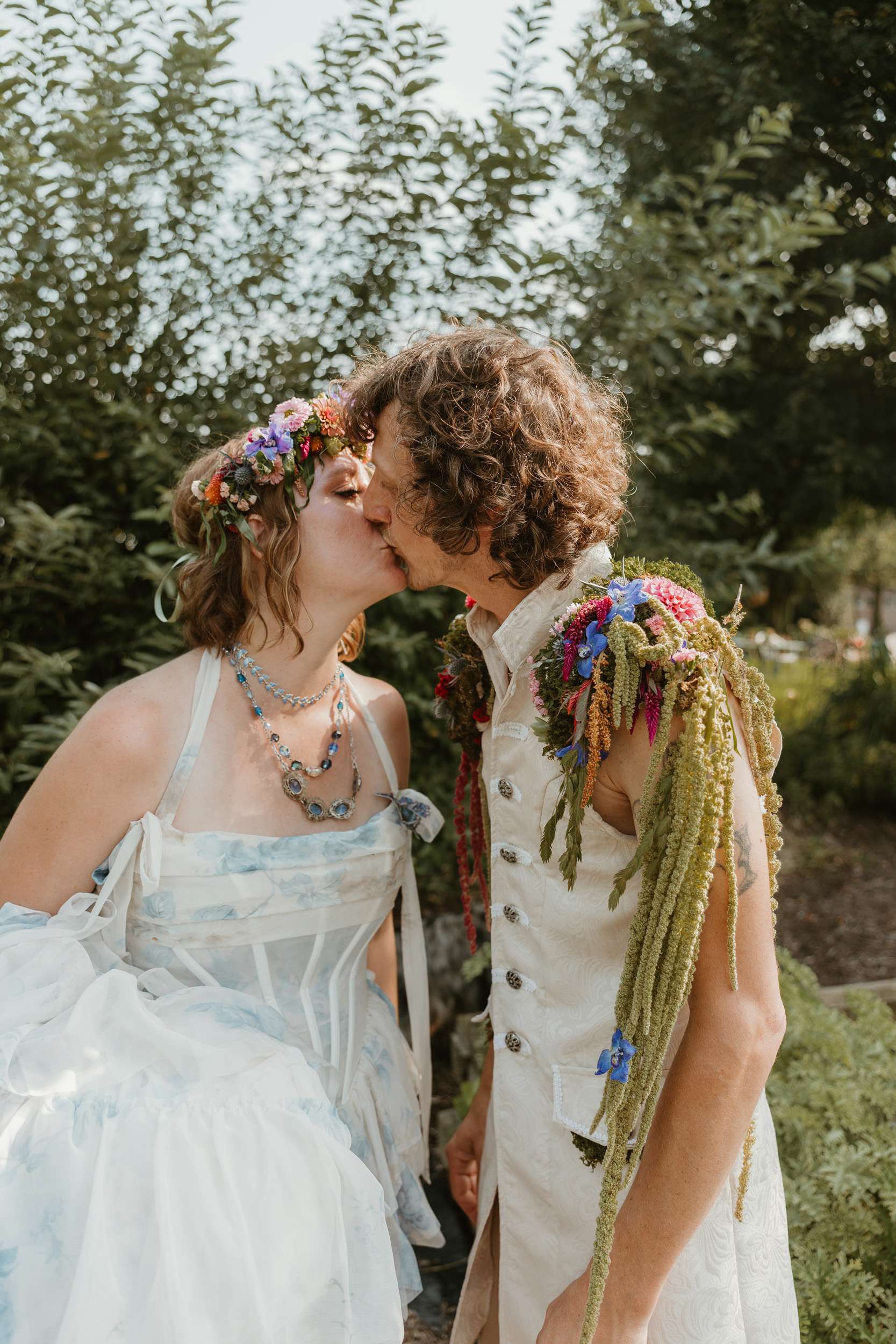
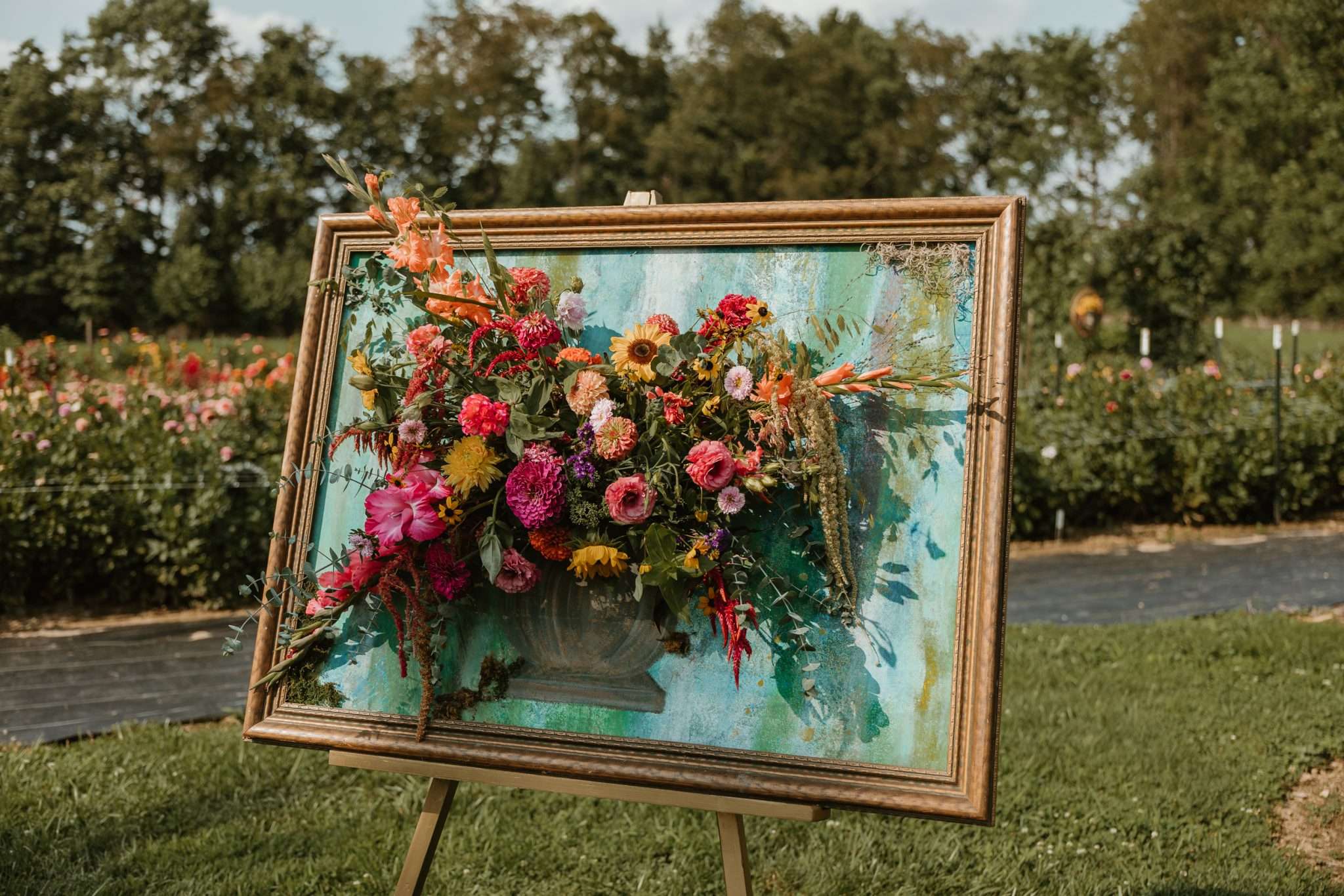
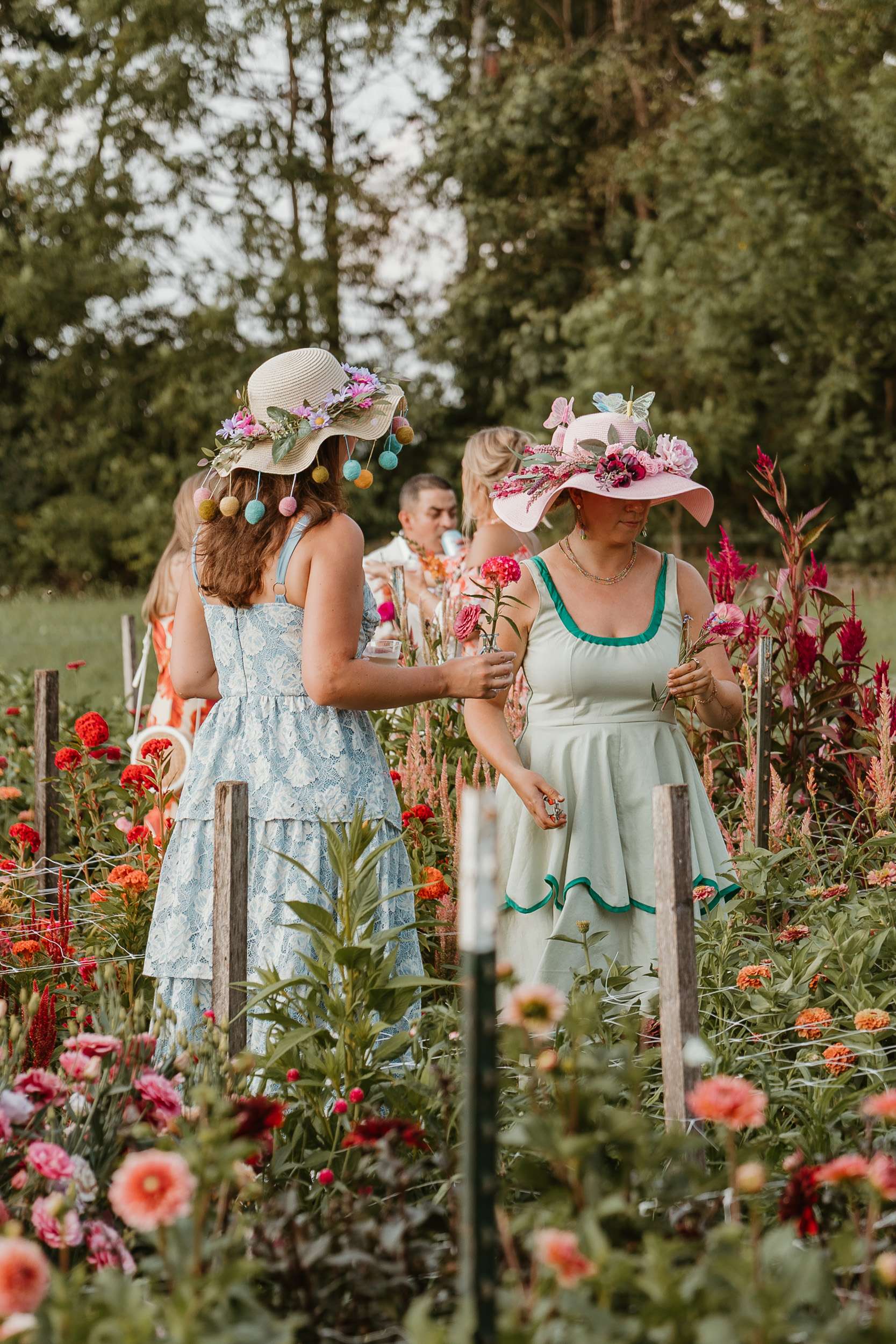
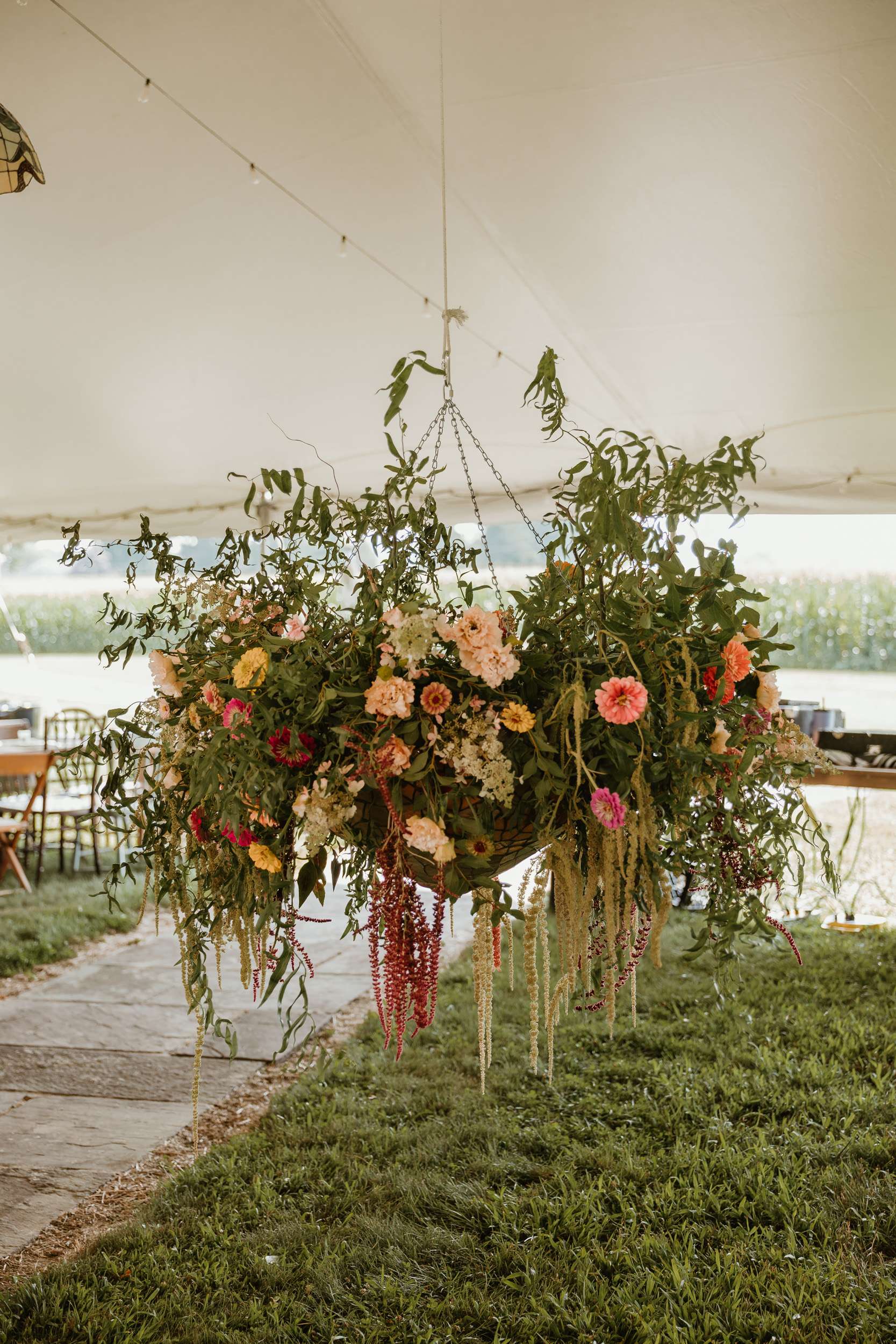
The floral arrangements were similarly rooted in the bride’s professional expertise. Bri grew and arranged all the wedding flowers, ensuring that the botanical elements were not merely decorative but integrated into the guest experience. During the cocktail hour, attendees were invited to harvest flowers from the garden and construct their own arrangements in bud vases. These guest-created pieces were subsequently incorporated into the reception’s table décor, effectively turning the guests into contributors to the aesthetic of the event.
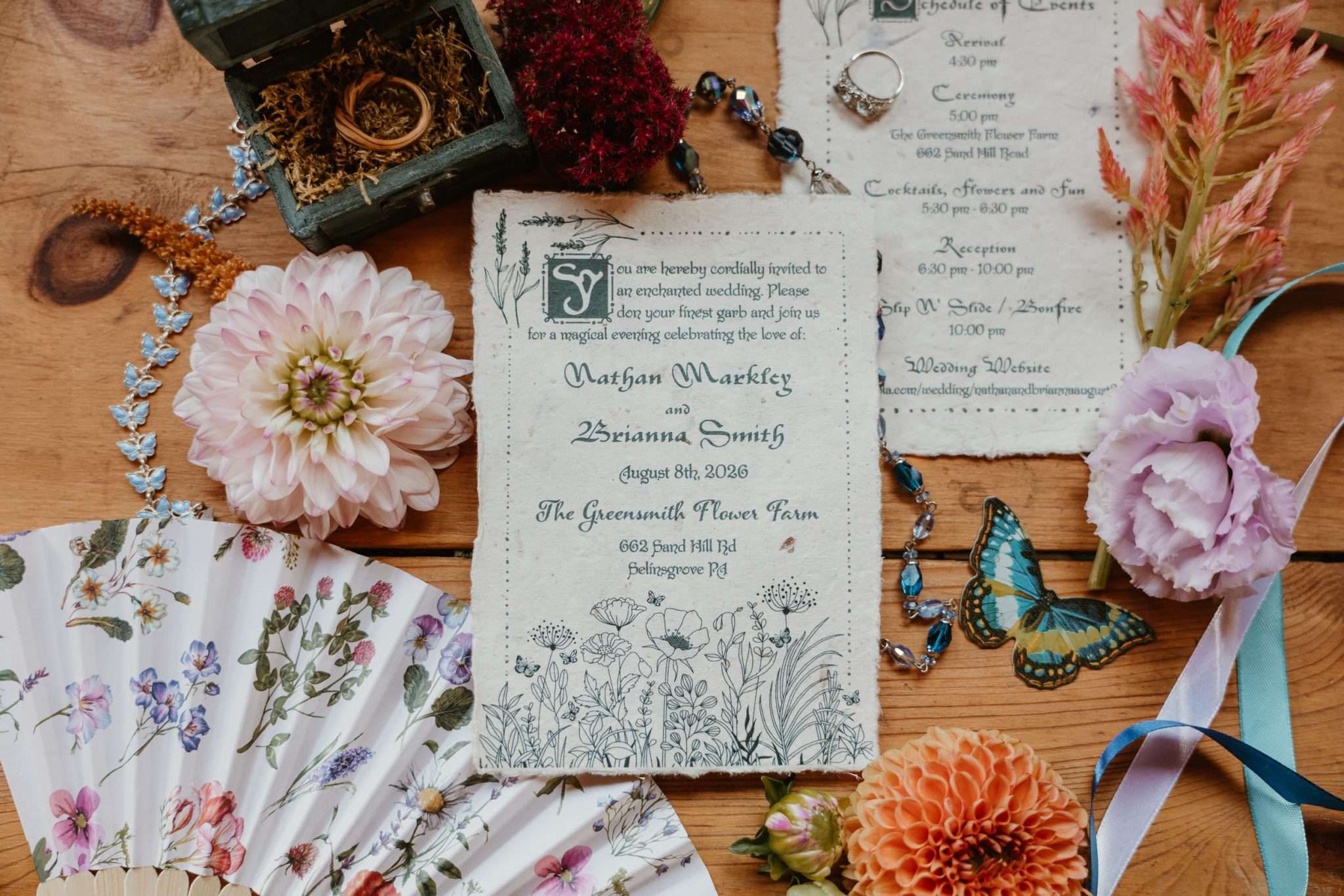
Other notable design features included a stained-glass chandelier, created by the couple, which hung as a central visual element in the reception area. The inclusion of an F1-themed scavenger hunt further encouraged guest interaction, providing a structural framework for social engagement throughout the evening.
Analysis of the DIY Event Model
The success of the ceremony suggests a broader trend in event management where couples are moving away from outsourced, "off-the-shelf" wedding packages in favor of hyper-localized, skill-based celebrations.
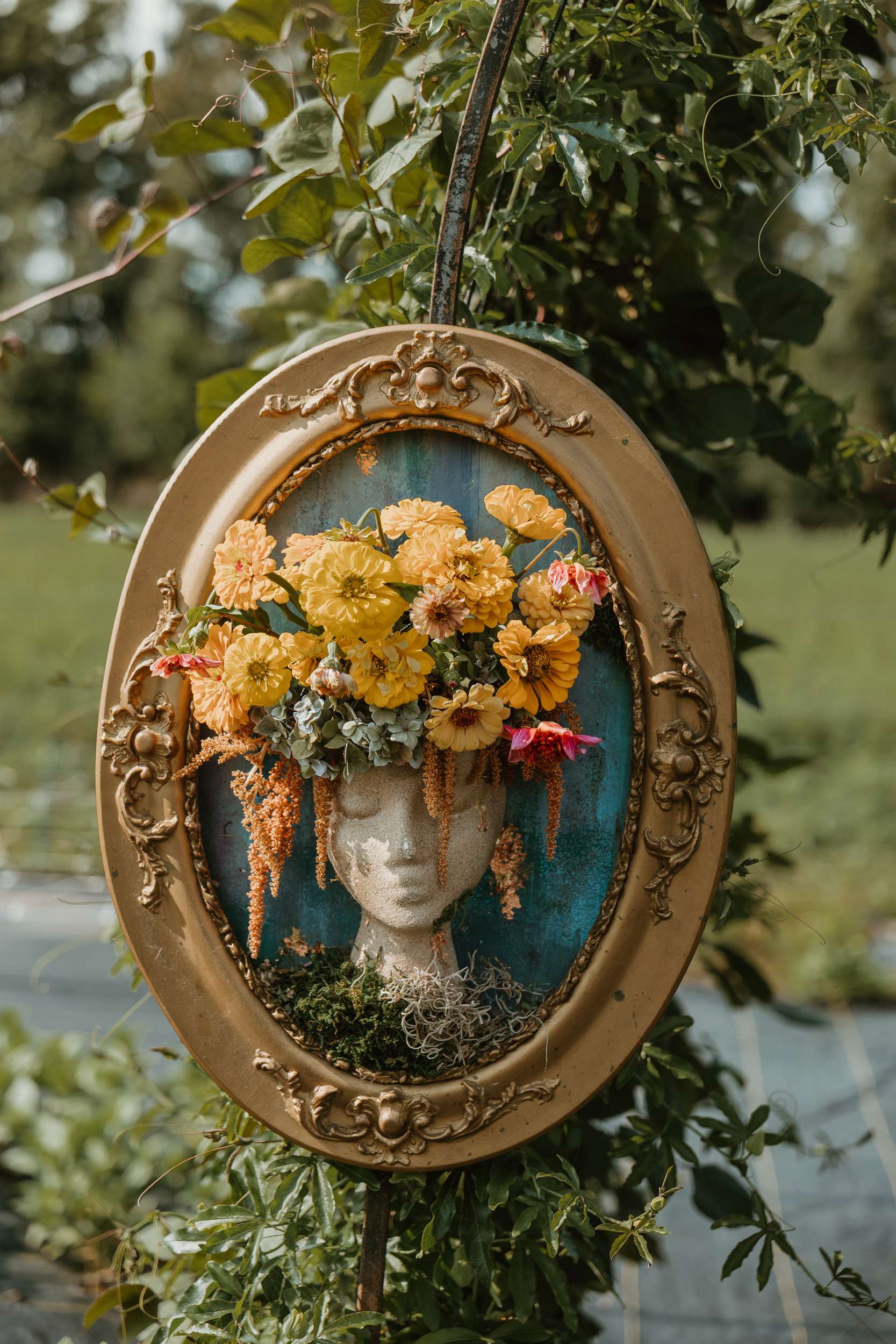
Economically, such projects represent a shift in resource allocation. By substituting professional event coordination and decor rental with in-house labor and material procurement, the couple was able to invest their resources into long-term infrastructure and customized equipment. From a sustainability perspective, the use of locally grown flowers and the repurposing of farm materials significantly reduced the carbon footprint typically associated with large-scale weddings, which often rely on imported flora and short-term rentals.
Sociologically, the "from the ground up" approach fostered a higher degree of investment from the attendees. When guests are invited to participate in the creation of the event—such as by harvesting their own centerpieces—the psychological barrier between the hosts and the guests is lowered, leading to a more communal atmosphere.
Formal Proceedings and Personal Touches
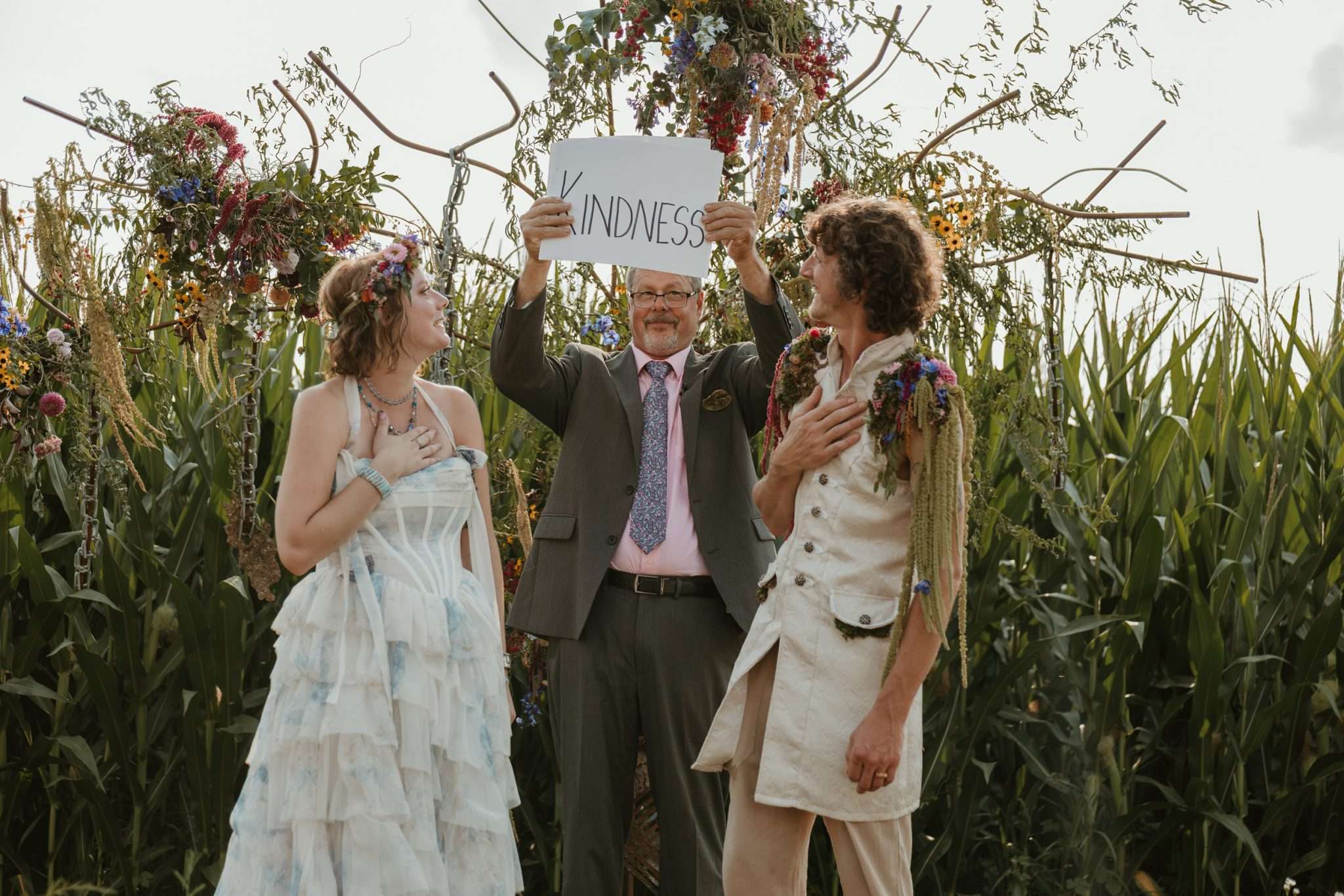
The ceremony was officiated by the bride’s father, who incorporated a variety of non-traditional elements. A notable departure from standard proceedings was the "musical moment," an homage to the film Love Actually, which featured a brass ensemble comprising trumpets, clarinets, and trombones. Guests were also requested to participate in a silent, reflective gesture by placing their hands over their hearts to make a collective wish for the couple.
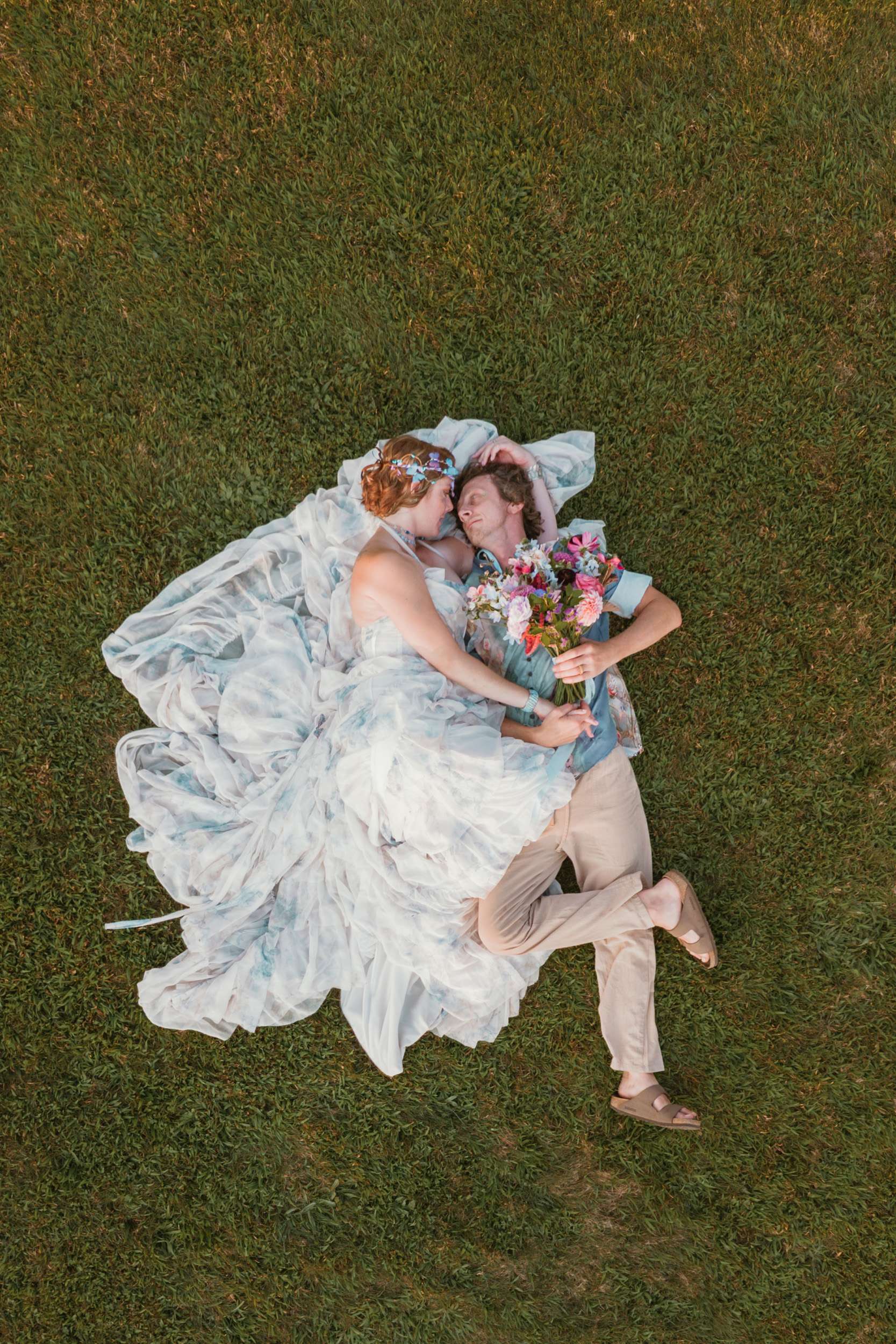
The reception transition was equally unconventional. The couple entered to Death Cab for Cutie’s "I Will Follow You into the Dark," and, prompted by the atmosphere, transitioned directly into their first dance. This spontaneity highlighted the couple’s desire to maintain a "home" environment throughout the celebration.
Broader Implications for Event Planning
As the wedding industry continues to recover and evolve, the model presented by Bri and Nate offers a viable alternative to traditional event planning. For couples with specialized technical skills, the ability to build, design, and manufacture event elements provides a level of creative control that standard venues cannot offer.
Industry analysts suggest that the rise of the "prosumer" in the wedding space—where consumers act as their own producers—is driven by the accessibility of tools like 3D printers and the growth of hobbyist communities. When applied to major life events, these tools allow for a degree of personalization that is increasingly sought after by couples looking to differentiate their celebrations.
In her reflections on the process, the bride emphasized that the extended, four-year planning window was essential to the success of the project. The late-night collaborative sessions and the slow, deliberate construction of the venue elements contributed to a sense of ownership that culminated in the final event. Her advice to future couples is rooted in this experience: by focusing on personal passions and involving guests in the creative process, the wedding ceases to be a performance and becomes a shared, immersive experience.
The wedding of Bri and Nate stands as an example of how the integration of professional expertise and communal effort can redefine the standard wedding template. By prioritizing the "building" process over the "buying" process, the couple achieved a result that was not only highly individualized but also deeply connected to the environment and the community that supported them. As wedding trends move toward greater authenticity and personal significance, the lessons learned from this farm-based, engineering-led event are likely to resonate with a new generation of couples planning their own milestones.