Summer 2026 Reflections: Gem Gossip Trends and the Evolution of Personal Style

The transition from the summer season to the academic calendar often serves as a period of reflection for small business owners and retail experts alike. As Nashville residents settle into the first week of the 2026 school year, industry observers are examining the shifts in consumer behavior and aesthetic preferences that defined the preceding months. For niche retailers, this seasonal shift provides a vital opportunity to analyze how personal style transitions—often driven by data-backed methodologies like color analysis—impact product curation and inventory management.
The Rise of Color Analysis in Retail Curation
In recent months, a notable shift has occurred within the fashion and jewelry sectors, characterized by a move away from muted palettes toward high-saturation, vibrant hues. This trend is largely attributed to the increasing popularity of professional color analysis, a process that determines which colors best complement an individual’s skin tone, eye color, and hair.
The "Bright Spring" palette, which emphasizes tropical boldness and clear, saturated tones, has emerged as a dominant influence. Retailers, including those within the high-end jewelry space, have pivoted to align their offerings with this shift. The movement away from neutral, muted tones—such as dusty rose quartz or salt-and-pepper gemstones—toward vibrant turquoise and intense corals reflects a broader consumer desire for personalization. Data from recent retail trends suggests that when consumers identify their specific "season," they become more intentional in their purchasing habits, seeking out jewelry that provides a cohesive, flattering aesthetic.

Technological Advancements and Supply Chain Challenges
The curation of jewelry is increasingly defined by the marriage of artisanal craftsmanship and functional design. A significant challenge identified by boutique jewelers throughout the summer was the lack of versatility in standard components. Specifically, many glass beads historically lacked the necessary aperture size to accommodate standard gold chains, limiting the wearer’s ability to customize their stacks.
To address this, independent designers have engaged in direct collaborations with glass artisans to produce custom-dimension beads. This move has had a two-fold impact: it solves a technical design flaw while simultaneously lowering the barrier to entry for consumers. By introducing high-quality, artisanal components at accessible price points—such as the $25 price tier—retailers are successfully diversifying their customer base, attracting younger collectors without compromising the integrity of their luxury inventory.

Chronology of Summer 2026 Collections
The summer of 2026 saw a strategic rollout of several key product launches, highlighting a focus on organic forms and high-contrast gemstone pairings.
- May 2026: The relaunch of the "Danielle Seashell Key" charm, a collaboration with Sister Sister Jewelry, marked the beginning of a seasonal trend toward nautical-inspired, high-polish gold hardware.
- June 2026: Introduction of the "In the Light of Day Jewelry" key series. This collection utilized species-specific gemstones with varying saturation levels, catering to the growing interest in monochromatic but high-contrast jewelry design.
- July 2026: Expansion into the glass animal trinket market. By sourcing from diverse international workshops—specifically those in Pennsylvania and Ukraine—retailers have leveraged the "collectible" market, which has seen a resurgence in interest among vintage and contemporary enthusiasts alike.
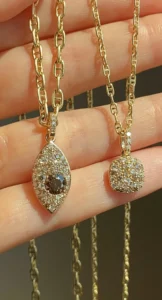
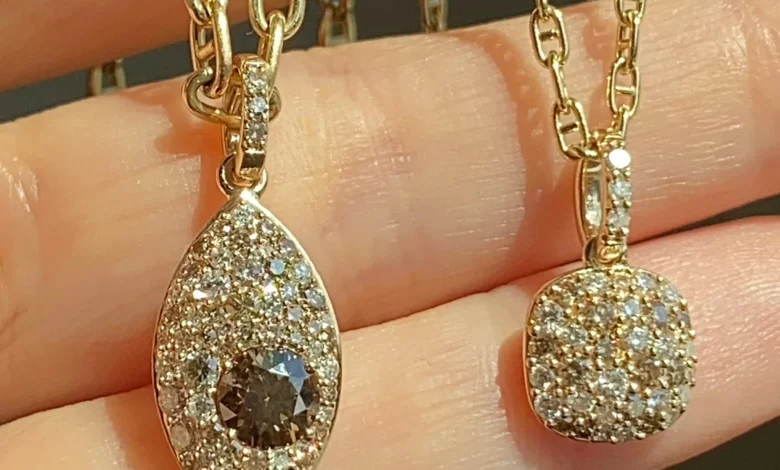
- August 2026: The end-of-summer focus shifted to "perfectly imperfect" gold wafers and ombre-colored brown diamonds. The latter, featuring off-center marquise-shaped settings, represents a departure from traditional, symmetrical fine jewelry.
The Intersection of Personal Archive and Retail Inventory
A compelling narrative emerging from the 2026 retail season is the reorganization of personal and professional archives. The trend of "archival discovery"—cleaning out storage spaces to rediscover childhood treasures—has had a measurable impact on current design aesthetics.

Retailers are increasingly drawing inspiration from these archives, noting that vintage color palettes often mirror contemporary professional color analysis findings. The integration of these nostalgic elements into modern inventory serves as a bridge between a consumer’s history and their current style identity. By documenting these personal collections and sharing them with a wider audience, retailers are fostering a community-driven environment that values storytelling as much as the product itself.
Economic and Industry Implications
The shift toward smaller, more frequent product releases—often involving limited-edition collaborations—is a response to the volatility of the broader jewelry market. By focusing on "charm jumbles" and customizable bead stacks, retailers are offering a level of modularity that allows consumers to invest in pieces over time rather than committing to singular, high-cost items.

This strategy is supported by the "perfectly imperfect" movement, which celebrates handmade characteristics in gold and gemstone cutting. As global markets fluctuate, consumers appear to be gravitating toward goods that possess a human element—pieces that show the mark of the jeweler’s hand. This aesthetic preference for organic, non-uniform shapes is driving innovation in small-batch manufacturing.
Logistics and Operational Realities
Beyond the creative aspects of retail, the summer of 2026 presented significant operational hurdles. The extreme temperatures recorded in Tennessee served as a catalyst for professional reorganization in many residential and commercial spaces. For small business owners, this required a delicate balance between managing the logistics of inventory storage—protecting delicate items from heat damage—and the physical labor of optimizing workspace functionality.

The successful transition to new, built-in storage solutions within showrooms and workshops highlights the importance of infrastructure in supporting retail growth. As the industry moves into the fall, these operational improvements are expected to increase efficiency in order fulfillment and inventory tracking.
Future Outlook: The Role of Customization
As the academic year progresses, the focus for the jewelry sector will likely remain on the interplay between personalization and affordability. The success of the "Bright Spring" color strategy and the demand for versatile, customizable components suggest that consumers are looking for items that serve as an extension of their identity.

Industry experts anticipate that the trend of high-saturation gemstones and artisanal glass components will continue to dominate through the winter months. Furthermore, the collaboration model—where designers leverage the specific skill sets of international artisans—is poised to remain a standard practice for boutique retailers. This collaborative approach not only ensures a unique product offering but also distributes the economic benefit across a wider network of skilled makers.
In conclusion, the summer of 2026 was defined by a transition toward intentionality. Whether through the professional analysis of color, the collaborative design of custom components, or the archival curation of personal collections, the retail landscape has shown a clear trajectory toward highly personalized, artisanal-focused jewelry. As retailers look ahead to the remainder of the year, the emphasis will continue to be on providing high-quality, versatile, and emotionally resonant products that meet the evolving demands of the modern consumer. Through the careful balancing of supply chain logistics, artistic collaboration, and a deep understanding of consumer psychology, the industry is well-positioned for continued growth in the coming seasons.