Pierpaolo Piccioli Departs Balenciaga in Third Major Kering Creative Director Exit in a Month

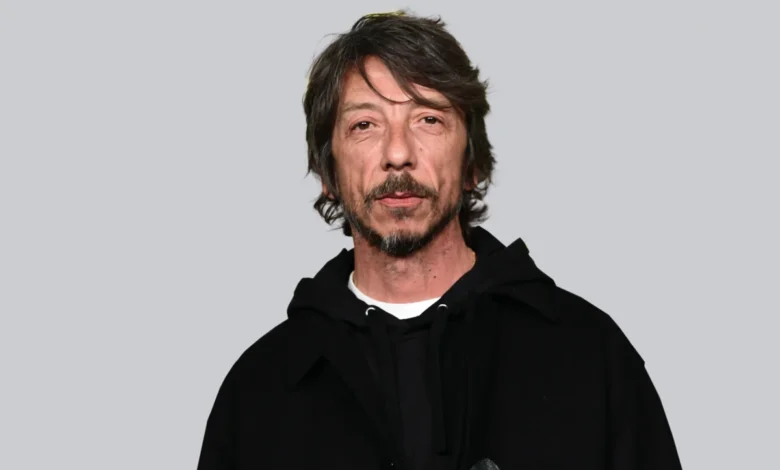
Balenciaga has officially announced the departure of creative director Pierpaolo Piccioli, marking a sudden and significant shift for the storied luxury fashion house. The luxury brand stated that a successor will be announced shortly, a development that caps off a turbulent period of leadership changes for parent company Kering. Piccioli’s exit represents the third high-profile creative director departure from a Kering-owned label within the span of just a single month, intensifying industry speculation regarding corporate strategy, shifting market dynamics, and the intense pressures facing modern luxury creative leadership.
The abrupt departure disrupts what had been billed as a major coup for Balenciaga when Piccioli was originally appointed to the role in May 2025. Piccioli arrived at Balenciaga following a celebrated, quarter-century tenure at Valentino, where he had served as creative director and successfully steered the Italian fashion house through numerous market cycles and aesthetic evolutions. His arrival at Balenciaga followed the departure of Demna Gvasalia, who transitioned to helm Gucci. Piccioli wasted little time establishing his vision for the house, culminating in his debut collection for Balenciaga, which he presented to global critics and buyers at Paris Fashion Week in October 2025. The debut was widely watched as one of the most anticipated and prominent creative debuts of that particular fashion season, signaling an aesthetic bridge between Balenciaga’s streetwear-dominated recent past and a renewed focus on traditional haute couture craftsmanship.
A Chronology of Upheaval: The Kering Leadership Carousel
Piccioli’s departure does not occur in a vacuum; rather, it is part of an unprecedented wave of musical chairs across Kering’s portfolio of luxury brands. The luxury conglomerate has experienced a staggering exodus of top-tier creative talent in recent weeks. Just last month, the fashion industry was rocked by the departure of Seán McGirr from McQueen, followed closely
by the exit of Anthony Vaccarello from Saint Laurent.
This string of rapid departures highlights a broader pattern of instability and strategic re-evaluation within Kering. The timeline of high-level luxury creative changes has accelerated dramatically over the past two years. To trace the current trajectory, one must look back to March 2024, when Piccioli stepped down from his monumental post at Valentino after 25 years with the label. That same month, the industry witnessed another major domino fall when Alessandro Michele—the visionary force behind Gucci’s explosive growth between 2015 and 2022—was announced as Piccioli’s successor at Valentino.
The subsequent reshuffling saw Piccioli land at Balenciaga in May 2025, tasked with elevating the brand’s commercial and artistic standing. However, his tenure has proven surprisingly brief. By cutting short what many anticipated would be a multi-year stewardship, Balenciaga and Kering have signaled that patience for long-term turnaround strategies may be wearing thin in a demanding global economic climate where luxury conglomerates face cooling demand in key markets such as Asia and North America.
Corporate Responses and Official Statements
In the wake of the announcement, leadership from both Balenciaga and Kering released statements acknowledging Piccioli’s contributions while looking forward to the future of the brand.
Gianfranco Gianangeli, president and chief executive officer of Balenciaga, praised the departing designer’s dedication to the brand’s foundational roots. “We are deeply grateful for Pierpaolo’s contribution to Balenciaga,” Gianangeli said. “Through his vision, he reaffirmed the couture origins of the house, bringing his considered approach to craftsmanship, construction, and creativity. I would like to sincerely thank him for his dedication, generosity, and collaboration.”
Luca de Meo, chief executive officer of Kering, emphasized the conglomerate’s enduring respect for Piccioli’s artistry while pivoting toward the strategic imperative of maintaining Balenciaga’s market relevance. “Pierpaolo is an exceptional couturier and creative talent for whom we have the greatest respect,” de Meo stated. “Our ambition is to build on Balenciaga’s avant-garde spirit, honour its remarkable heritage, and continue to push creative boundaries, further establishing the house as a powerful and relevant voice.”
Despite the diplomatic tone of the official corporate communications, industry insiders note that sudden departures of this magnitude typically point to underlying friction between creative ambitions and commercial expectations, particularly as parent companies navigate a more volatile macroeconomic landscape for high-end fashion goods.
Broader Industry Implications and Market Context
The departure of Piccioli from Balenciaga, coming on the heels of the exits at McQueen and Saint Laurent, underscores a critical inflection point for Kering and the broader luxury sector. For years, the luxury fashion model relied heavily on the star power of visionary creative directors to drive rapid revenue growth, social media engagement, and accessory sales. However, changing consumer behaviors, inflationary pressures, and a post-pandemic normalization of luxury spending have forced conglomerates to reassess their operational models.
Kering, in particular, has faced intense scrutiny from investors as its flagship brand, Gucci, has worked to regain its footing following a prolonged period of sluggish sales. The pressure to revitalize lagging revenues has cascaded down through the group’s other labels, creating an environment where creative directors face immense pressure to deliver immediate commercial success alongside critical acclaim.
Furthermore, the accelerated rotation of creative talent poses distinct operational challenges for luxury houses. Each leadership transition requires a complete overhaul of design teams, supply chain adjustments, marketing strategies, and retail merchandising—processes that are both costly and disruptive. When multiple brands within the same parent company undergo leadership changes simultaneously, it places a heavy strain on corporate infrastructure and can create brand fatigue among consumers who are asked to digest entirely new aesthetic directions every few seasons.
Looking Ahead: The Search for a Successor
As Balenciaga prepares to announce its next creative director, the fashion world will be watching closely to see whether the house chooses to double down on Piccioli’s refined, couture-focused approach or pivots back toward a more disruptive, youth-culture-oriented aesthetic that characterized much of its earlier success under Demna Gvasalia.
The upcoming appointment will not only define the immediate trajectory of Balenciaga but will also serve as a barometer for Kering’s overarching strategy in an increasingly competitive luxury market. With consumer loyalty harder to secure and economic headwinds persisting across key global regions, the incoming creative director will face the formidable task of balancing Balenciaga’s avant-garde heritage with sustainable commercial viability. For now, the luxury industry is left waiting for the next chapter in Balenciaga’s evolution, as the latest rotation on fashion’s relentless creative merry-go-round continues to spin.